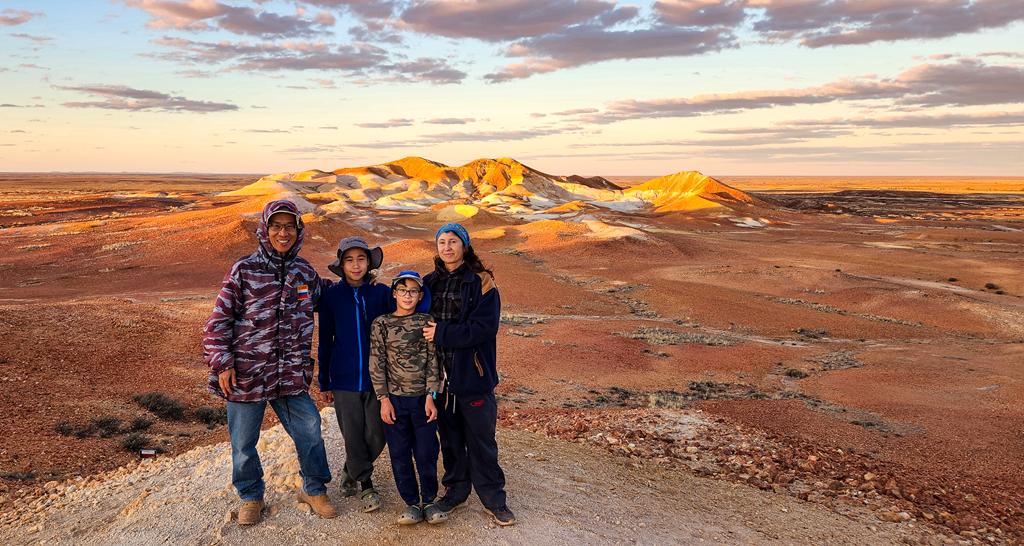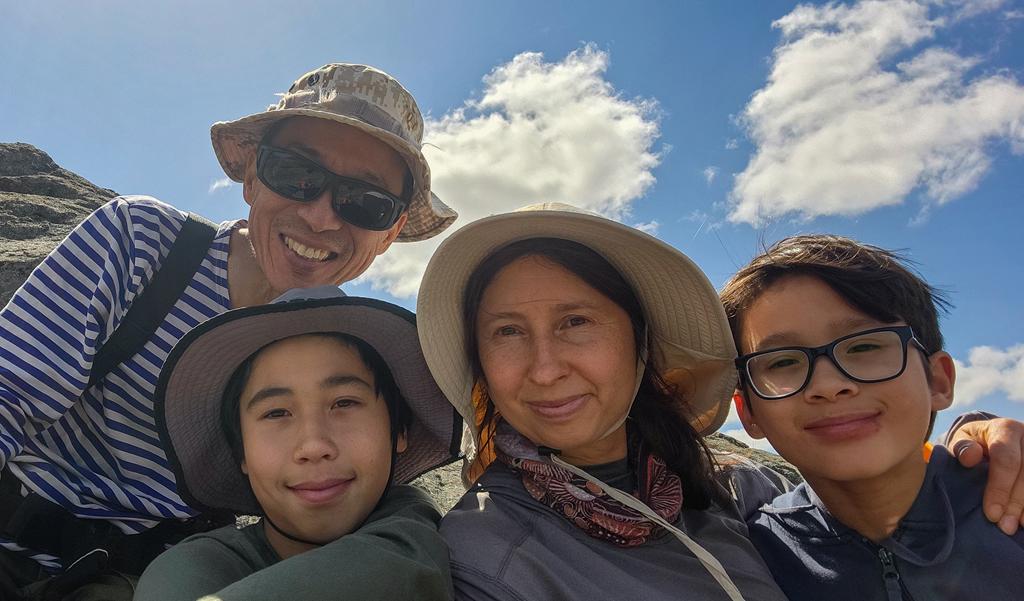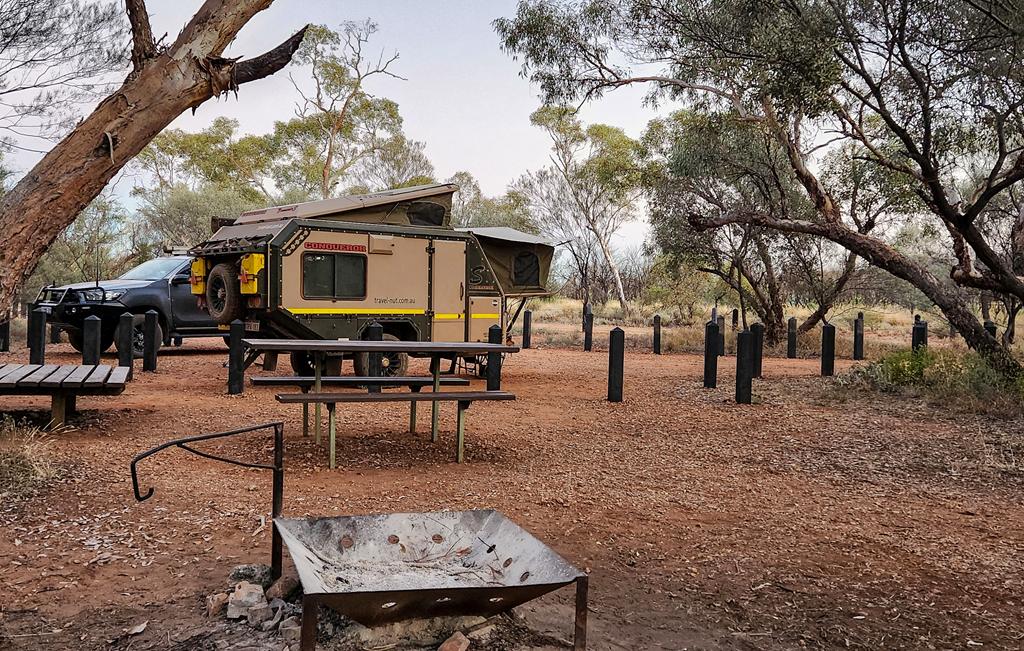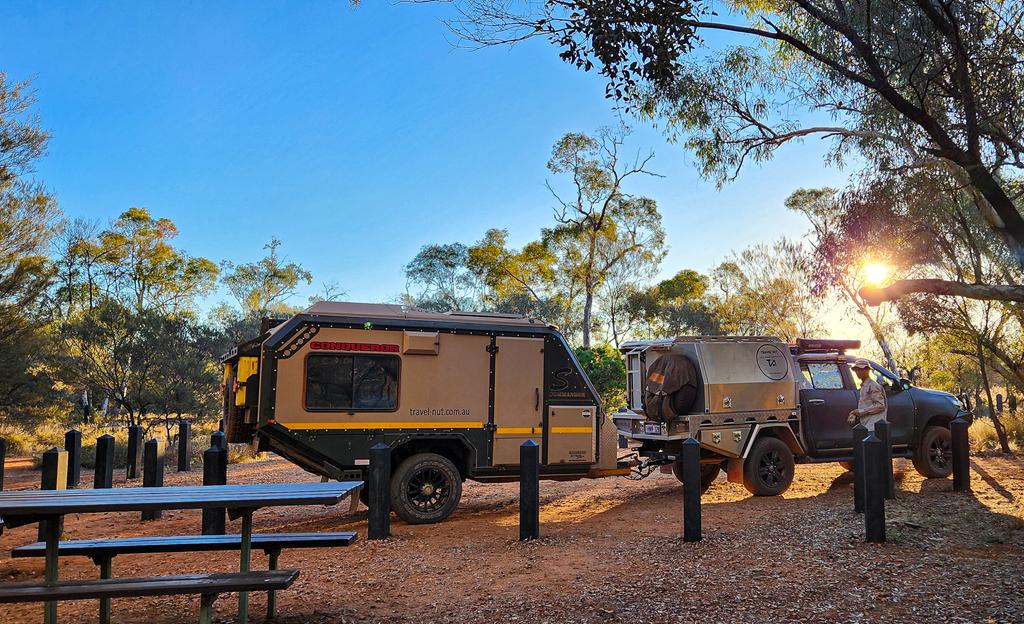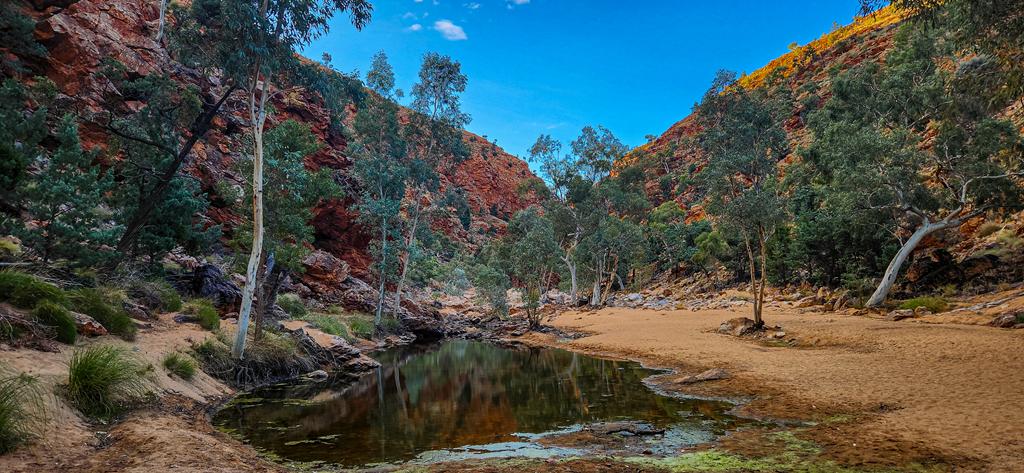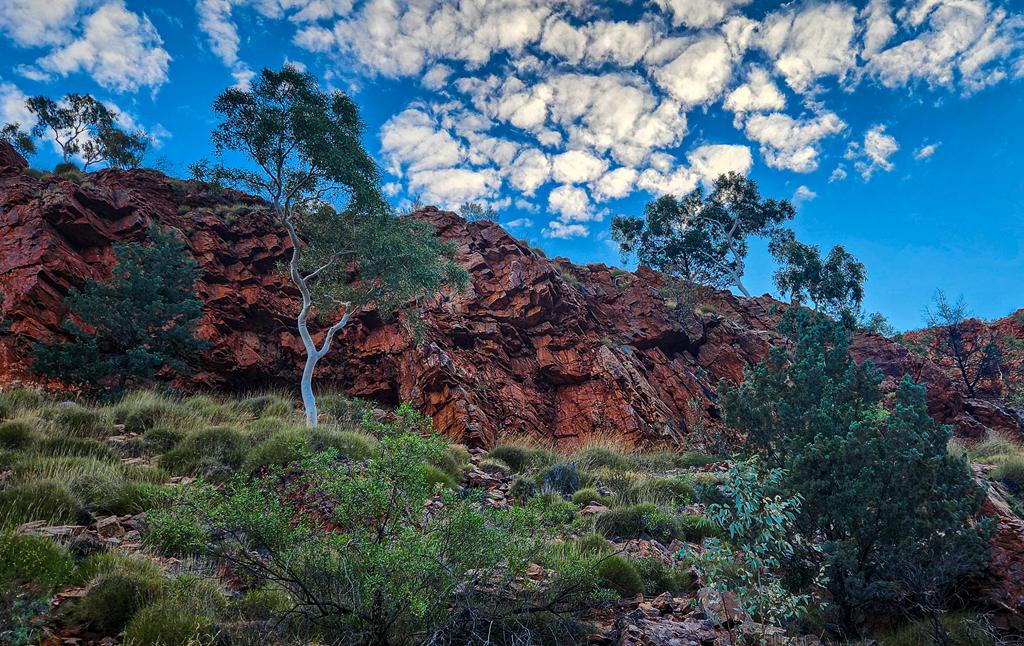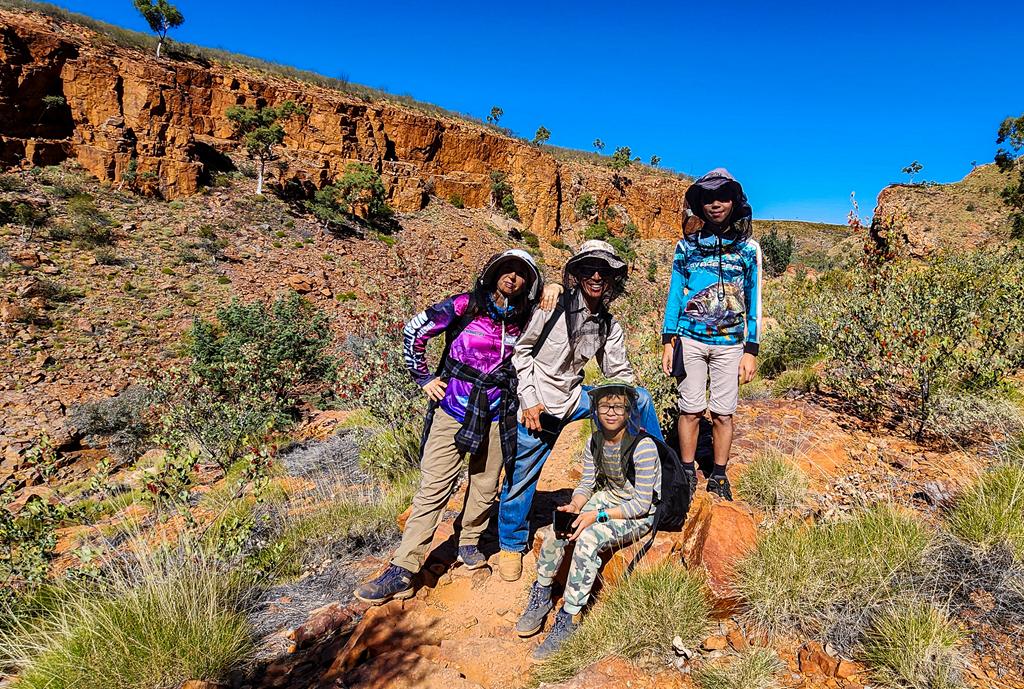
We are a family of four and are nuts about traveling. Our name reflects this! We love sharing the joy and love of traveling and adventure! Let's the fun begin!
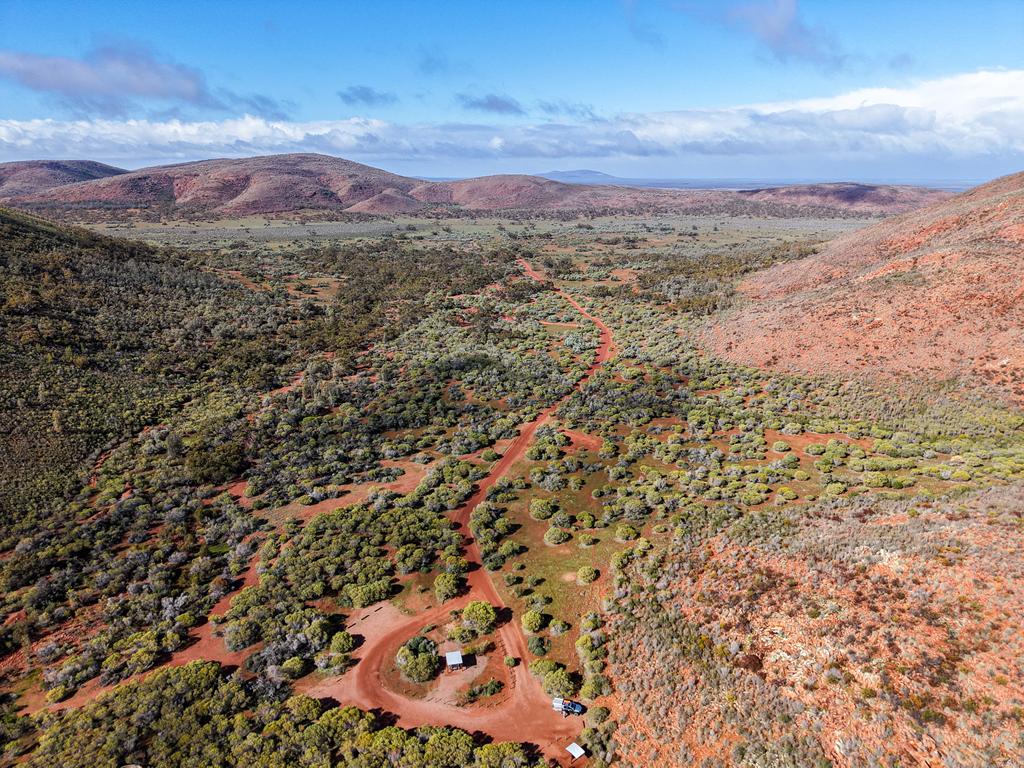
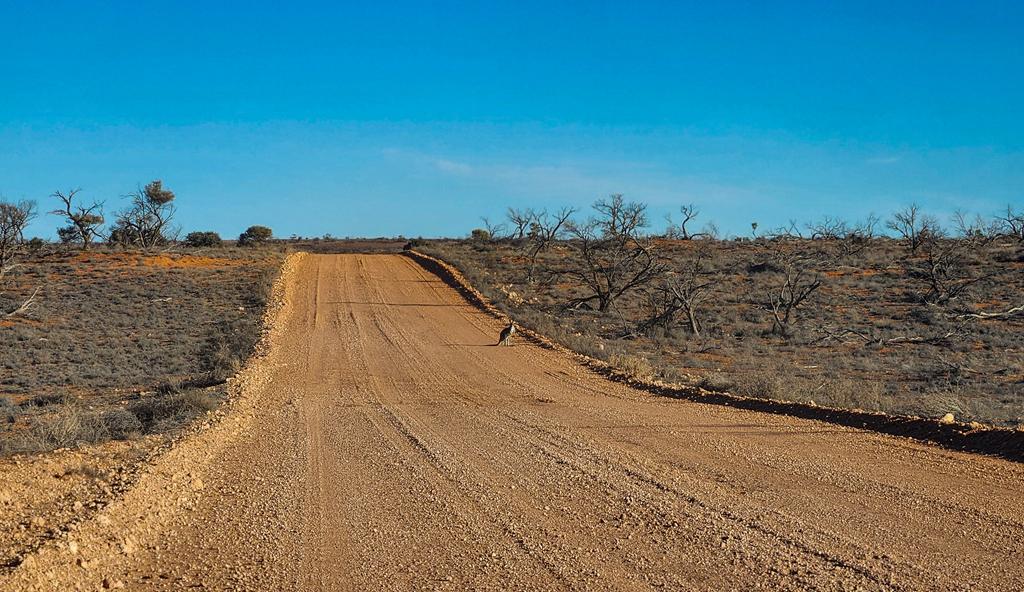
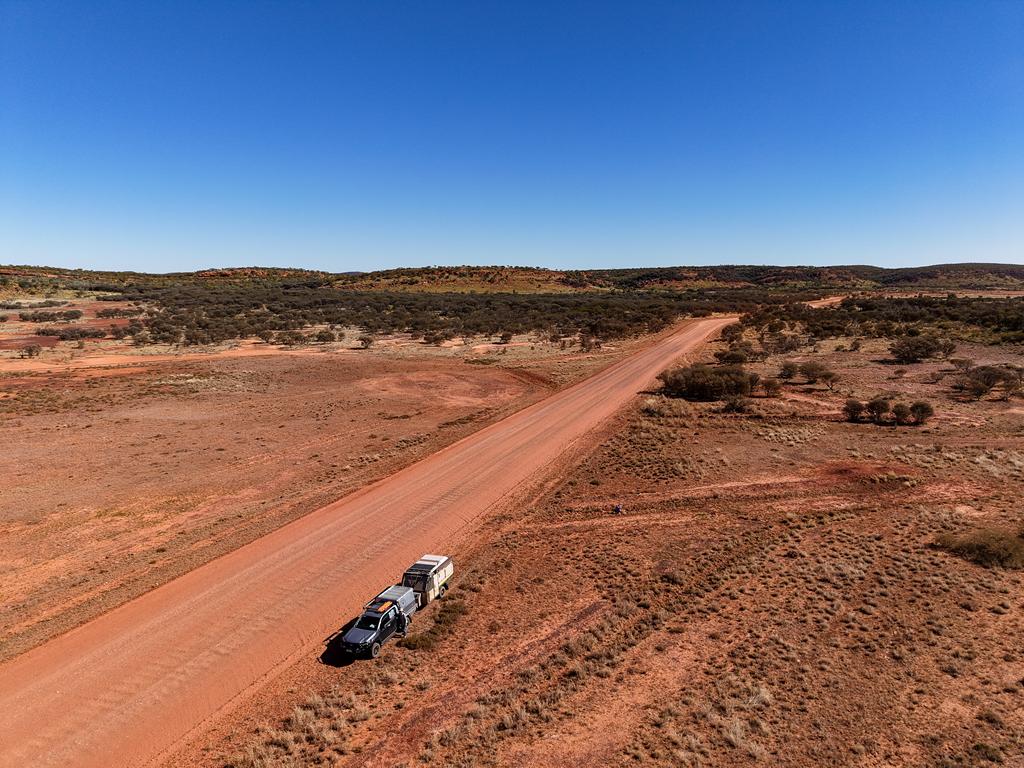
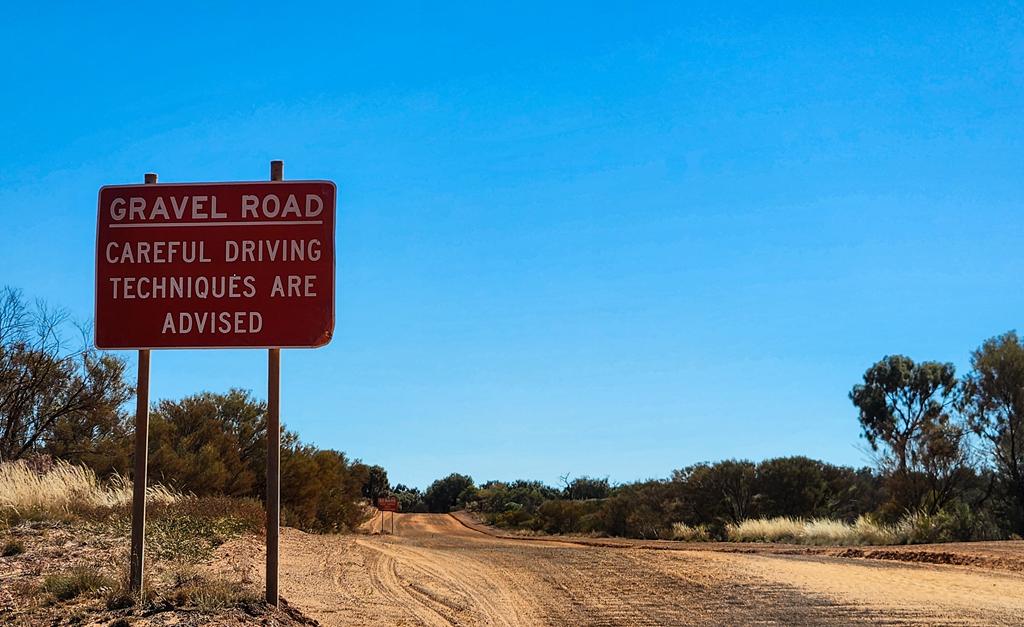
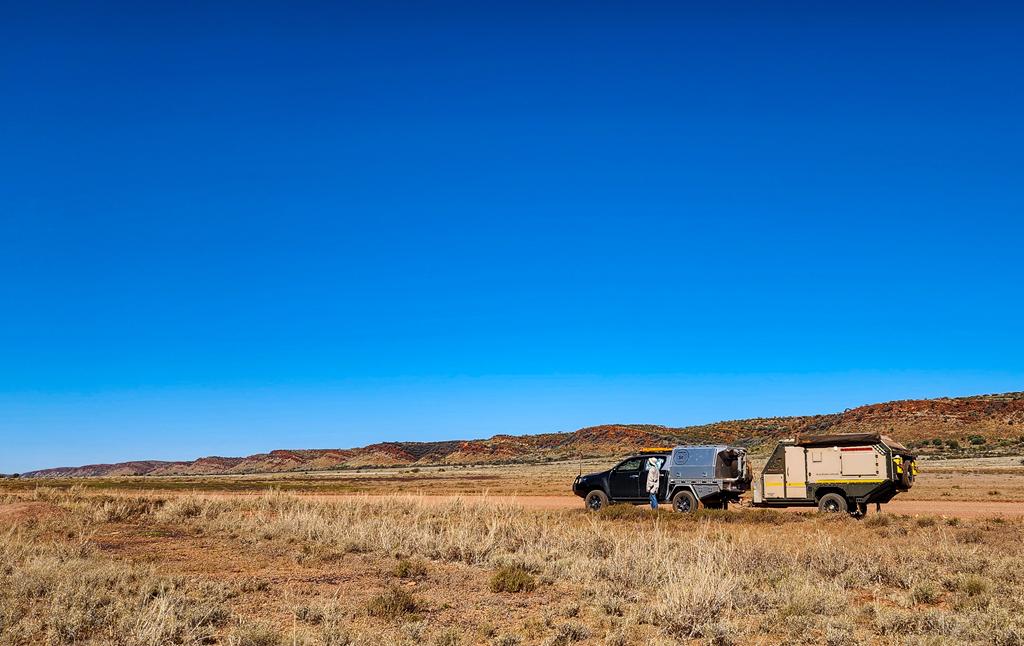
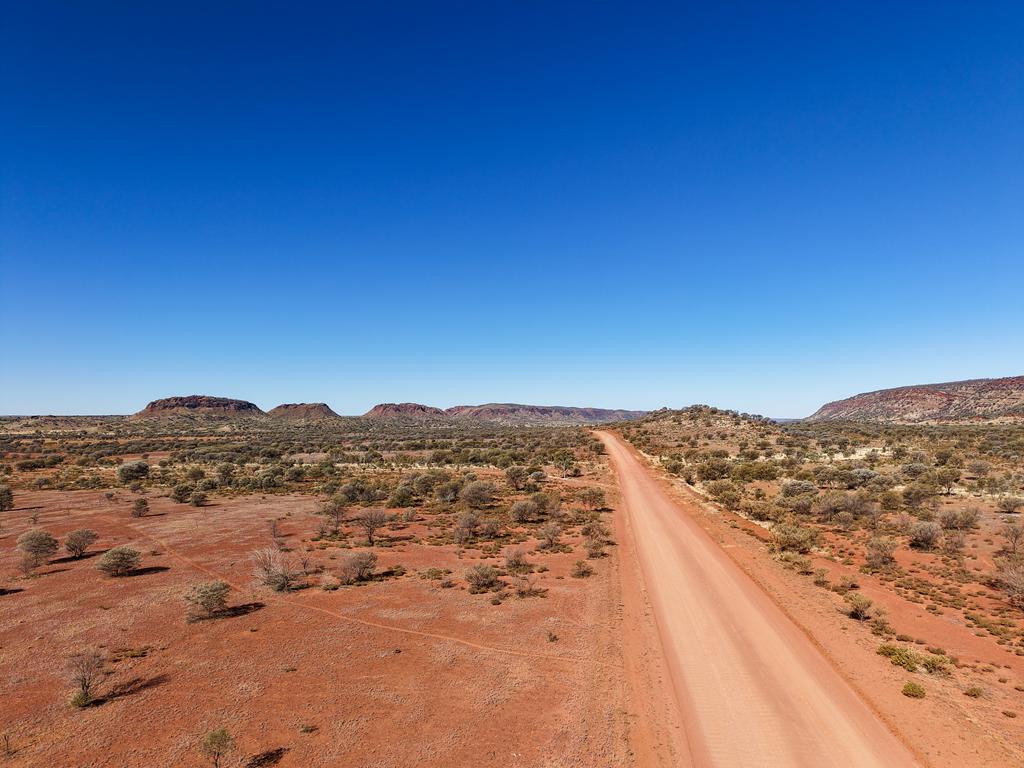
At the time of writing (2025) it is unsealed road, which is recommended for 4WD only. It took us about 5 hours to travel 155km due to corrugation, but we stopped a few times. Technically it is possible to use 2WD there if you travel slowly.
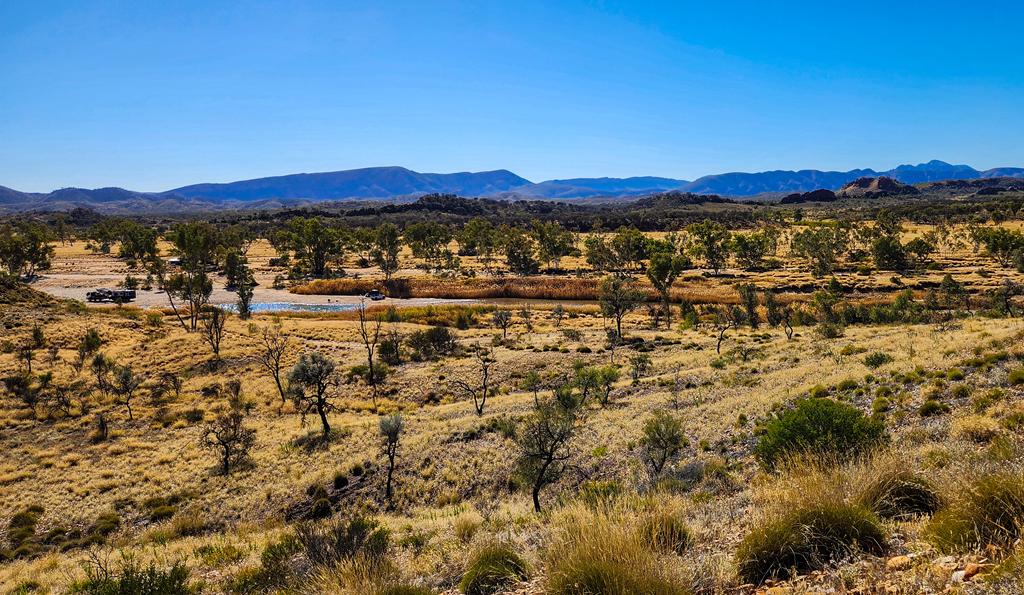
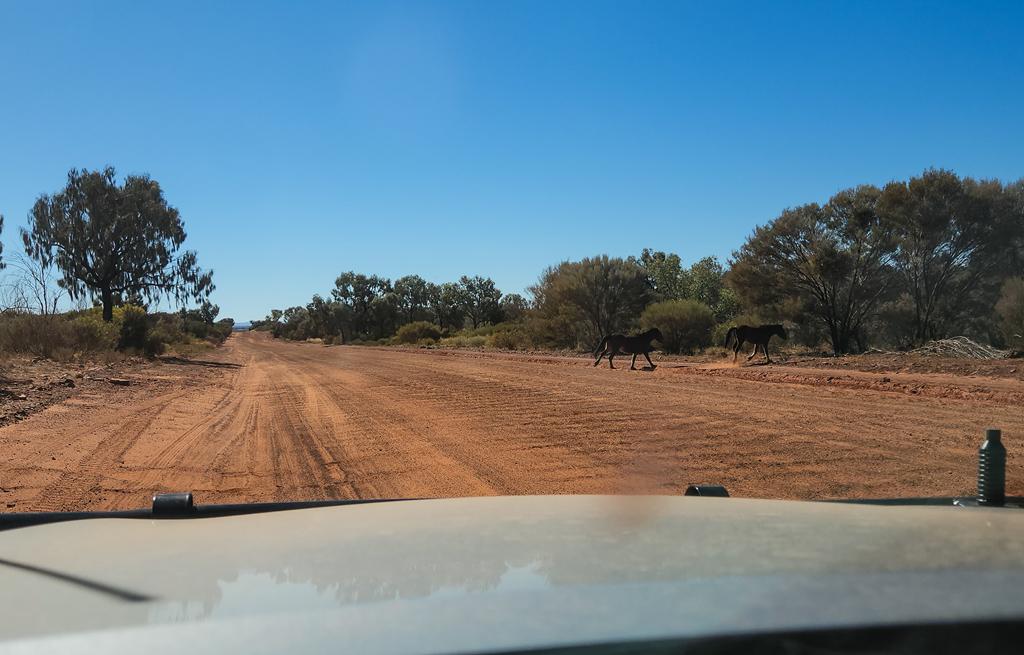
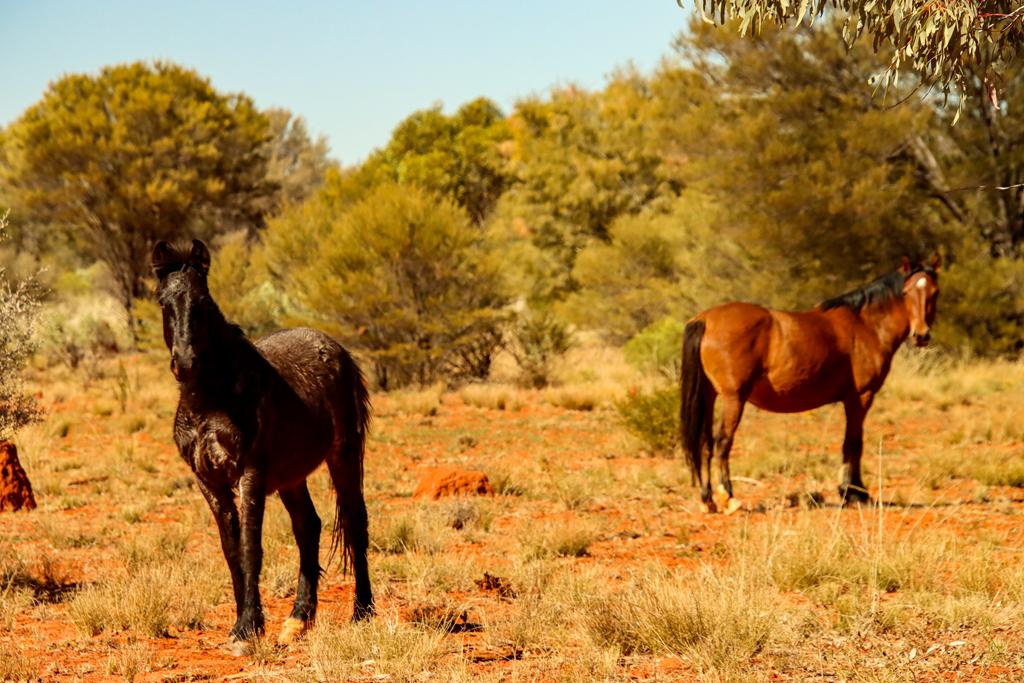
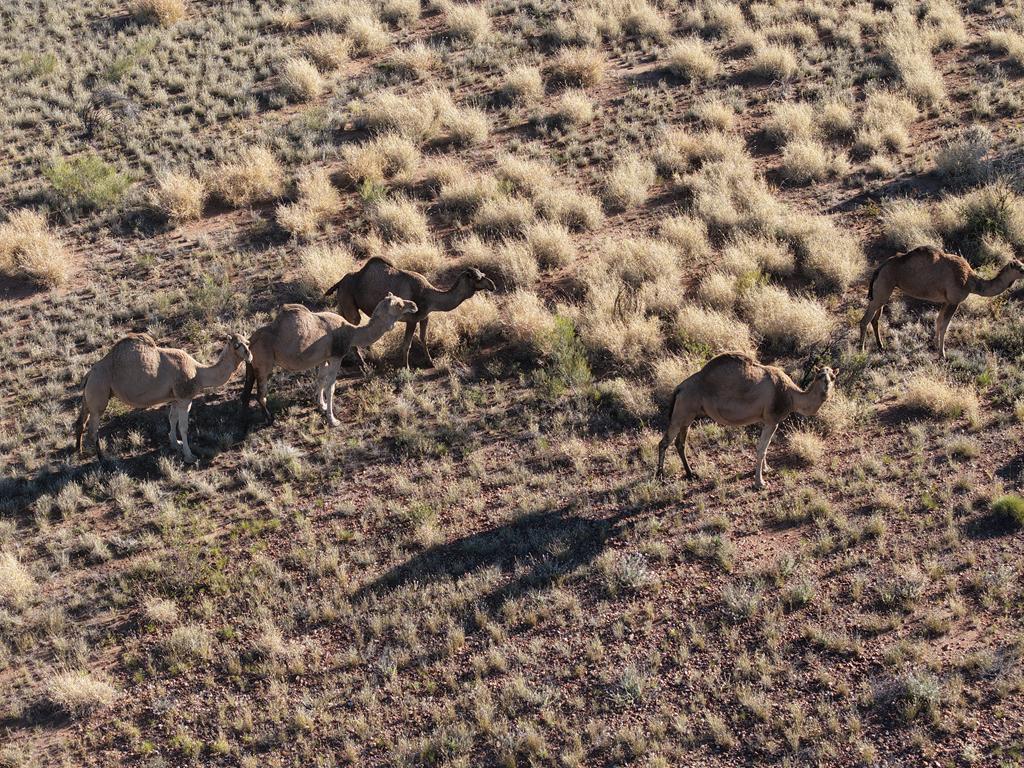
The scenery at the Mereenie Loop is quite interesting and unique. We were lucky to see wild brumbies, as well as camels.
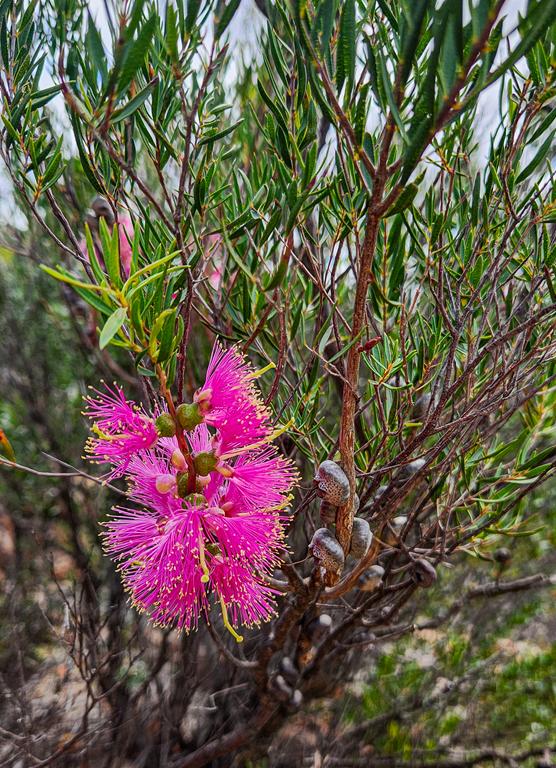
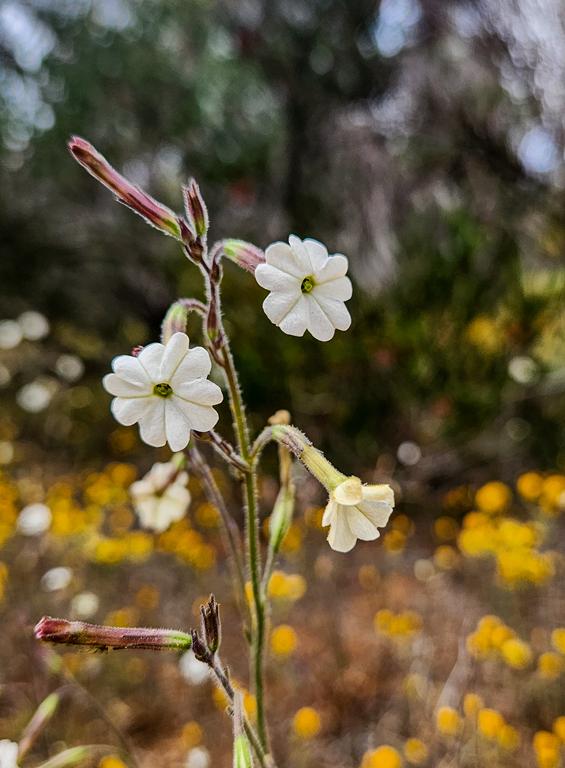
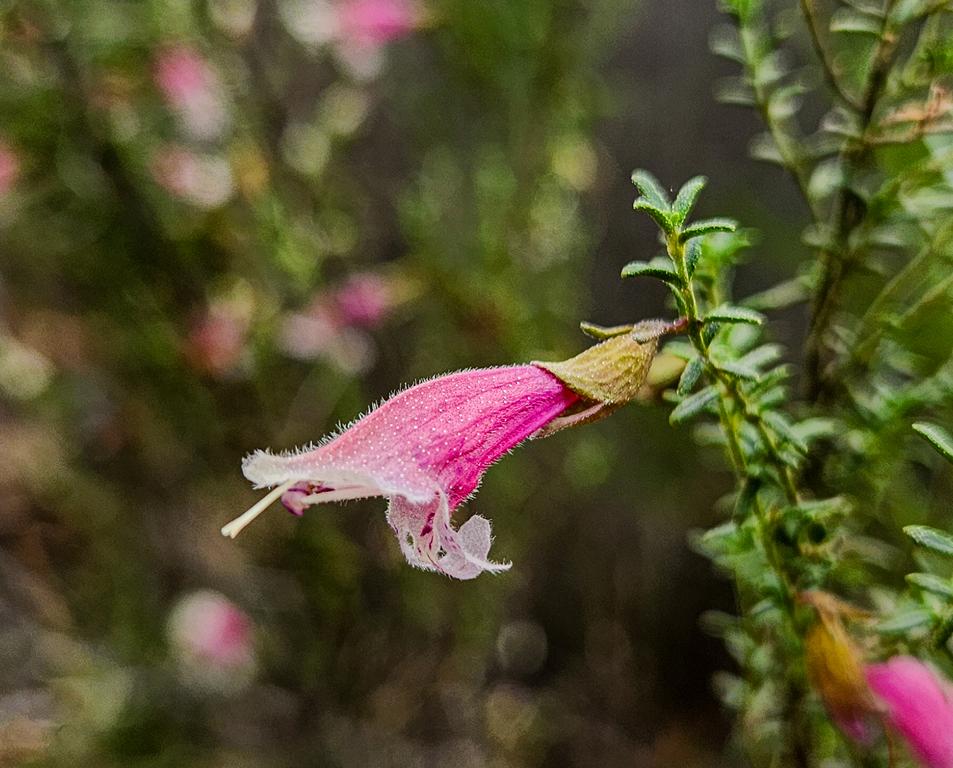
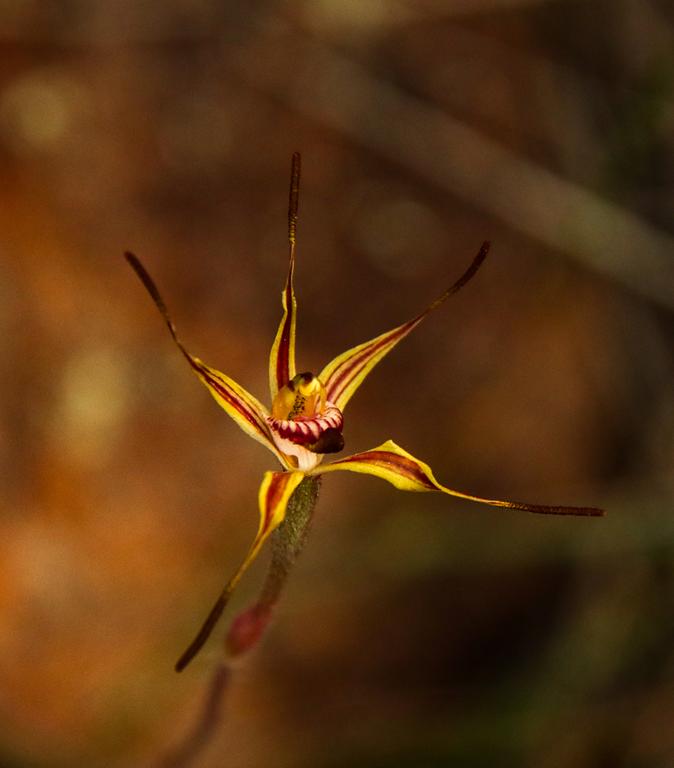
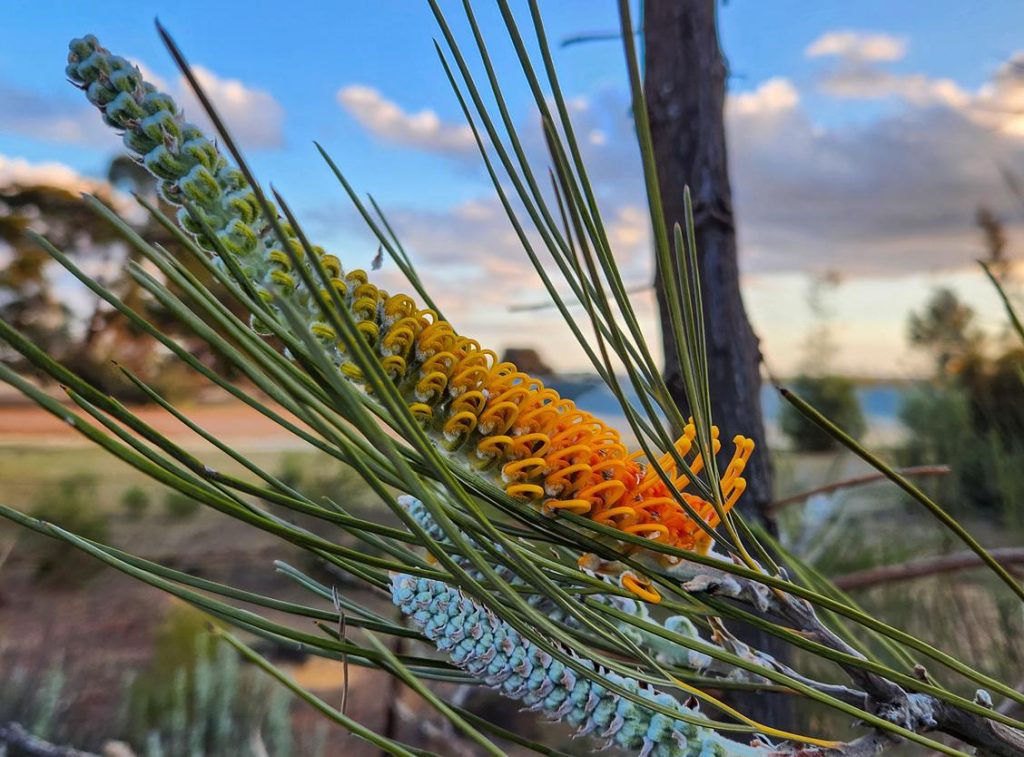
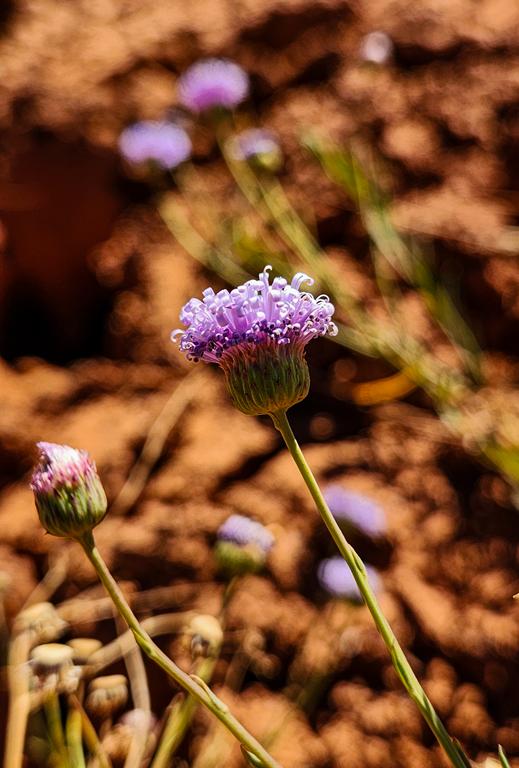
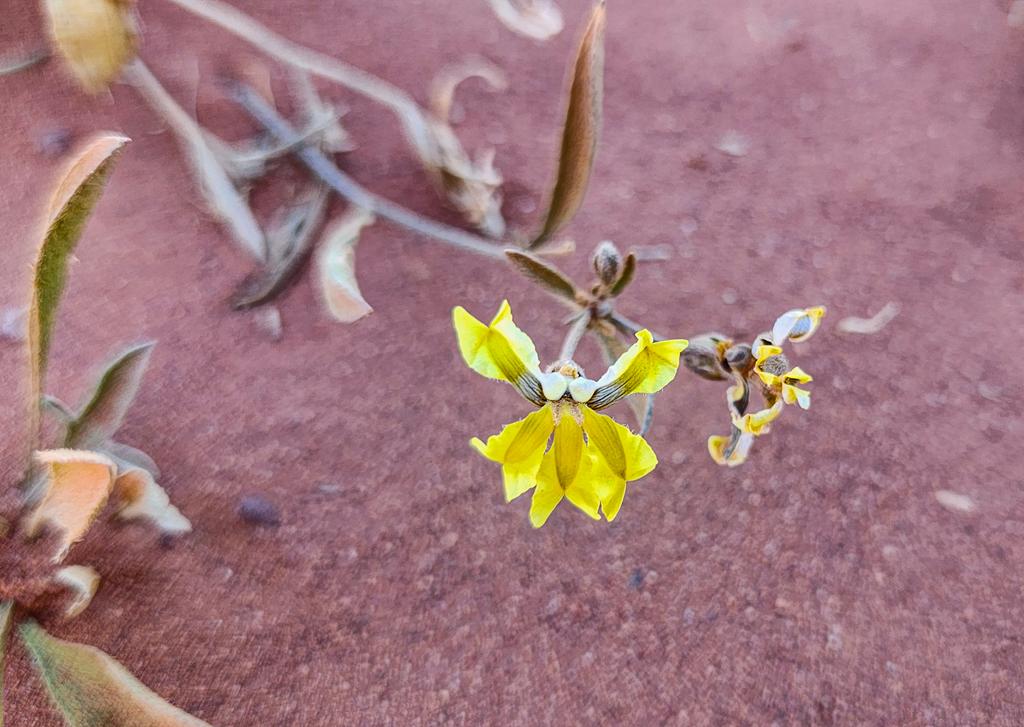
You can see some wildflowers there too.
It is a great outback experience for anyone with a sense of adventure and the right vehicle. We enjoyed the remoteness and quietness of this route.
It is not a free drive
Mereenie Loop Road passes through the Aboriginal land, so the permit to travel is required. We obtained ours for $6.50 at Kings Canyon Resort while paying for the fuel there. There are no facilities at all and no camping is allowed along this route.
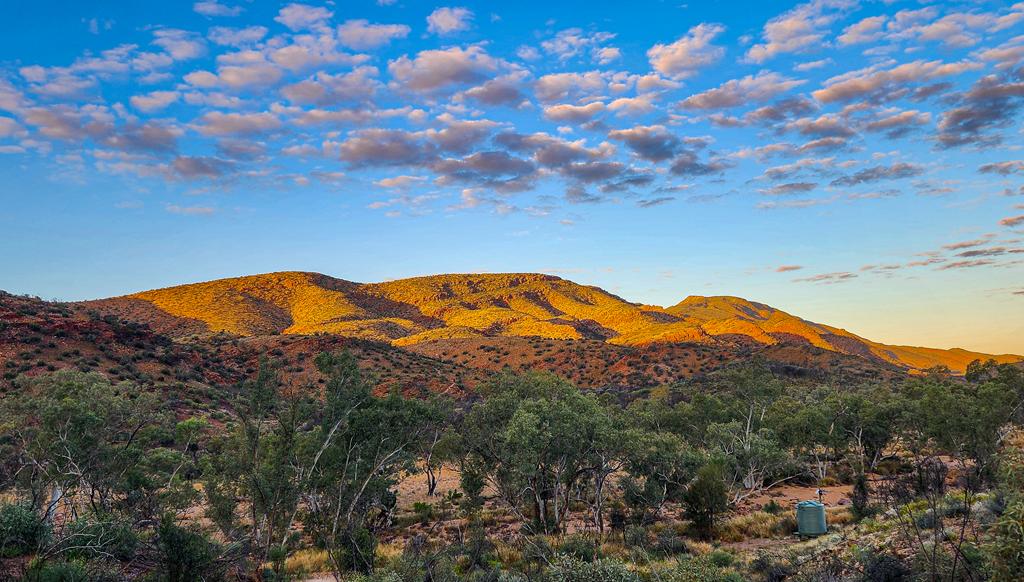
Ginty’s Lookout – the only camping place on Mereenie Loop
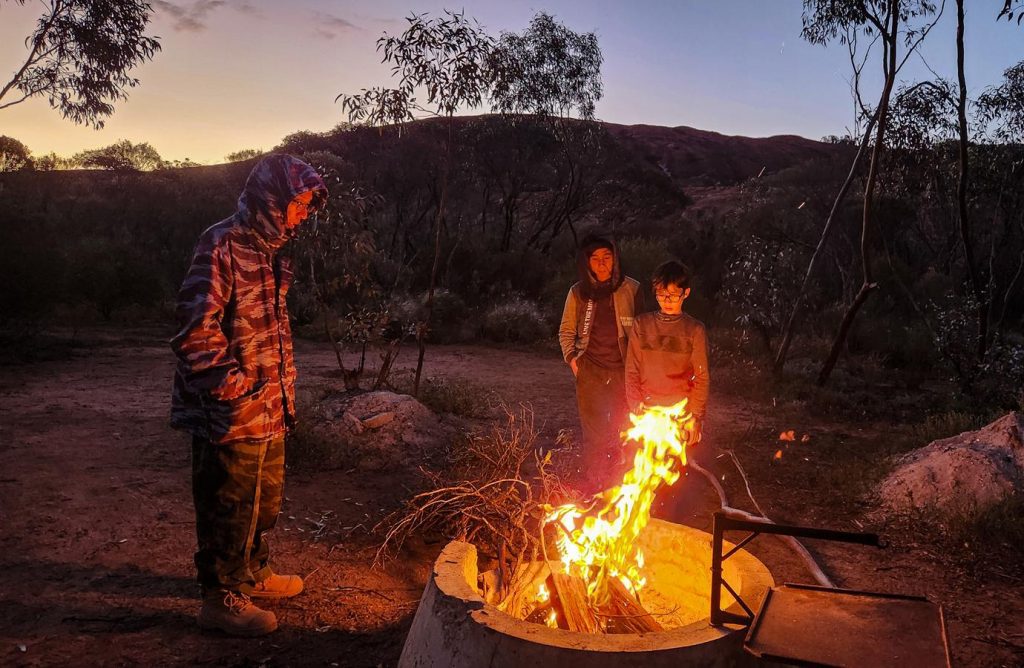
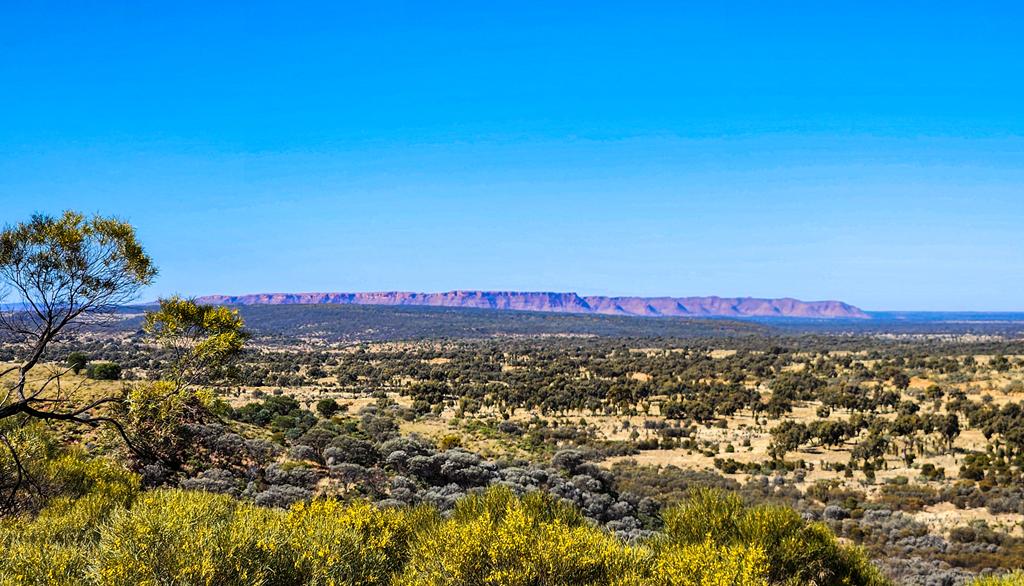
Located roughly 40km north of Kings Canyon is Ginty’s Lookout. It is a beautiful place to stop when starting your journey on the Mereenie Loop in the Red Centre, NT. From the lookout you can see the canyon and the diverse landscape. This is 24-hour rest stop with fire pits but no other facilities. This is the only place where you can camp while travelling on the Mereenie Loop. It would be a great place to watch the sun go down but our time at Ginty’s Lookout was short so we just admired the views for a while before hitting the road.
Kings Canyon is an iconic landmark of the Red Centre in the Northern Territory. It is located 300km north from Uluru or 360km west from Alice Springs via Mereenie Loop. It is part of Watarrka National Park.
Kings Canyon Rim Walk
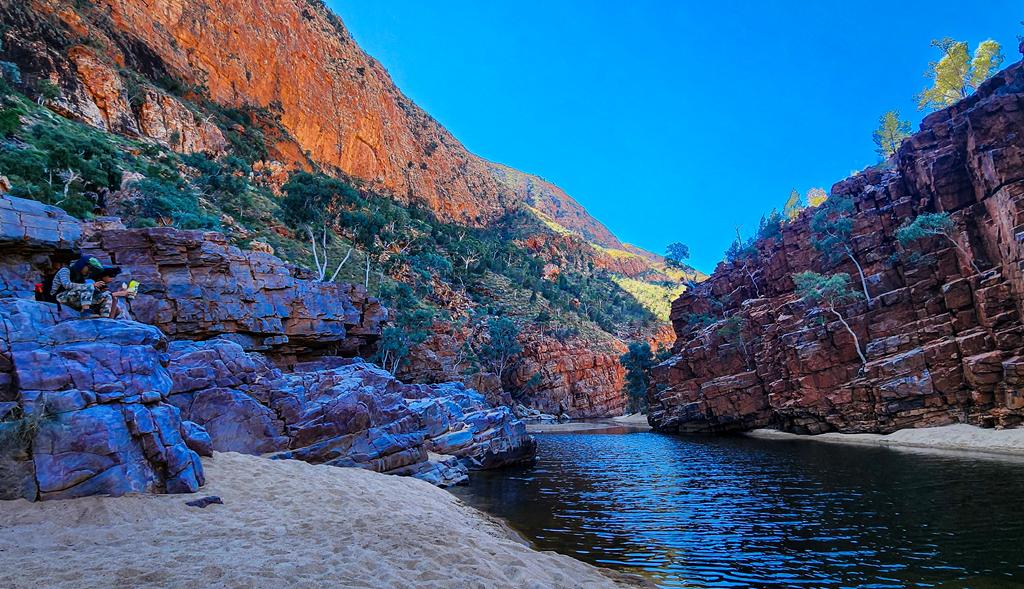
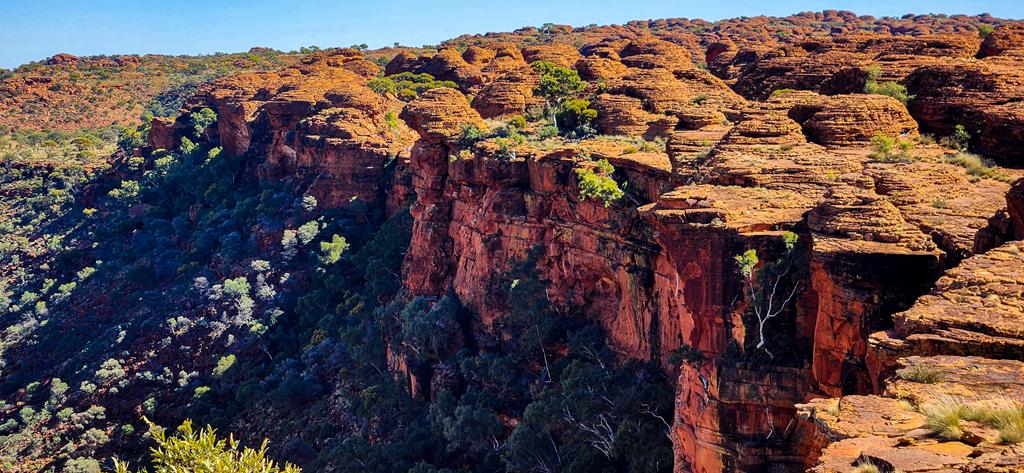
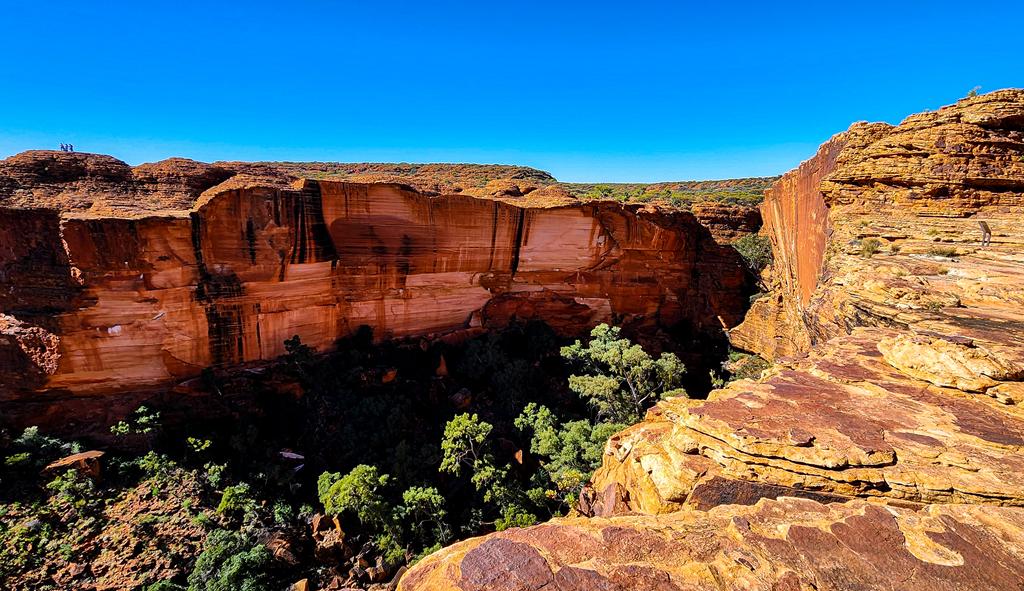
The best way to appreciate the unique beauty of the canyon is to take Kings Canyon Rim Walk, 6km loop walk. It takes about 4 hours to complete. The walk starts with a steep climb to the top of the canyon but it gets easier as you reach the plateau. We found the most impressive part of the canyon was the ancient red wall soaring 100 meters above the Kings Creek to an amazing landscape of bee hive-shaped rocky domes.
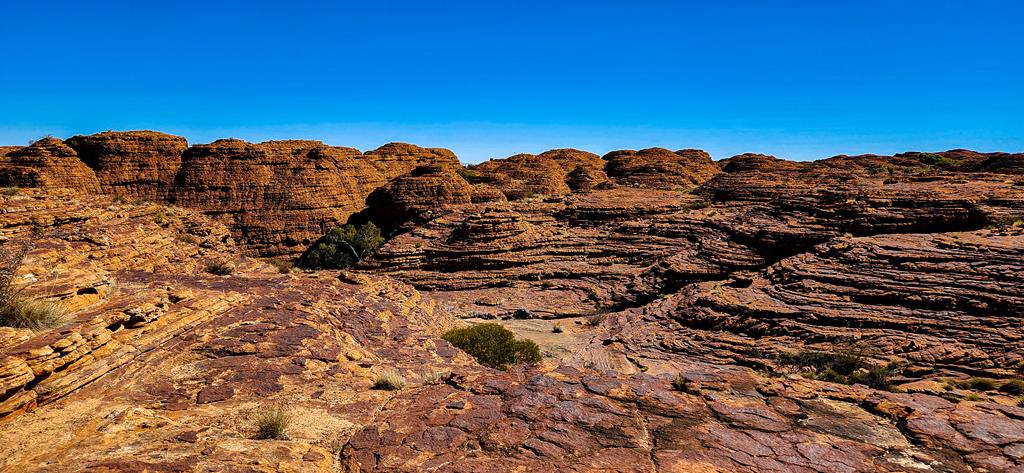
The bee hive domes were quite spectacular.
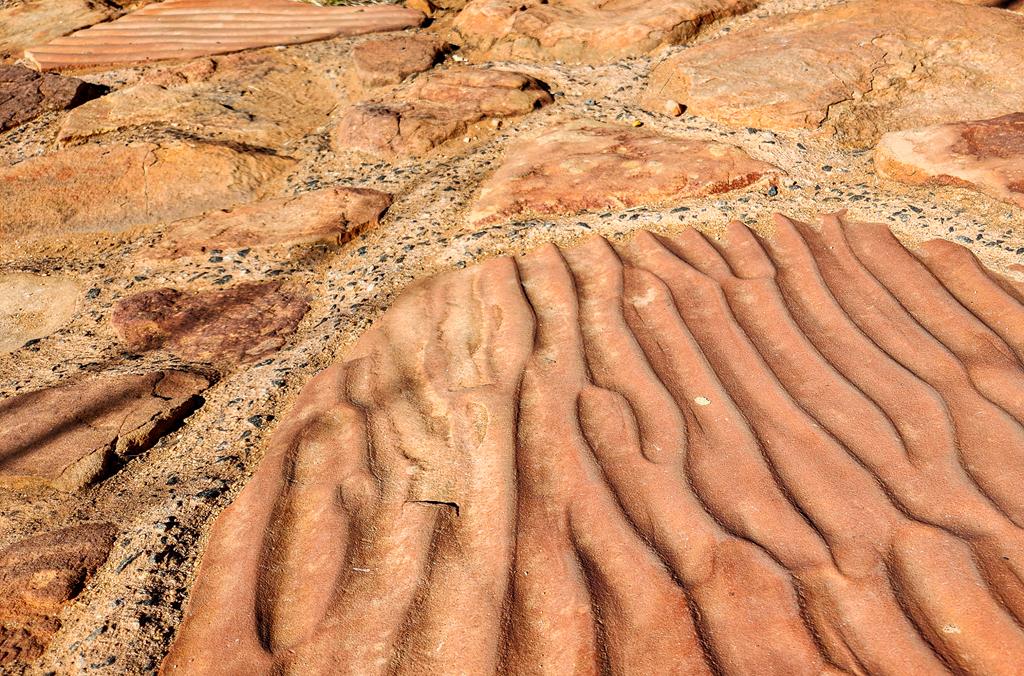
These ripples are the evidence that millions of years ago there were shallow lakes there.
Emergency supplies at Watarrka National Park
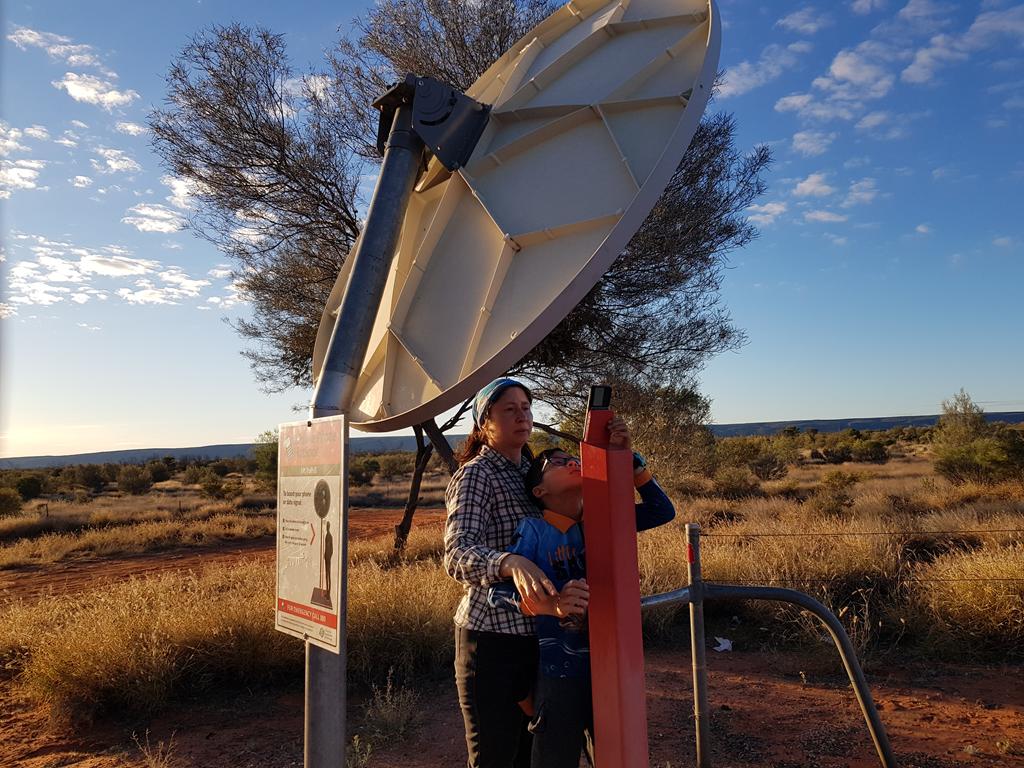
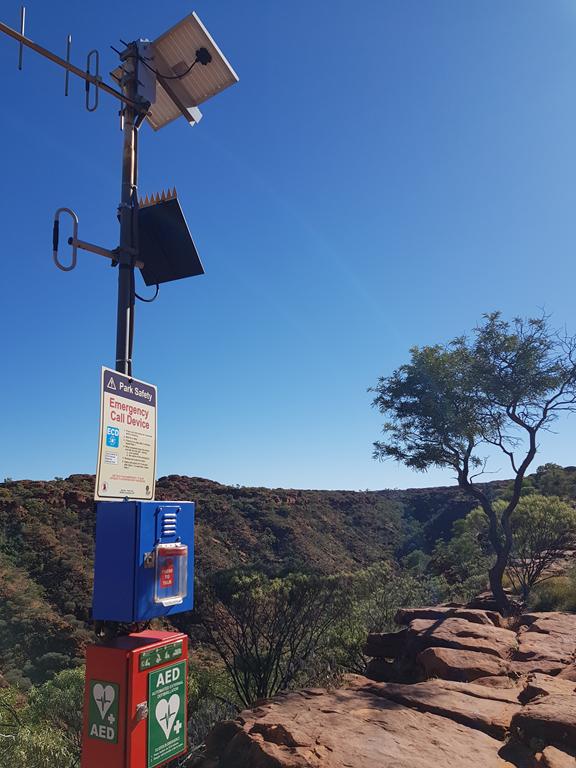
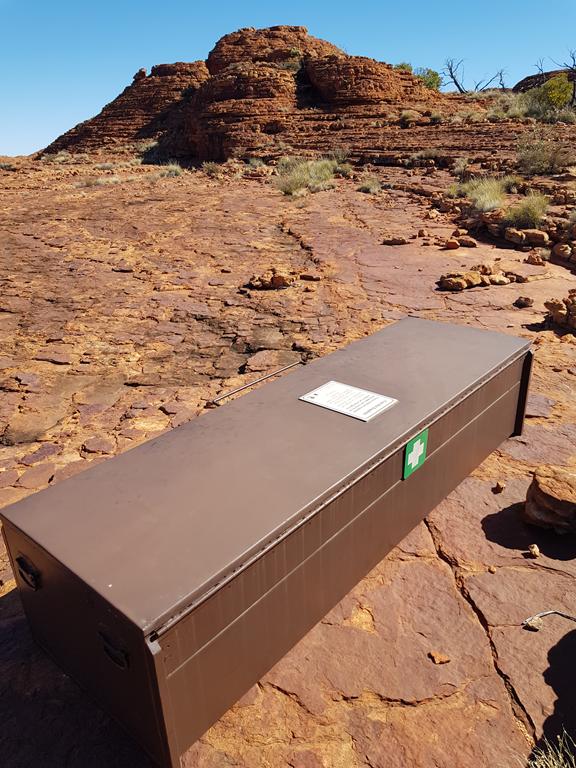
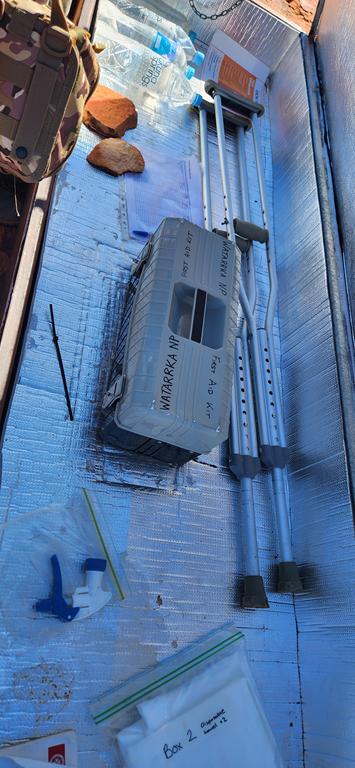
What surprised us at Watarrka National Park (Kings Canyon) were a number of first aid points together with emergency satellite phones along the Kings Canyon Rim Walk. We actually had to use one of them when our older son got sick after filling in his water bottle with water provided at the park entry and drinking it. So we opened one of the boxes and took a bottle of water, after filling in the papers (discarding his water which didn’t agree with him). It is a great idea to provide these emergency supplies – something we have not seen before.
Unfortunately for us, after we shared our experience on social media, we were accused of “stealing” precious emergency supplies. The post both on Tiktok and Facebook went viral. But there was no glory in that. The vast majority of people who commented criticized us, providing negative comments, some injected with hatred, bulling and racist references. Internet can be very unforgiving, unfortunately.
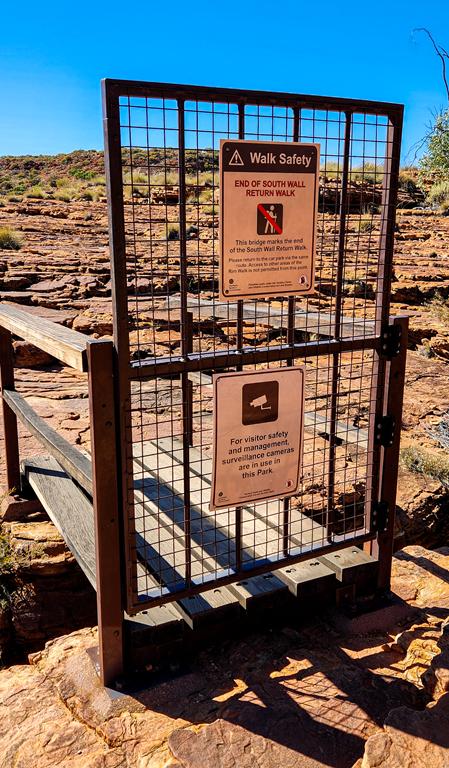
That was another interesting thing we during our hike. A gate that separates two walking trails. Still not quite sure why it is needed there :).
Where to stay close by
You have an option to either stay at Kings Creek Station, which is further away from the canyon but provides a more unique rustic experience. Or you can choose convenience and stay at nearby Kings Canyon Discovery Resort. We chose the former and were quite happy with the choice. It was reasonably priced, provided free wifi, free laundry (now – these two were a really great bonus!) and nice walks along the property.
Uluru is the most iconic and worldwide recognized Australian landmark. This makes Uluru-Kata Tjuta National Park a very popular place all year round. It is literally flooded with international tourists, as well as interstate travelers. We’ve been planning (and postponing) this trip for 5 years. And finally in July 2025 it happened. We travelled to Uluru from Perth via The Great Central Road (which was an interesting experience). Now we can put a tick on our bucket list and forget it about this trip. We certainly did appreciate the beauty of the famous rock. Its rich Aboriginal culture and significance impressed us. However, we were disappointed with many rules and regulations. The commercial aspects of this remarkably beautiful place also let us down.
Photography rules and regulations
Visitors should know that Uluru is a sacred Aboriginal site. Therefore, there are strict restrictions on photography. Some parts of the rock are out of reach, while at others photography is prohibited. You can generally photograph parts of the rock. However, you are not allowed to publicly share the pictures. You must buy a special media permit.
We are not running this blog for profit. Therefore, it was not sustainable for us to buy a permit ($20 per day). This is in addition to the entry fee ($38 per person, valid for 3 days).
Sunrise and sunset over Uluru
Seeing the rock illuminated with light during sunrise is advertised as one of the highlights of any trip to Uluru. Sunset is another popular time to visit the rock So, of course, it was on our list too. We did go to see the sunrise over Uluru at sunrise viewing platform. We had to get up at 5am (in July) to secure the parking. Then we queued at the entrance to the park. Then, we joined the crowds at the viewing platform. There were many people there – bus loads of tourists plus many more arriving by cars.
At 8am, when the sun rose, everyone left. We were the only ones in the car park, having our breakfast. Looking at Uluru, we realized that it appeared so much nicer now. It was more beautiful than at those early hours of the morning. We had to share a spot with crowds of people to get a glimpse of the famous rock then. So, if you want good pictures, get there just after sunrise, when all the tour buses are leaving. You will have a lot of space and much nicer colours of the rock.
Uluru or Ayers Rock?
It is a controversial question. These days, since the times of reconciliation, more and more names of places are changed to Aboriginal names. Ayers Rock became Uluru in 1993 to show respect to the original owners of the land. To be more correct, this place has officially dual name – Uluru/Ayers Rock (sometimes written the other way round). To the new generations and migrants, it is mostly known as Uluru. The older generations prefer to use the name Ayers Rock. They sometimes get too emotional about “incorrect” naming of the rock. We found that out after posting our pictures referring to the rock as Uluru only.
The Great Central Road starts in Laverton, Goldfields, WA and stretches for 1126km. It ends in Yulara, NT, although it changes its name to Tjukaruru Road once you pass the NT border. The Great Central Road is also part of the Outback Way. This is the iconic route that connects the west and the east of Australia through the center.
Road conditions
We found the Great Central Road generally in good condition. It is a mix of some badly corrugated road (relatively small sections), graded gravel road and some sealed sections. The sealed sections are at the beginning, end and also around the roadhouses.
It is all going to change in a few years when the road is going to be fully sealed. We took the opportunity to travel it while it is still unsealed to have this unique outback experience.
3 permits are needed to travel on the Great Central Road, as it passes through several Aboriginal lands. The permits are free and can be obtained online a few days before travel.
Camping on Great Central Road
There are a number of camping spots along the Great Central Road. These include roadhouse campgrounds (paid), as well as free camping.
Giles Breakaway
This is the first camping spot on the Great Central Road after Laverton. Beautiful scenery (probably even better during sunset or sunrise). As the timing was wrong for us, we only stopped for a few minutes before continuing our journey. There were a few people camping and some resting, so the place looked pretty busy. There are no facilities but the place has some shade. Giles Breakaway is 55km east of Laverton.
1 night camping (7 July 2025)
For our first night on the Great Central Road we camped at the parking bay between Laverton and Tjukayirla Roadhouse. Despite being close to the road, it was actually a very quiet place. Not a single vehicle passed by during the night. The quietness and stillness of the Great Victoria Desert land was very pleasing and soothing to the soul. It is something that we still miss after returning back home from the trip.
There were no facilities at our rest stop and we were quite happy to be self-sufficient. After cooking our meal, we retired to bed early. It was a cold day and we slept like sardines in a tin just to keep ourselves warm.
The next day greeted us with a temperature of 0 degrees. Hot tea and breakfast together with a few jumps and other warming up exercises helped to beat the cold.
The place where camped for the night looked very serene, lit by the early morning sun. Here is a short video of it onTiktokor Youtube. But soon it was time for us to move on.
Camp Paradise
Camp Paradise is another camping spot on the Great Central Road. It is an open space and looks like a shallow crater. We didn’t camp there but stopped for lunch. Camp Paradise is 155km west of Warburton in WA.
Yarla Kutjara
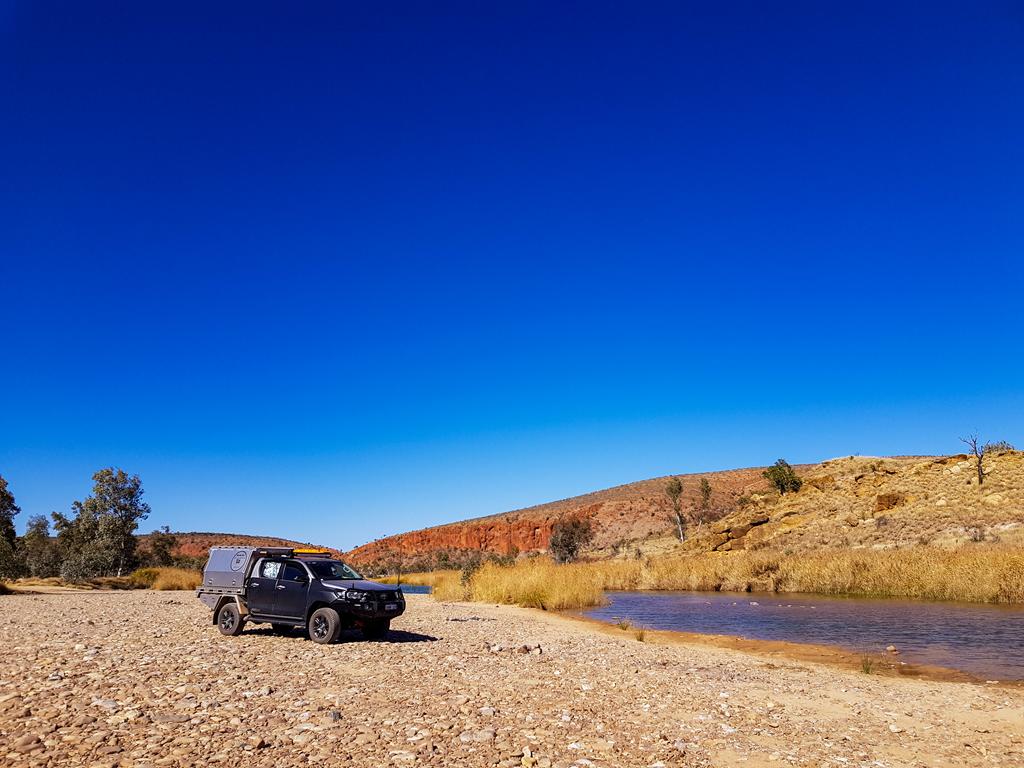
Yarla Kutjara campground is one of the few (or perhaps, the only one) free campgrounds on the Great Central Road with a toilet. The place was chosen and set up by Ngaanyatjarra people. They built a toilet and shelter and painted the stories on them. It makes this campground quite special.
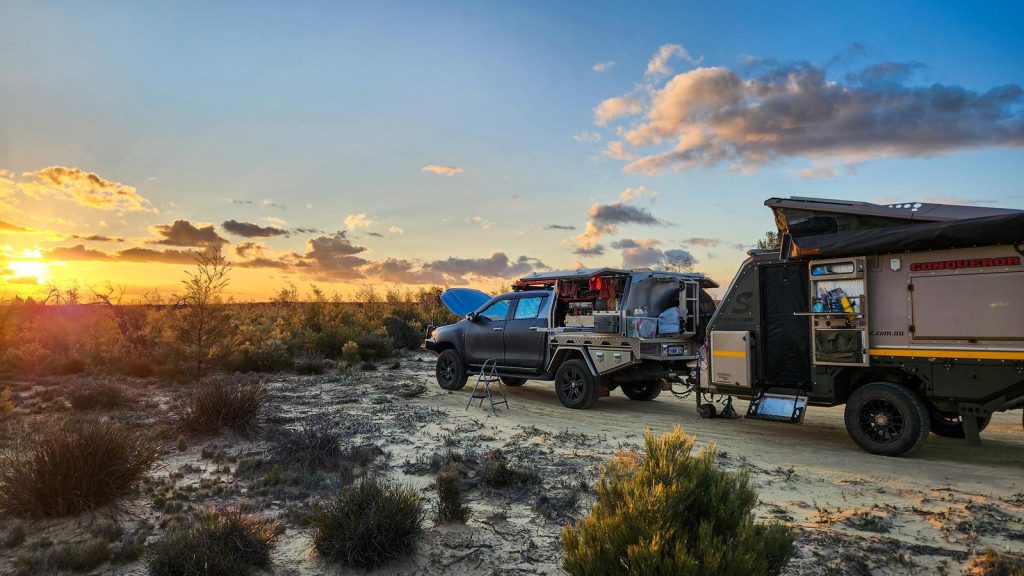
We camped there during our second night on the Great Central Road. We enjoyed beautiful sunset, the scenery and the serenity of the place.
Yarla Kutjara is between Warburton and Warakurna in WA.
Attractions and things you can see along the way
Scenery
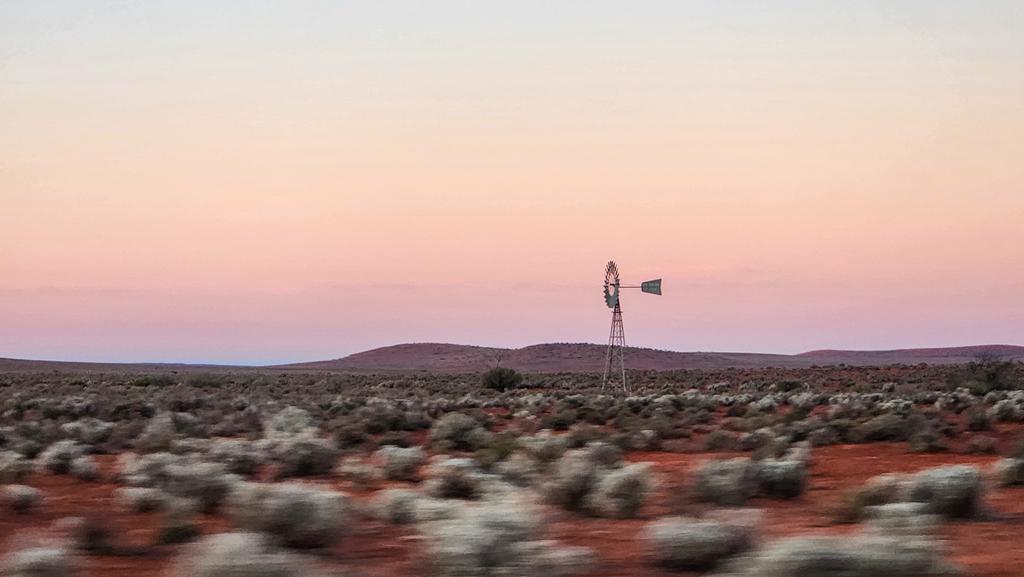
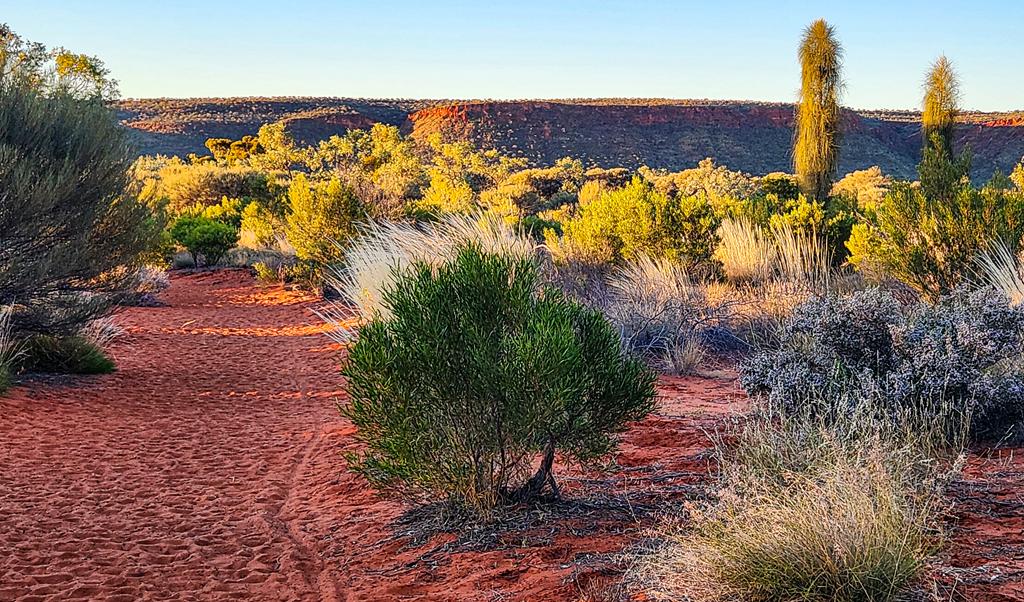
The best thing about the Great Central Road was the scenery and serenity of the desert outback. The contrast between the sky with some strips of clouds against the red desert covered by spinifex grass and occasional trees is amazing. It is also very quiet in the outback. If you stop, go outside and just listen, you will hear the silence that is so deep and full. It is complete in itself without any sounds. It is calming and disarming. It is healing and soothing. This silence and the unique scenery are what we still miss after travelling on the Great Central Road.
One of the things that surprised us while travelling on the Great Central Road was the number of abandoned wrecked cars. We were taken aback by how many there were. They are mostly in WA and hardly in NT. At first we counted them but lost track counting. We estimated that we saw at least 150-200 wrecked cars.
They look like they have been there for ages. By now, they actually became part of the landscape and an object for photography. It was also agreat entertainment for our boys (another short video – Tiktok or Youtube).
Wildlife and wildflowers
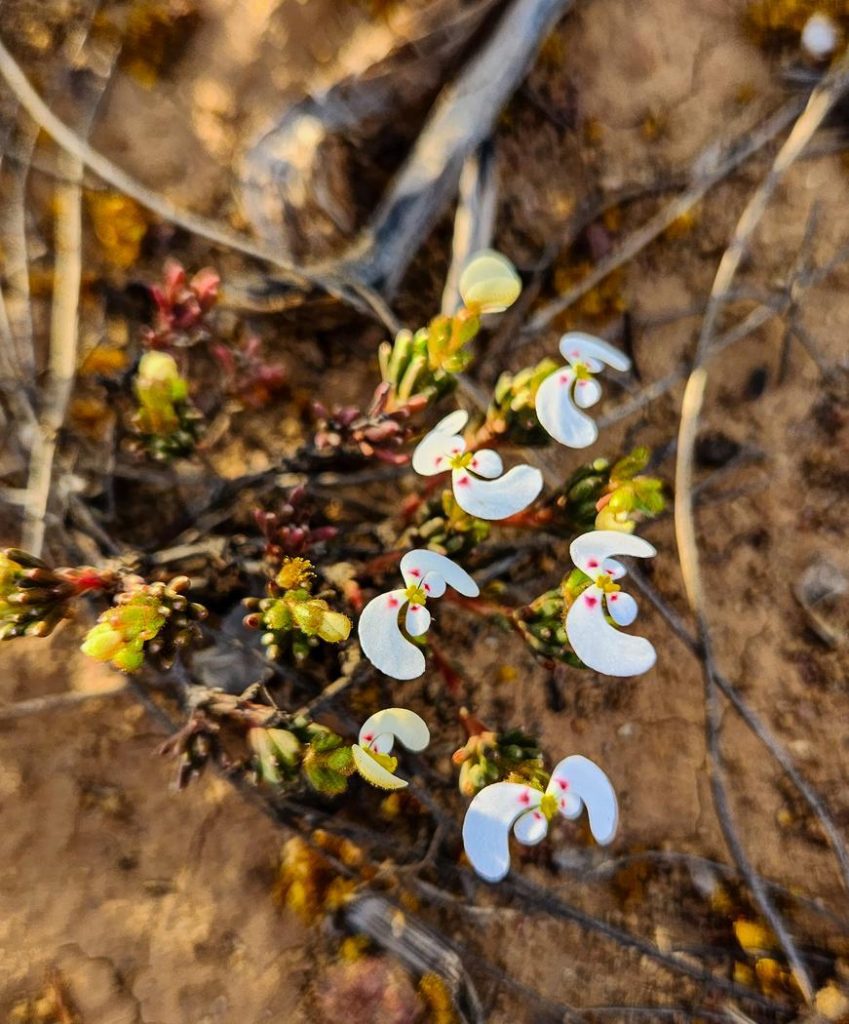
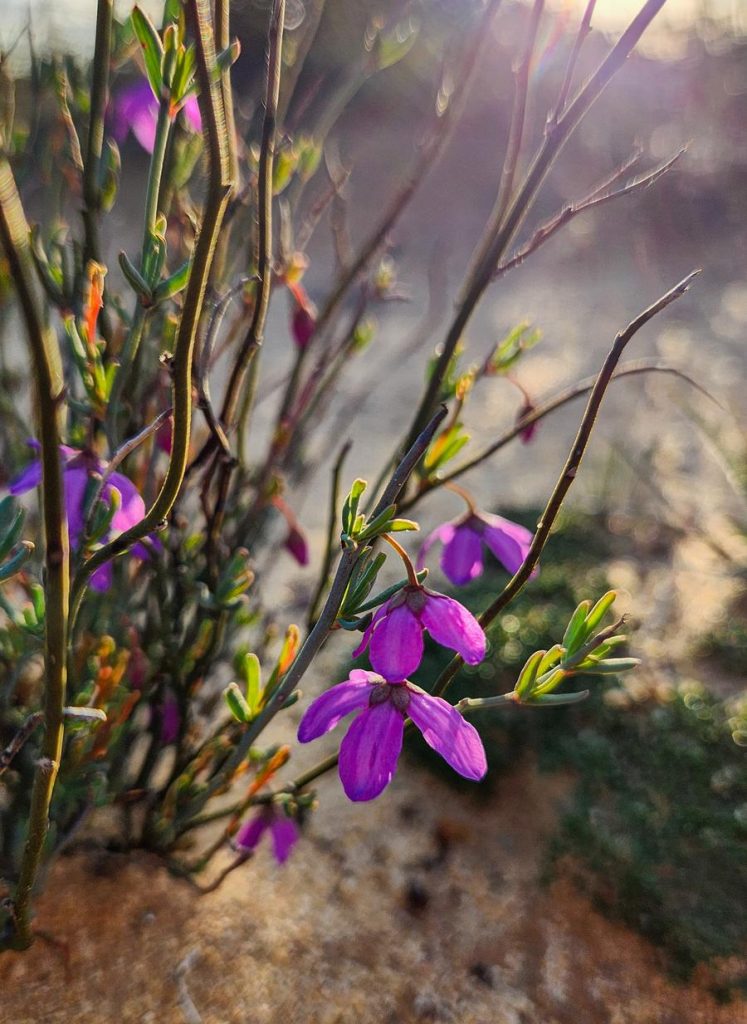
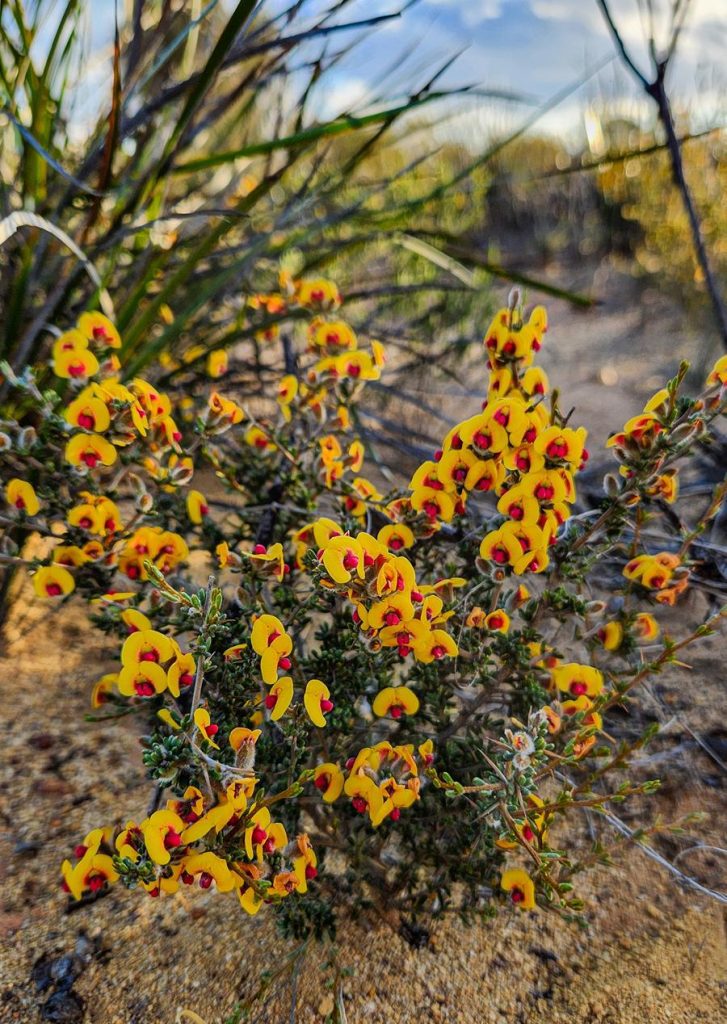
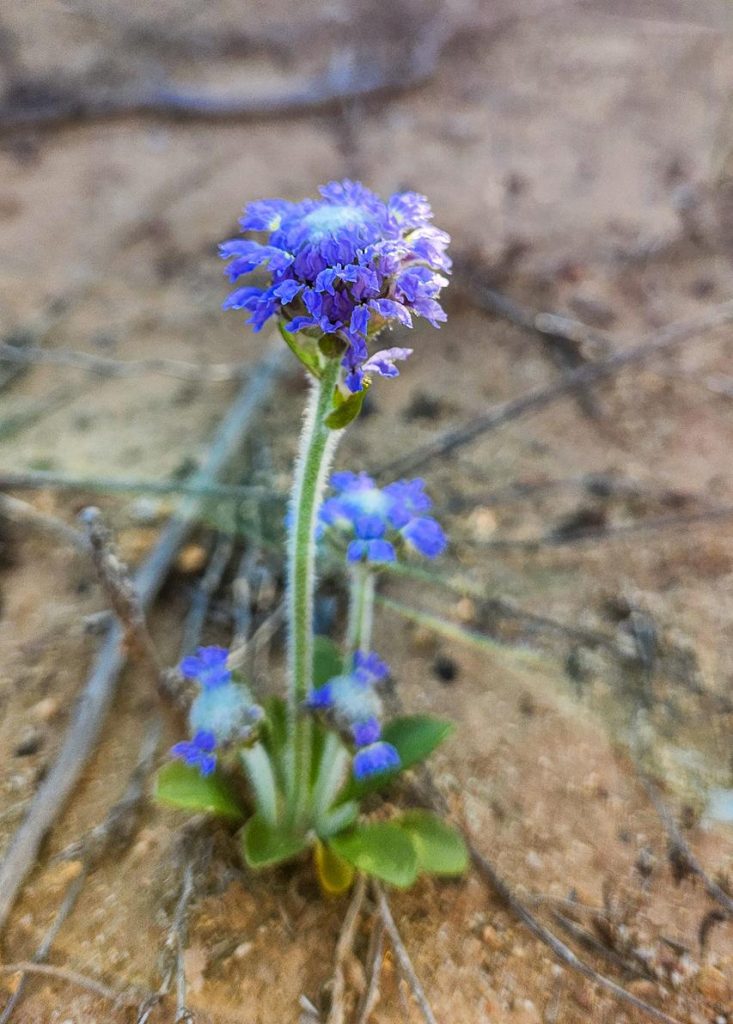
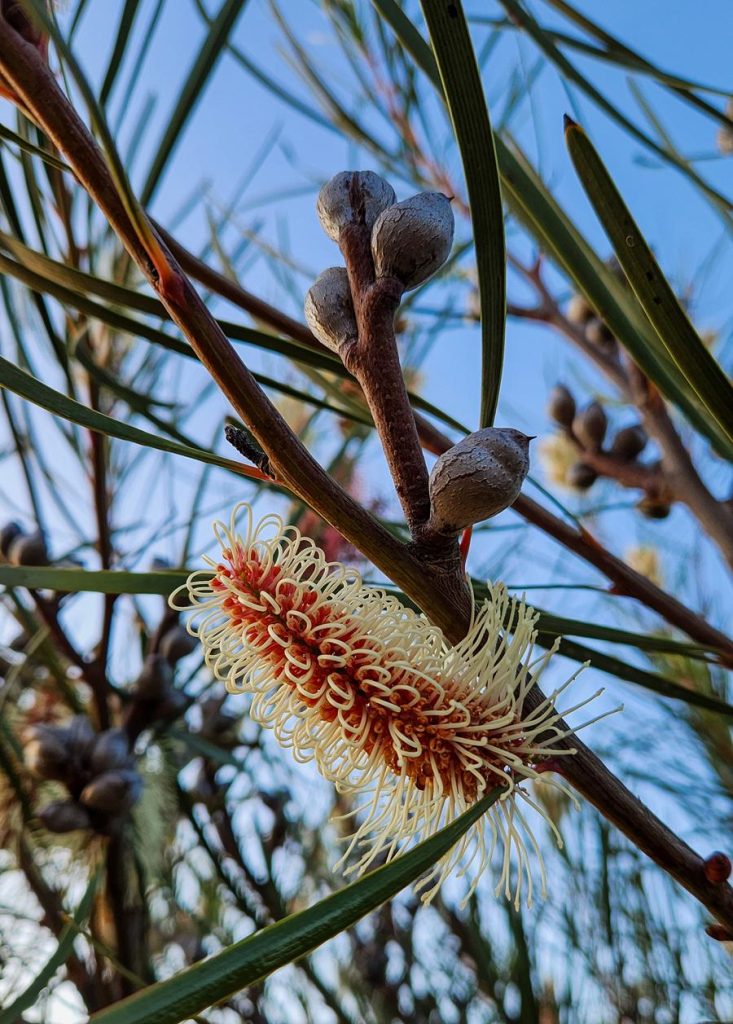
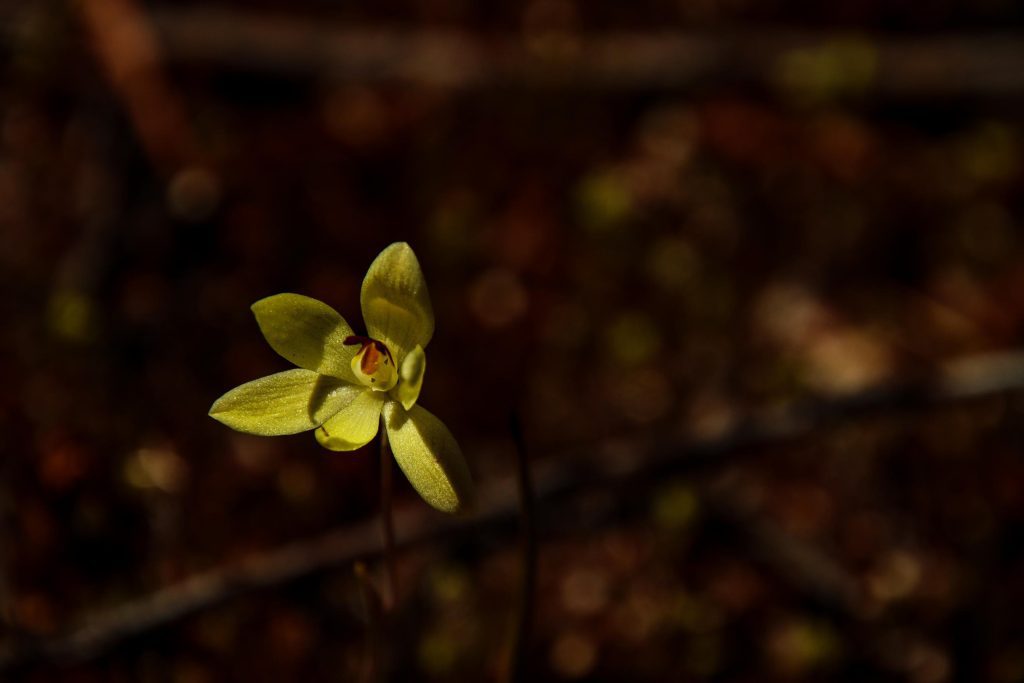
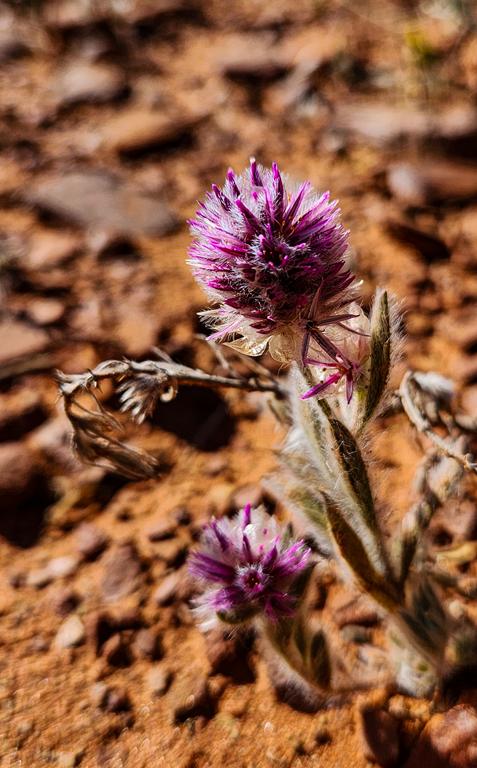
Even though the desert is quiet, it is not dull. It is alive. Dusted but there are still wildflowers blooming there.
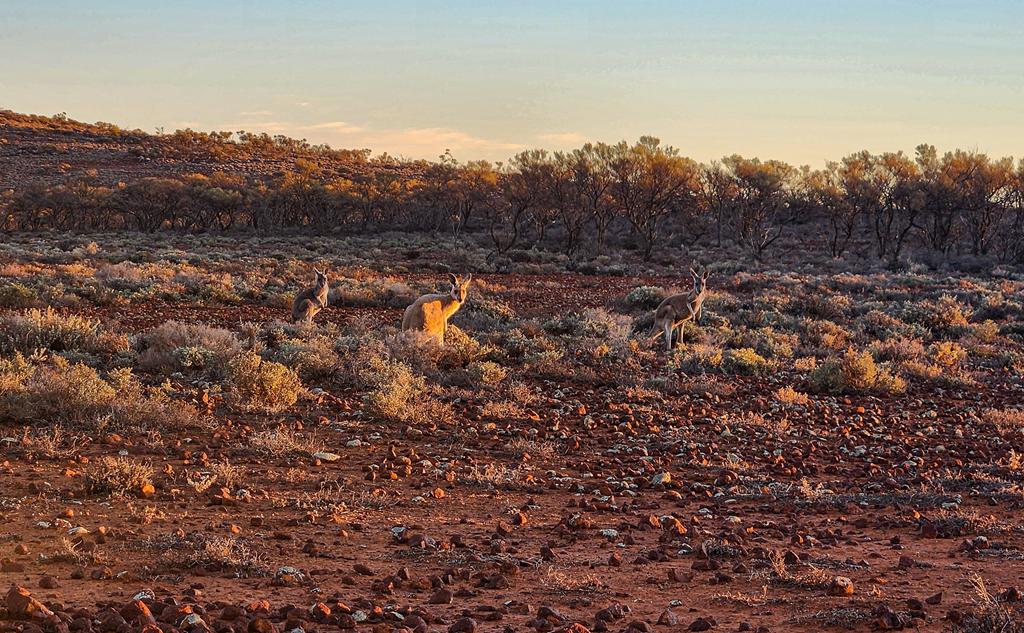
If you are lucky, you will see some wildlife. We saw camels, which are quite common there.
Lasseter’s Cave
Lasseter’s Cave is a historic site on the Great Central Road. It is just a short detour off the main road and then a short walk from the car park. There is an information board and a small cave depicting a story of Lasseter. History says that Lasseter took shelter in the cave for 25 days after trying to find gold deposit that he claimed he discovered earlier. The story is a tribute to many early explorers who took great risks and many lost their lives in search of a better future.
Lasseter’s Cave is 40km east of Docker River, shortly after you pass the WA-NT border. It is in Northern Territory.
Final thoughts
Did we enjoy the trip? We surely did. So much that we are willing to travel this remote outback road again to enjoy the solitude and outback scenery. But only when and while the road remains unsealed. This is the true outback experience.
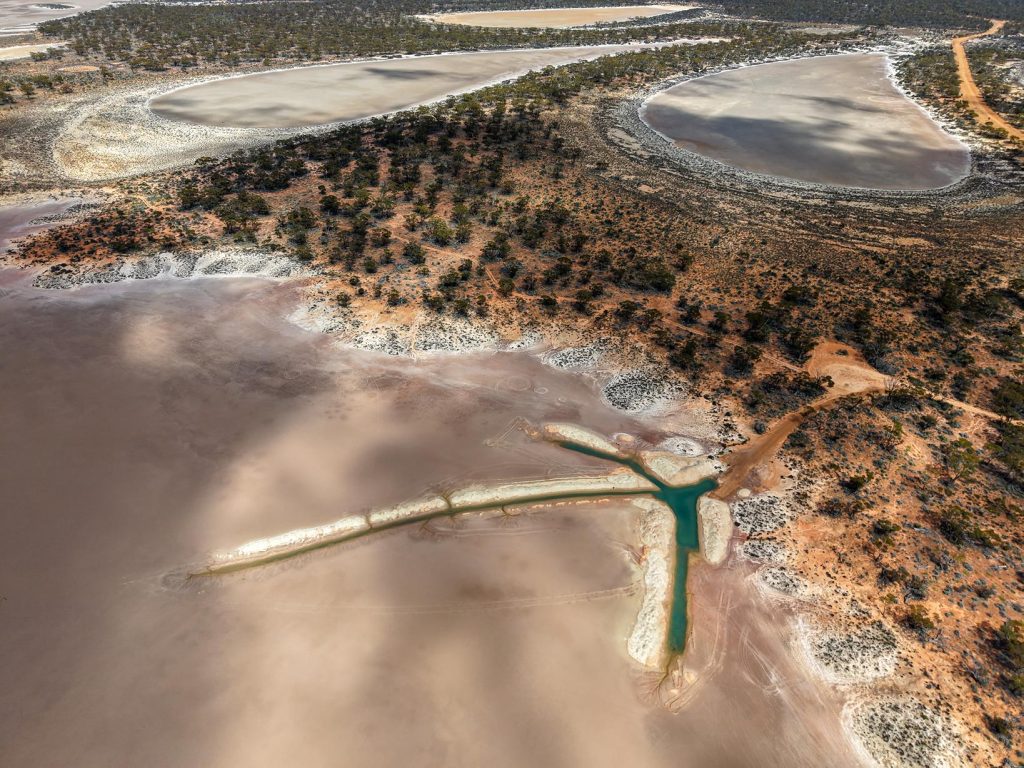
Rowles Lagoon is a semi permanent freshwater wetland in the Goldfields region. In the area where most wetlands are saline, a freshwater lake plays an important role for wildlife. It is home to 41 species of waterbirds, including rare Freckled duck. We were not so lucky to see it. In fact, even though there were plenty of waterbirds, all of them appeared to be Australian shelducks – male, female and ducklings. They were quite shy and I had to take pictures of them from a distance.
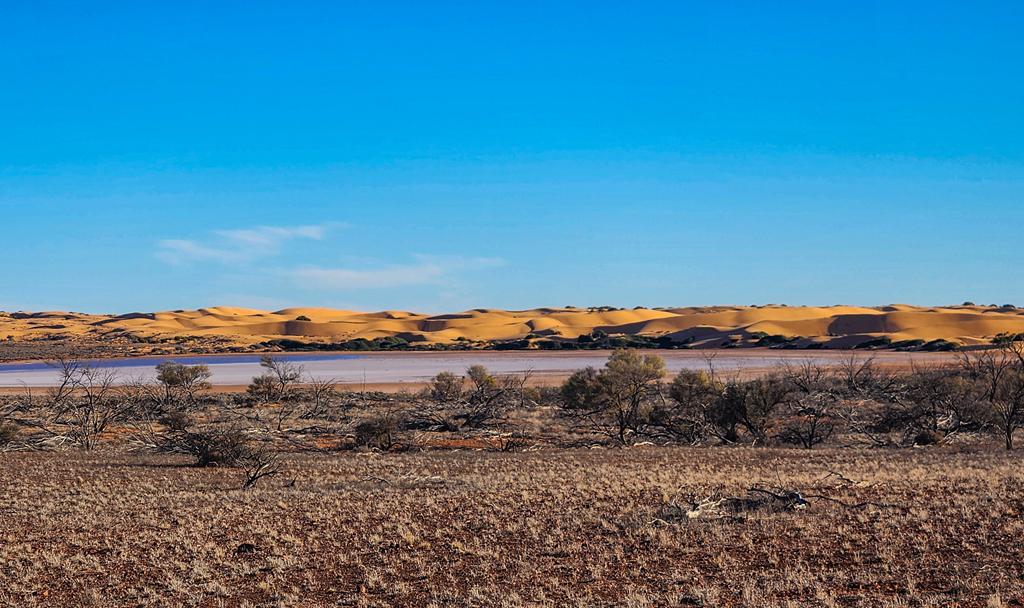
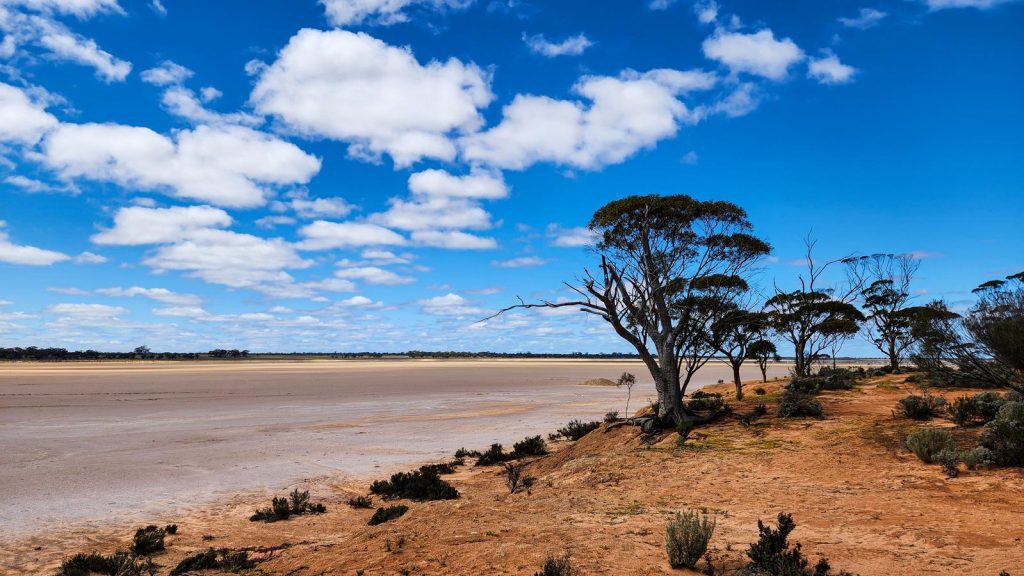
The lake can appear different depending on the weather and season. When we visited Rowles Lagoon, it looked pink with quite a lot of water in it. It was lovely to see it filled with water, as at times it can be dry.
Camping at Rowles Lagoon
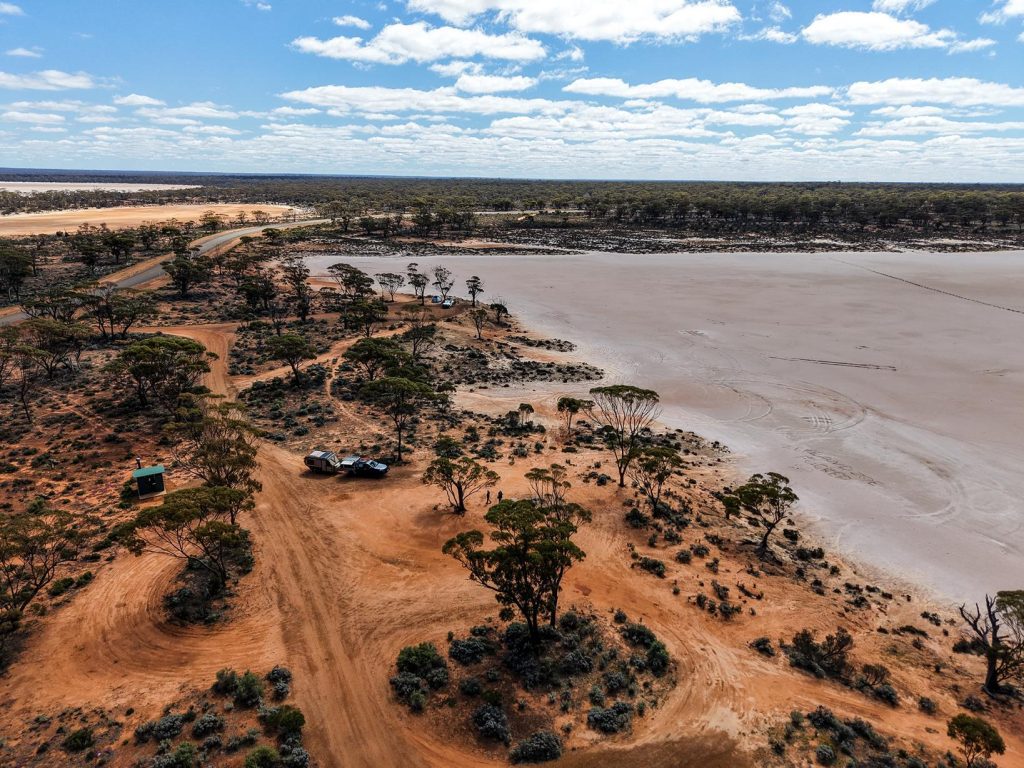
There is a picnic, as well as a free campground near the lake. Swimming and water-based recreational activities can be enjoyed there when there is enough water. Facilities include toilet and picnic tables. There are no camping fees and campfires are allowed in season. We did not stay there but merely stopped to have a look on our way to Lake Ballard.
How to get there
Rowles Lagoon is 70km north of Coolgardie via Coolgardie-North unsealed Road. It is one of the designated stops along the Golden Quest Discovery Trail.
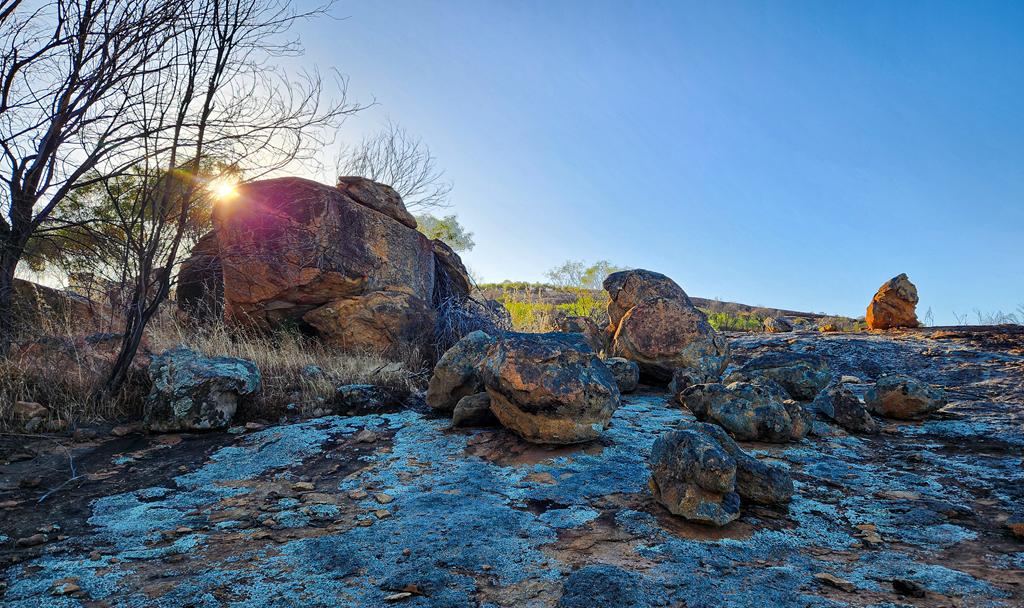
Karalee Rock is a natural attraction in the Goldfields region. It is part of the Golden Pipe Heritage Trail. This is the route of the historic water pipeline from Perth to Kalgoorlie. The place is known for the historic Karalee Reservoir, which was an important water supply for steam trains. The dam and the well were constructed in the 19th century at the base of the rock to catch the water during storms and heavy rain.
Free camping at Karalee Rock
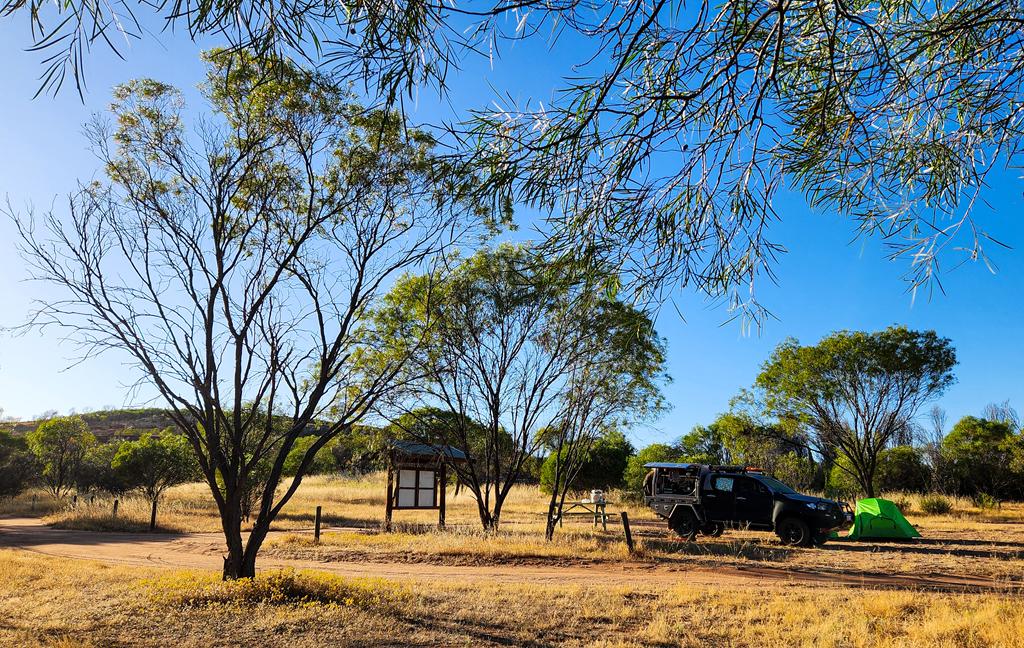
Nowadays, Karalee Rock is a popular picnic spot and a free camping area. There are plenty of shaded spaces, with picnic tables and fire rings. The toilet is there, but unfortunately, no longer working.
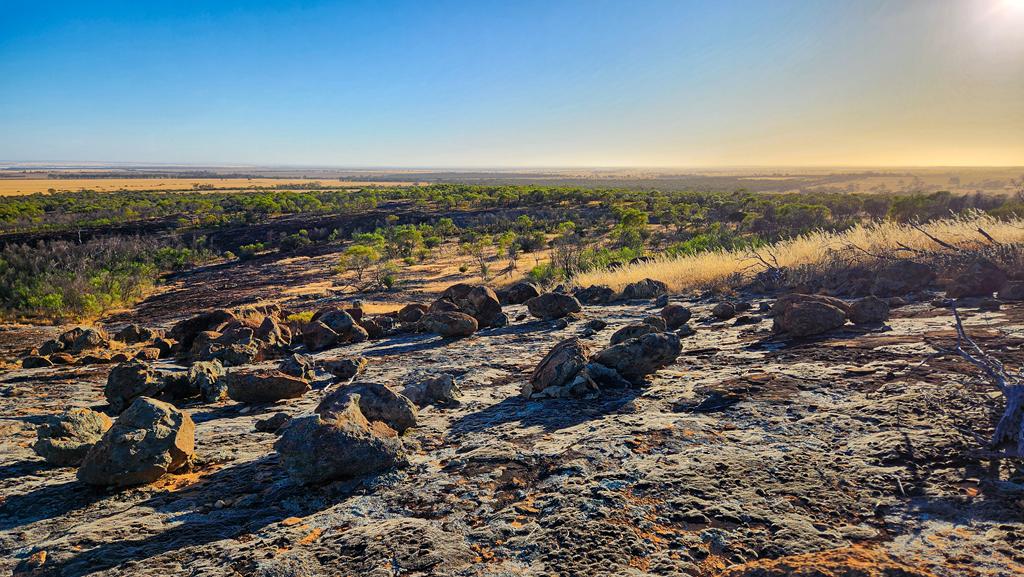
You can walk around the dam and over the rock. The places are very picturesque, especially during sunset and sunrise when the nature really shines.
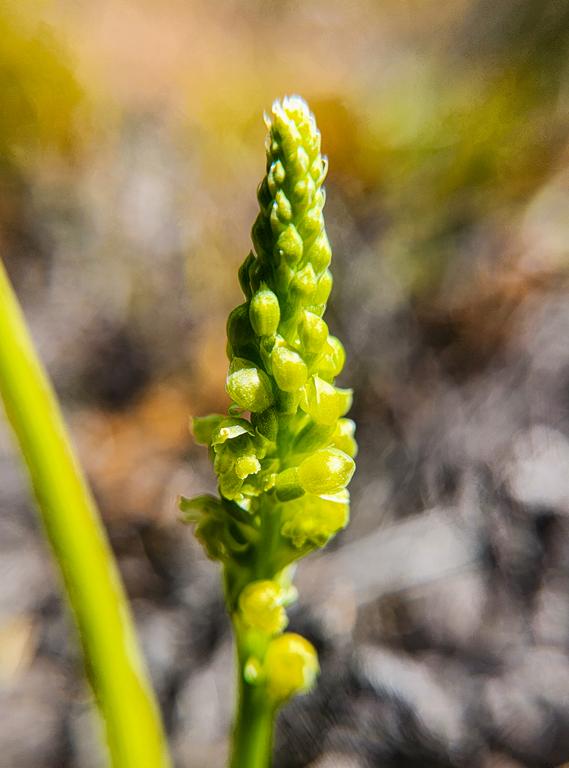
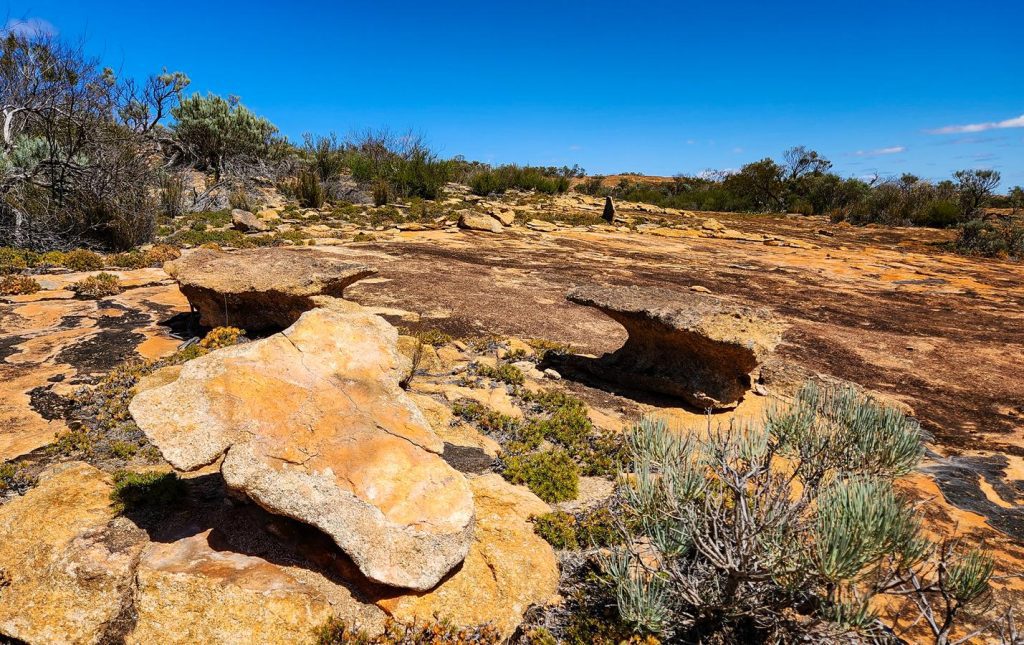
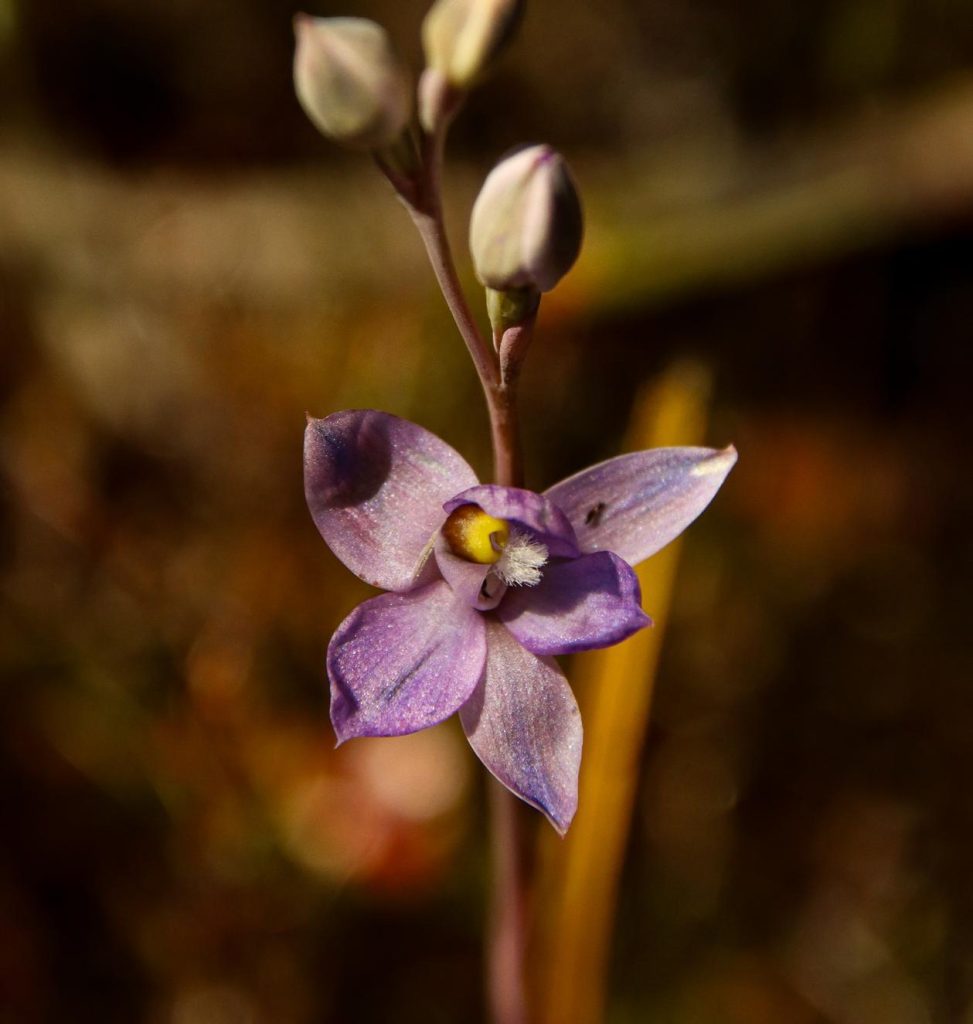
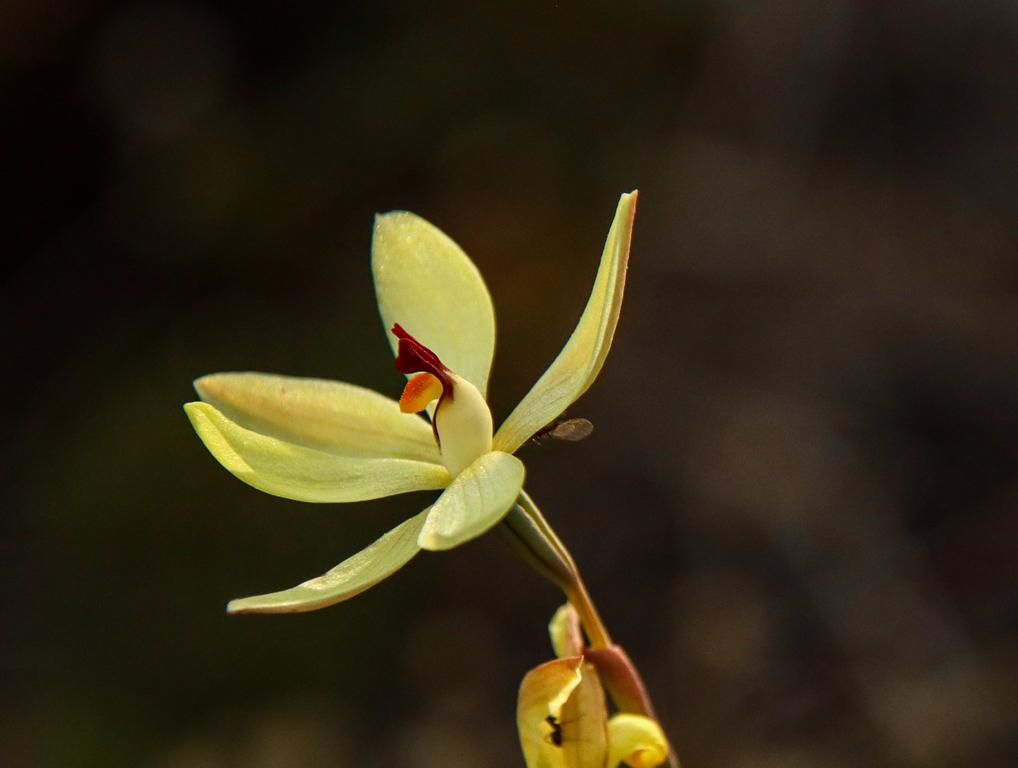
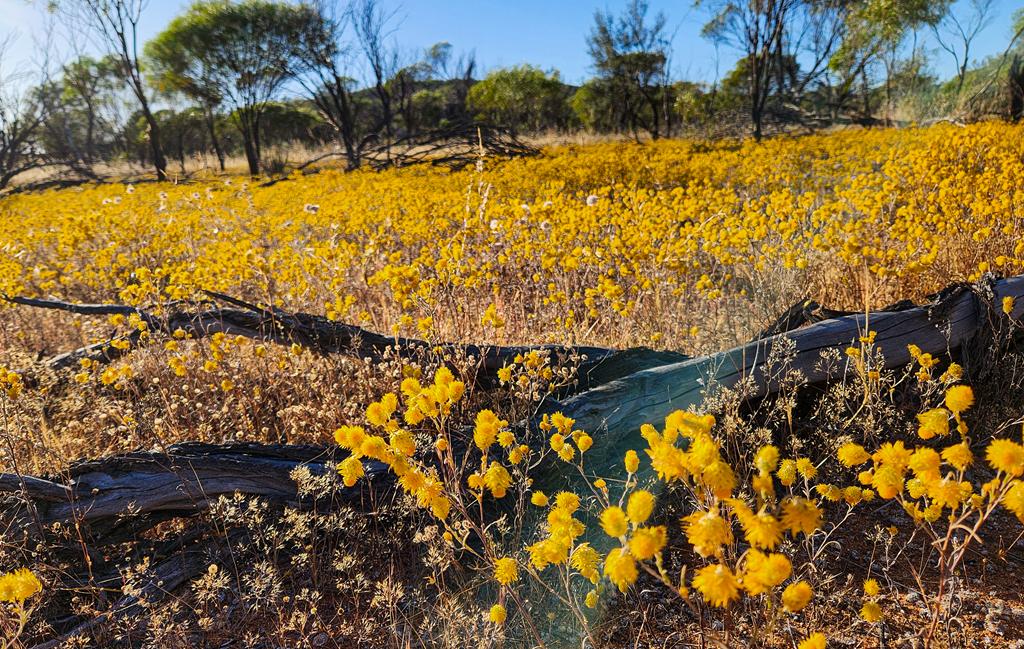
It is also a place to view beautiful wildflowers. We camped at Karalee Rock on our way to Central Australia in July 2025. There were not many wildflowers but I was happy to find these cute Pterostylis setulosa Hairy-stemmed Snail orchids.
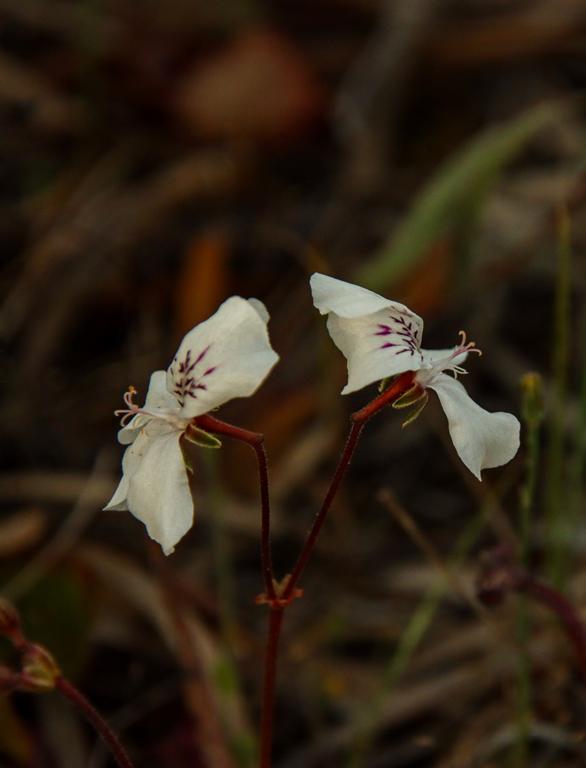
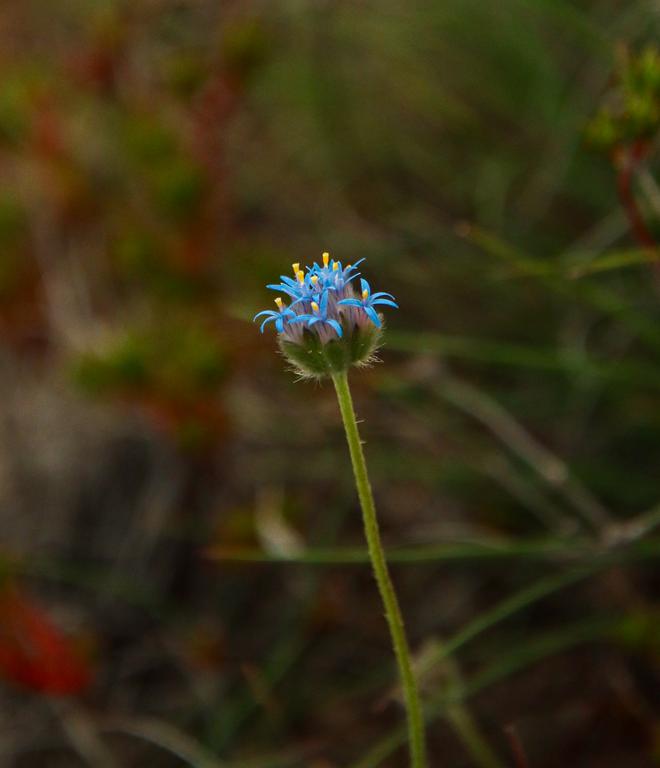
Other wildflowers I spotted were numerous drosera plants and Wurmbea tenella Eight Nancy.
(Wurmbea tenella Eight Nancy)
A team effort of drosera flowers to catch a meal :).
How to get there
Karalee Rock is located between Southern Cross and Coolgardie. It is 4km off the Great Eastern Hwy via dirt road.
Toapin Weir is a great picnic and free camping spot near the dam in the Central Wheatbelt. It is located 8km north of Quairading and is easily accessible. Built in 1912, Toapin Weir is the largest privately constructed water storage scheme in WA. It is still used to supply water to Quairading and surrounding area. It is also a popular recreational site.
Picnic and camping at Toapin Weir
The picnic area near the dam has a few picnic tables, shelters, flushing toilet, drinking water, electric bbqs, rubbish bins and fire pits. There is also a larger camping area, suitable for big rigs and large caravans a short walking distance from the dam.
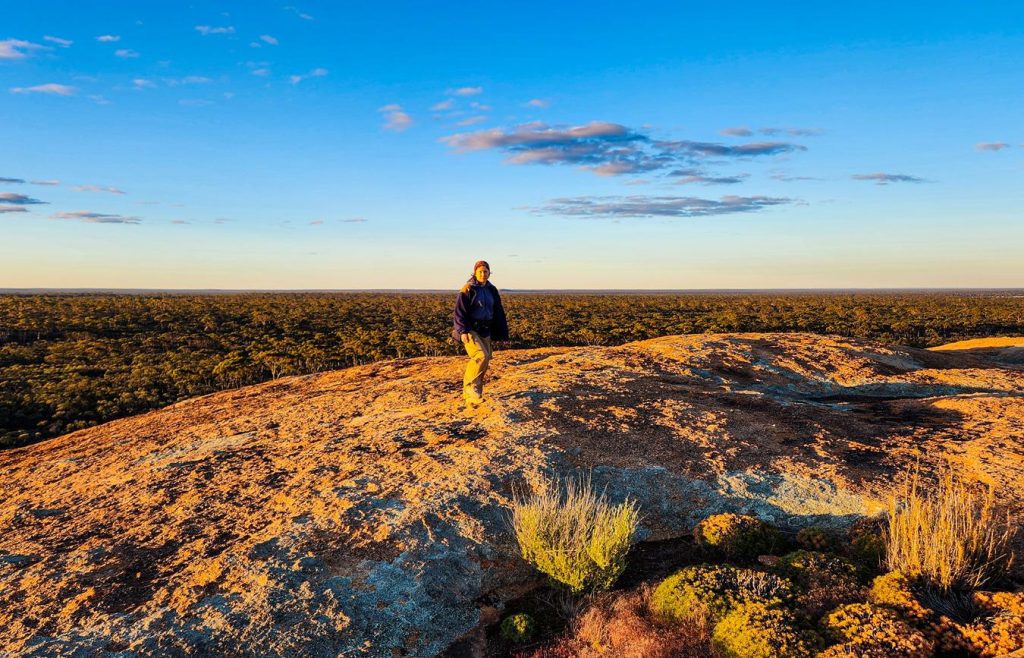
Interpretive signs, benches, and small stairs make the dam even more accessible and attractive for easy exploration. You can climb onto the granite rock, where the dam is. Or you can take a circular walking trail around the weir. A few different varieties of wildflowers can be found in spring, including some orchids.
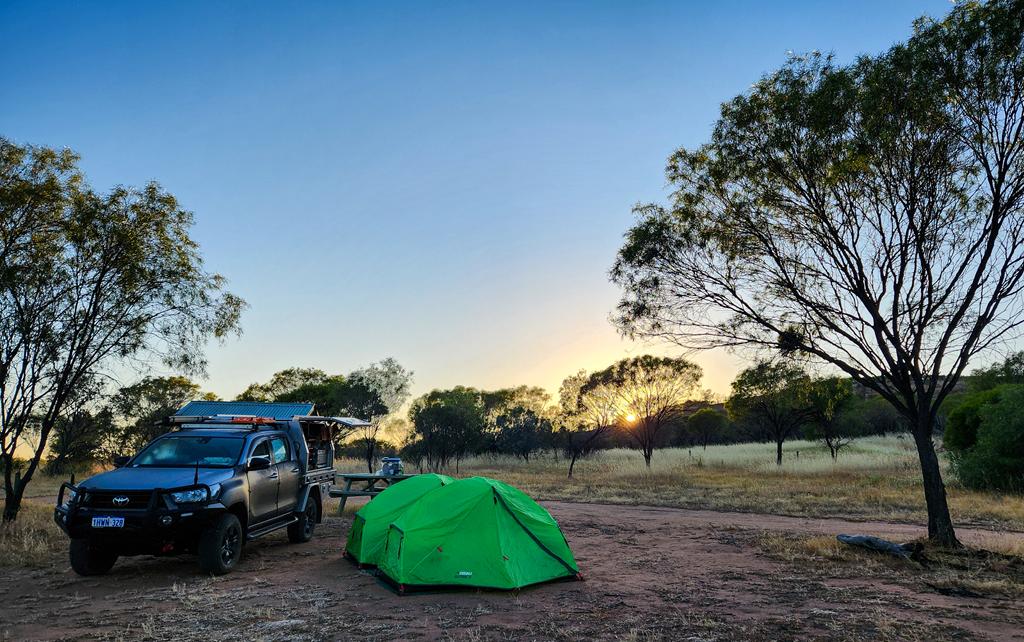
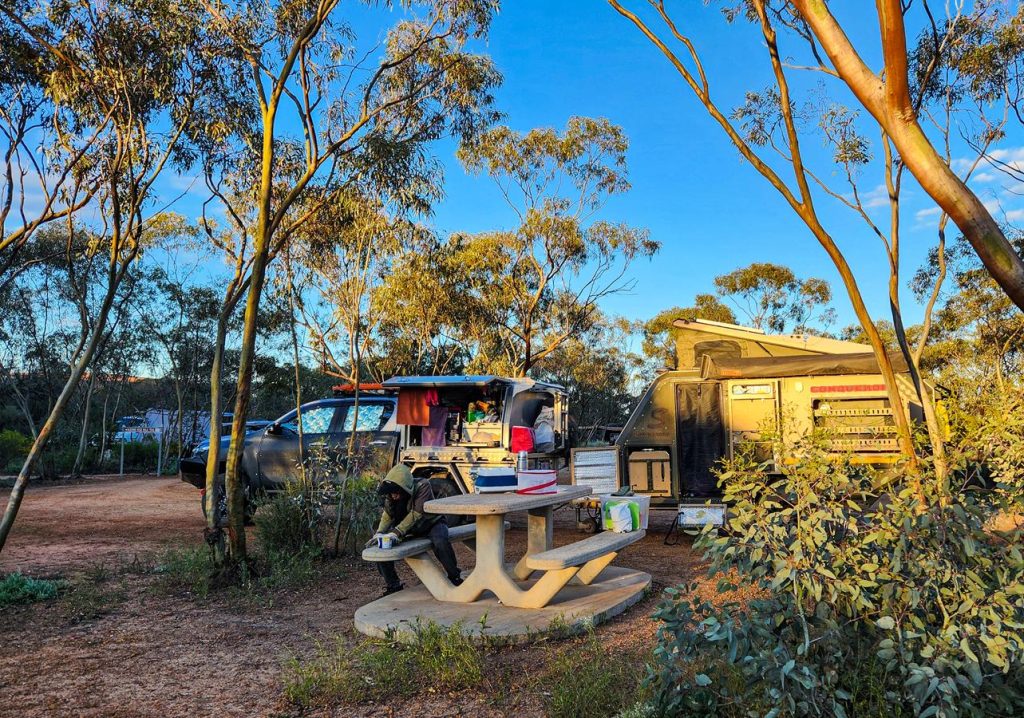
We stayed at Toapin Weir over the June long weekend for a couple of nights. It was a busy place, but we had our quiet spot closer to the dam. We enjoyed the campfire, beautiful sunset and exploring the area.
Nookaminnie Rock Nature Reserve
Located 3km west of Quairading town in the Central Wheatbelt, Nookaminnie Rock Nature Reserve is a great hiking place for nature enthusiasts. The highlight of the reserve would be the Nookaminnie Rock. Unfortunately, due to time constraints, we didn’t get to the rock – it is a 6km return walk. Instead, we took a shorter Nookaminnie Creek walk.
Not much was flowering early June. But the gum trees looked quite majestic, especially lit by the rays of the setting sun. Wandoo, Salmon gums and York gums dominate the reserve. The walks trails are easy and are clearly marked.
Nyinggulara (ex-Ningaloo) National Park is part of the Ningaloo (Nyinggulu) Coastal Reserves. The reserves stretch over 220km along the Ningaloo Coast from Winderabandi Pont to Red Bluff. Within the reserves, there are a few areas. These include Warroora Coast, Cardabia Coast (around Coraly Bay), Gnaraloo Coast, Quobba Coast (Red Bluff), and Nyinggulara National Park.
The Ningaloo Coast is a World Heritage site. It is known for being Australia’s largest fringing coral reef. It is also the only large reef that is very close to land. The Ningaloo Coast approximately 1200km north of Perth.
Camping at Nyinggulara National Park
Nyinggulara National Park has 5 campgrounds: Winderabandi, North Lefroy, Point Billie, South Lefroy and Janes Bay. All campgrounds are similar in terms of facilities, of which there are none. There are no toilets, no bins or any other facilities. You are required to bring a chemical toilet. There is a dump point at each campground (a short driving distance of 2km or so). You are paying for a view and a privilege to camp in a remote pristine place. The cost for camping is $10 per person per night, $5 per child. The sites must be booked online in advance through Park Stay WA . There is no national park entry fee. The good thing is that you can bring your dog there.
Point Billie
There are 39 camping spots at Point Billie and they are just a short walking distance to the beach.
The beach at Point Billie is not the best looking and has a lot of seaweed. We went to nearby South Lefroy for swimming which was very beautiful and clean. Point Billie, like other campgrounds on the Ningaloo Coast are popular for those who are into boating and fishing. In fact, nearly every second camper had a boat of some sort, when we stayed there over Easter long weekend. Despite the strong south easterly winds blowing the first 2 days we were there, we enjoyed our stay. Sunsets are magical and the closeness of the ocean is therapeutic.
Point Billie is the only campground with non-portable water. It is located at the intersection of Cardabia-Ningaloo Road and the turning point to Point Billie.
Winderabandi
Winderabandi is a medium-sized campground with 49 camping spots which vary in size. We didn’t stay there but drove to have a look. Each site looks very different. While there are some sites with privacy, others are right next to the driveway. Some sites are very close to the beach, others tucked behind the dunes. Some are too small for a caravan. There is also a big camping area literally on the beach. The surface on all the sites is very soft sand. In some areas, it may be an issue if you are towing. If you don’t mind soft sand and have a boat, this looks like a great campsite for you.
South Lefroy
South Lefroy is the probably the most beautiful place in Nyinggulara National Park. It is quite a large camping ground with 87 camping spots. The sites vary in size and position. Some of the spots are too tight and small for caravans, others are close to beach. Still others have very soft sand.
There is a mobile booster tower, at the turn off to the campground from Cardabia Ningaloo Road. It might work for certain types of phone at the turnoff to the campground but it didn’t work for us. After the turn off to the campground, the track is quite soft. There is also a small sandy hill to climb.
We did not stay at South Lefroy because we couldn’t get a spot. We tried booking online the moment bookings opened but all the spots for the dates we wanted were taken. Instead, we stayed at a nearby Point Billie and made a day trip to South Lefroy a couple of times. The beach at South Lefroy is absolutely stunning with its crystal-clear turquoise waters and wide sandy beach. You can drive on the beach. Needless to say, South Lefroy is a very popular place.
Road conditions at Nyinggulara National Park
The access to campgrounds is by 4WD only via a heavily corrugated Cardabia-Ningaloo track from Coral Bay. You can also get to Coral Bay from Exmouth via Yardi Creek crossing, if it is dry. Ningaloo Road has been closed for more than a year. This is true at the time of writing – April 2025. It is unlikely to be opened any time soon. The camp hosts told us that the closure is due to massive sand dunes shifting. This shift blocked the track. All of this was the consequence of the bushfire which burnt the dune vegetation.
Cardabia Ningaloo coastal 4WD track
It was a slow drive from Coral Bay along Cardabia Ningaloo Road for us in April 2025. The approximately 100km drive took us nearly 4 hours (we were towing and also stopping). We travelled between 15 and 35km on a heavily corrugated track, which was a mixture of sand and rocks. We knew that travelling that slow would mean that we arrived at our destination late. It turned out we arrived even later than we thought. We had to travel in the dark too. So we decided to stop along the way to have our dinner before continuing the journey.
Then we missed the turning. When coming to a fork we saw a confusing sign pointing left to Janes Bay and right to ‘camps’. What that meant is ‘other camps further up north’. By the time we realized that we missed the turning. Turning around with a caravan in tow in the dark wasn’t easy at all. It took us quite some time. The squeaky sound of the caravan breaks was horrifying when we reversed all the way into the bush. Luckily the track was wide, and we managed to get back on track.
We had a good time staying at Point Billie campground for 4 nights over Easter in April 2025.
The Nullarbor Plain stretches across the southern edge of Australia. It starts in Norseman, Western Australia, and ends in Ceduna, South Australia. The Nullarbor spans for over 1200 kilometers. The major highway running across the Nullarbor is the Eyre Highway. It connects Norseman and Ceduna. The Eyre Highway is sealed. It has a number of rest stops and a few roadhouses with basic facilities. There are also attractions along the way.
The name “Nullarbor” means “no trees” in Latin, reflecting the vast, arid landscape.
The Nullarbor – is it really treeless?
After travelling across the Nullarbor 3 times, I finally figured this out. Nullarbor means treeless plain. However, when you travel across the Nullarbor route you will find that not the whole route is treeless, particularly in WA. So, the Nullarbor refers both to the iconic Nullarbor Road or route from Norseman in WA to Ceduna in SA (it is also Eyre Highway). It runs for 1200km. But more specifically Nullarbor is the Nullarbor plain, which is indeed treeless. This treeless plain stretches for 200km around the Nullarbor Roadhouse in SA. It is marked on the road from both ends. That’s why when you travel from WA you don’t see the treeless plain until many kms ahead and until you cross the border.
Western side of Nullarbor
Norseman
Norseman is the gateway to Nullarbor. It marks the beginning of the epic Eyre Highway, if you travel west to east. It is a great place to get information at the Visitor centre and buy food (after returning from east). If you are visiting in summer, you will enjoy in the Olympic size outdoor swimming pool. It was free to use when we travelled in early January 2025. We were returning from Nullarbor and swimming pool in hot weather was a real savior for us.
90 Mile sign
This is an iconic sign, signifying the beginning the straight road, without any turns or curves for 146 km. Everyone who travels across Nullarbor for the first time stops there to take a compulsory photo. That included us too :).
Balladonia Roadhouse museum
Despite being small, we found it was worthwhile to stop and visit the museum and learn about the history. The main focus of the museum is on Skylab space station. Although reading about European exploration and Afghan cameleers was also interesting. The museum is free to visit. Balladonia is the first fuel stop on Nullarbor after Norsman, traveling east.
Eucla
Eucla is the most easterly town in the Western Australia. It lies 11km from the South Australian border
Eucla old telegraph station – history buried in the sand
Eucla was once a busy town. Its significance lies in its telegraph station that was built in the 19th century. Thanks to this telegraph station, communication between Western Australia and the east of the country was established. These days, there are only remnants of what once used to be a bustling place. The town itself was eventually abandoned due to rabbits’ infestation. The rabbit plague destroyed dune vegetation which is now causing constant sand shifts. The sand dunes movement is so rapid that the whole town became buried under the sand. Only the telegraph station remained. But even the telegraph station is only partially visible. It will be gone completely in the future. So, we took an opportunity to visit it while we could still see something.
Eventually a new Eucla town was rebuilt 4km away on a higher ground. Eucla old telegraph station is a few kilometres away from Eucla town and easily accessible.
Modern Eucla
Nowadays Eucla is a small settlement that mostly serves the government and border security workers. It is also a major stop for anyone travelling west to east or vice versa. It has a caravan park, motel, restaurant and museum. An interesting fact is that Eucla has its own time zone. It is 45 minutes ahead of Perth, the latter being 2.5 hours behind South Australia. It makes it all quite confusing when you travel. 😊
Road trains on the Nullarbor
Australian road trains are huge and long indeed. Especially this one – carrying a hundred of cows (so it looked like). The truck hardly even fits into the picture frame 😊. You will see many road trains when you travel across the Nullarbor.
Middle of Nullarbor – WA-SA border
The border between Western Australia and South Australia is a must stop if you travel east to west. The reason for that is compulsory quarantine check. You are not allowed to bring fresh fruits and vegetables into the state because of fruit fly disease.
However, if you travel west to east, you do not need to stop. There is a quarantine stop in South Australia but it is at the end of the Nullarbor at Ceduna. It is worth checking what you can and cannot bring into each state, because the rules are different for each state.
If you travel east to west, make sure you stop at the WA-SA border sign for another photo opportunity. The sign is right after the quarantine point on the WA side.
The nail that marks the border – something you might not know!
While the border between other states, e.g. between NSW and Victoria is very fluid and defined by the river, the border between WA and SA is very specific. At least in some places, where there is a road entry. The border on the WA side is marked by a nail! We were privileged to be escorted and shown the exact location of the particular nail. It is on the side of the road, right at the quarantine point. If you are curious, next time you travel across Nullarbor, ask the quarantine personnel to show it to you. The lady worker was very happy to share that information with us.
Eastern side of Nullarbor
Big Kangaroo at the Border Village
Once you cross the border and are on the South Australian side, you will arrive at the Border Village. Here, you can see a giant kangaroo statue. It is another iconic site and so uniquely Australia. The kangaroo, called Rooey, is holding Vegemite 😊. The statue is 5 meters tall.
Bunda Cliffs
Bunda Cliffs are the best attraction on the Nullarbor, in our opinion. We would be willing to drive across the Nullarbor just to see them. These majestic limestone cliffs are up to 105 meters high. They are literally marking the end of the continent on the southern side, as they drop abruptly in the Southern Ocean. Bunda Cliffs are stretching for over 120 km along the shore of the Great Australian Bight. They are quite fragile and unstable, eroding rapidly.
Camping near Nullarbor cliffs
As much as it seems like really cool to camp at the edge of Nullarbor cliffs, we didn’t do it. It is quite dangerous to camp or even drive too close to the edge of the cliffs. Being constantly eroded, they might collapse at any minute. It is also illegal nowadays for that same reason. Instead, we camped along the Eyre Highway, at one of the free rest stops, approximately 1.5 km from the cliffs. These rest stops have no amenities, although some do have picnic tables though. But it is quiet and peaceful and even occasional road trains didn’t bother us at all.
The best thing was the beautiful sunset that we could view from our camp.
Nullarbor Roadhouse
Nullarbor Roadhouse is a popular rest stop for anyone travelling across the Nullarbor.
We found Nullabor Roadhouse fuel quite reasonable during our visits in December 2024 and January 2025. This is notable because there is no such thing as cheap on Nullarbor. Not only that, Nullarbor Roadhouse is like an attraction in itself. It has unique signs, information boards, describing the history of Nullarbor and the old roadhouse building. We didn’t stay at the caravan park. Neither did we buy any meals at the restaurant. All of this is available there. But we did take showers there (for a small fee), which felt like heaven after days of not washing. Definitely a must stop on the Nullarbor, no matter what your requirements are.
Head of Bight
Seeing southern right whales was another highlight on the Nullarbor. They congregate in big numbers at a bay where the Head of Bight Whale Centre has been established. Southern right whales come to this area from cold southern oceans to calve and breed starting from May. Nearly half of all Australian population of southern right whales visit the Head of Bight every year, so it is an important aggregation area for them there. July-August is the peak season to see whale mothers with their calves. At this time up to 70 whales can be seen daily from the purpose-built platform. On the day we visited the Head of Bight (24 July 2025), there were 11 pairs swimming near the shore. By October, whales begin to migrate south again.
The adult whale reaches the length of 14 meters while the calf is 5 meters long. It is an amazing experience to watch these giants swim gracefully.
Sometimes you can see the youngers whales breach (jump out of the water) and lift their tail or flippers. You can also hear them making moaning noises.
It cost us, as a family $50 to visit the Head of Bight but it was really worth it. Definitely recommend a visit there during the season.
Lake MacDonnell
We love pink lakes. But Lake MacDonnell is not just a pink lake. As you drive along the road, this pink lake is on one side. A green-blue lake is on the other side. This contrast is very picturesque. Many people don’t mind the detour when travelling across Nullarbor just to get this photo opportunity. Lake MacDonnell is 15km south of Penong on the way to Point Sinclair in South Australia.
Ceduna – end of Nullarbor
Ceduna marks the end of the Nullarbor. It has a quarantine stop, where you must stop to be checked. All fresh fruits and vegetables (except for a couple of items) must be disposed.
Ceduna is also a place to fill up fuel and grocery. The fresh produce is still expensive there, but at least you can get some variety. There is information centre, different types of accommodation and restaurants. We were happy to find a cafe that served gluten free fish and chips there. After travelling for a few weeks, it was a delight to treat ourselves :).
In conclusion
They say that you are not a true Aussie, unless you traveled across Nullarbor. After living in Australia for more than 20 years, we finally travelled across Nullarbor in 2024-2025. We did it twice – travelling eastward and then back westward. Will we do it again? Absolutely! We still have unfinished business and a few places to see on the Nullarbor. We hold dear memories of our trip to NSW and back to WA. No doubt, we’ll do it again.
The Eyre Peninsula is a triangular shaped peninsula in South Australia. It is known for its rugged coastline with many natural attractions, endless beaches, unique wildlife and great seafood.
Western coast of the Eyre Peninsula
Haslam
Haslam is a small coastal town in the western part of the Eyre Peninsula, South Australia. It is located 45km northwest of Streaky Bay, off Flinders Hwy. Established back in 19 century, it was originally a deep sea port and a coastal shipping town. There is an old jetty that was built in 1912. It still functions and serves as a fishing jetty.
Haslam is a popular place for an overnight stop for those travelling east to west or vice versa. It was a savior for us, as we couldn’t secure any accommodation in Streaky Bay. There is a council-run campground, which costs us only $10 per night. Facilities include picnic tables. Public toilets, dump point and newly build playground with exercise equipment are only 100 meters away.
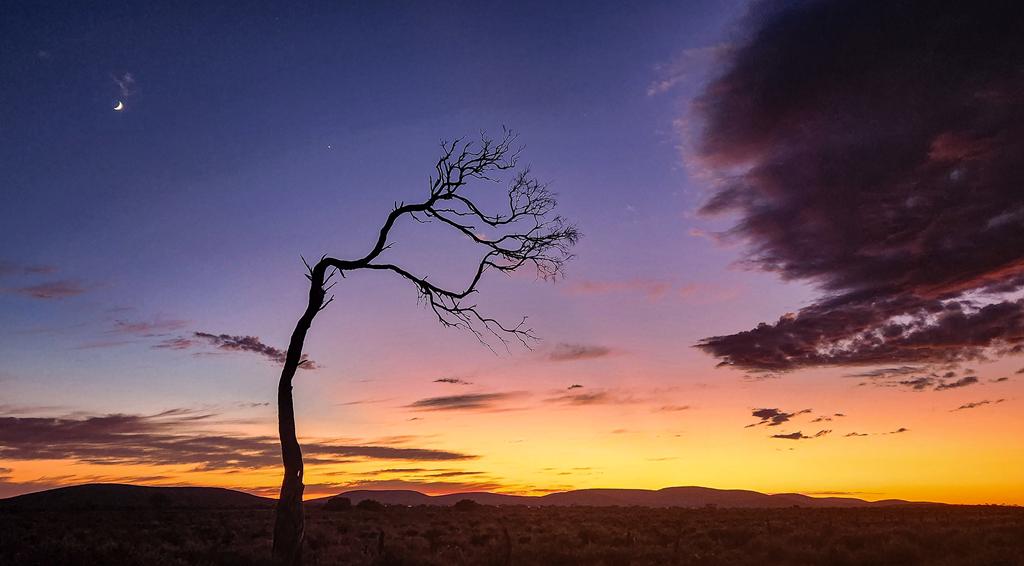
This is what I saw when arrived late at night at Haslam. It was pitch dark and I was struggling to see anything near the waterfront. The moon aligned with Venus looked beautiful up in the sky. The lights at the end of the jetty were reflected in the water. It was quiet and peaceful.
Streaky Bay
Streaky Bay is a larger coastal town further south from Haslam. It is known for its spectacular coastline with many natural wonders. It is also a prime fishing location. Being one of the largest towns for many hundred kilometers, it is the center for essential services. For us, Streaky Bay was the place to explore nature’s wonders. There are many scenic drives and trails around Streaky Bay. With limited time available, we only covered a small section of what it is there to explore.
Whistling Rocks and Blowholes
Cape Bauer Loop Coastal Drive was our first choice. It is 38km loop drive. First, we visited the Whistling Rocks and the Blowholes. We love blowholes and try to visit them as we come across them during our travels. These Blowholes were formed when vertical fractures in the limestone cliffs become enlarged by erosion over thousands of years. Sometimes these pipes are connected at the base of the cliffs with open air. In that case the waves force the air and sea water through the spaces. This is how the fountains of sea water emerge from the rocks with forceful sounds. The phenomenon is known as blowholes. Sometimes only air comes out. Other times you can see water too.
Yanerbie Sand dunes
Yanerbie Sandhills are part of Westall Way 32km loop drive. It was a fun place to visit for our kids as they were playing with the sand. Visiting sand dunes during sunset was quite magical too for photography.
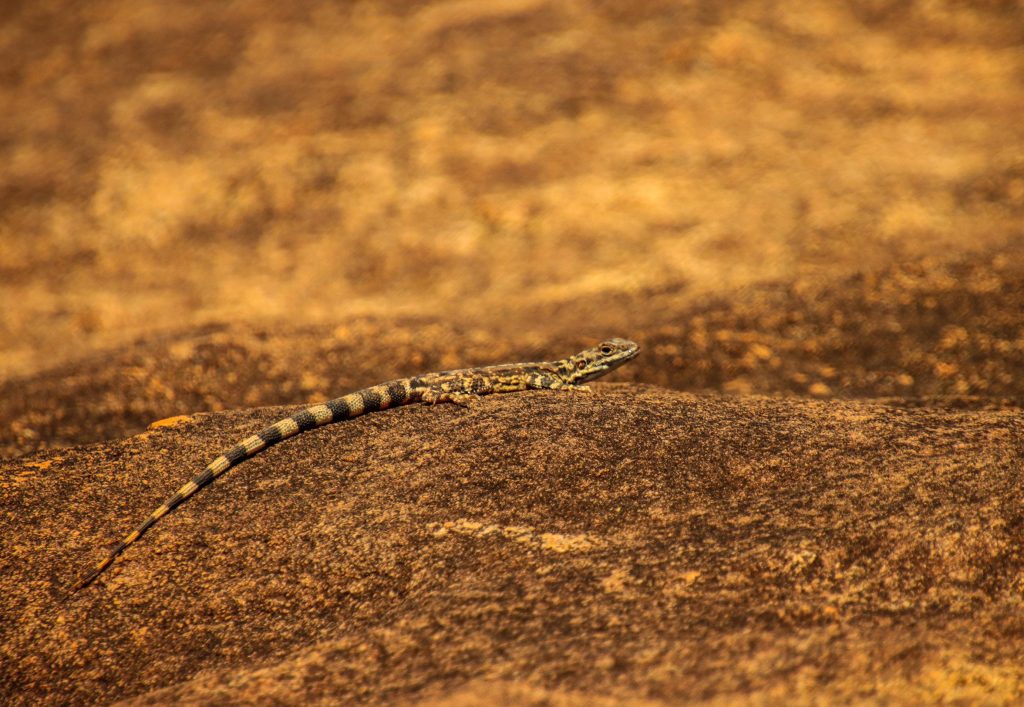
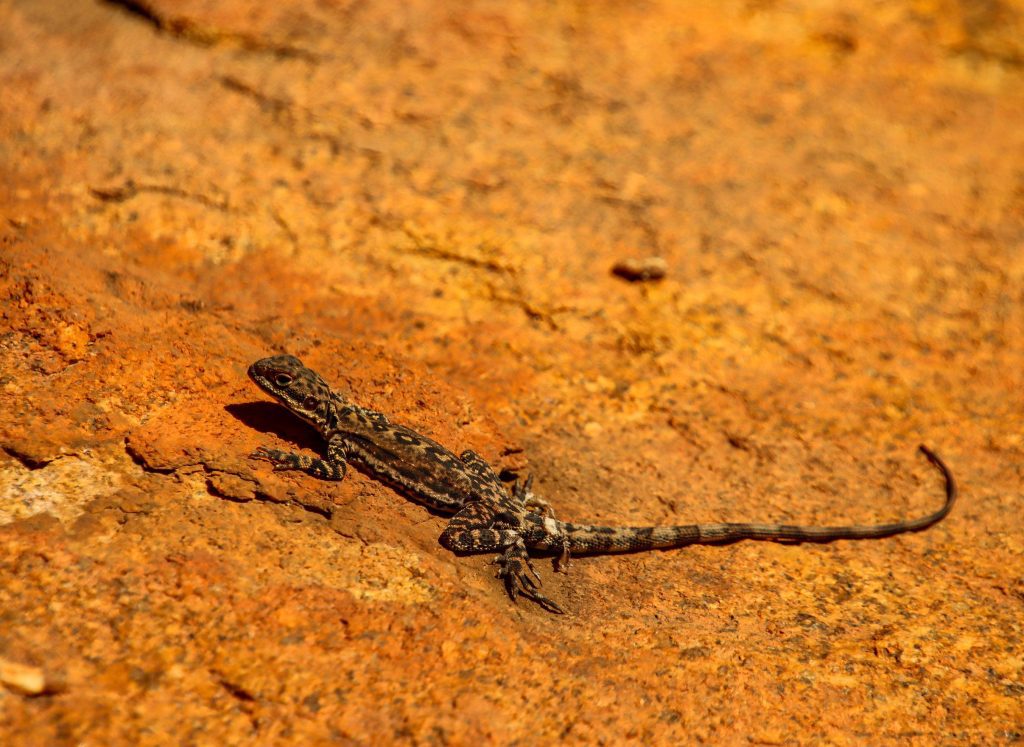
While walking towards Blowholes and Whistling Rock, we saw this Jacky lizard. I love how this little lizard has so many common names. According to wikipedia, it is also known as blood-sucker, stonewalker and tree dragon. No matter how it is called, it is a cute little lizard.
Venus Bay
Venus Bay is a small tourist and fishing town that lies between Streaky Bay and Elliston. The place is quite picturesque. It has a unique curved jetty, used by marine vehicles, as well as fishermen.
The beach is calm, thus making it a popular holiday destination.
Apart from a unique curved jetty another attraction of Venus Bay is Needle Eye lookout. You can see the beautiful coastline of the Great Australian Bight from there.
Walkers Rock
Walkers Rock campground near Elliston is a usual coastal campground on the Eyre Peninsula. We arrived late at night when it was dark. Only in the morning we had a chance to briefly see what the camp looked like. We were not particularly impressed by the layout. Some sites are more or less private, while others are cramped too close together with no privacy. The worst thing was that there was only 1 toilet (!) for 34 sites. And if you are far away from it, you would need to walk nearly 10 minutes towards it. Easier to drive.
But – this was the place where I was lucky enough to witness real Aurora for the first time. And what a show it was!
Leaving the campground, I saw these Cape Barren Geese.
Murphy’s Haystacks
Murphy’s Haystacks is a unique geological rock formation that attracts a lot of visitors, especially for those who love photography. These wind-eroded granite rocks are over 1500 million old. And what’s in the name? It happens that the rocks got their name from a Scottish agricultural expert. While travelling on day, he saw them from the distance and thought they were haystacks. Being located on Murphy’s property, they became known as Murphy’s Haystacks. But technically they are inselbergs, which means isolated rock hills.
Murphy’s Haystacks are 40km east from Streaky Bay and 2km off the Flinders Hwy. They are located on private property and a small entry fee applies.
Talia Caves
Another unique natural attraction of the Eyre Peninsula is Talia Caves, which include the Tub and the Woolshed. It is the Woolshed that gets most of the tourists’ attention. We nearly missed it as the name sounded misleading to us. We walked down the steps to the rocks and spent some time marveling at the mighty ocean. Kids were exploring little rock holes with their marine treasures inside.
Then we took pictures outside of the giant cave but didn’t think of entering it.
The slippery slope inside did look slightly dangerous. But braving for the sake of memories and photo opportunity we decided to give it a try. When you look out into the ocean from the cave it feels like looking through a natural window. The window that has been carved by wind and waves, over thousands of years.
The Tub is further down the track. It is a relatively large crater in the rocks that connects to the ocean via a tunnel.
Talia Caves are 40km north of Elliston.
Central Eyre Peninsula
Kimba
Who doesn’t know where Kimba is? Well, we didn’t know until our trip to eastern states in December 2024. Kimba is an iconic place, in our opinion. Probably, anyone who drove from east to west, or vice versa, knows that. Kimba is a small rural town, but it is significant. It marks halfway between the east and west of Australia. There is even a popular sign there Halfway Across Australia. This is next to an 8-meter-tall statue of a galah. It’s another photo opportunity.
There is also a silo art, as well as a nice free campground. We didn’t stay at the campground, as it was still early for us and we had to make more kms. But we heard good reviews about it, so it is on our list for any future travels.
Iron Knob
Iron Knob is the birthplace of Australia’s steel industry. For such a tiny town, it is quite impressive that it has a Visitor Centre. The population is just slightly above 100. It also has a museum. They run tours of the nearby iron ore mine during cooler season.
Unfortunately, the Visitor Centre was closed due to extremely hot weather and then holidays at the end of December. But the town surprised us with great facilities for travellers. These include a free campground, newly installed toilets, showers, and a kitchen area. There is an interesting contrast that you can see in this town. Parts of the town look abandoned, making it almost like a ghost town.
Yet, there are new and clean amenities. The dedicated Visitor Centre has murals on the walls and looked very inviting from the outside. It also has a museum depicting local mining history. The “Aussie” spirit is trying to survive here.