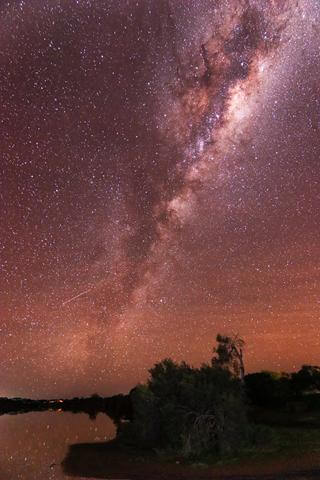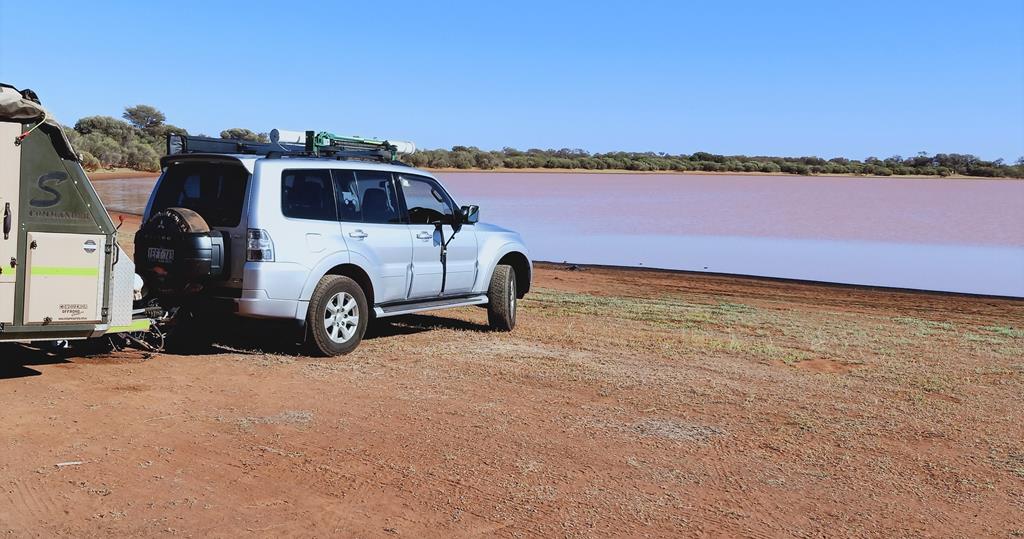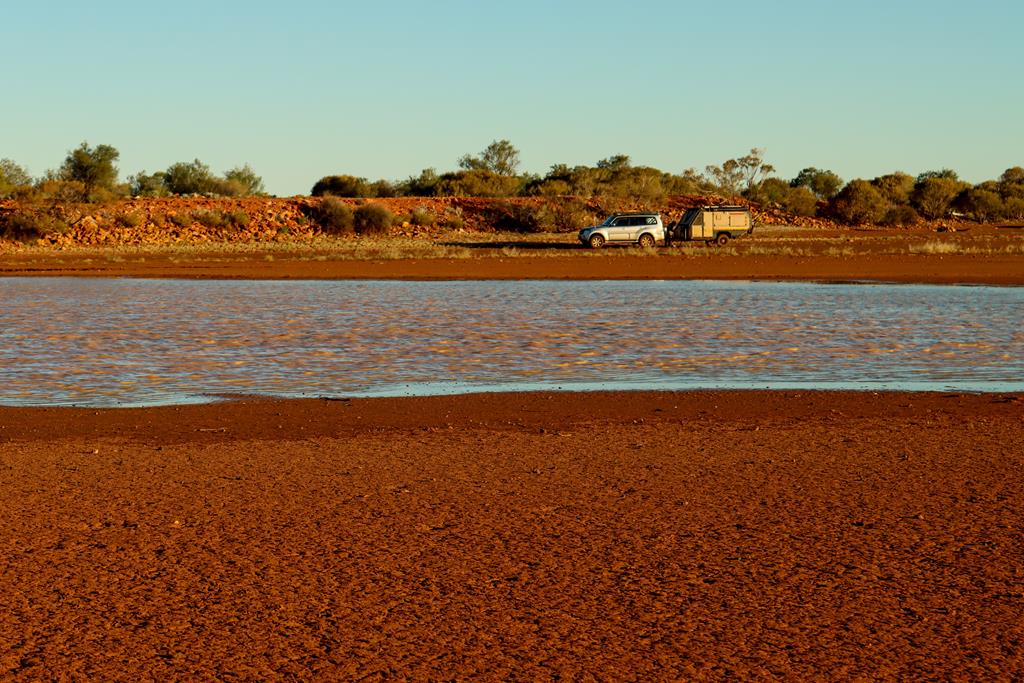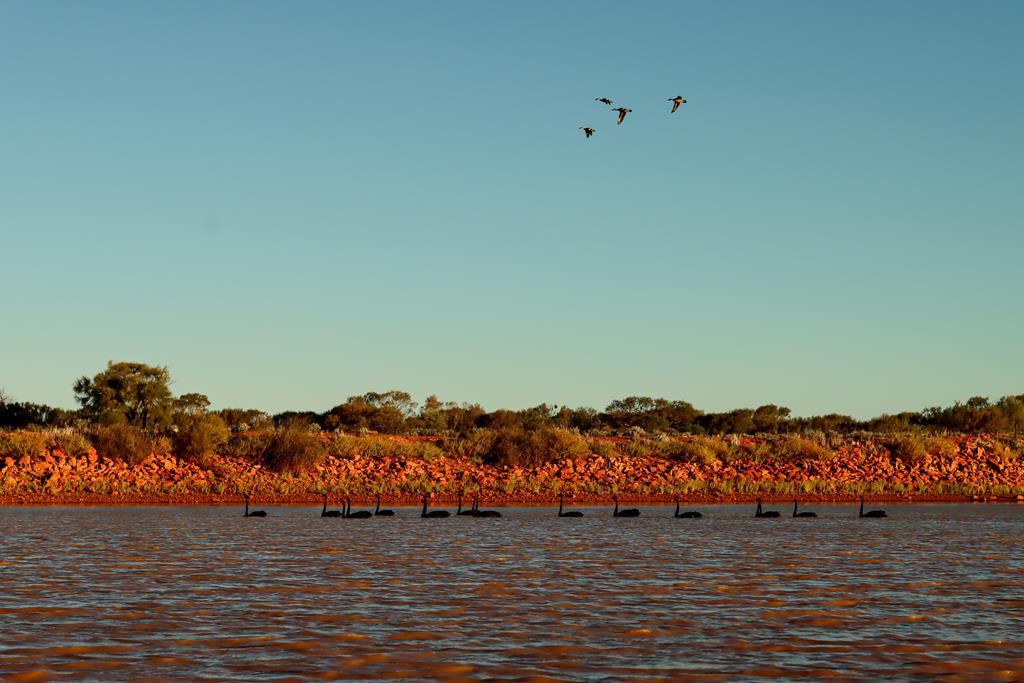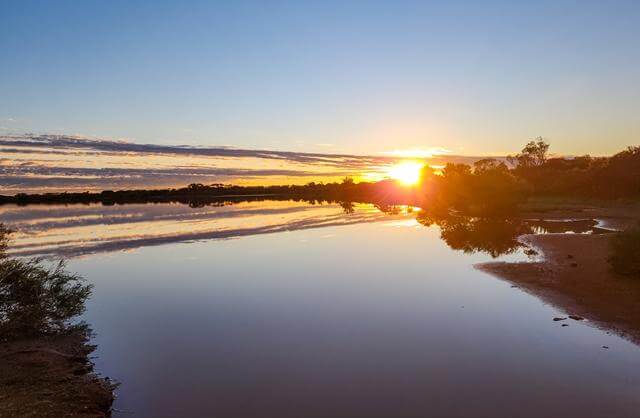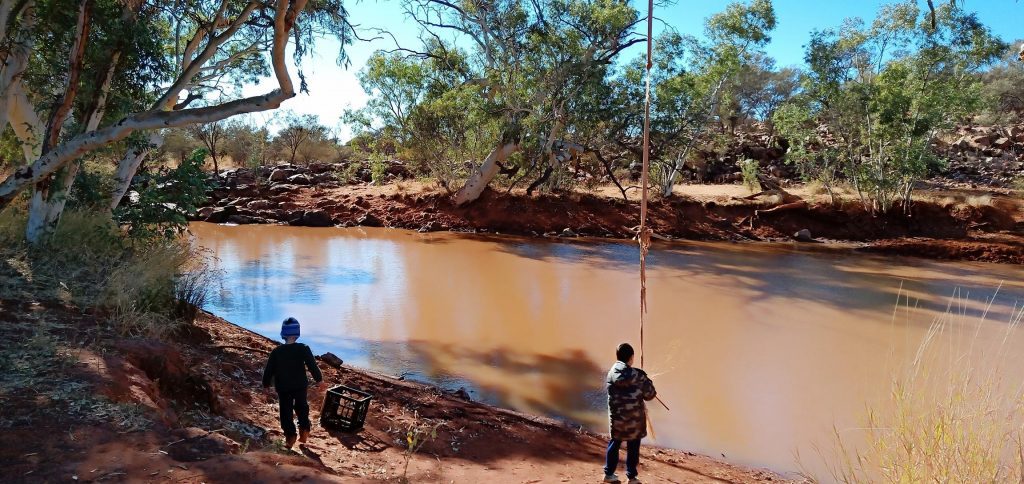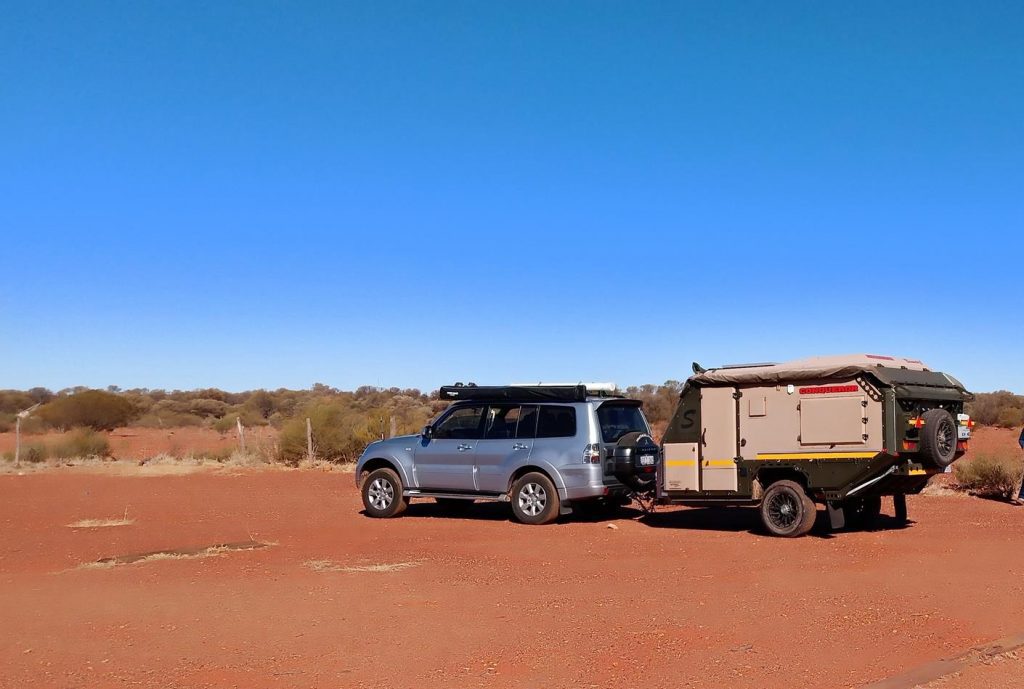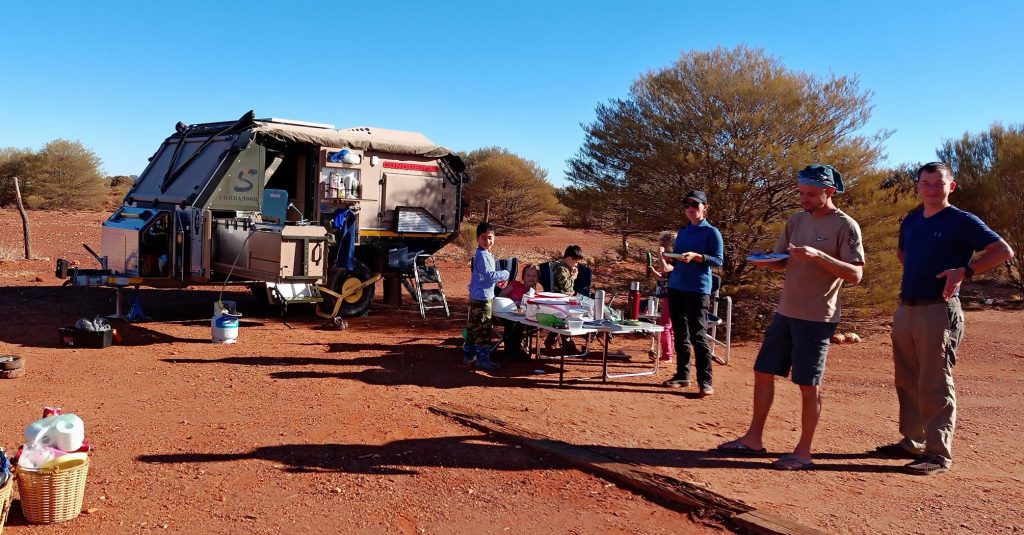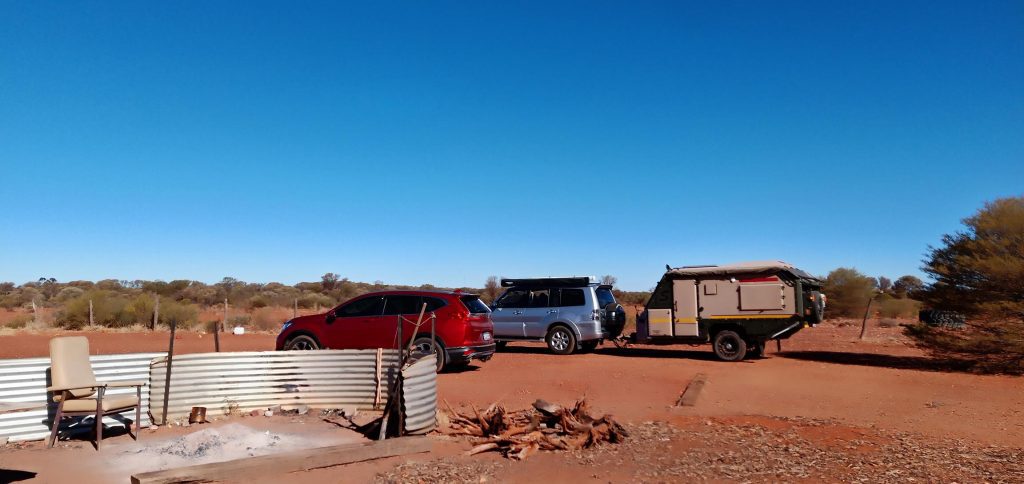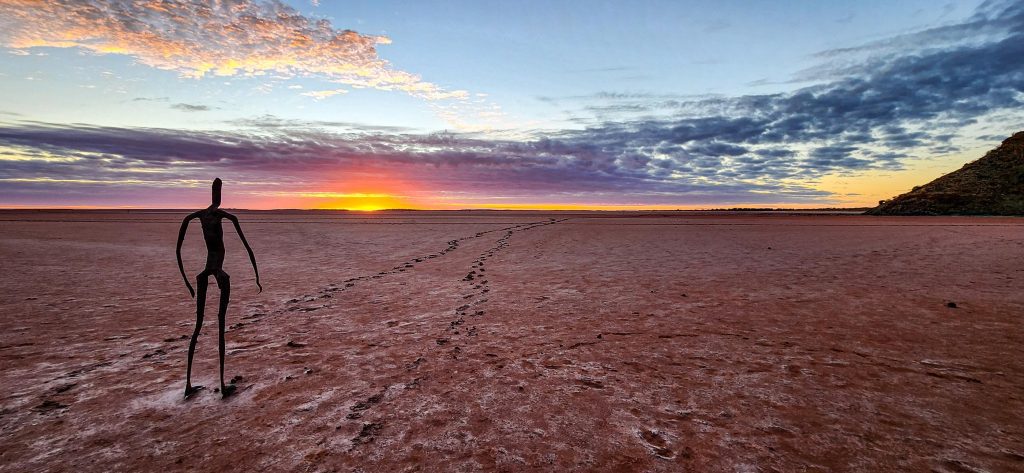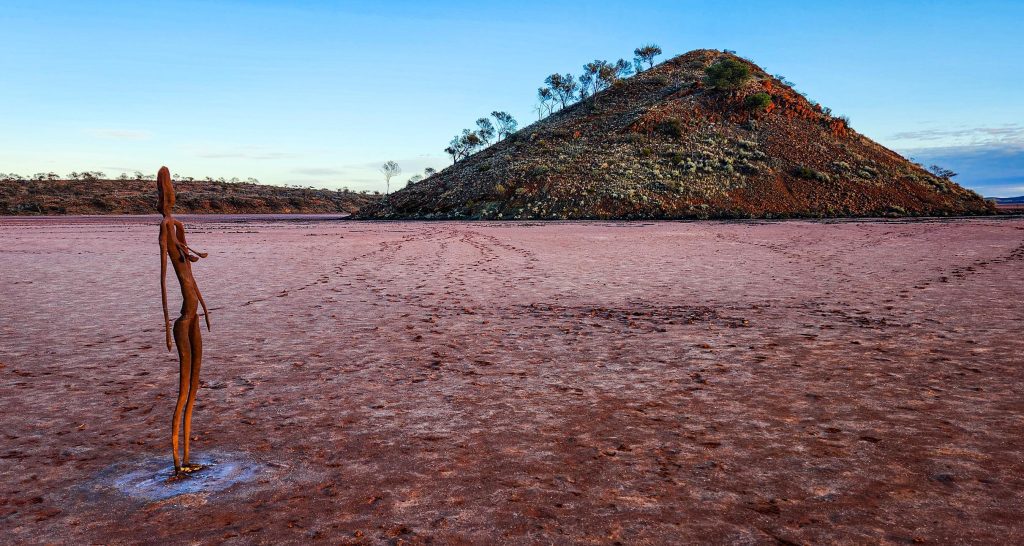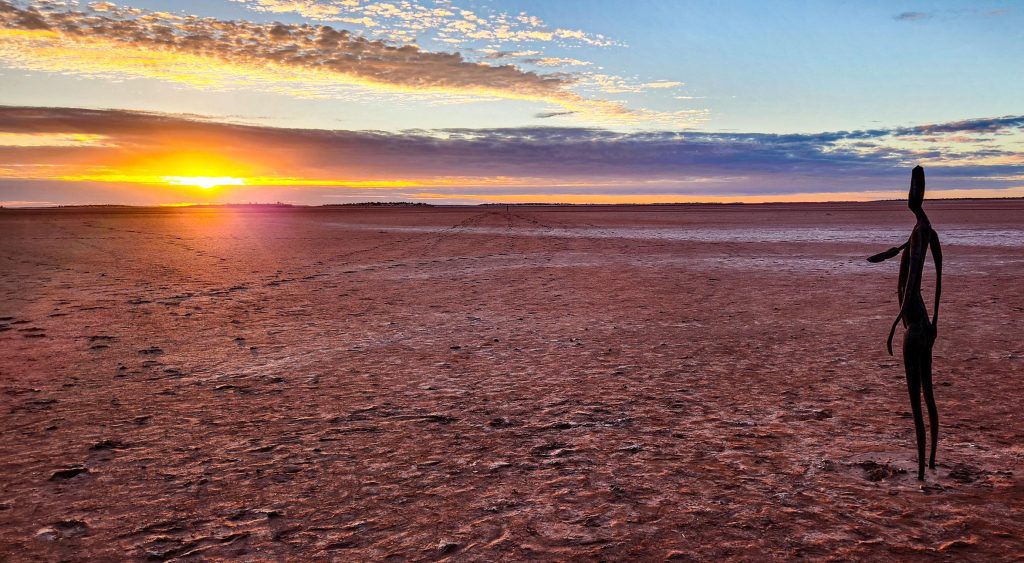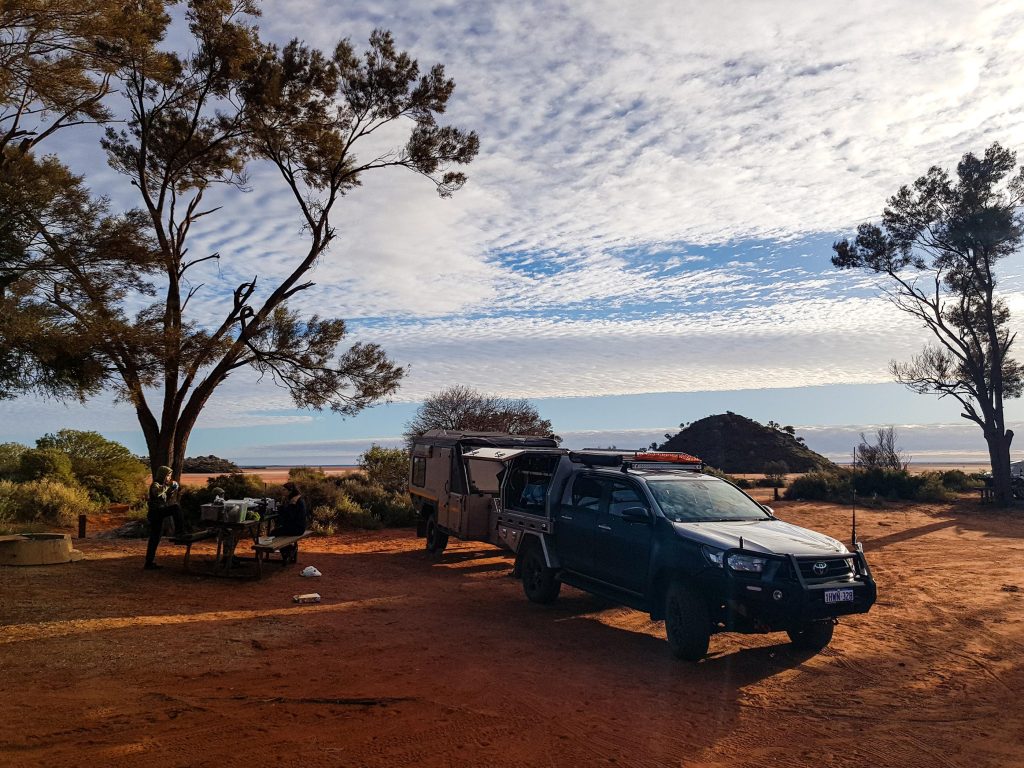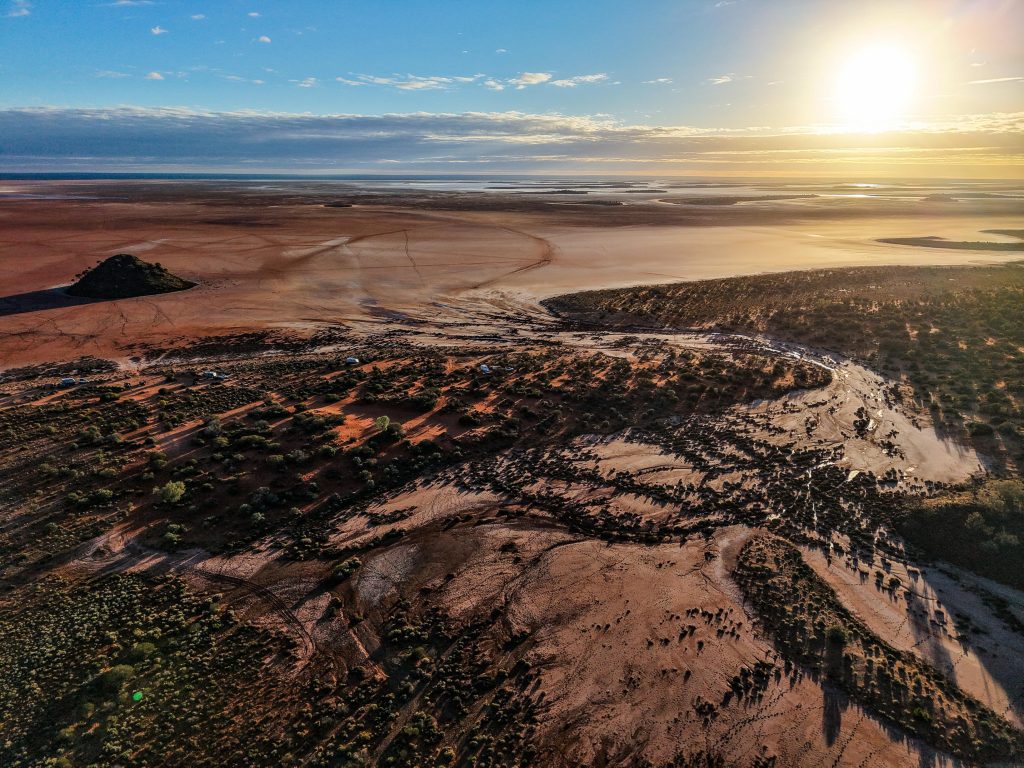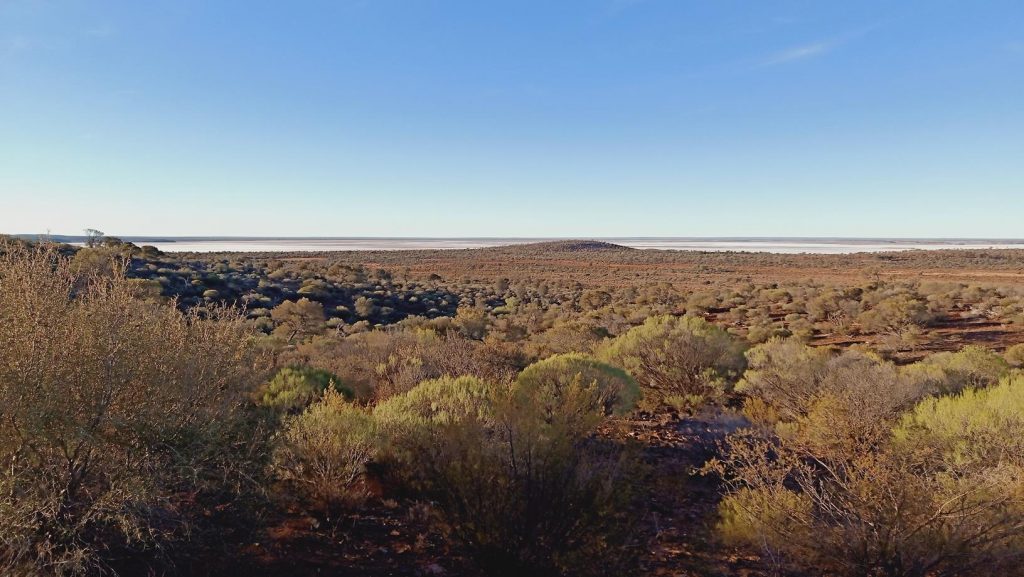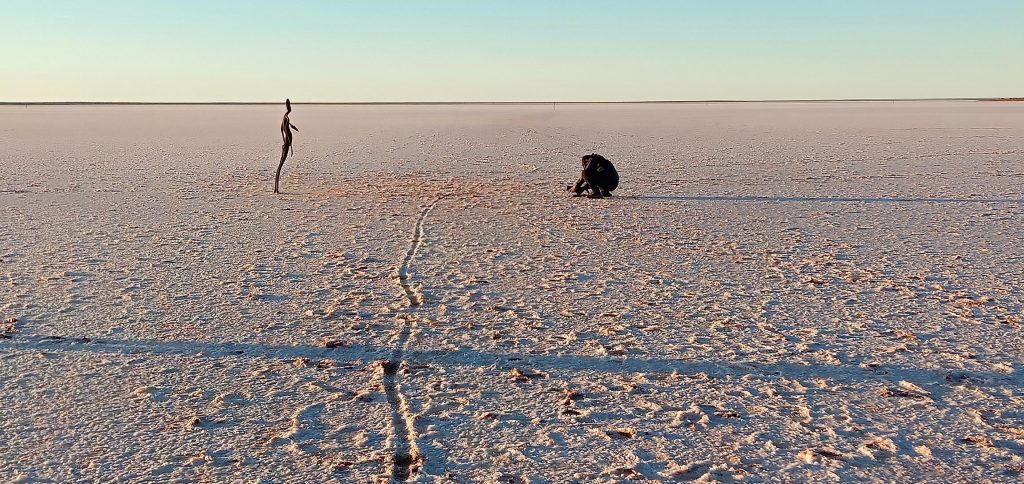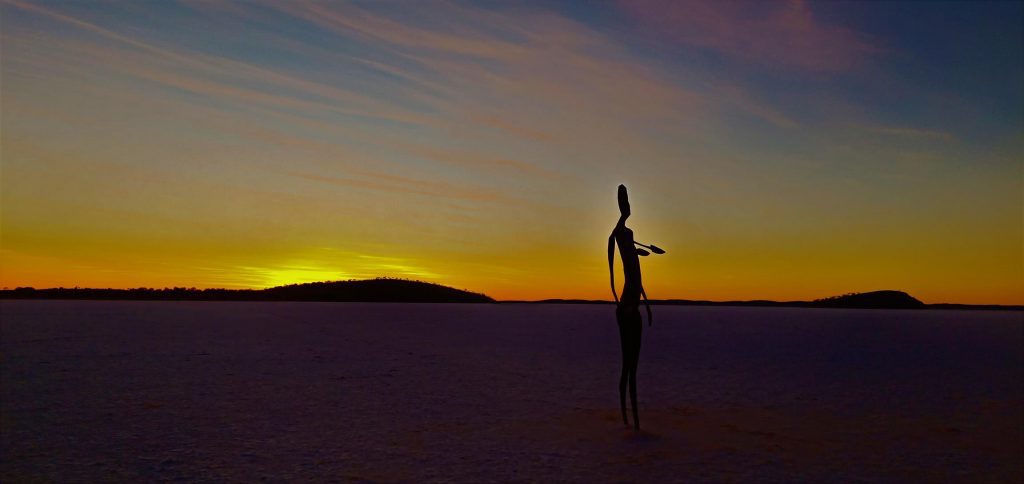

Cobbah Downs River Crossing is a 4WD accessible only free campground along Kalgan River in Pilbara, WA. It lies north of Newman and can be accessed via a restricted track.
Journey to Cobbah Downs River Crossing
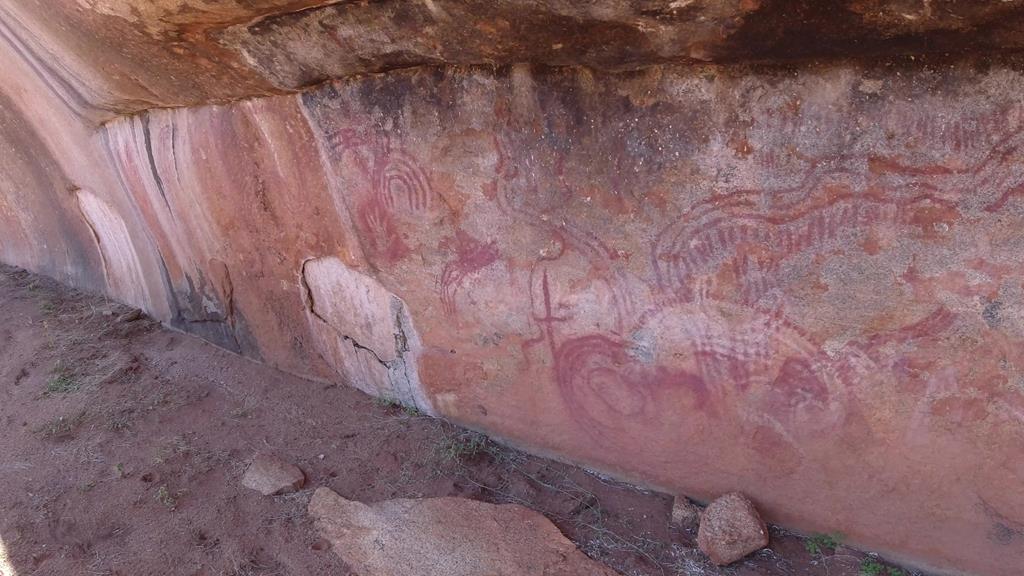
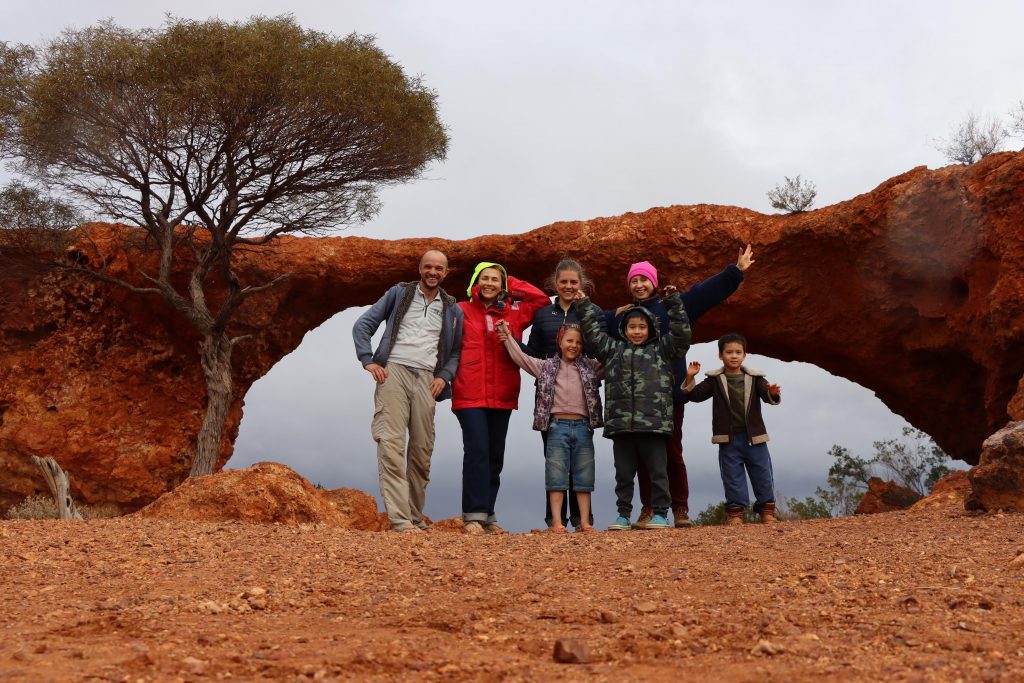
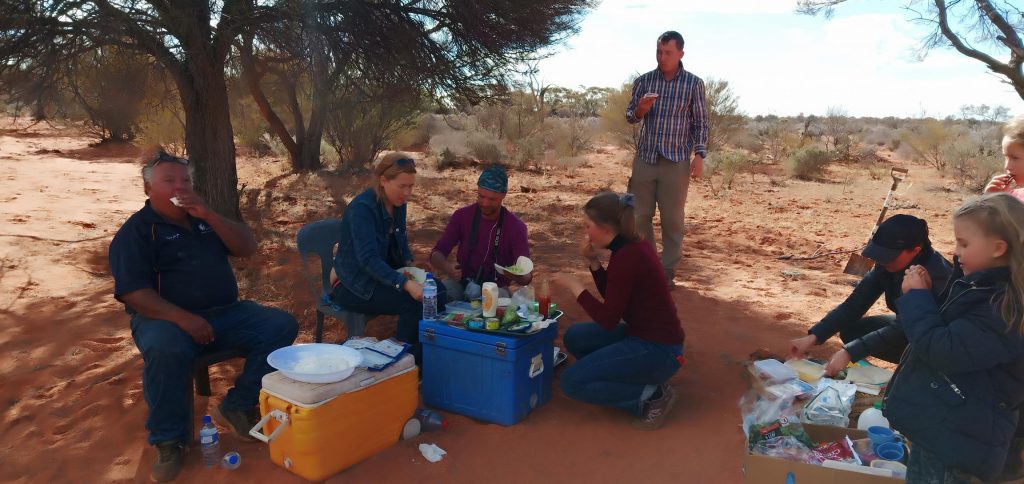
Our group of 10 people (including children) enjoyed a wonderful morning exploring beauty and uniqueness of Walga Rock. After a quick meal of sandwiches and fruits, it was time to leave. While our main destination was Karijini, my heart was drawn to Newman and its surroundings where I planned to spend a couple of days before heading to famous gorges of Karijini. My initial plan was to have a night at Wunna Munna, where we could see Aboriginal rock art.
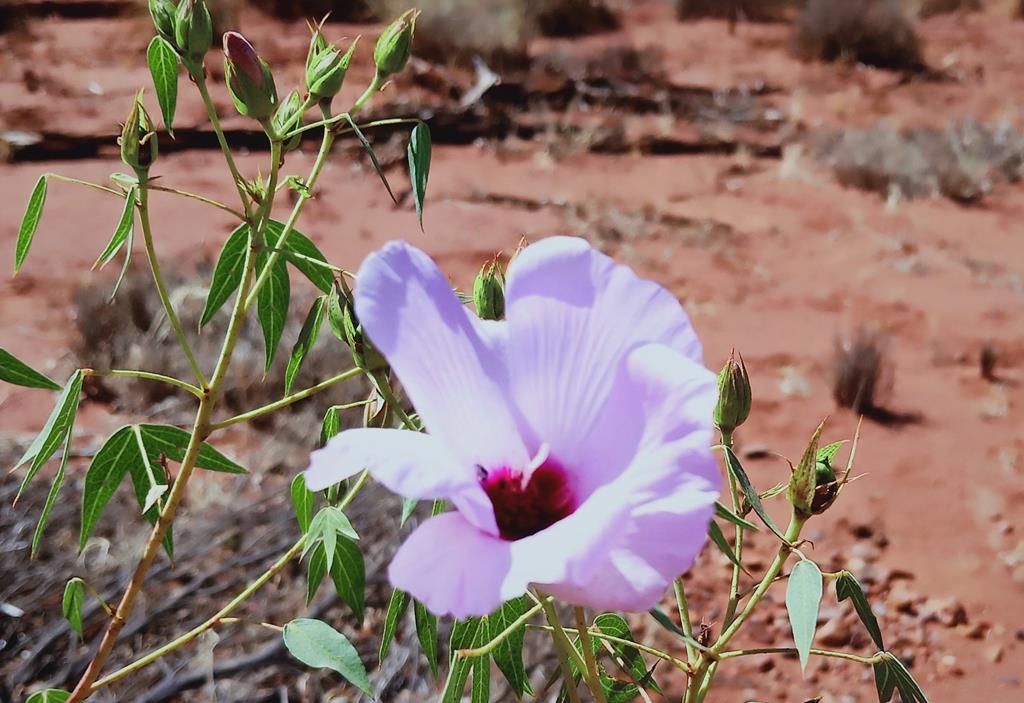
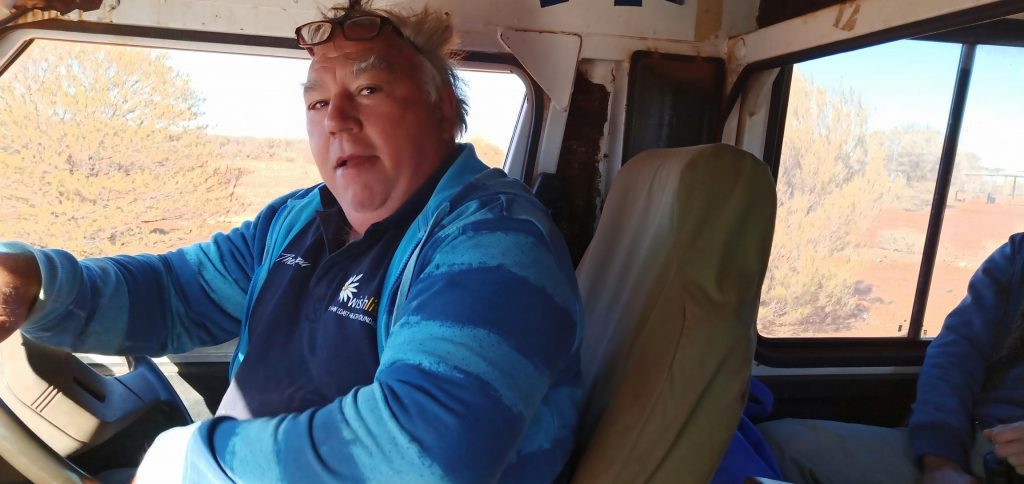
The journey was long. We had to cover more than 600 km and were hoping to get to the destination before sunset. It is always unnerving to set up a camp in the dark. We stopped a few times. Some stops were necessary as we had to fill up diesel and water bottles. At other times we stopped to stretch and move the limbs. I always took this opportunity to take pictures of flowers and scenery.
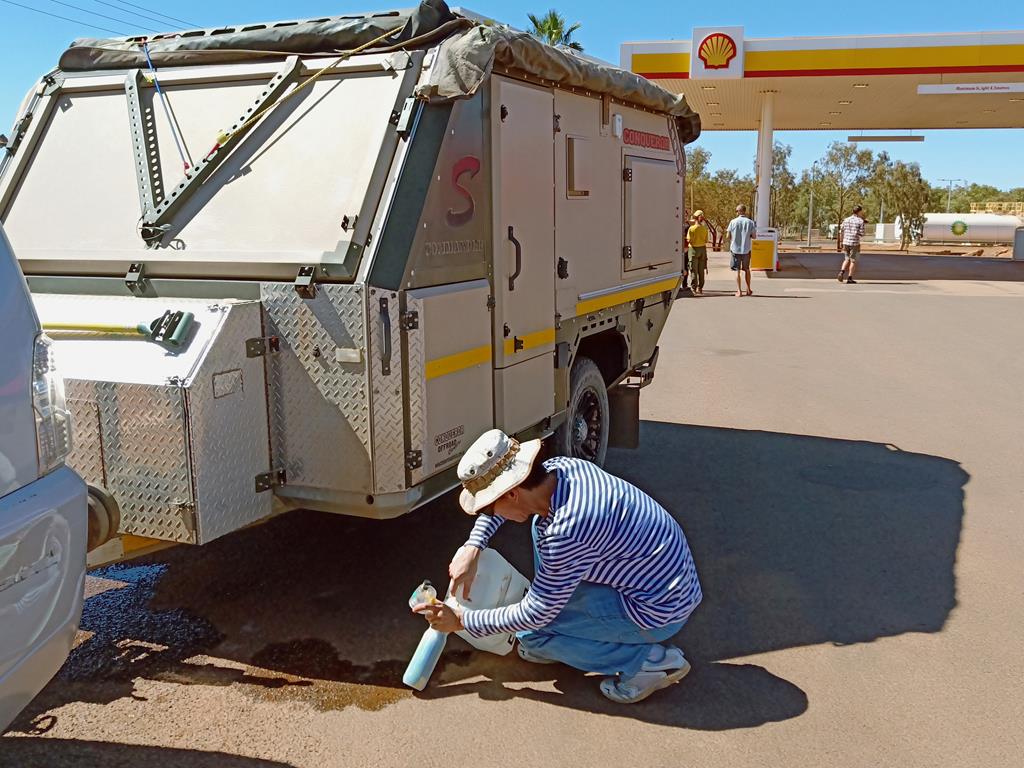
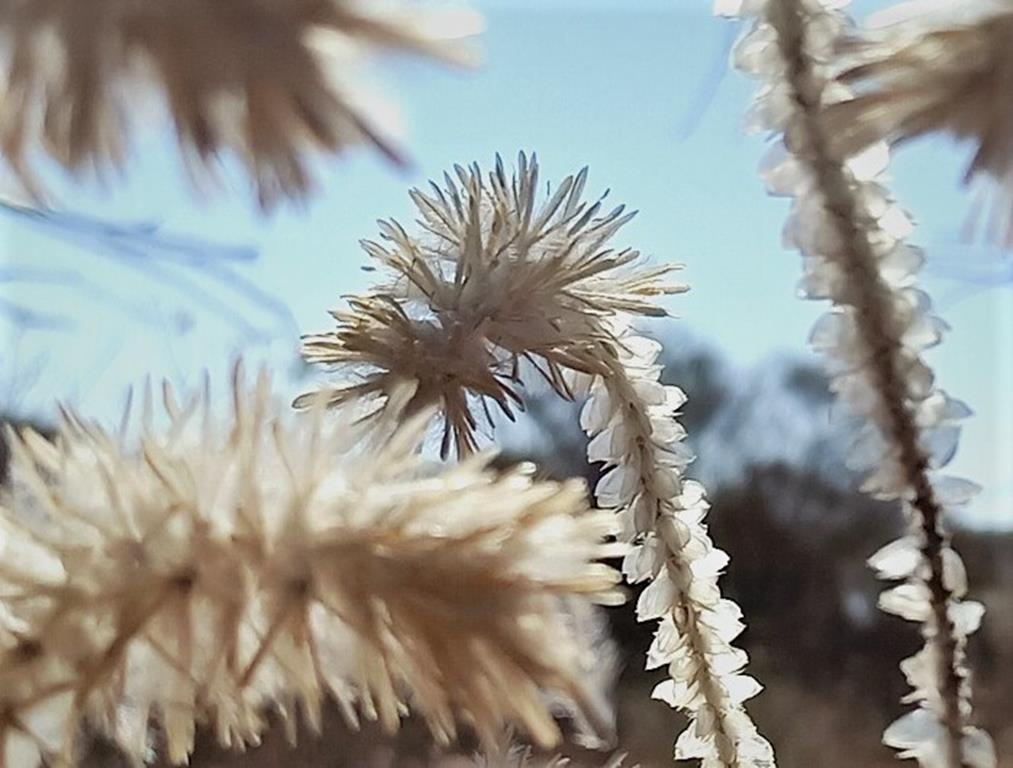
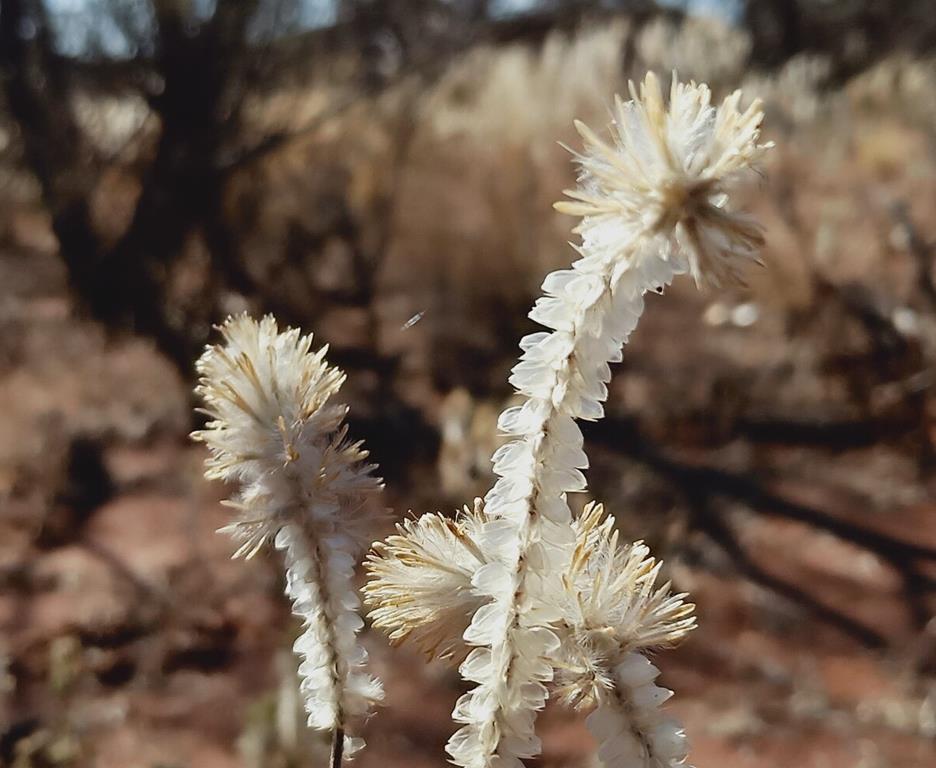
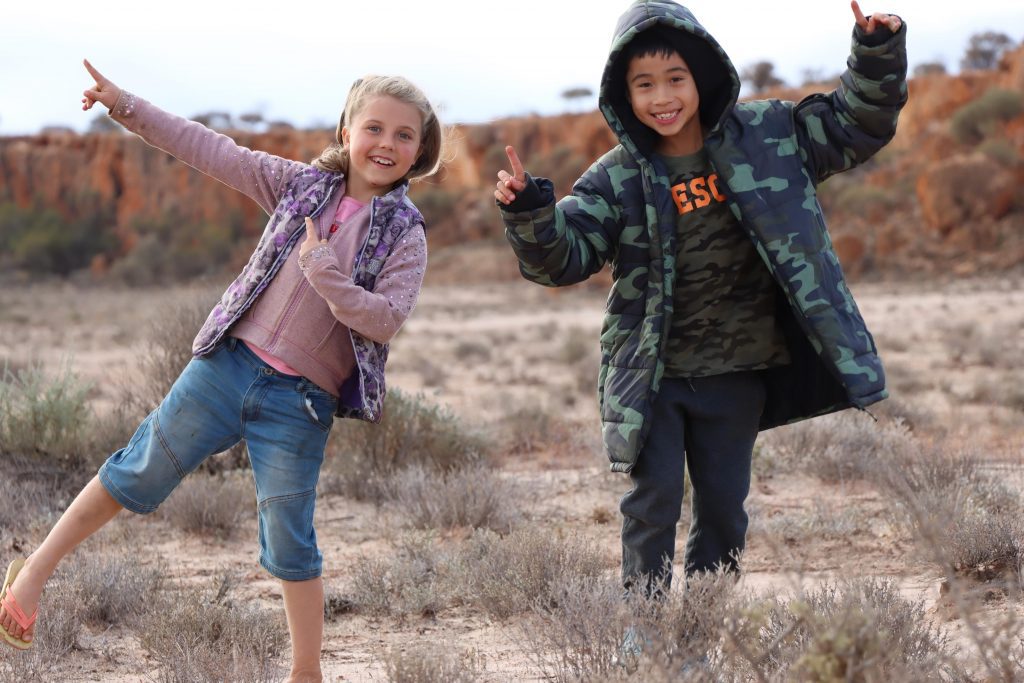
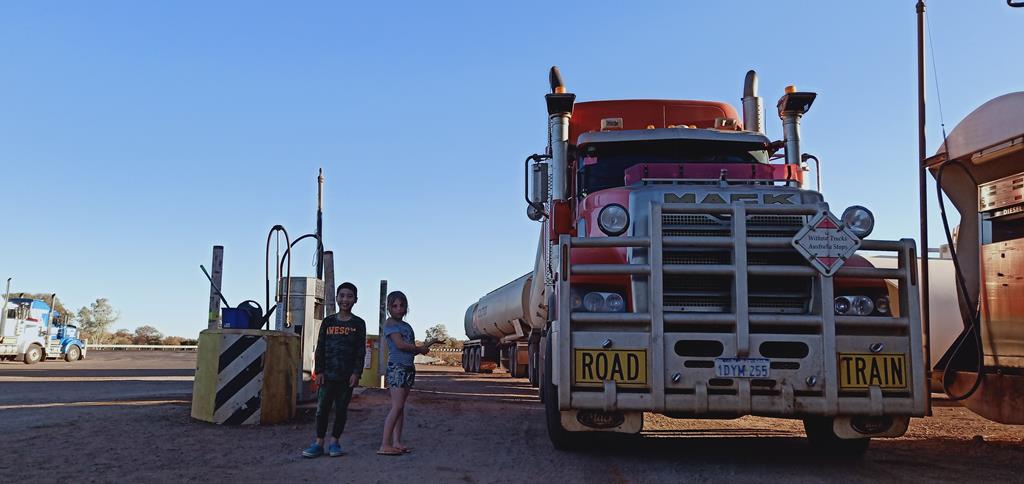
Yet another stop to fill up diesel. While the kids are posing for a picture, I take notice of the famous truck sign that reads “Without trucks Australia stops”. I feel appreciation for the trucks and the hard work truck drivers do, covering long distances through harsh outback every day.
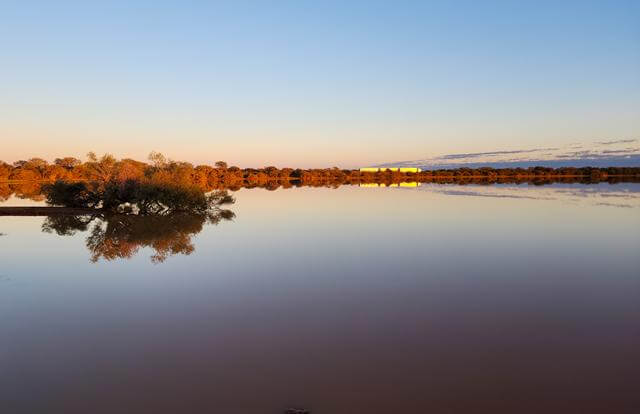
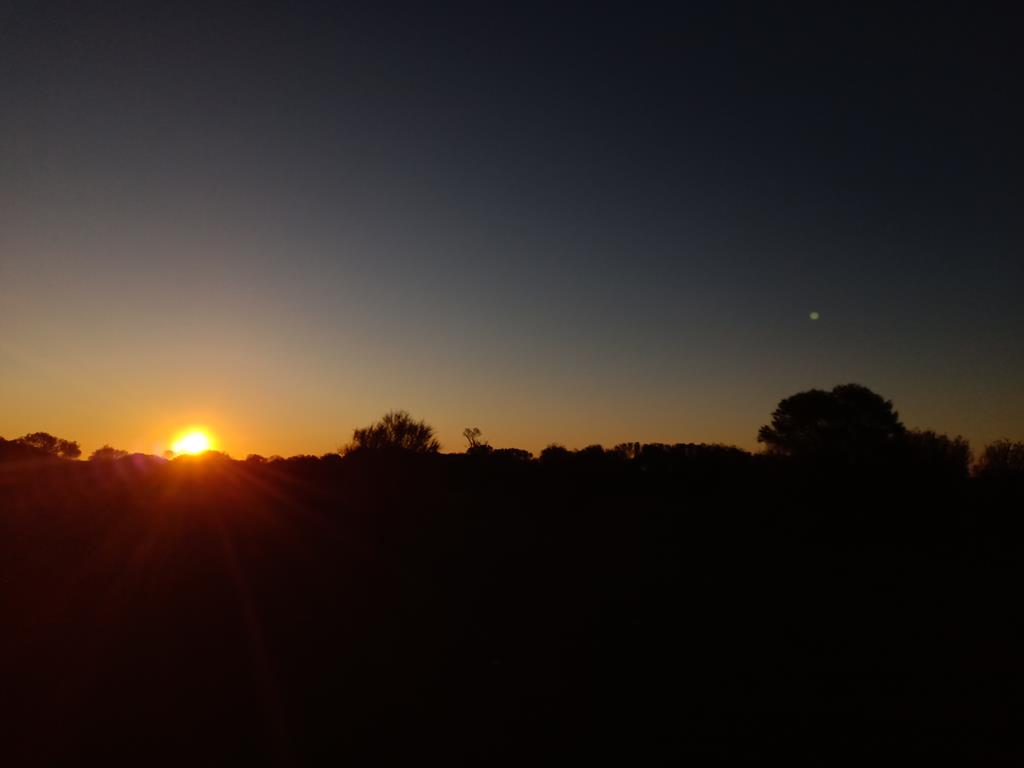
The sun is setting and we are nowhere near our destination. As I look out of the window and take a picture of the sunset, I am amazed to spot the moon next to the sun. Sun is going down and only rays of its light are now visible. The moon is shining brighter with each passing minute.
I am having second thoughts about our stop over and start to discuss with Andrey alternatives. Through wikicamp I found a place that promised to have water, which meant we could take a shower or go for a swim. It was a very welcoming thought, considering that we didn’t have shower for 2 days. I also thought that this place was nearer than Wunna Munna.
Directions to Cobbah Downs River Crossing campground
There are no clear directions to Cobbah Downs River Crossing, so the best way is to obtain a mud map from Newman Visitor Centre. Note that a permit to get there is a requirement. However, traveling at night we had no other option but to locate Cobbah Downs River Crossing campground in wikicamp and then set directions from there when we had internet connection approaching Newman.
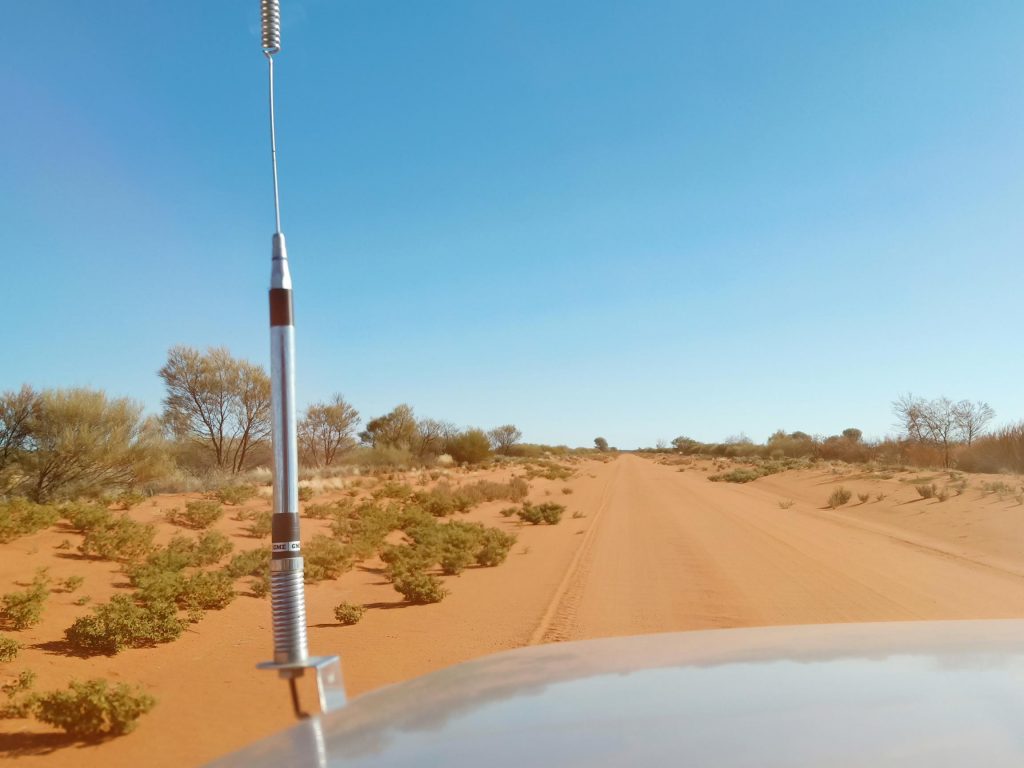
Travelling on Great Northern Highway from Perth, we turned right onto Marble Bar Road (somewhat 10 km before Newman) and covered approximately 28 km before turning left onto Kalgan Pool Road. From here this dirt road is rated 4WD, although initially it is not. Shortly after turning onto Kalgan Road, there is a fork junction and we made a mistake here by turning left too soon. The correct way is to go straight underneath the rail line and then, having passed the rail tracks, to turn left. Now we only had to travel for 17 km straight to our destination. However, this was the most difficult part of the journey.
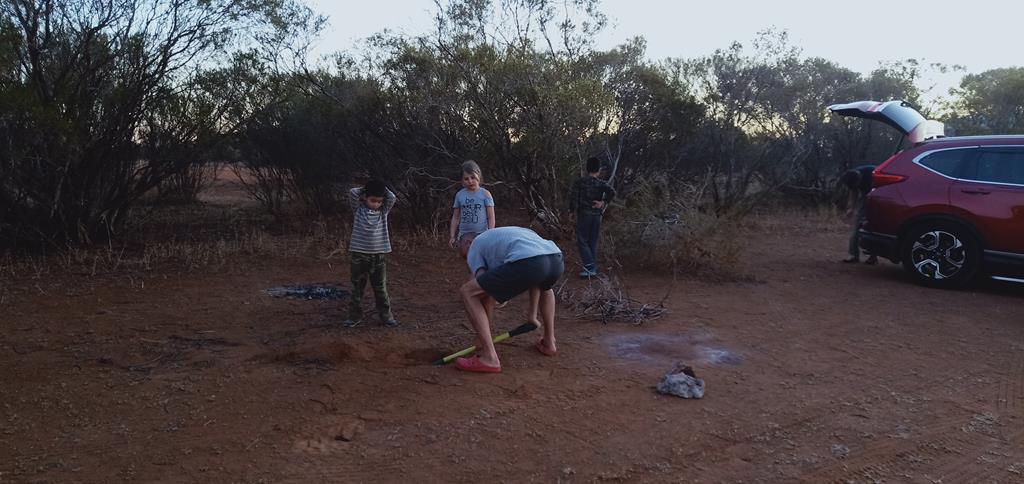
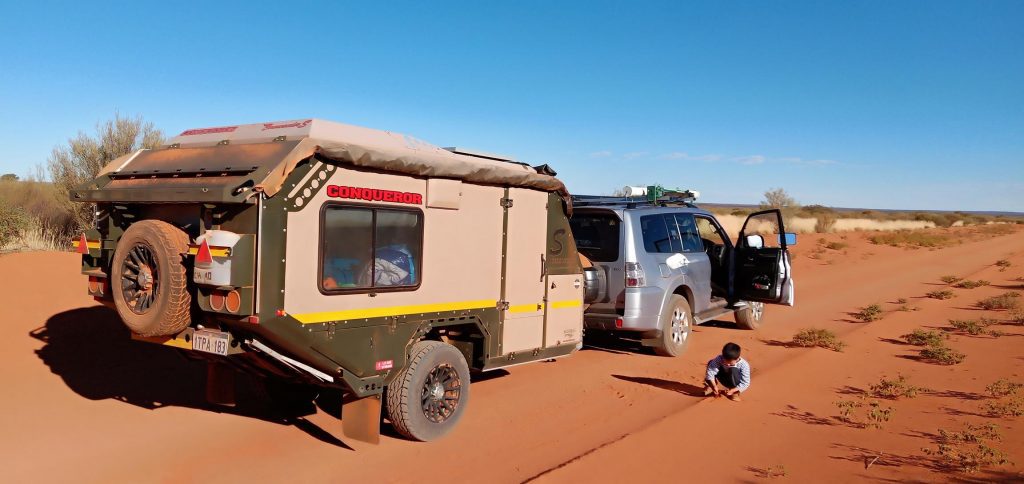
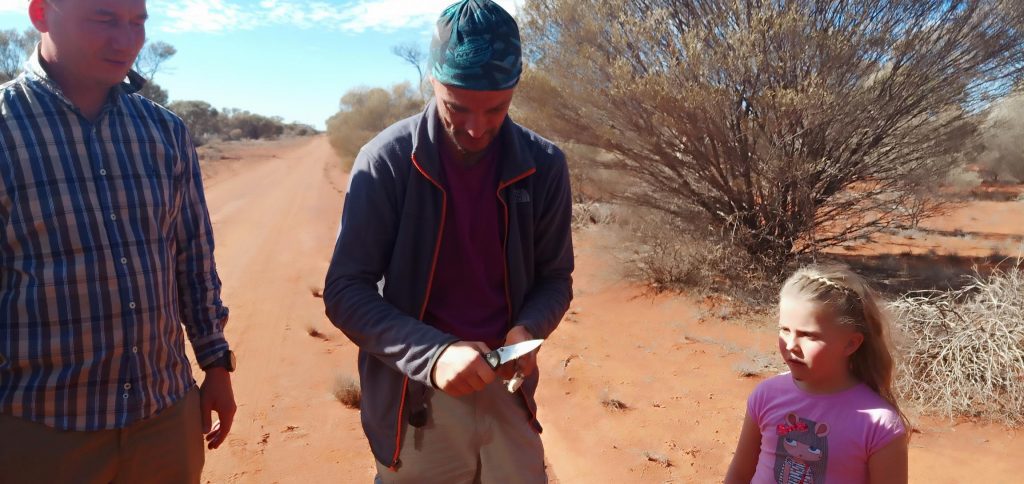
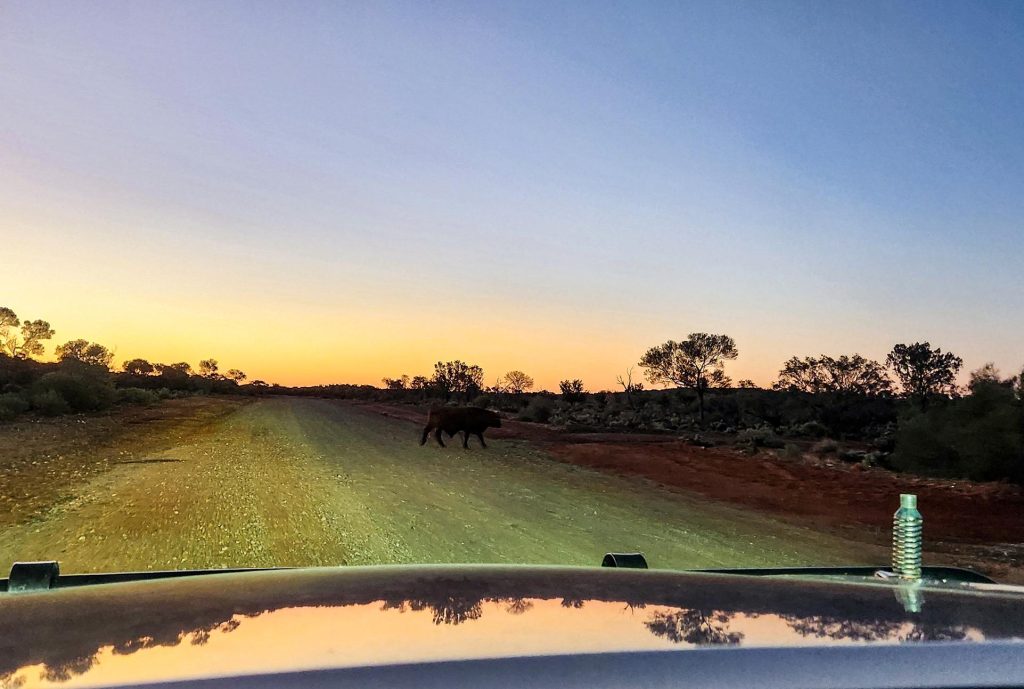
It took us 1.5 hour to cover those 17km on a badly corrugated road. Our Pajero towing 4WD caravan was managing well, but our friends in a non 4WD vehicle had some difficulty. We stopped a few times, waiting for them. Once or twice Captain Andrey had to take a shovel and level some of the holes in the road to make it a bit smoother. The vehicle rattled left and right vigorously. Initially the kids were scared, not even so much because of the rocking. The track was surrounded by bushes and they looked spooky in the moonlight.
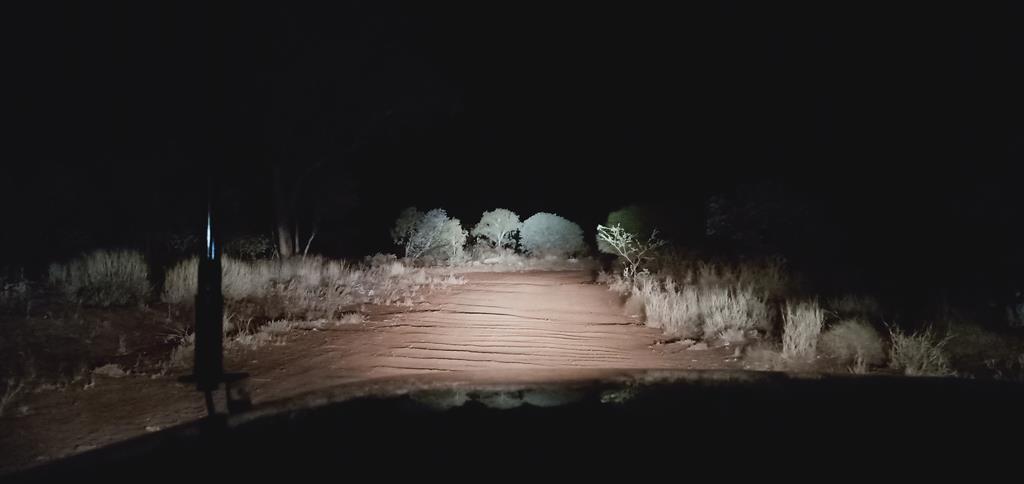
Setting up a camp
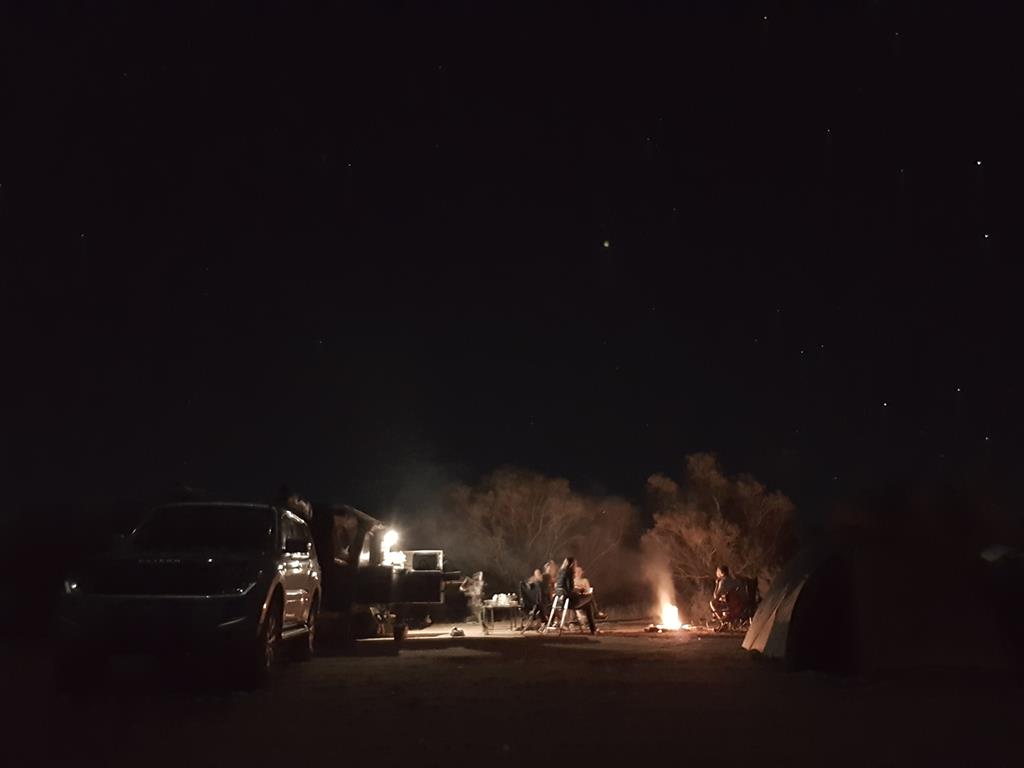
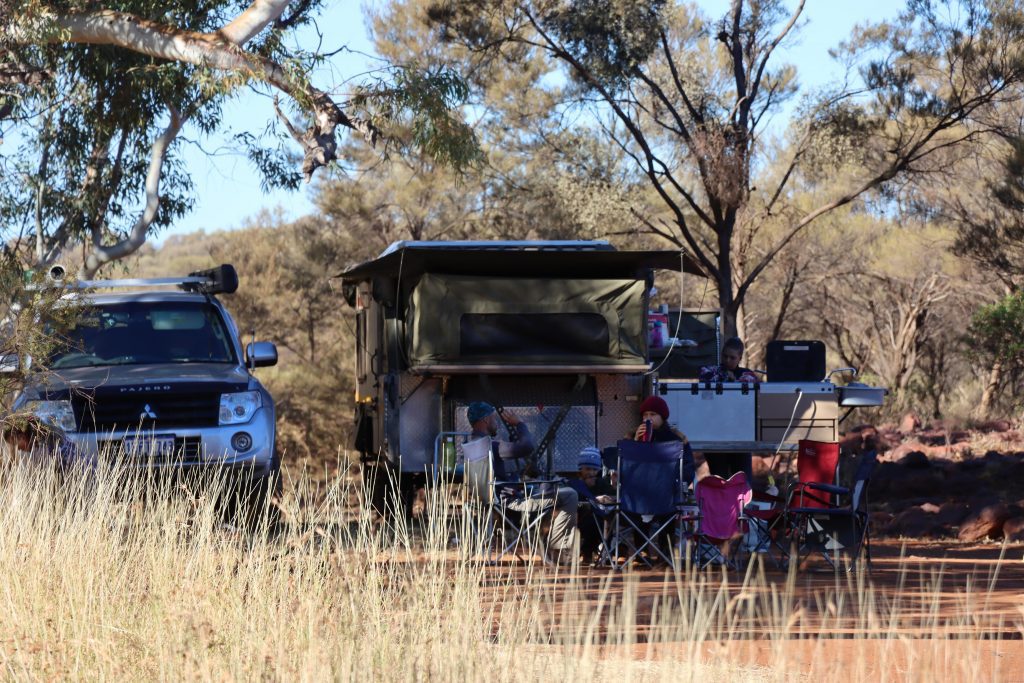
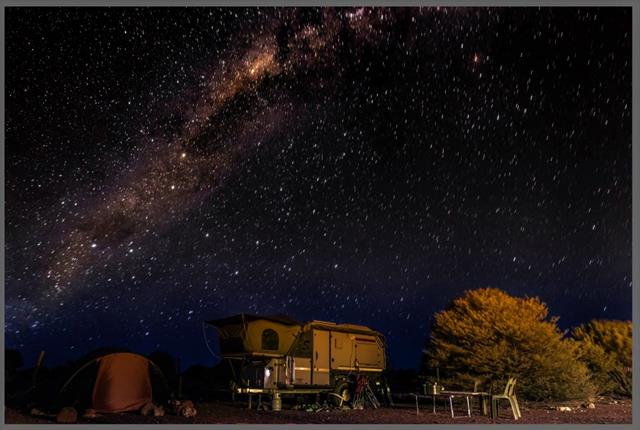
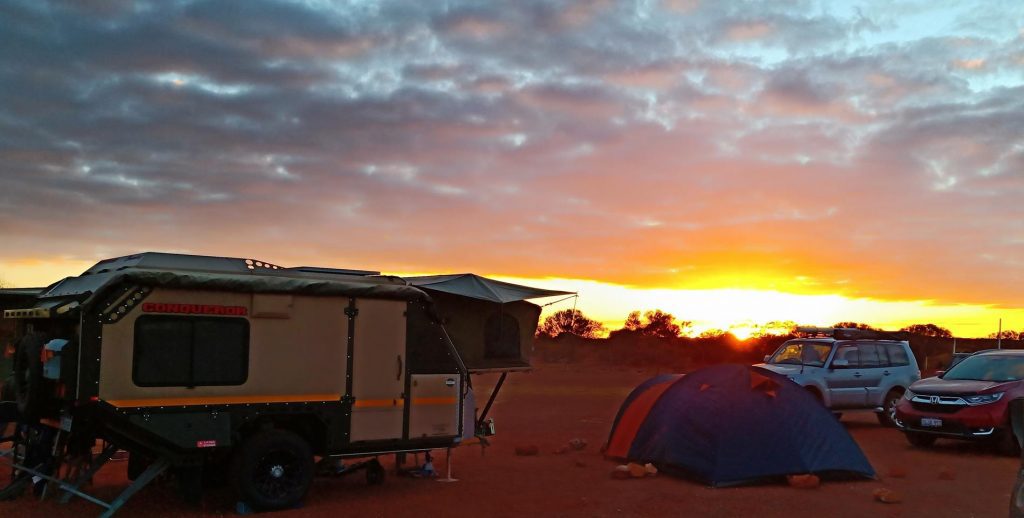
By the time we finally arrived at our destination at around 9pm, 2 of the 3 kids were fast asleep. Our friends arrived 10 minutes later. We were surprised to see that we were not the only adventurous people here. There were neighbours on our left with a camper and another 4WD with a rooftop tent across the stream.
In the dark we heard soothing rustling sound of the running water and we ventured out to wash face and feet which was very pleasant and refreshing.
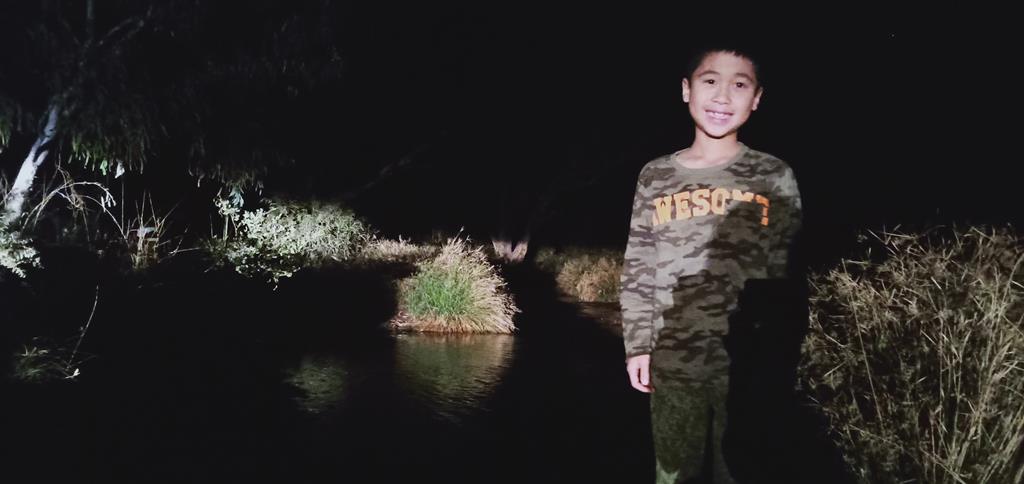
After a quick meal of canned food and vegetables we retired to bed.
Paradise
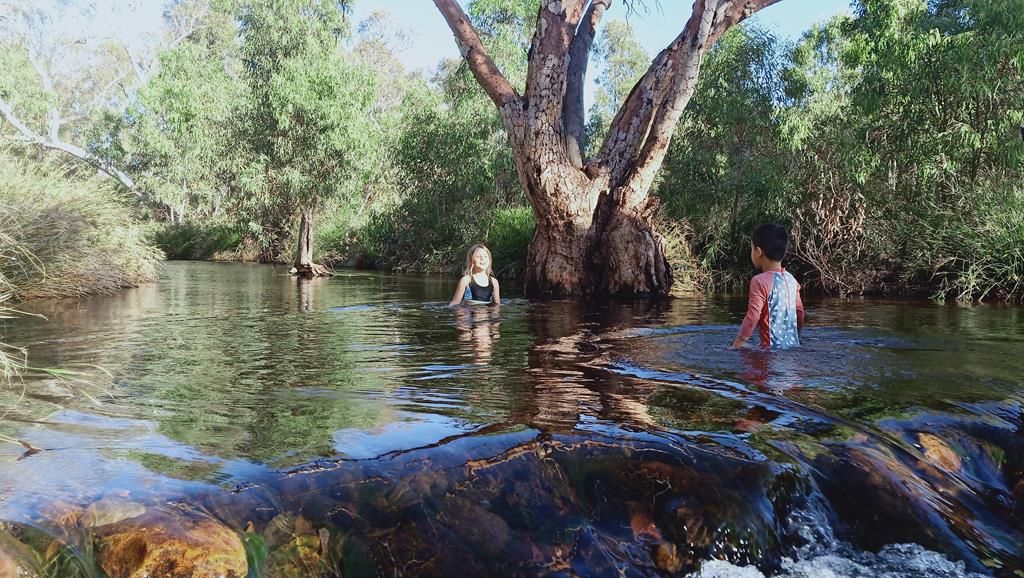
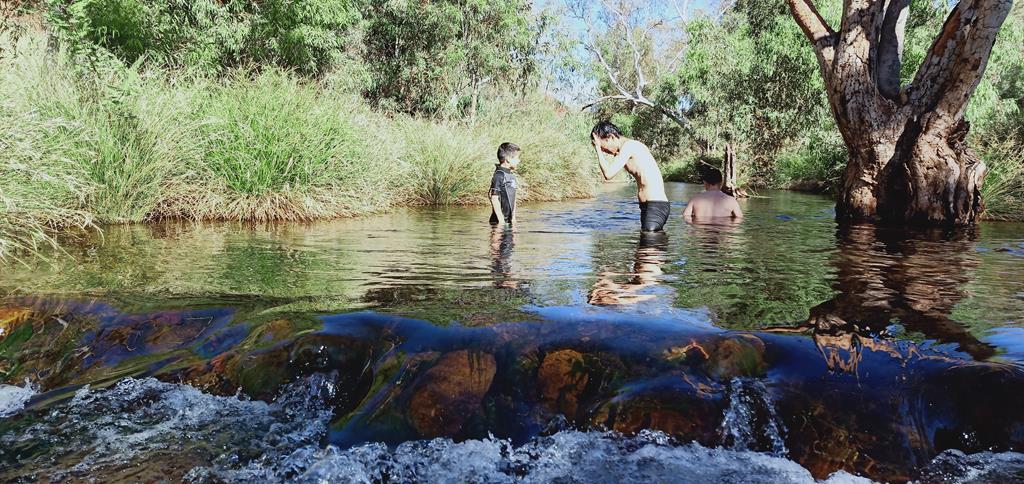
The new day greeted us warmly. We all were eager to explore this beautiful spot and jump into the river for a much-needed cleansing.
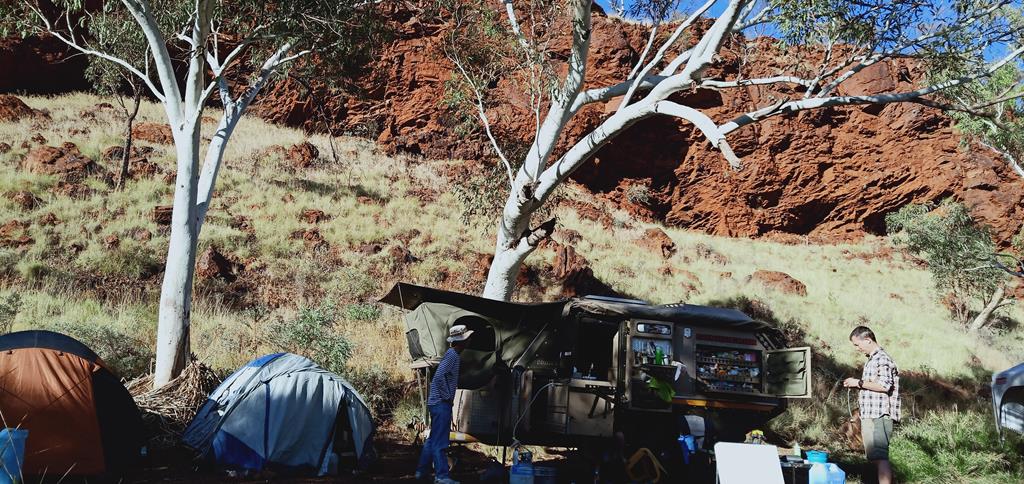
This place was so above our expectations (Andrey did jokingly promised that we would have swimming pool with a bar there) that we decided to stay the whole day and an extra night there so we could soak the beauty of this place and recuperate after a lot of driving for the past two days.
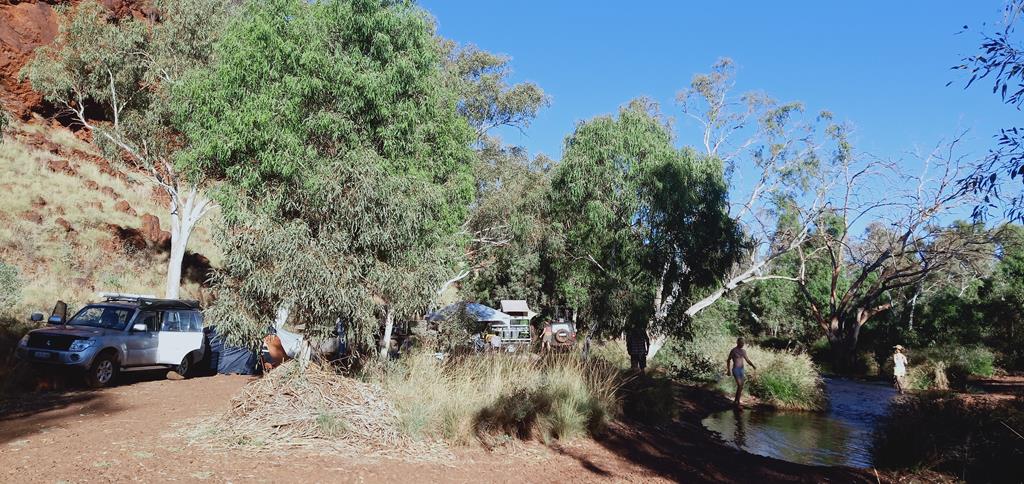
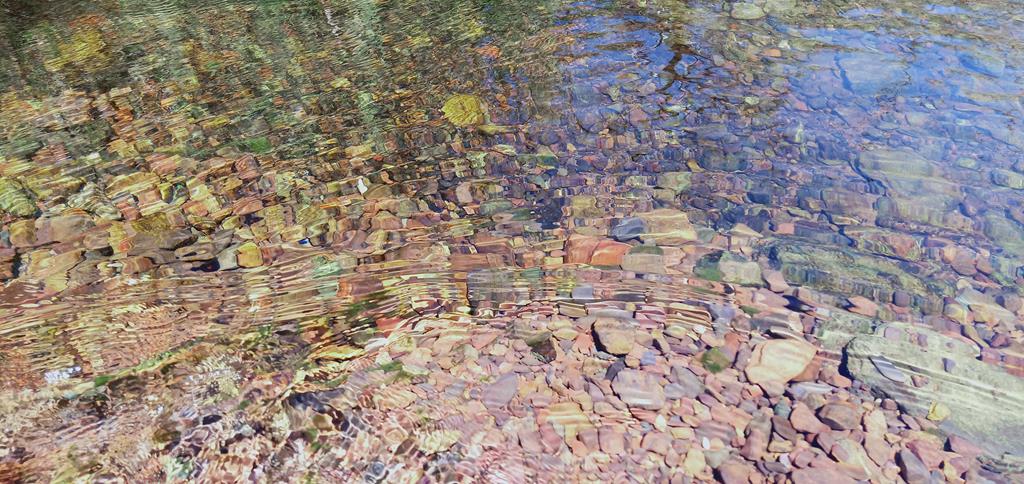
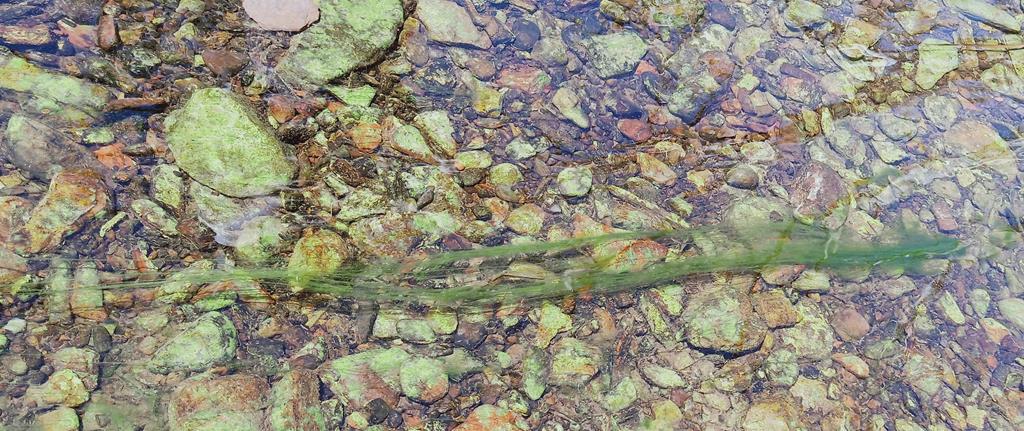
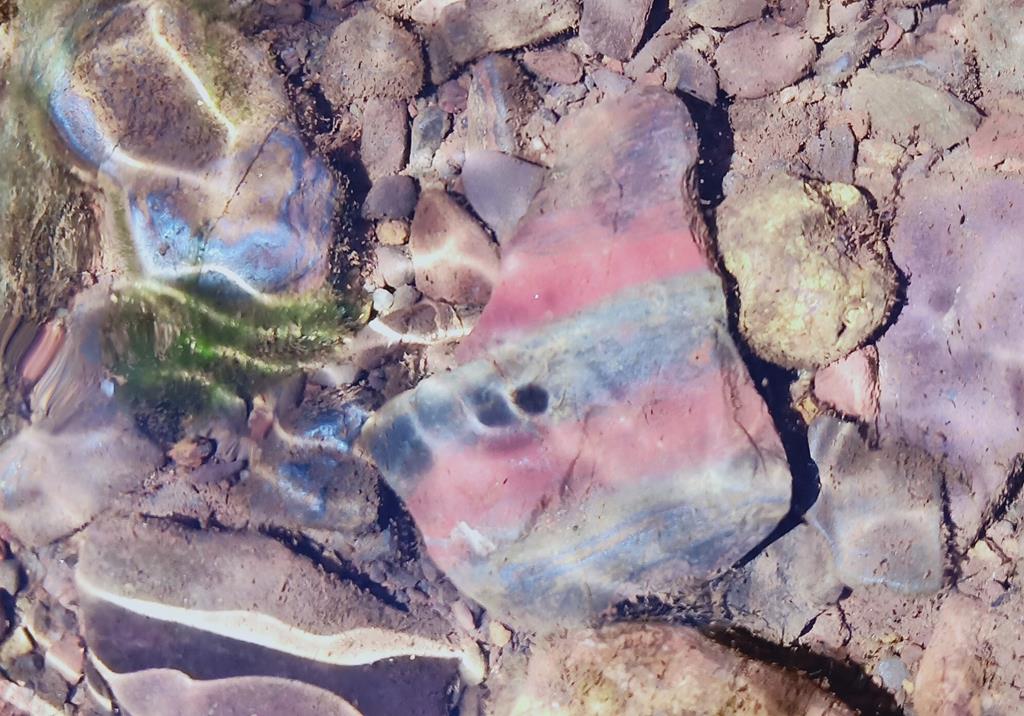
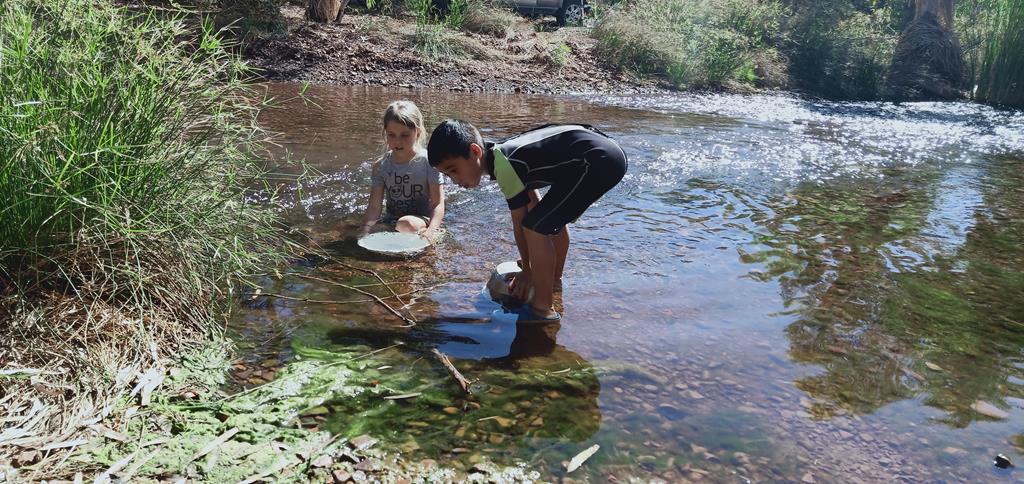
We couldn’t get enough of it. Crystal clear running water, revealing magnificent colours of the rocks and mermaid like seaweed underneath was mesmerizing. Where the rocks piled, the water was cascading, forming nice waterfalls and little swirls which were a delight to observe. The kids were having great time chasing each other in the water, while the adults cleansed themselves thoroughly by soaking.
4WDriving baptism
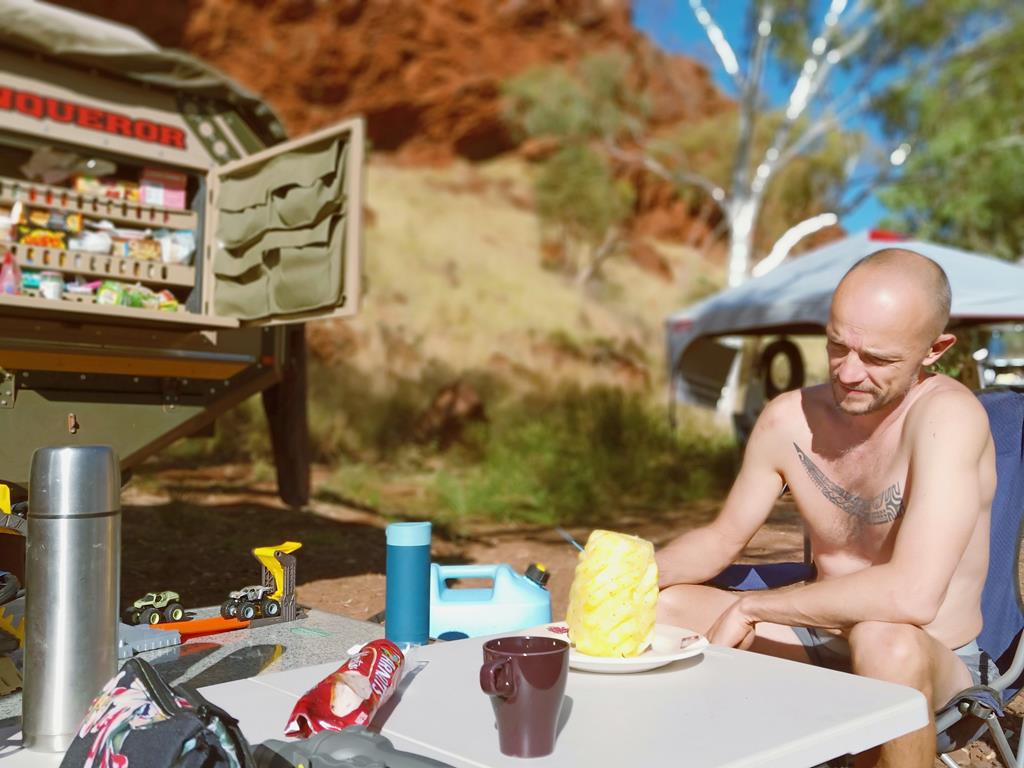
While snacking on fruits we watched a number of 4WDs pass by across the stream.
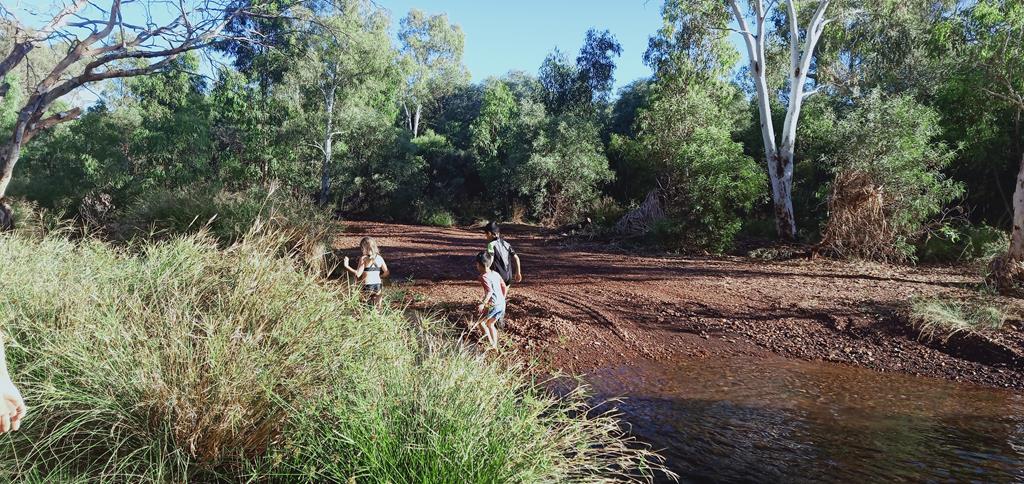
This is where a strong desire to do the same was born in me. Neither me, nor my husband has never done this before and we were pretty much novice in real 4WD driving. Like a bird mother that kicks our her youngsters, Andrey refused to drive and said that we must do it ourselves. Let’s go for it! I was thrilled at the opportunity! The kids readily jumped at the back.
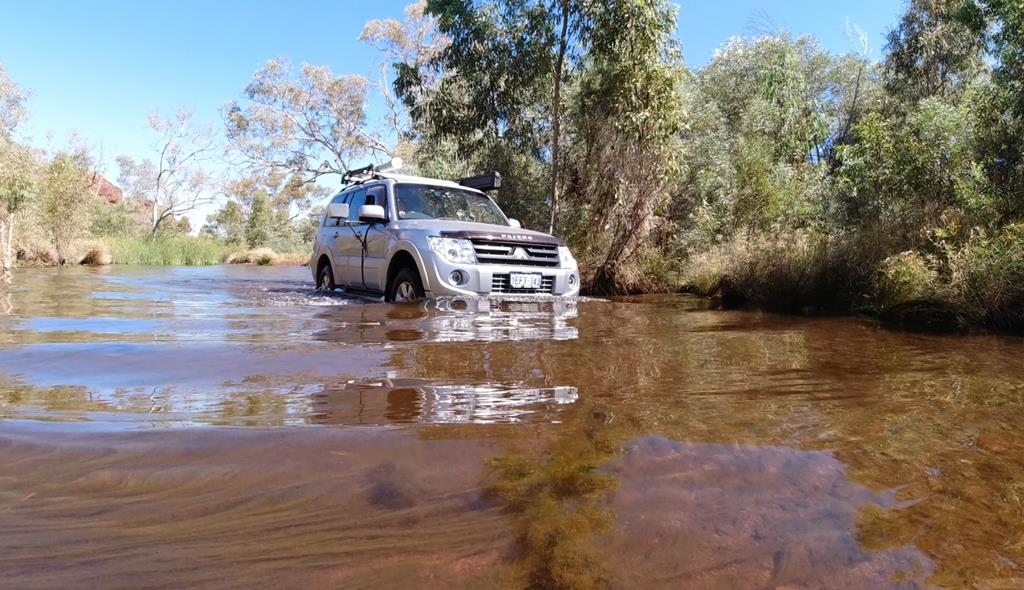
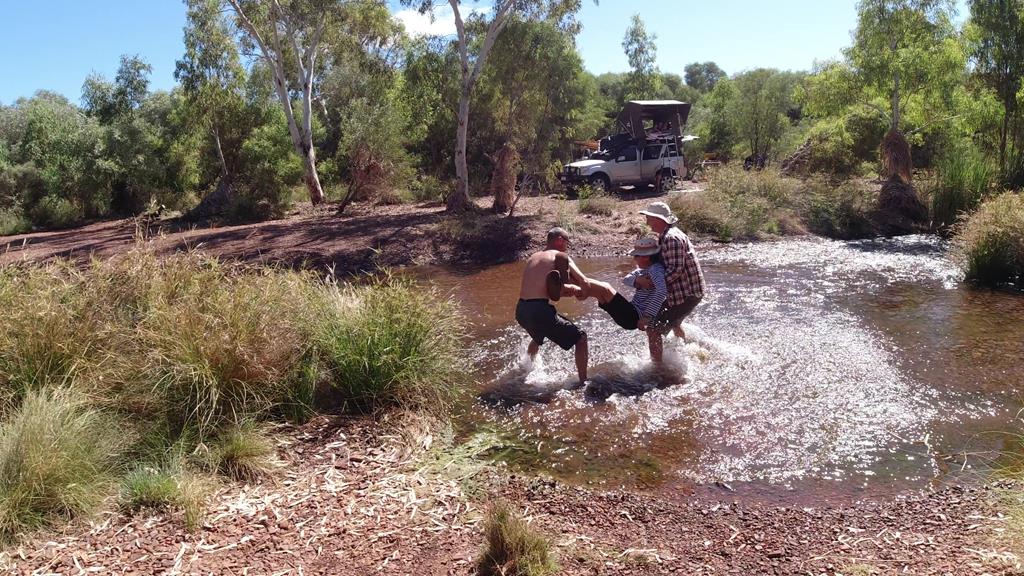
It was a true sense of adventure and achievement driving across the river for the first time. The key here was not to stop and keep driving all the way. Our achievement was celebrated by a Baptism ceremony performed by Andrey and Sergei, signifying that we are now officially 4WD travelers (Brian being the head of the family was the one to receive it 😊).
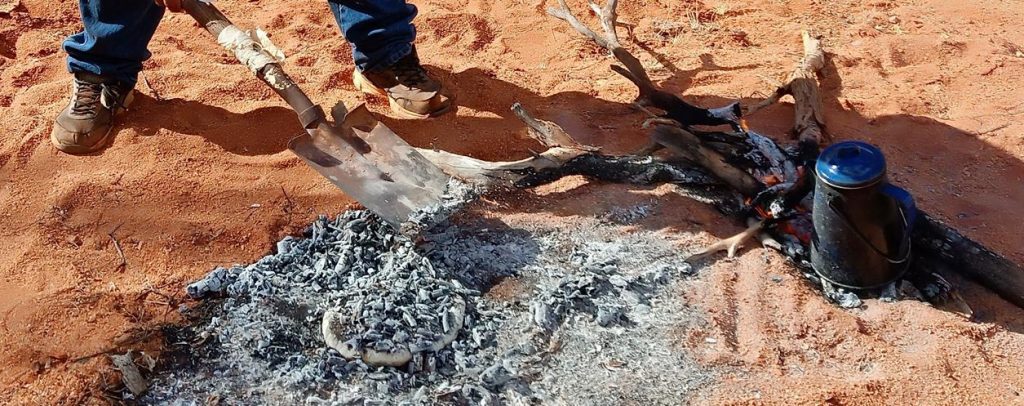
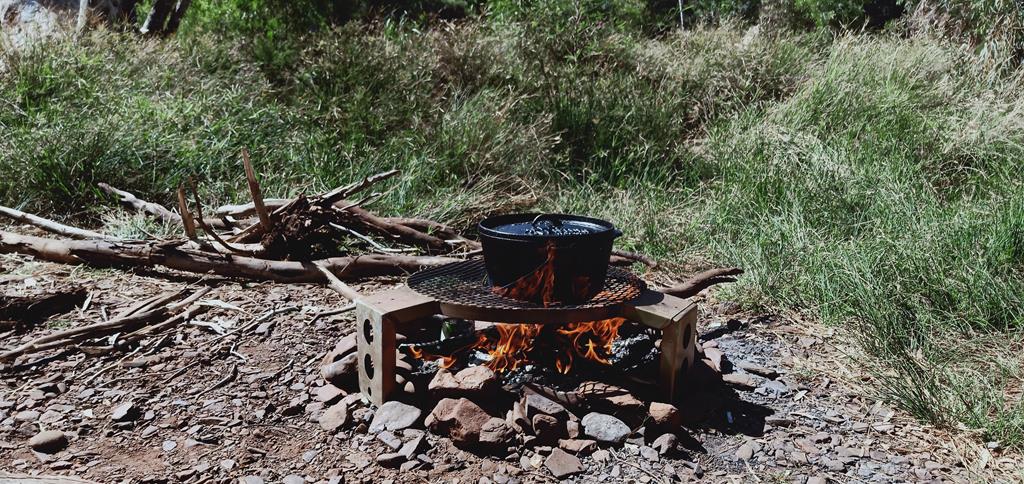
Having running water at our disposal meant that we could use it not only for a swim or bath, but also for cooking. Ultimately, true camping means utilizing what the nature gives you, including water. Hot soup prepared with water from the stream in a campfire stove tasted delicious!
Hiking around
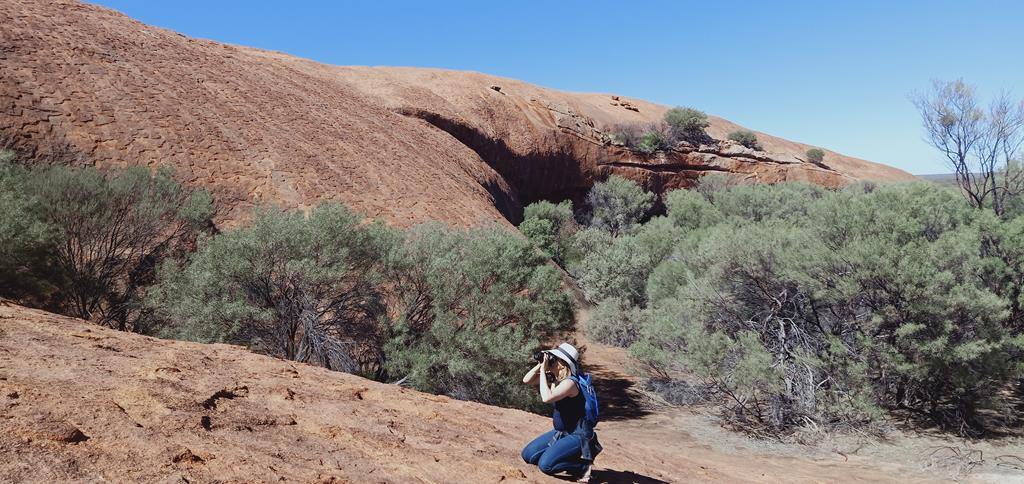
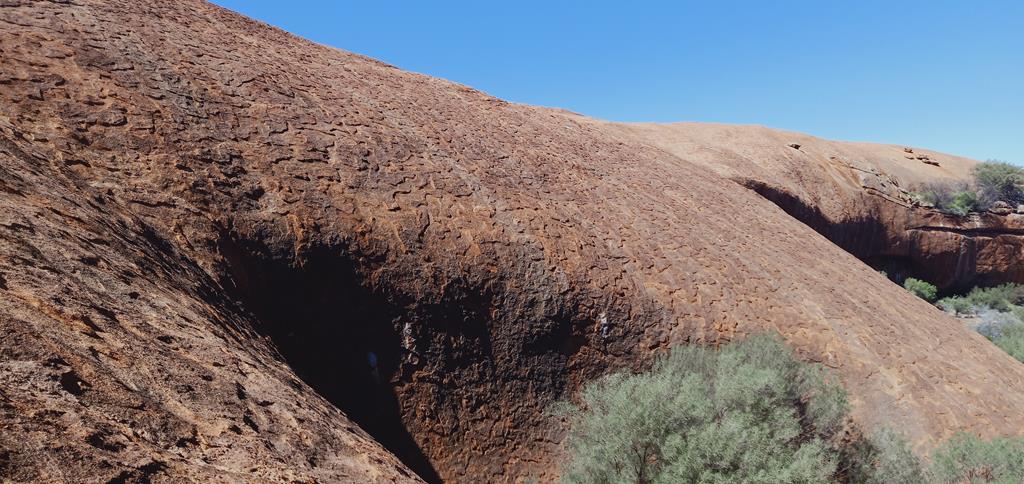
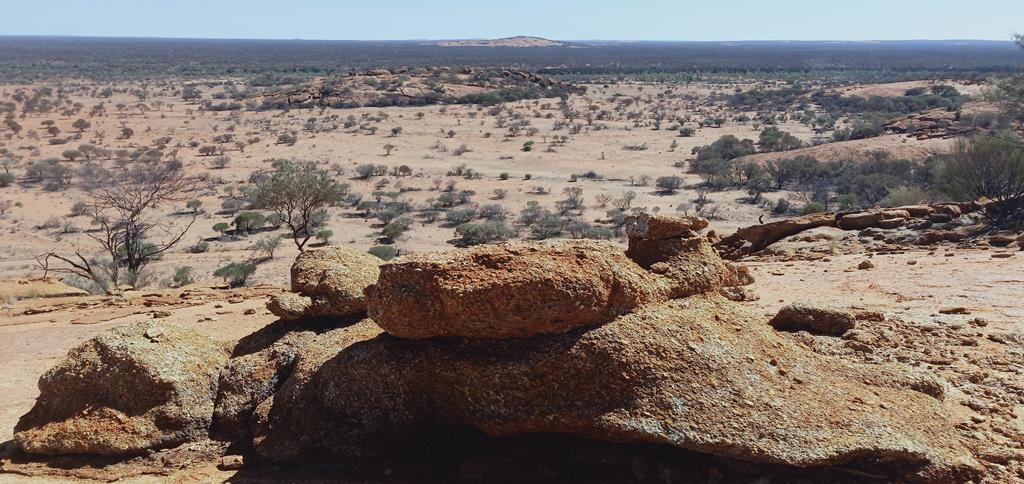
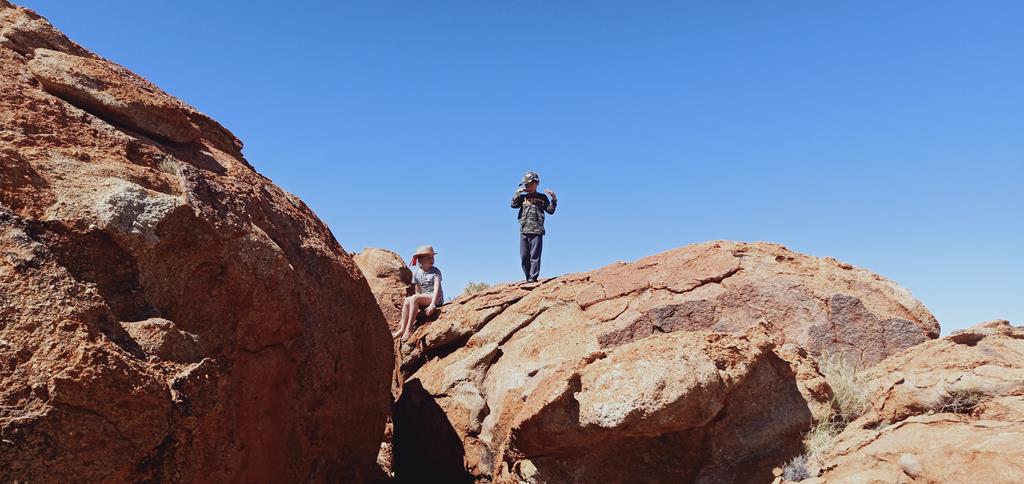
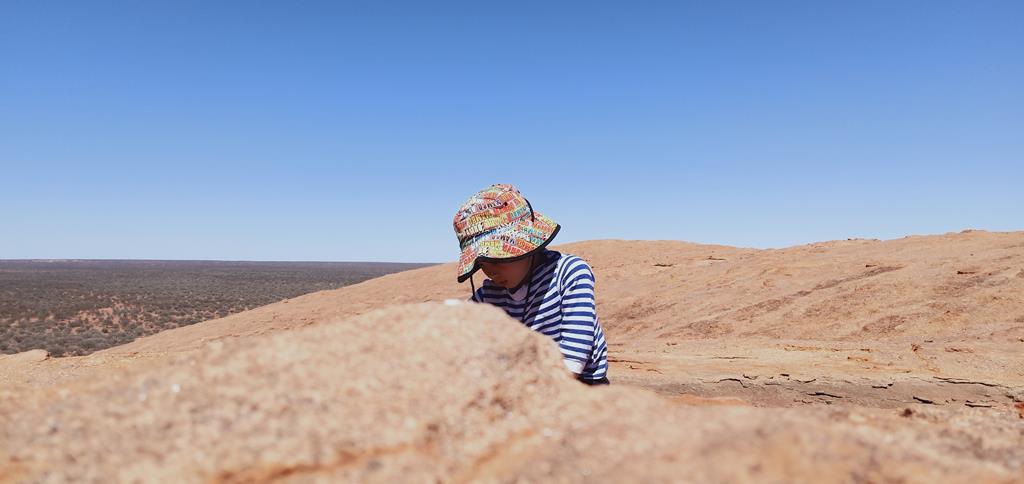
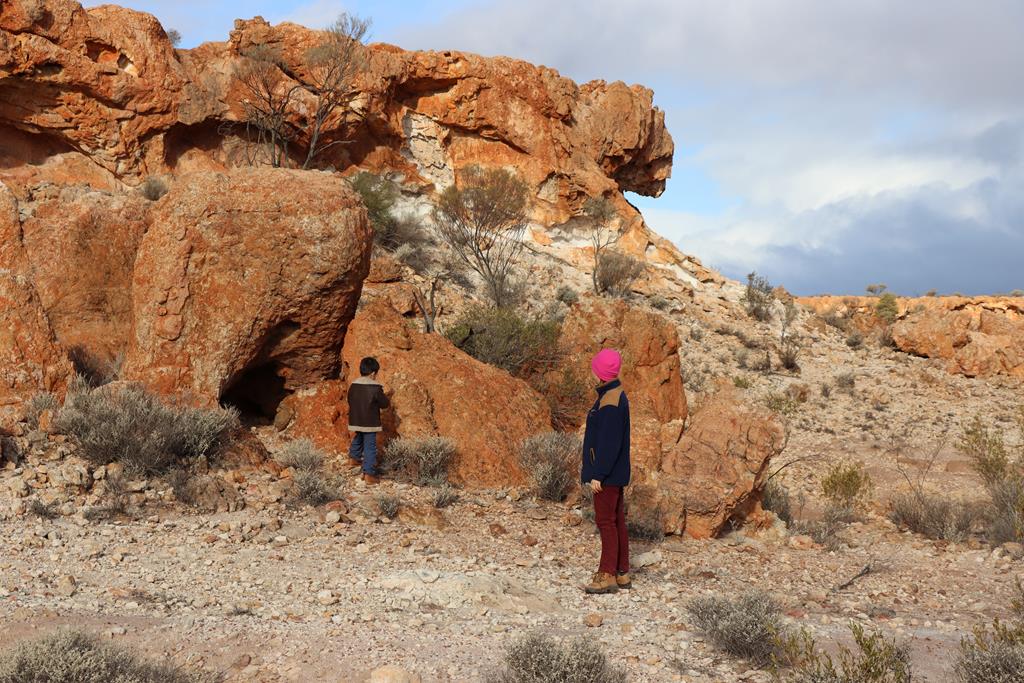
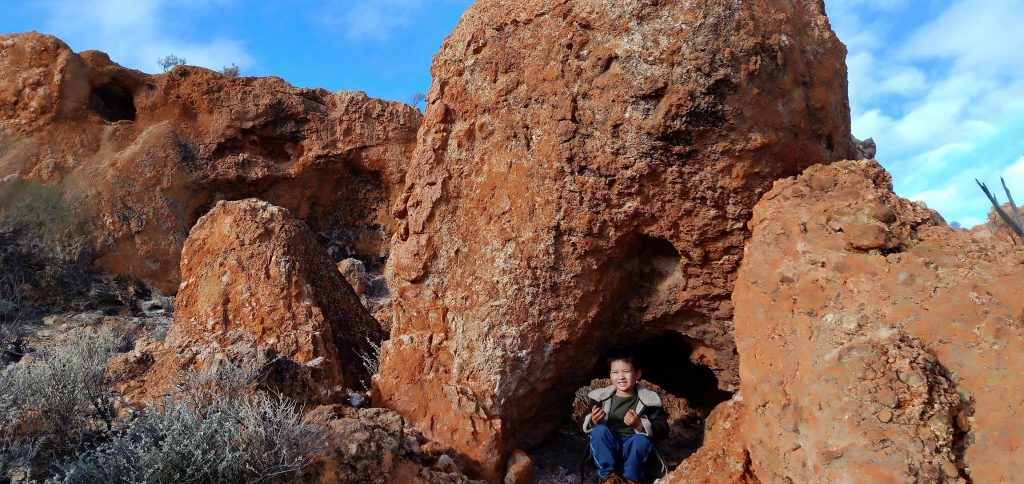
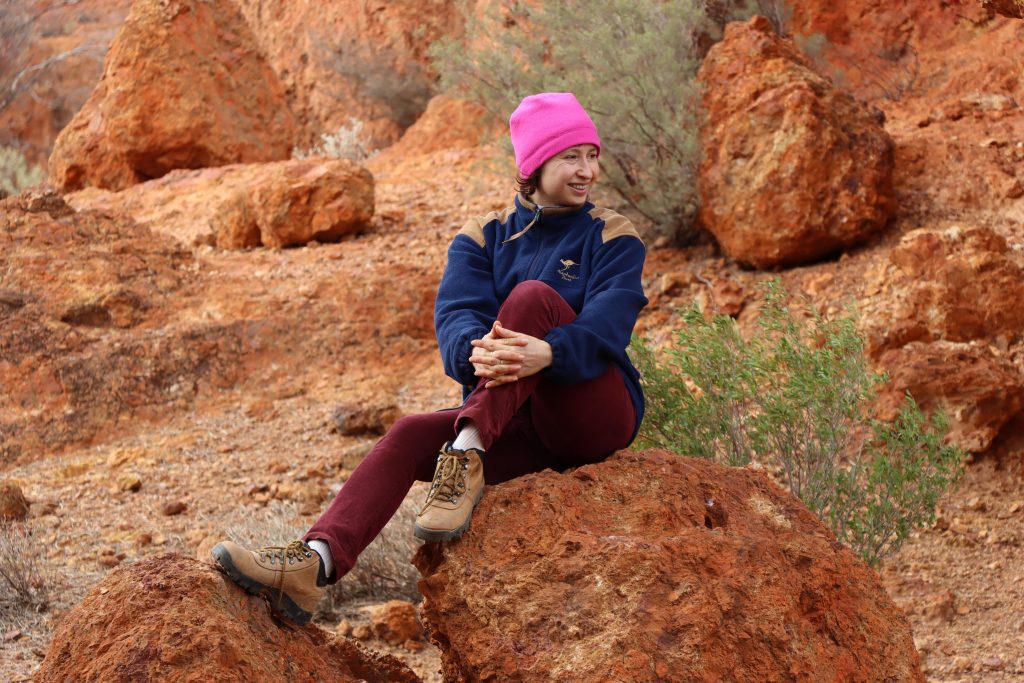
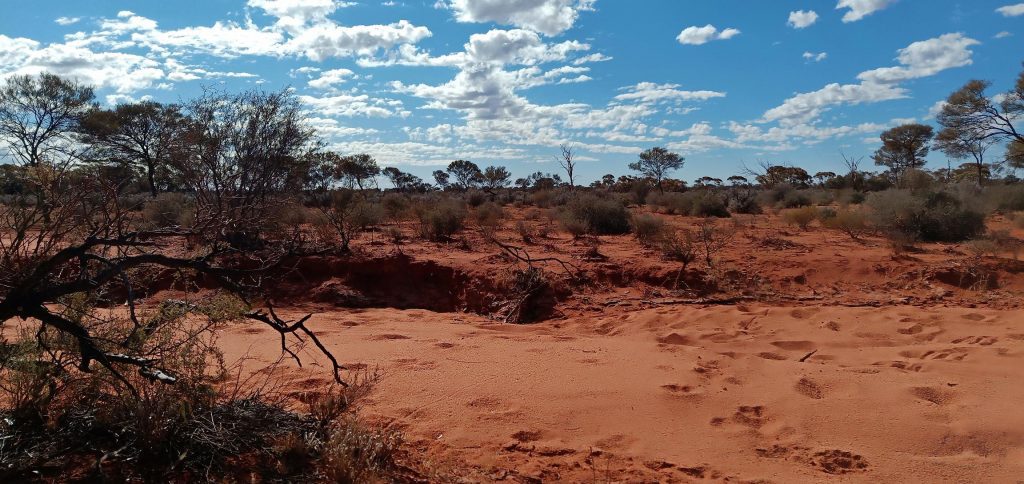
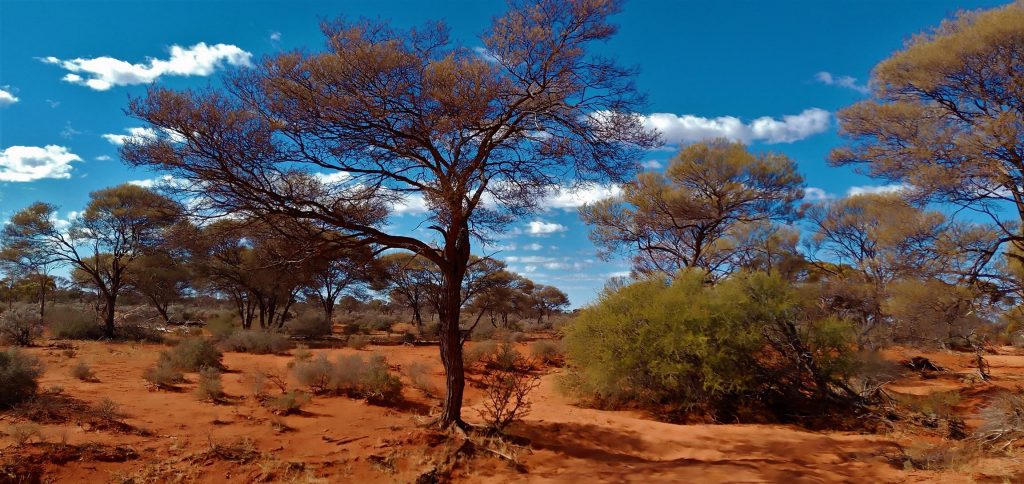
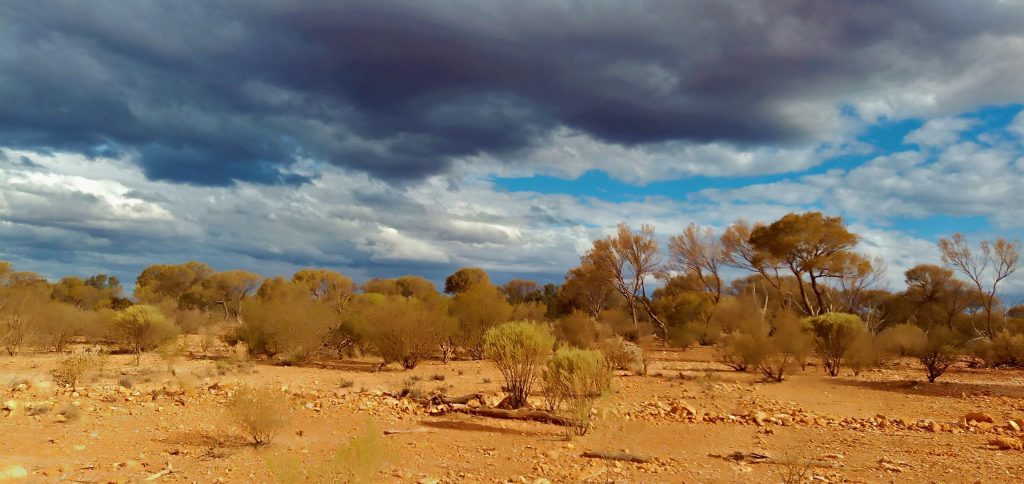
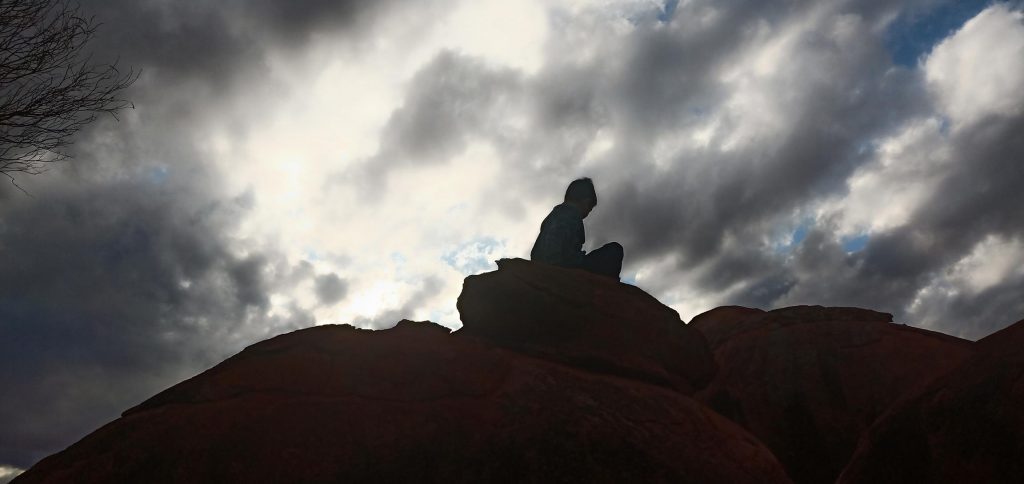
Having rested after lunch, part of our group set off climbing up the hill and exploring that area. The colours of the blue sky, red earth and green bushes formed a magnificent contrast.
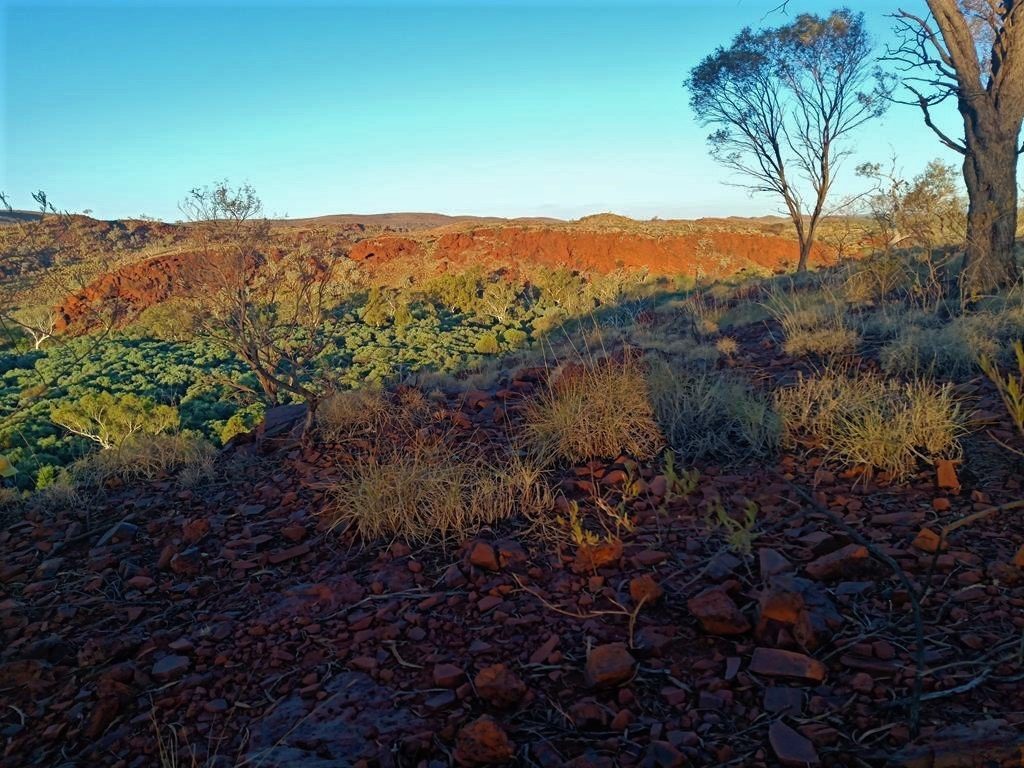
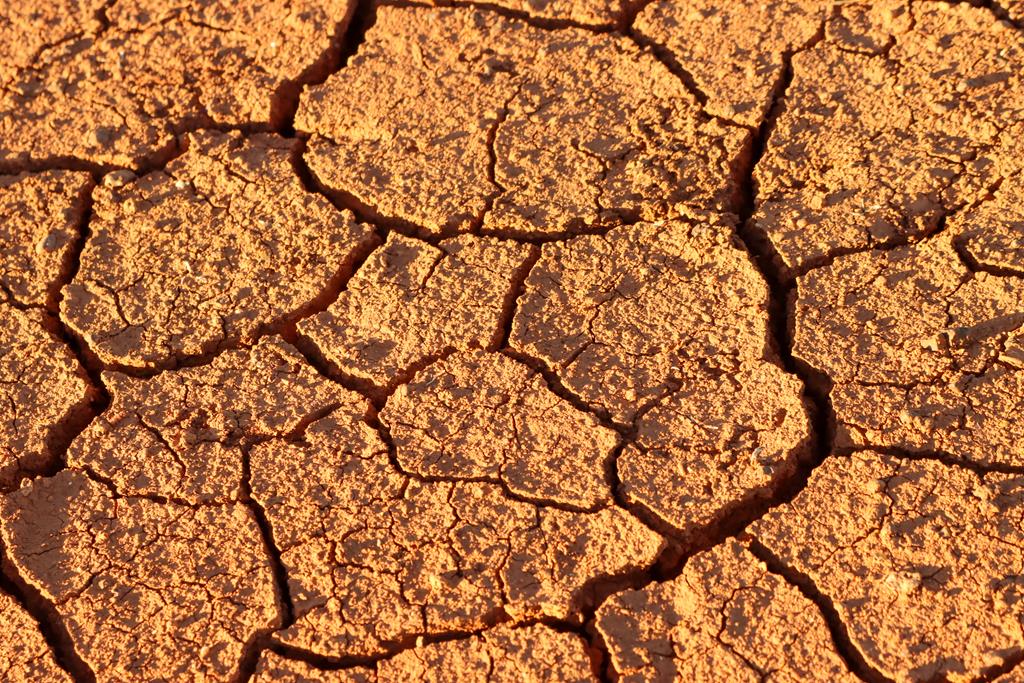
Climbing up the hill, while stepping on the rocks, we discovered that they produce metallic sound, when they hit each other, indicating just how much iron ore they contain. The rocks were of various sizes, colour shades and patterns.
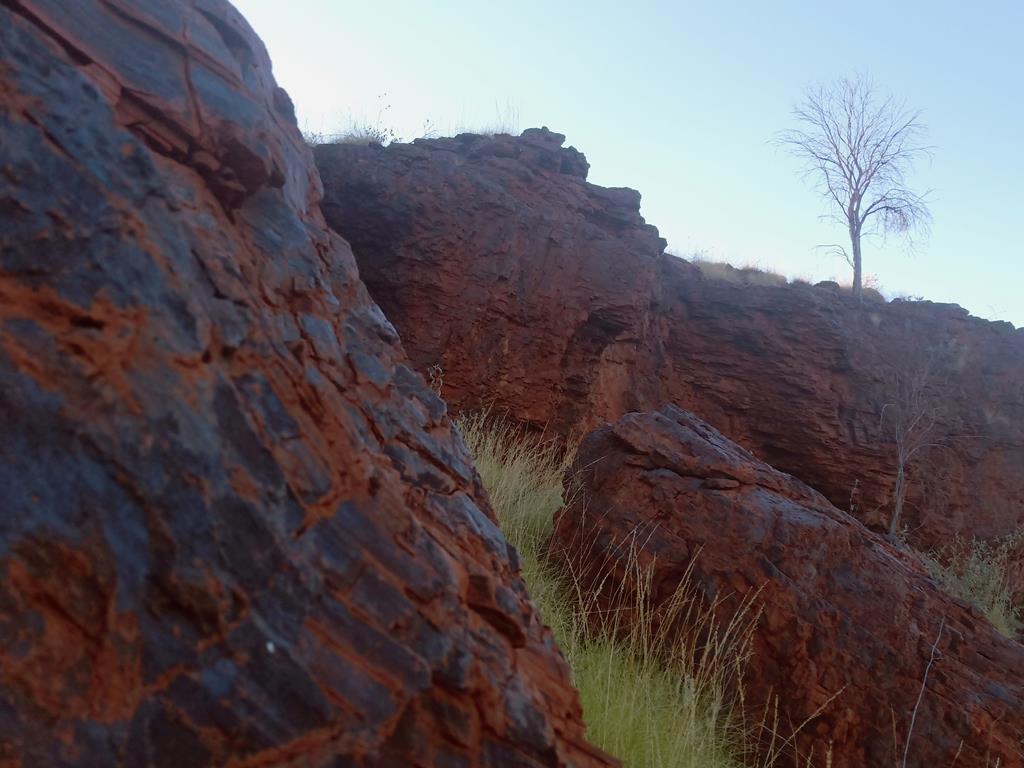
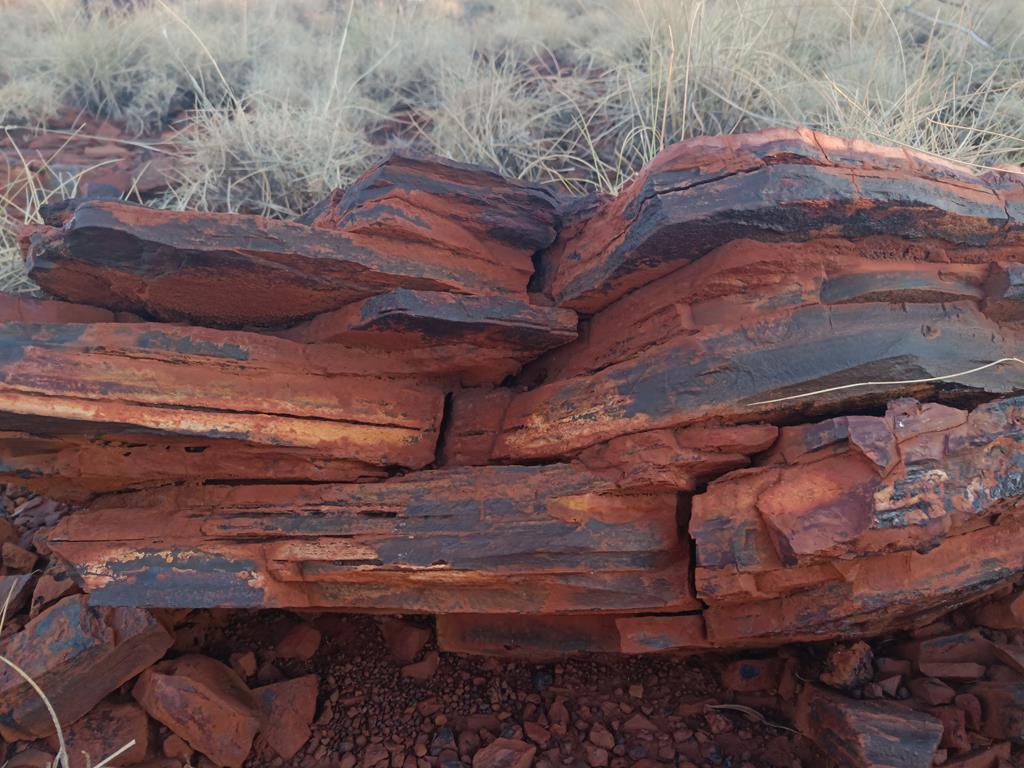
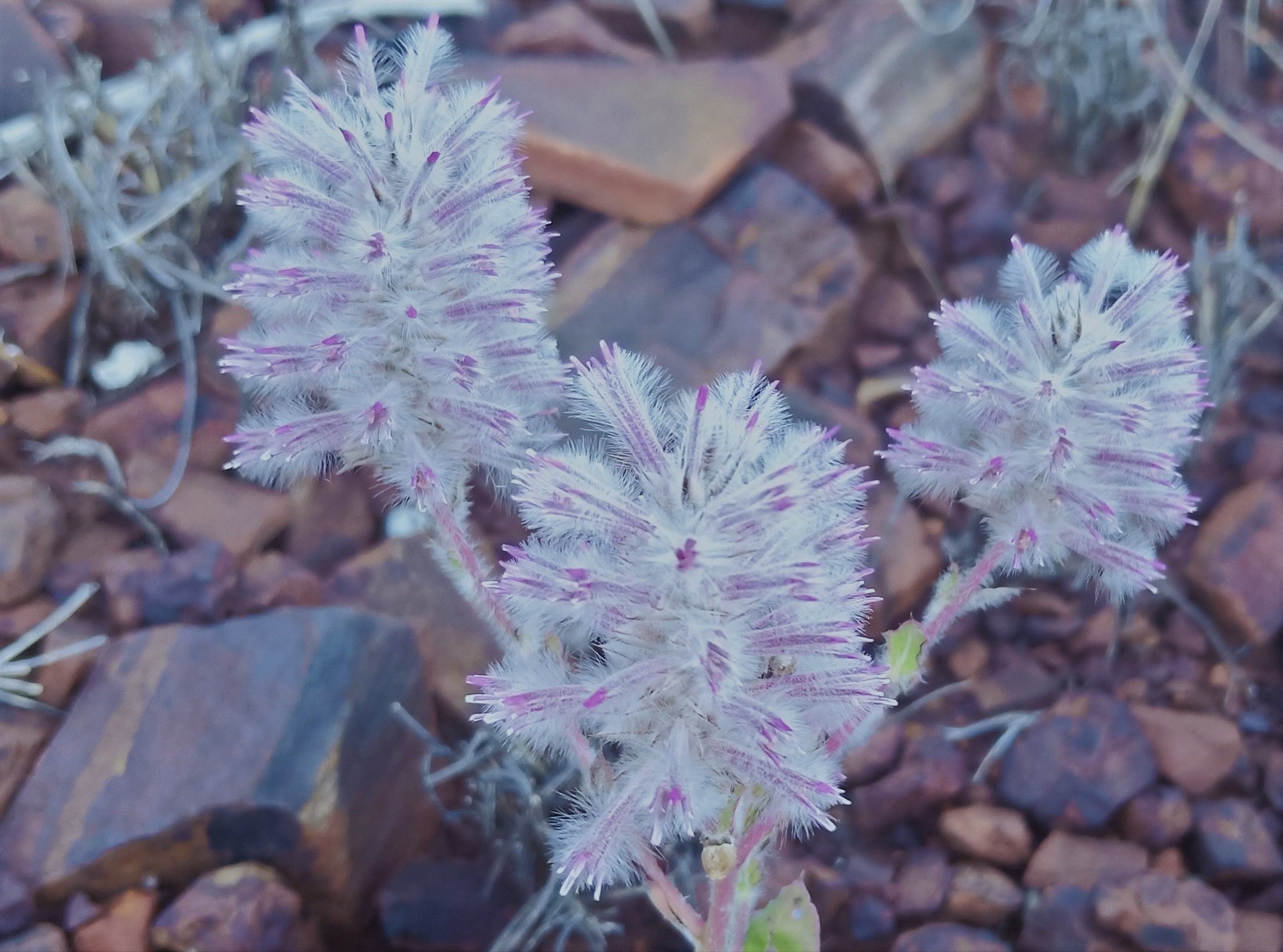
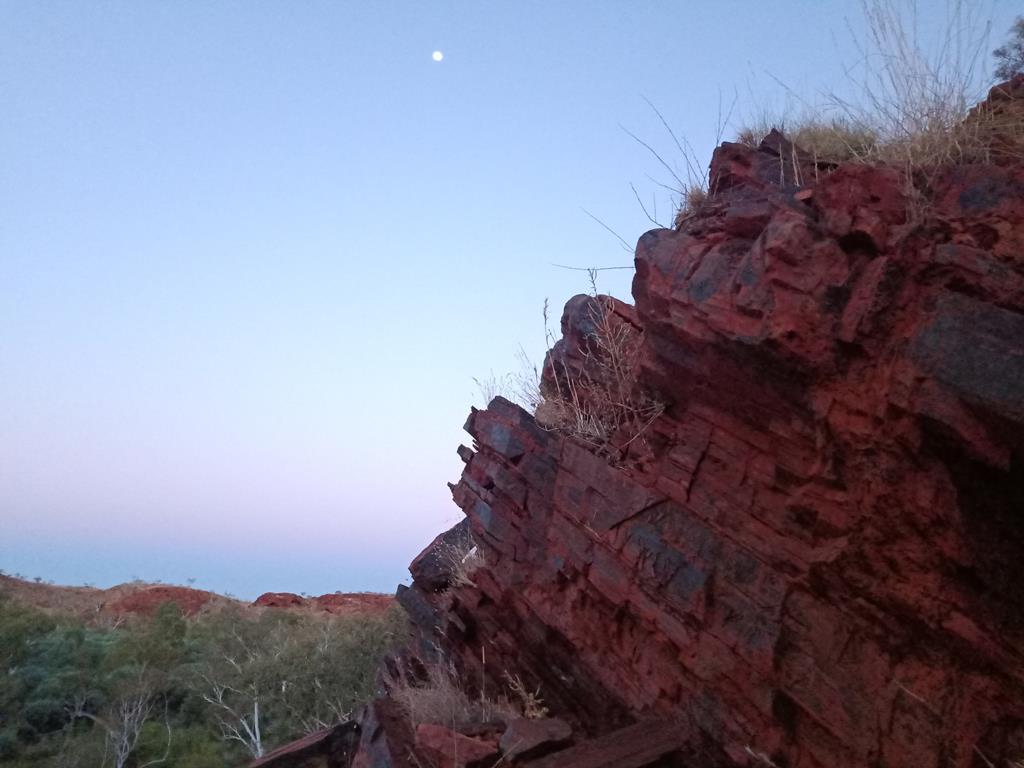
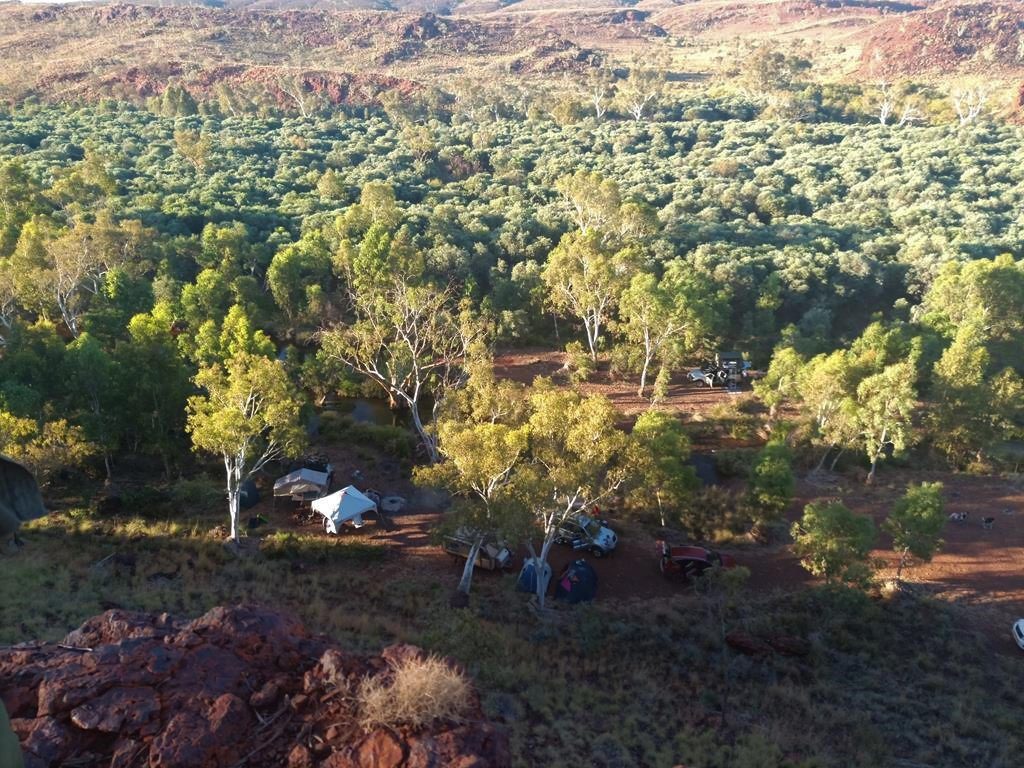
The only way I could leave this paradise is by first capturing numerous images on the camera, so that I could remember and reminiscence the “out of this world” beauty of this amazing and unspoiled place in Pilbara.
Driving back to Newman, we saw in the daylight just how bad the corrugation was.
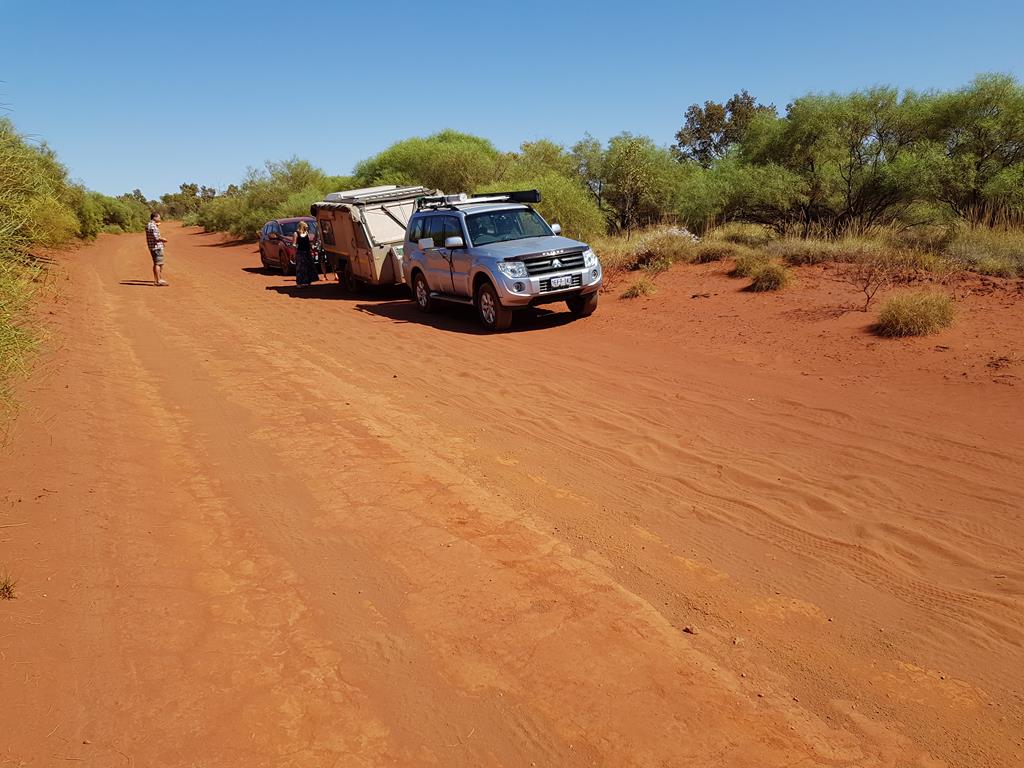
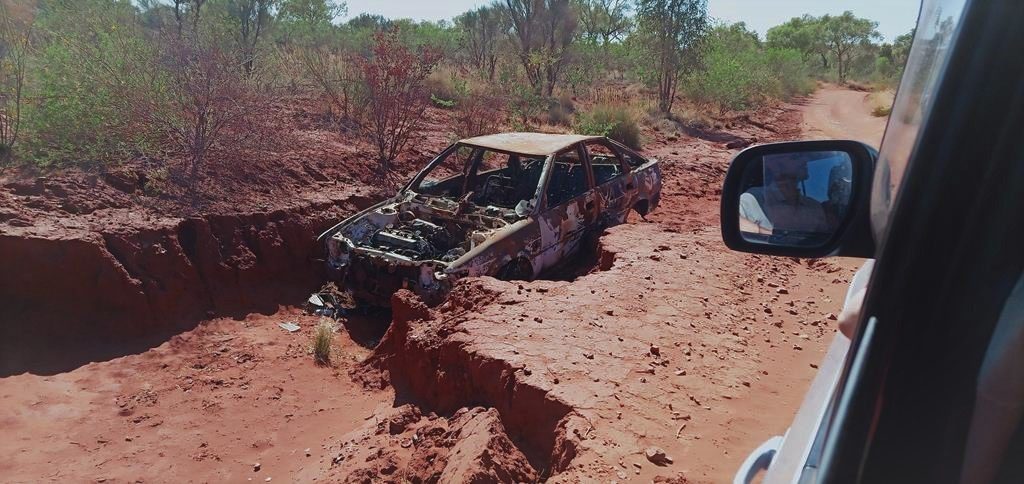
But the trip seemed to be shorter and a little bit easier than the night journey two days ago. Fascinated with Pilbara region we wanted to explore a few more places before heading to Karijini. See in you in the next post!