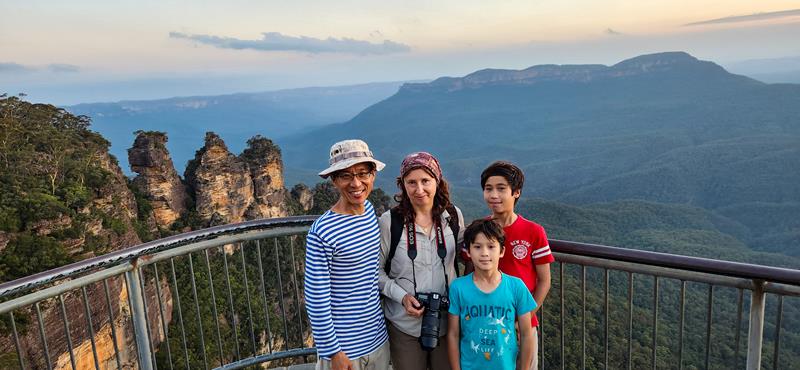
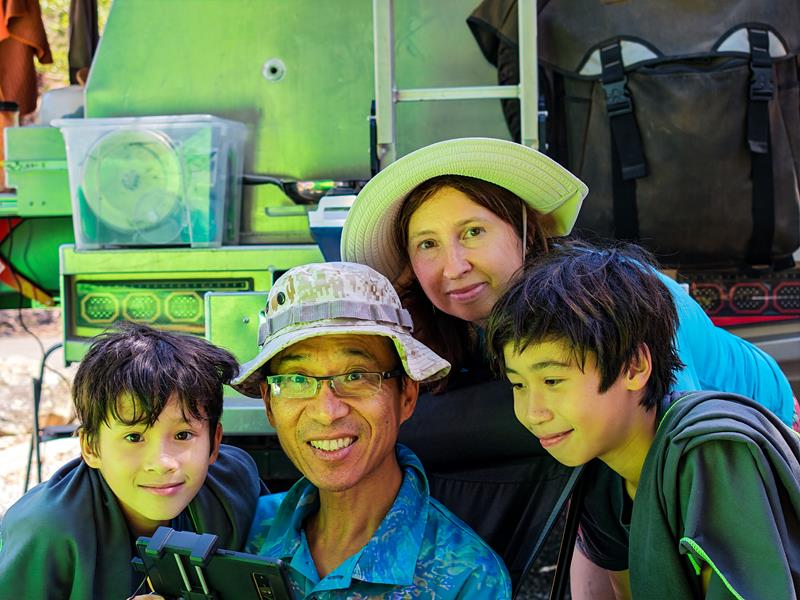
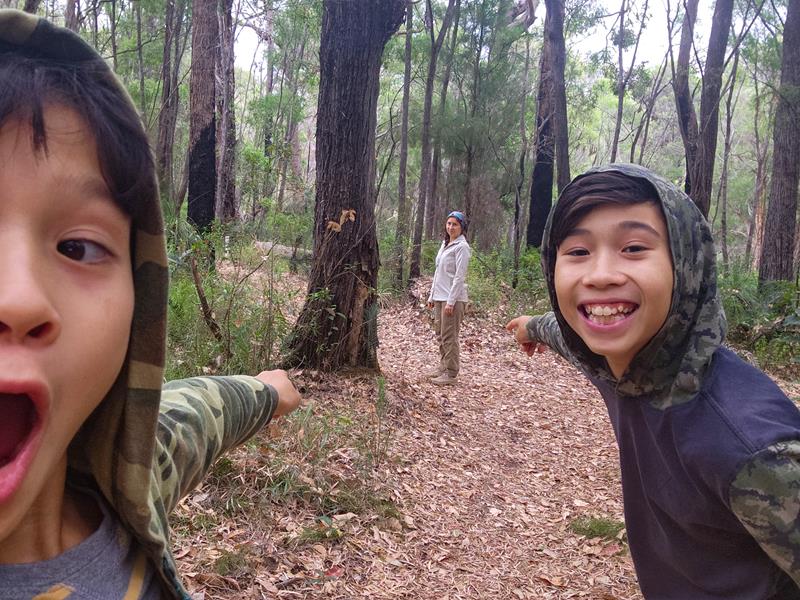
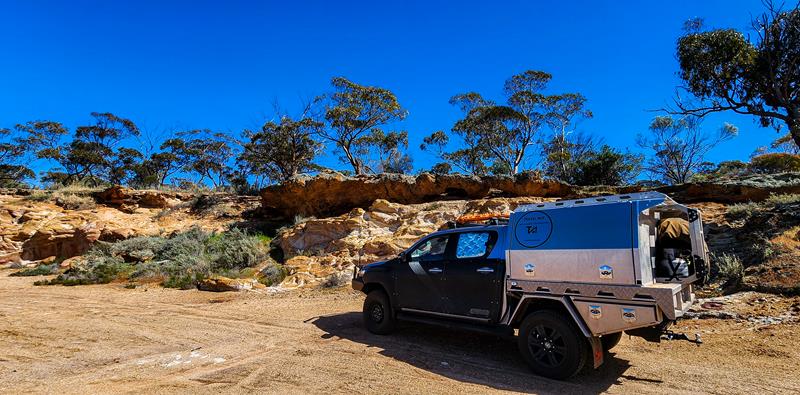
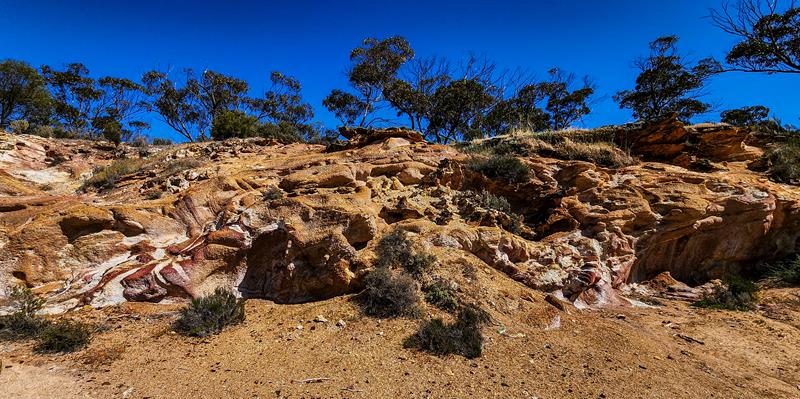
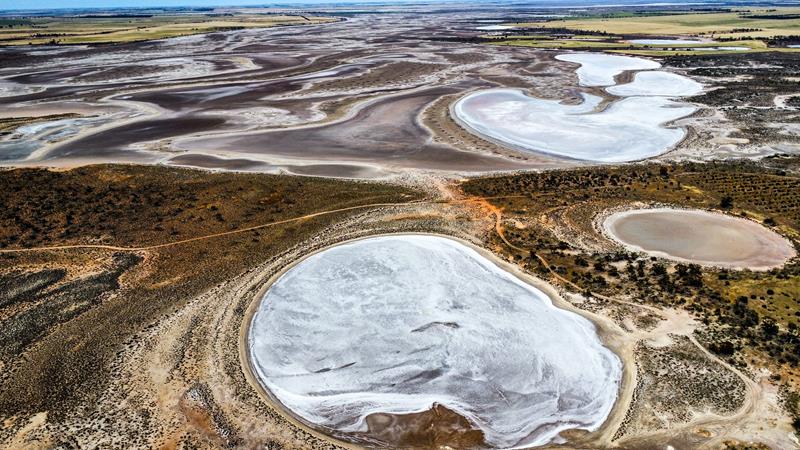
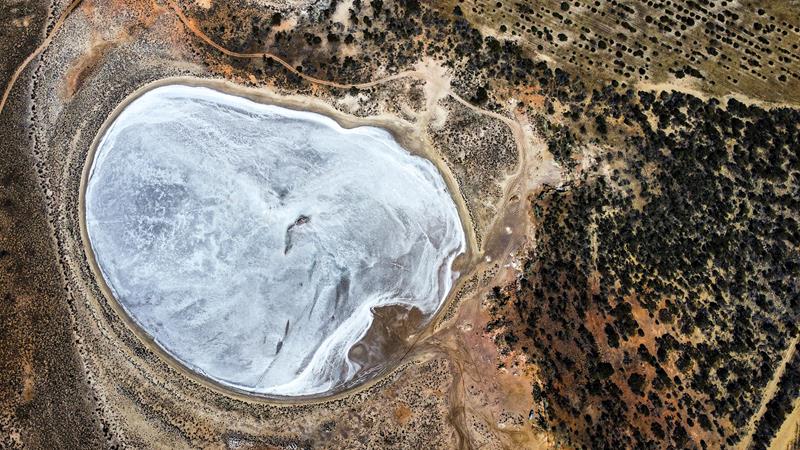
We are a family of four and are nuts about traveling. Our name reflects this! We love sharing the joy and love of traveling and adventure! Let's the fun begin!
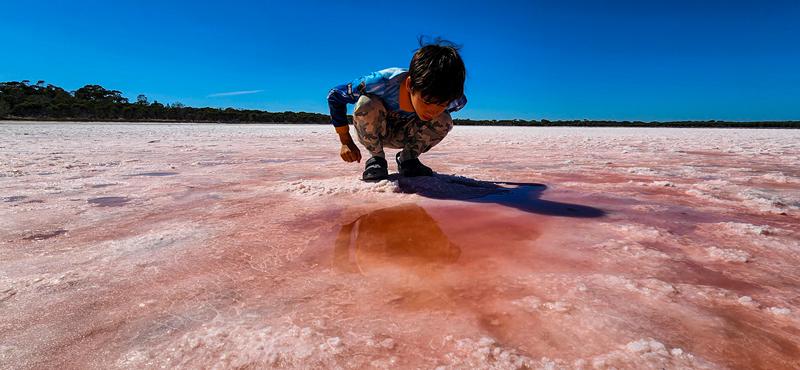
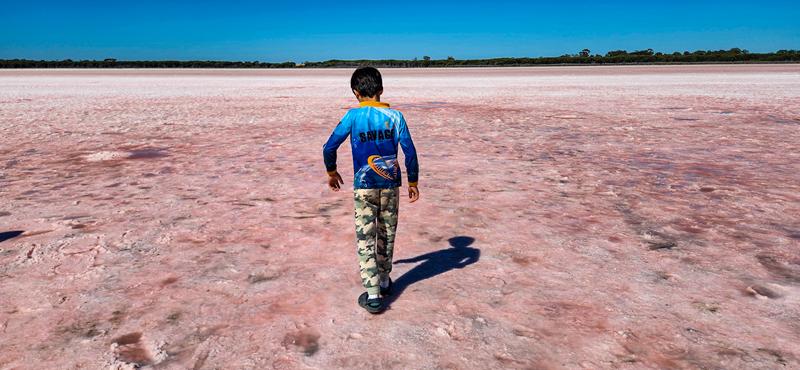
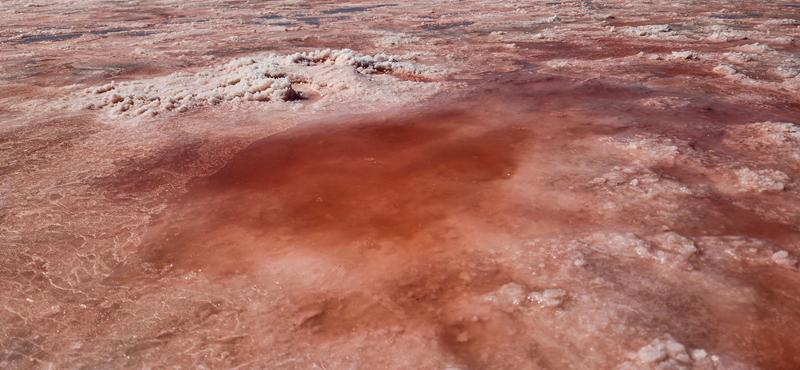
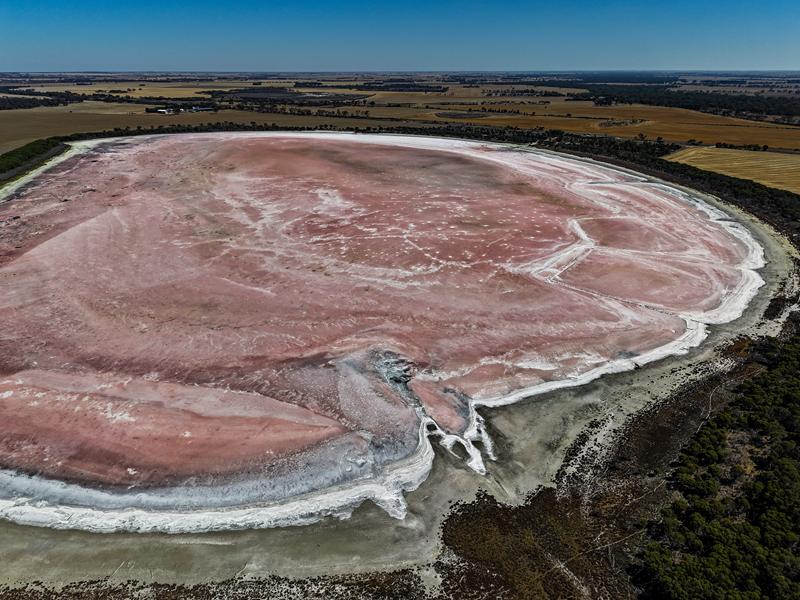
Loch lel is one of the many pink salt lakes that can be found in Australia. These pink lakes are not permanently pink. The pink colour comes from the algae that secrets red and orange pigments. When the water is hypersaline, the lake gets its beautiful pink colour.
Loch lel is in Victoria, north of Dimboola, on the Western Highway. It is easily accessible and is a nice stop for a lunch or rest break. Facilities include toilets and picnic tables, so you can have your lunch with a nice view.
What pink lakes have you seen? Comment below to share your experiences. We love to see pink lakes as we travel.
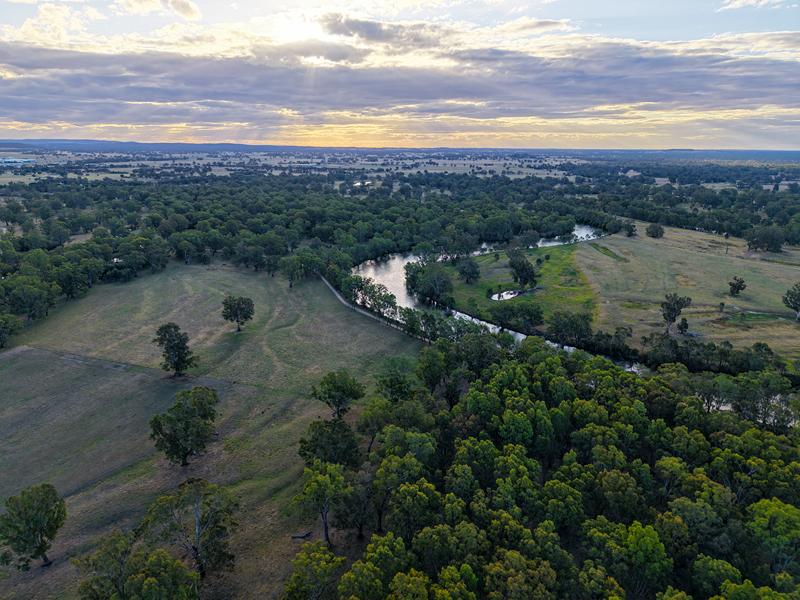
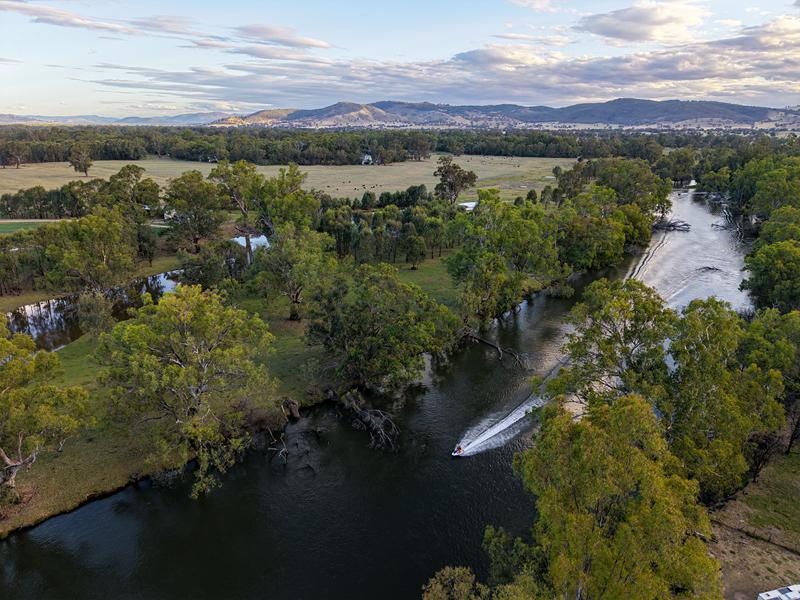
The Murray River holds a great significance for the whole of Australia. And understandably so. Murray River is Australia’s longest river. It flows for over 2500km from the Snowy Mountains in NSW to the Southern Ocean in South Australia. It passes through 3 states, spanning New South Wales, Victoria and South Australia. Almost 2000 km is navigable, making it the third longest navigable river on the planet.
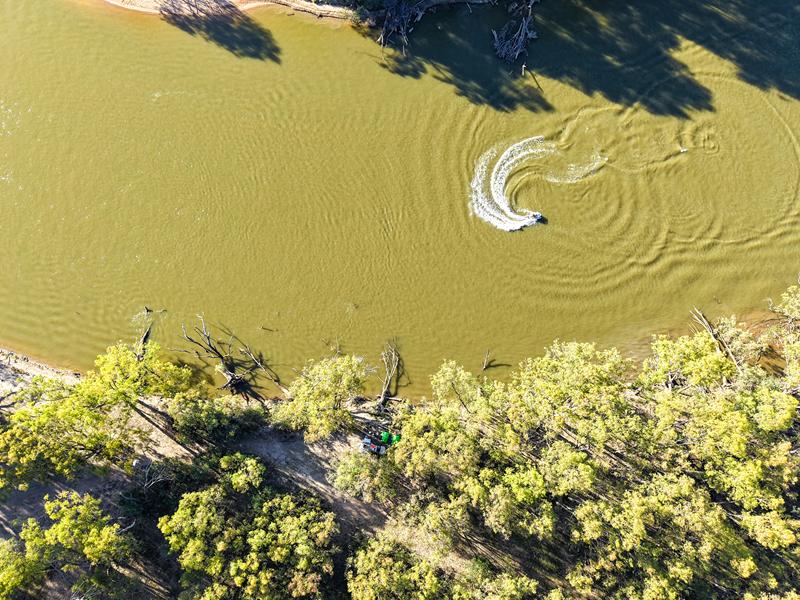
The river is a center of water sports, outdoor adventures, social and tourist activities. It is popular indeed. Murray River is a major source of water and food.
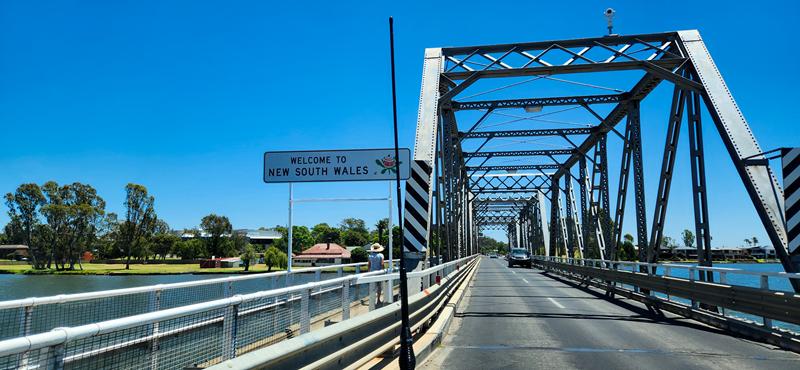
It is also a border between New South Wales and Victoria. It took me a while to get my head around it. Have you tried looking for a border between the two states on the map? I couldn’t find it for some time until I learnt that it is the Murray River that is the border.
Above is one of the many bridges across Murray River, connecting twin towns of two different states. Note, that the border is somewhere in the middle of the bridge. Half of the river belongs to one state and half to the other? 😊
Towns along the Murray River
Many towns are built along the river. There are a few twin towns that are located together, split by the river and thus belong to different states. We found this very amusing.
Echuca
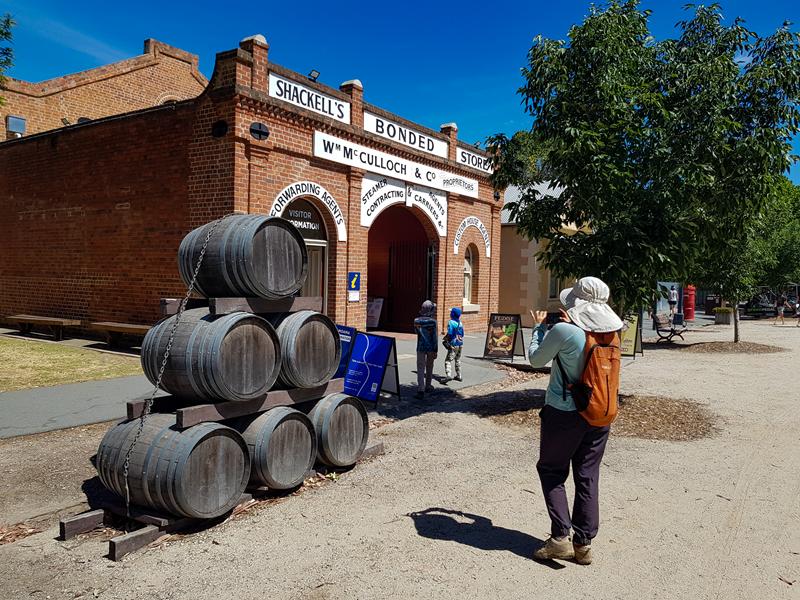
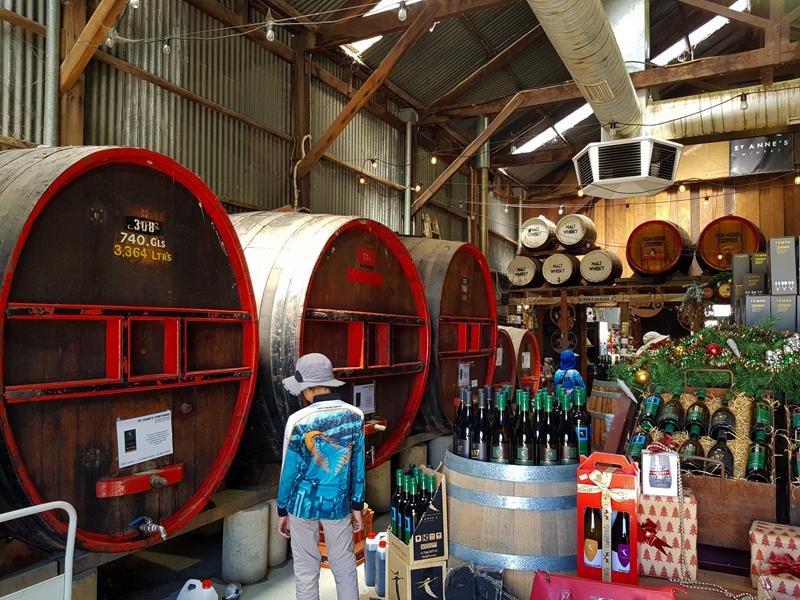
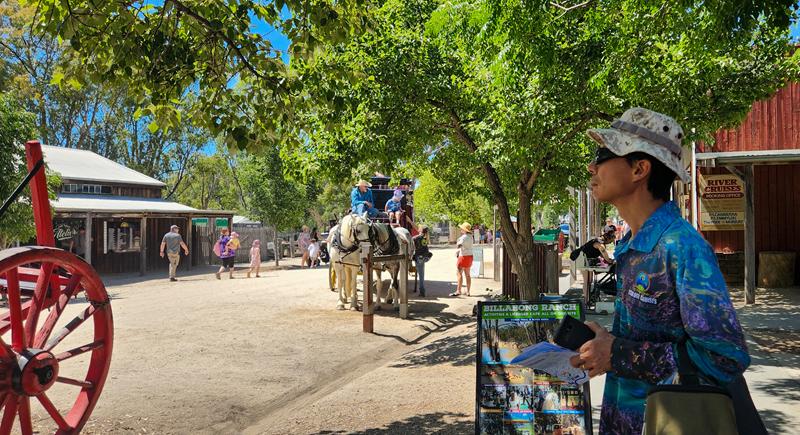
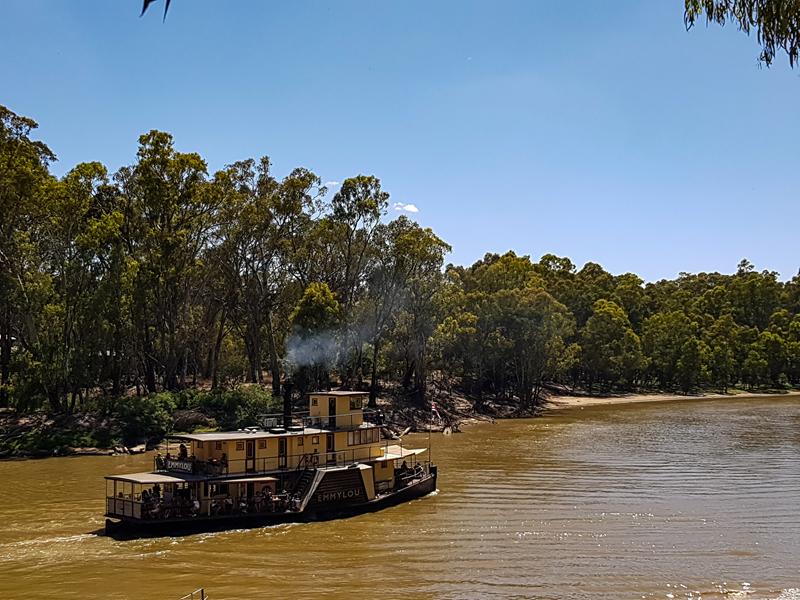
Echuca is a vibrant town, full of history and is worth exploring. It is one of the largest towns along the Murray River. We spent a couple of hours there but could have easily stayed a few days. Horse riding, paddlesteam boats, interactive science museum, local produce – the list of attractions goes on. Echuca is in Victoria and its twin town, Moana is on the NSW side. It is smaller than Echuca and has its own unique feel.
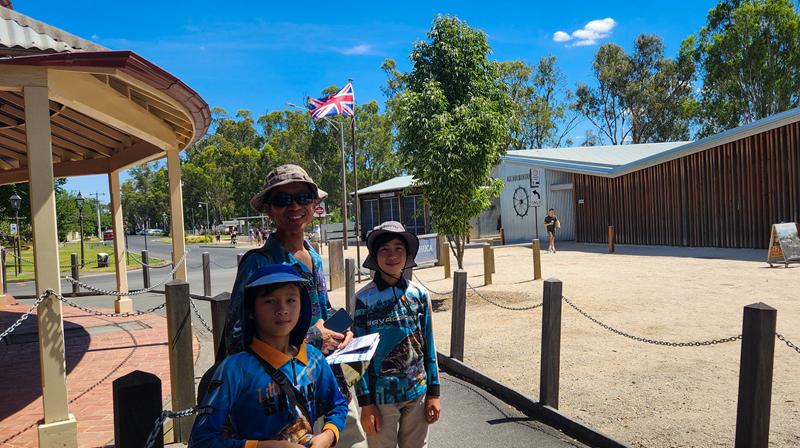
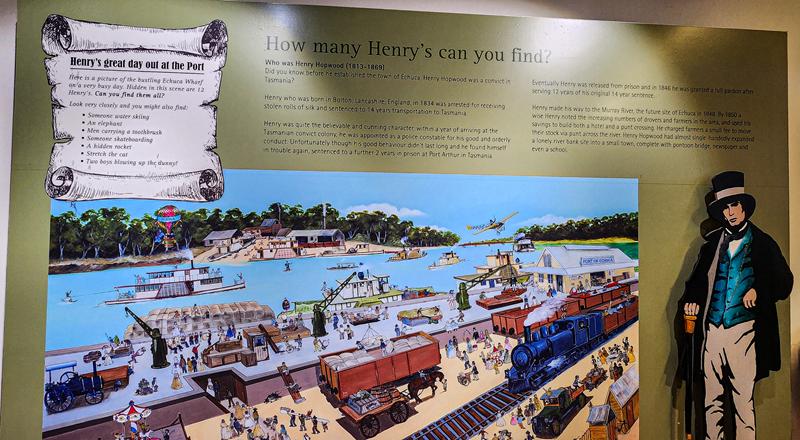
You will find a British flag in the old tourist part of Echuca. Make sure you visit the Port of Echuca Museum. It is near the Visitor Centre. There you can learn about the history of the town. As it turns out, Henry Hopwood, a convict from Tasmania established the town of Echuca. He came originally from England.
Camping along the Murray River
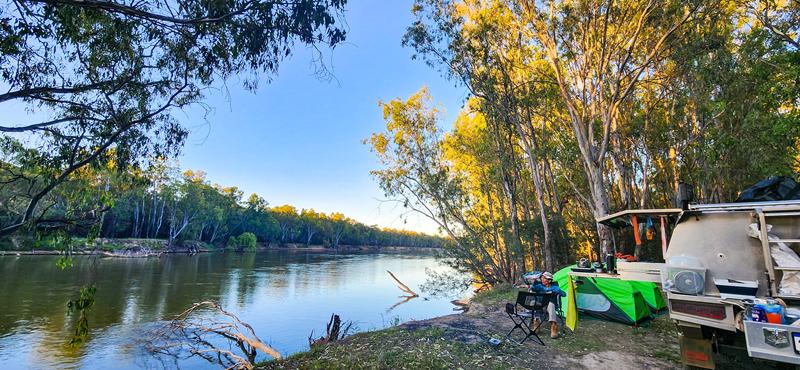
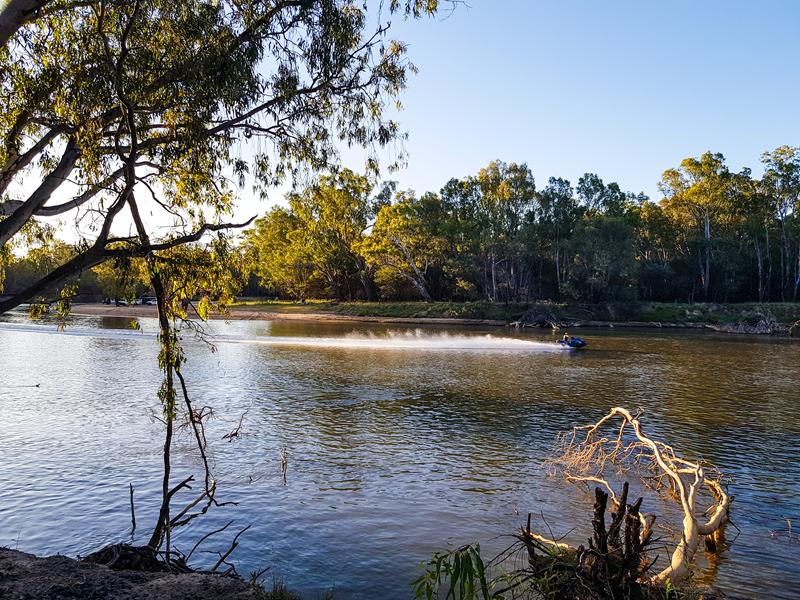
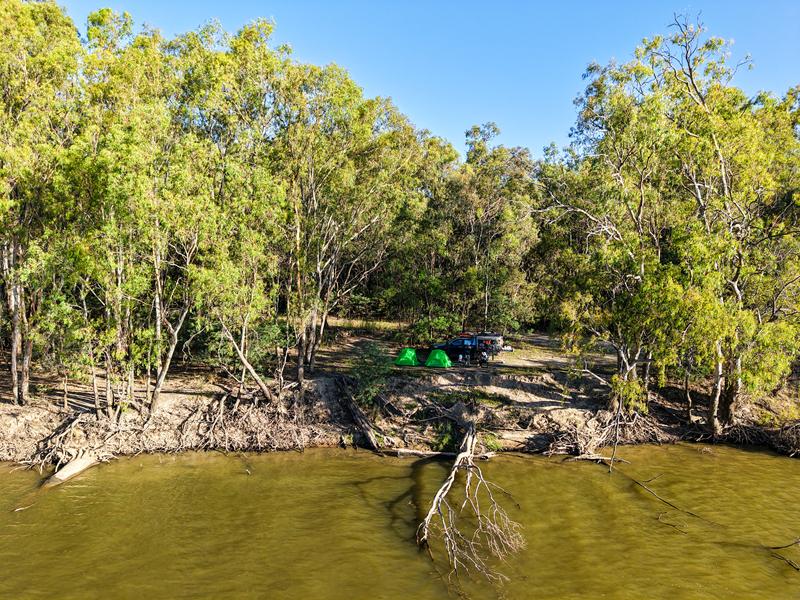
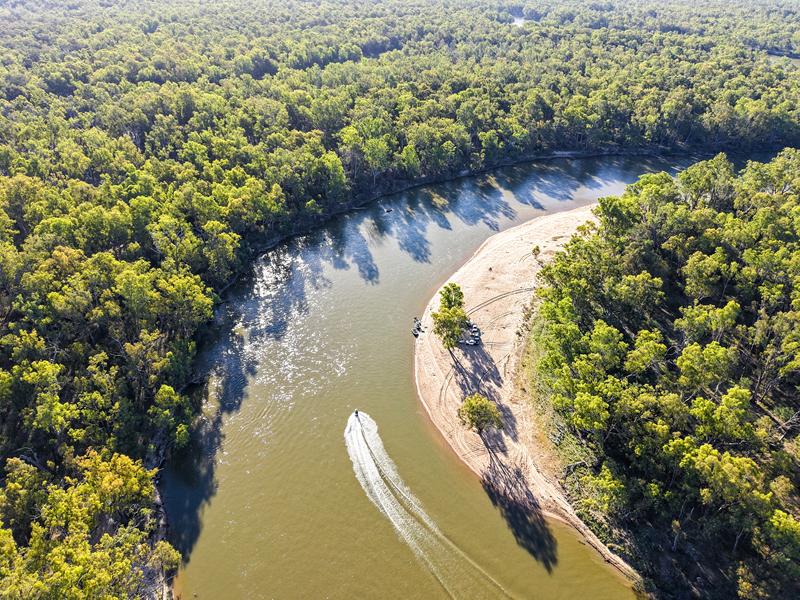
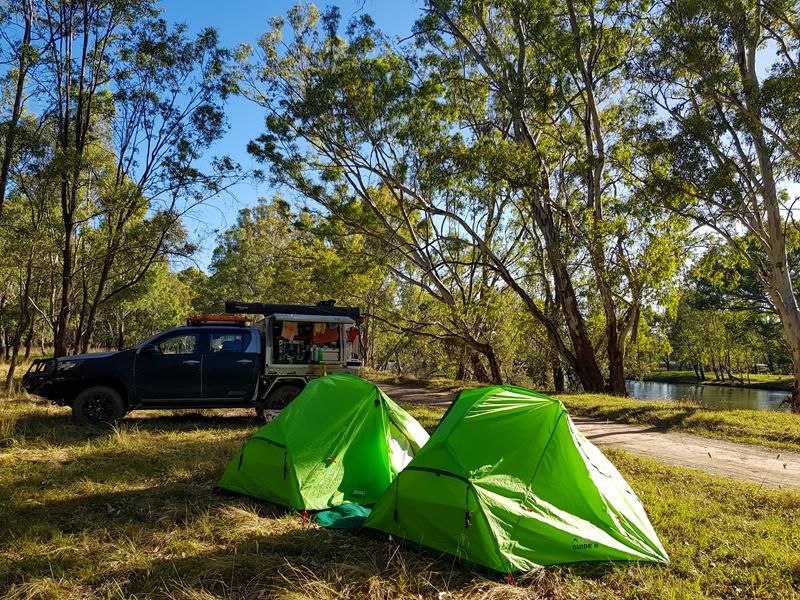
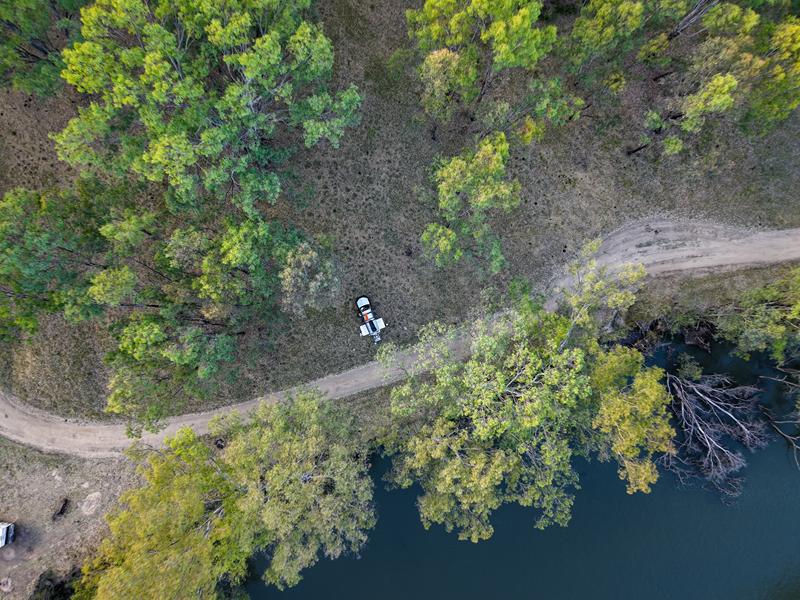
There are many free camping spots along the Murray River on both sides. They are very much loved by the locals. You can see many people camping there, fishing or just playing water sports. Speed boating is very popular. The camping spots have no amenities and are not clearly designated but camping is permitted. Of course, you would need to be self-sufficient to leave no trace.
Ulupna Island
Ulupna Island is 11km north of Strathmerton, off the Murray Valley Highway. Its Red River Gum forest is known for koalas, although, unfortunately, we haven’t seen any when we camped. There are many camping spots along the river at Ulupna Island. Most of them are around the beaches, which, of course, are very popular. We camped on Victorian side.
Murray River Reserve Richardson Bend
Murray River Reserve Richardson Bend is another nice free bush campground we stayed at. It is near Barnawartha North on the Victorian side and is roughly 30 minutes drive from Albury in NSW. Unlike Ulupna Island, which was a national park, you can take your pet with you to Richardson Bend. There is lots of birds, cicadas and cows there. While the area is grassy along the river, cows leave too many cow pats. You need to look for a clearing without them 😊.
We were very fascinated with the mighty Murray River and that’s why we wrote this blog to share our experiences. Comment below, if you have something to share.
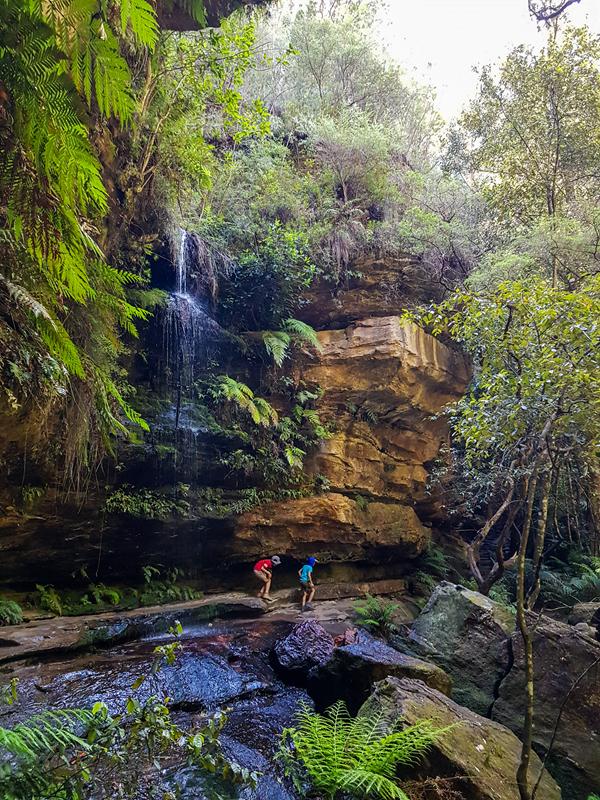
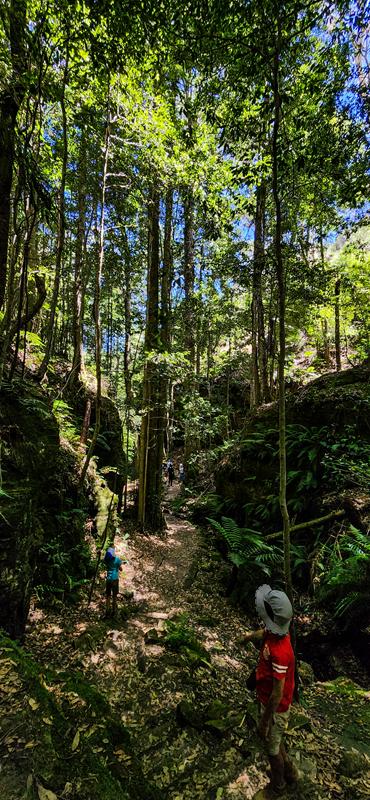
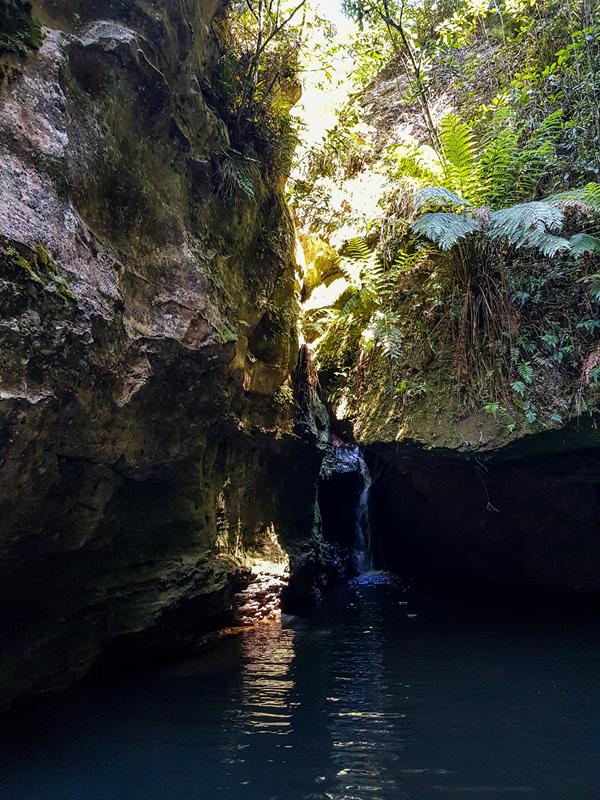
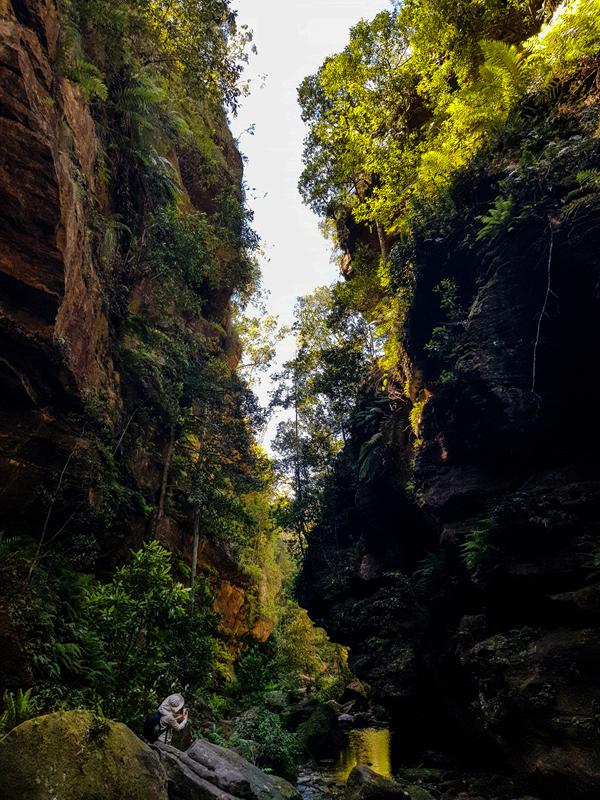
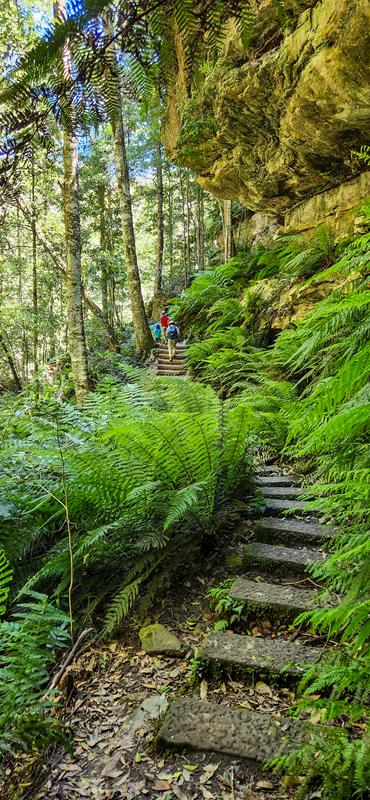
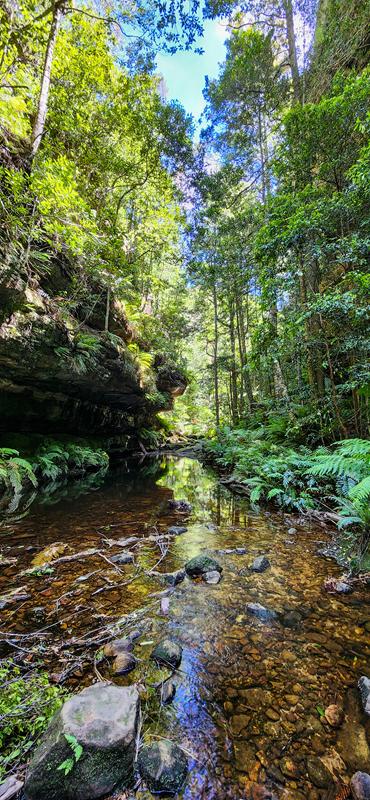
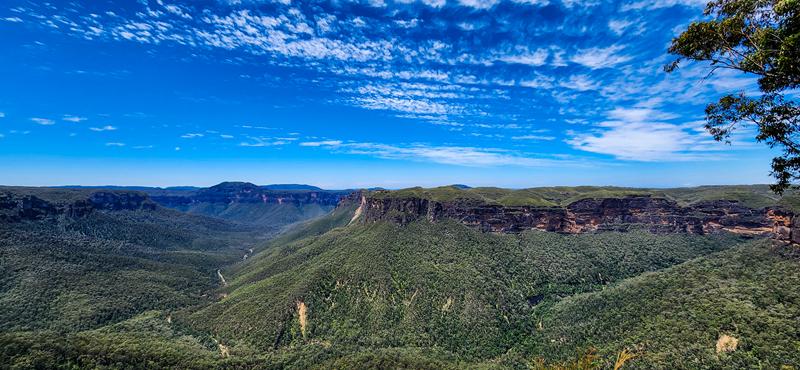
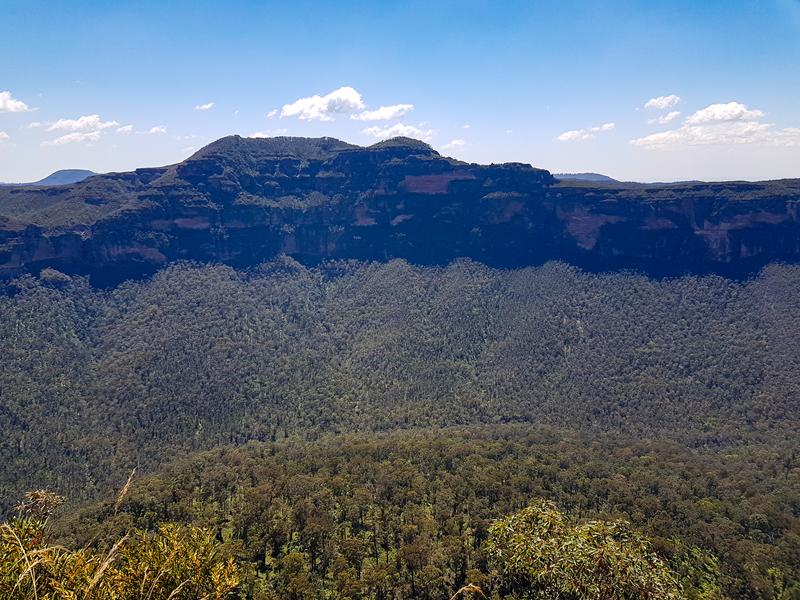
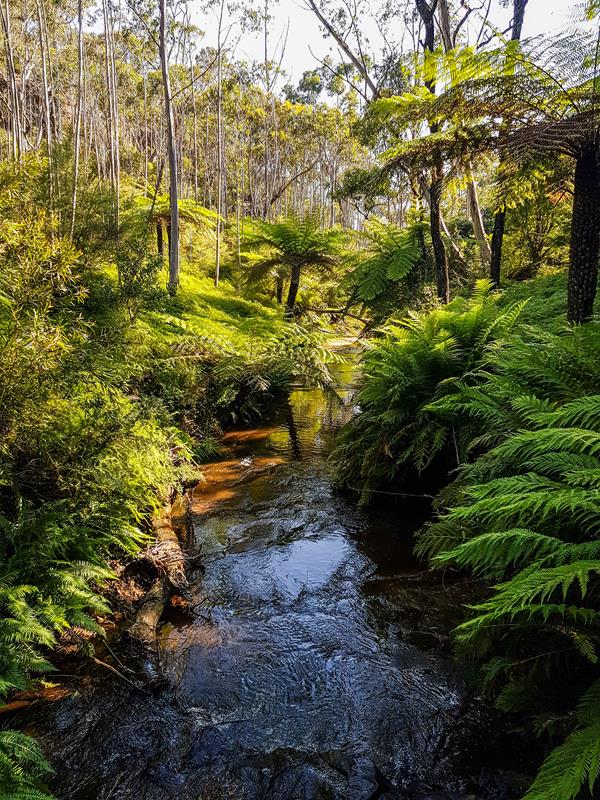
Grand Canyon track is a popular and very beautiful hiking trail in the Blue Mountains National Park. The track is more than 100 years old. It follows the canyon down through the wet green rain forest, under rock overhangs and waterfalls. You can see many tall and dense trees with twisted roots.
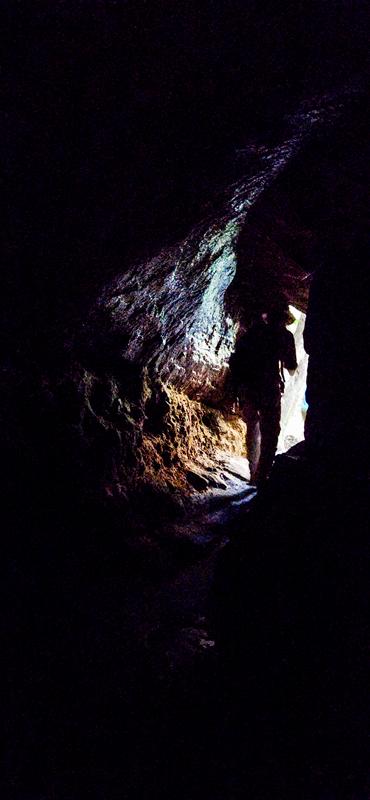
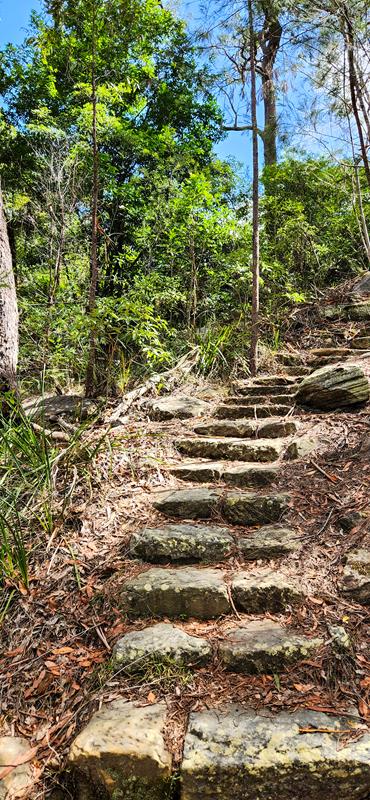
The track is well maintained with beautiful stepping steps which in combination with moss and ferns create an appealing picture. There is even a small but completely dark cave that you would need to go through.
The Grand Canyon track is 6km long loop trail and it takes about 4 hours to finish. It is challenging because you must navigate many steps. You climb down to the floor of the canyon and then back up. It is definitely not for those with knee problems. But many people hike this track. It is definitely a worth while experience and one of the best places in the Blue Mountains.
How to get to Grand Canyon Track
This hiking track is in Blackheath. It is part of the Blue Mountains National Park. The park is roughly 2 hours drive west of Sydney, NSW. You can start the track from the Evans Lookout. This is part of the track. Alternatively, you can start from the Grand Canyon car park.
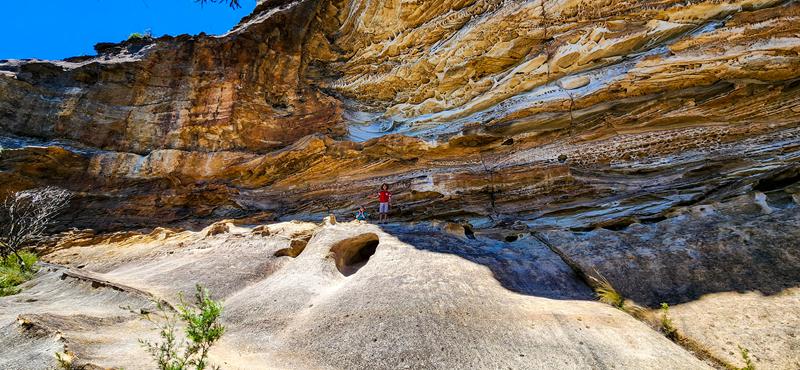
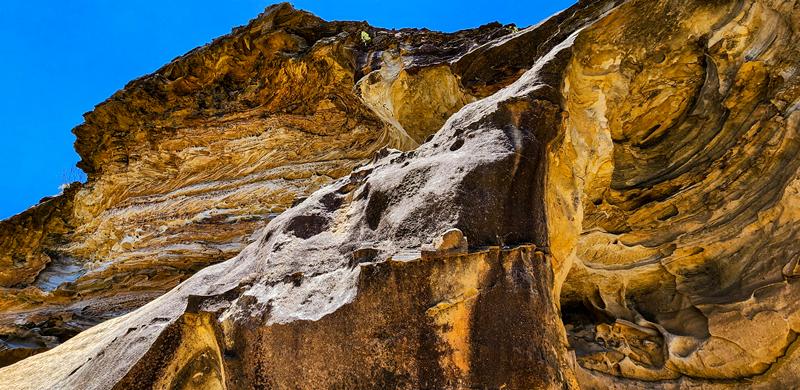
Wind eroded cave is an interesting and beautiful geological formation in Blackheath area of the Blue Mountains National Park. Not sure why it is called a cave though. It is a massive overhanging cliff with a small cave in front of it. Nevertheless, this wind carved cave would delight children and adults alike. Our kids definitely had a great time exploring it.
You can easily access the wind-eroded cave by a 2WD. It is a short drive from Blackheath town via Hat Hill Road. It takes only a minutes to walk towards it from the car park.
Nearby is a Perrys Lookdown, which has excellent and very new (in 2024) picnic facilities.
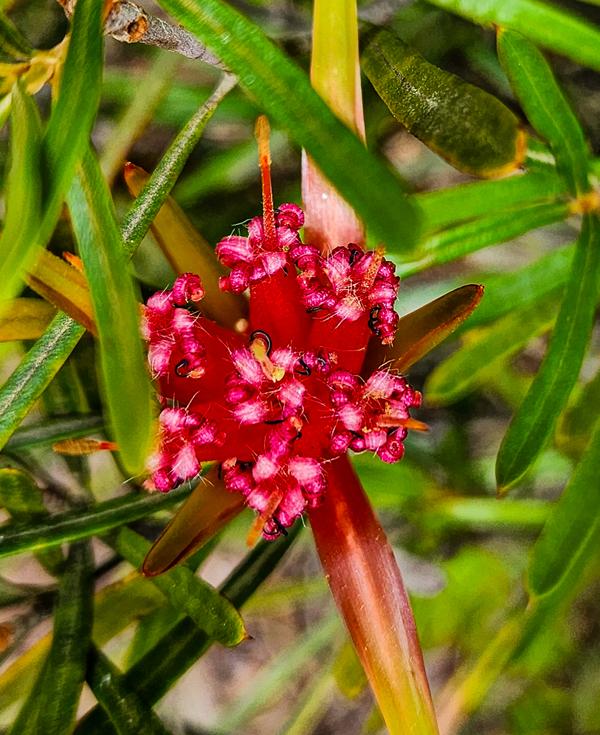
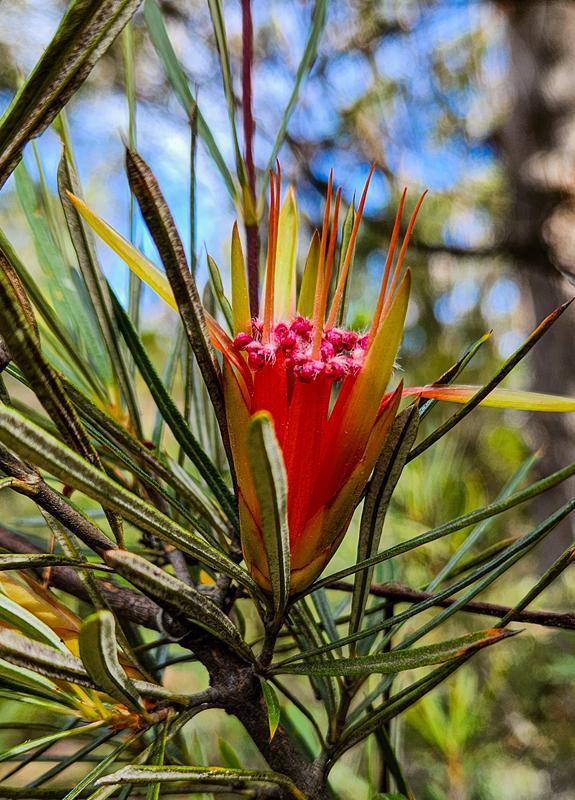
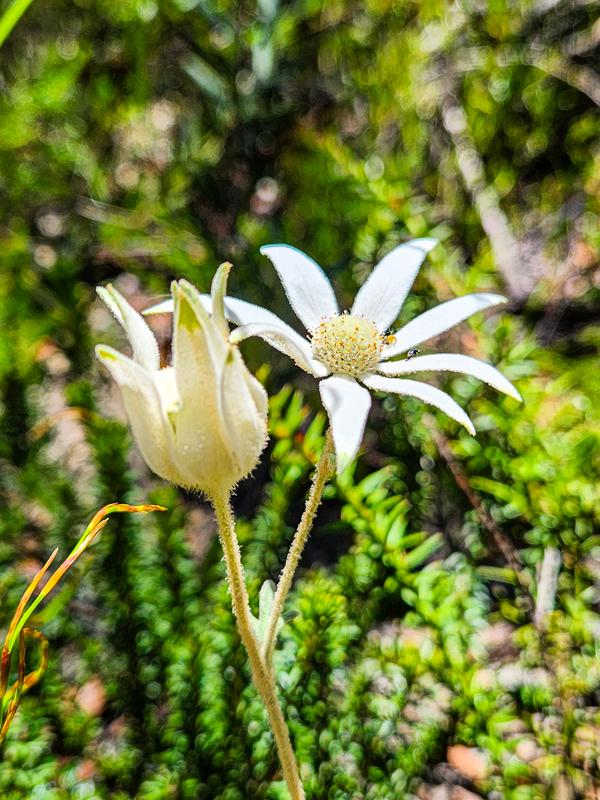
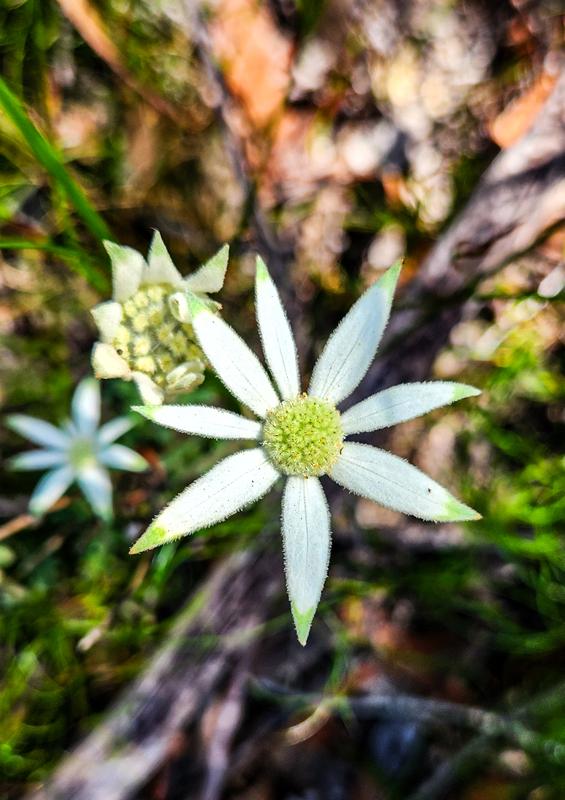
While it was not a wildflower season, we managed to see some of these wildflowers blooming there. Below are some of the examples.
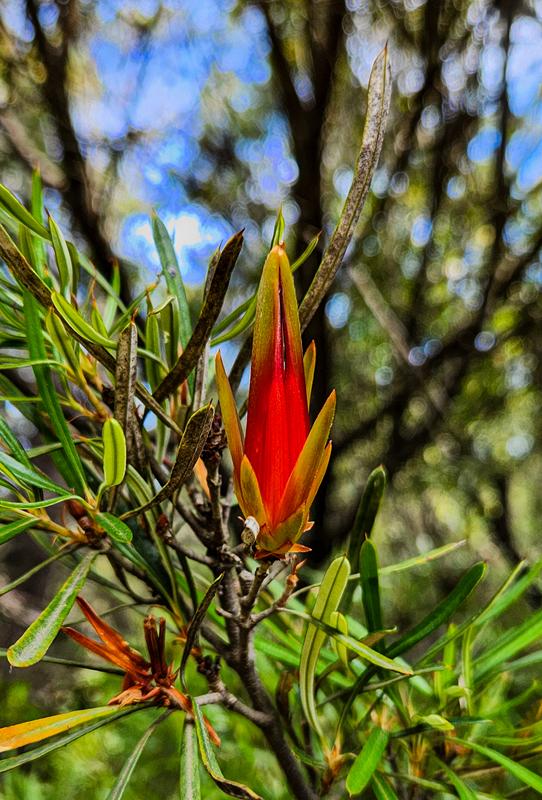
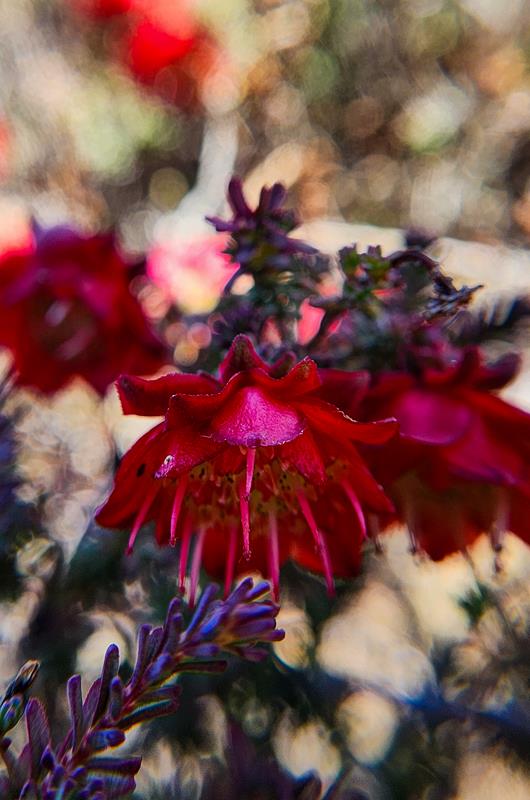
Firstly, it is Lambertia formosa. Common name for Lambertia formosa is mountain devil. It is a pretty plant that is easy to notice due to its bright red coloured petals. Looking closer you can see how the ends of the petals curl. This plant occurs naturally only in NSW.
Lambertia formosa (above)
Secondly, it is Flannel flower, Actinotus helianthin. It is a delicate and very pretty flower with soft wool like feel. The flowers are mostly white. But if you look closer, you can see greenish at the end of the petals an middle of the flower. Flannel flower is native to the areas around Sydney. We found a few of these flowers in Blackheath area of the Blue Mountains National Park.
Flannel flower (above)
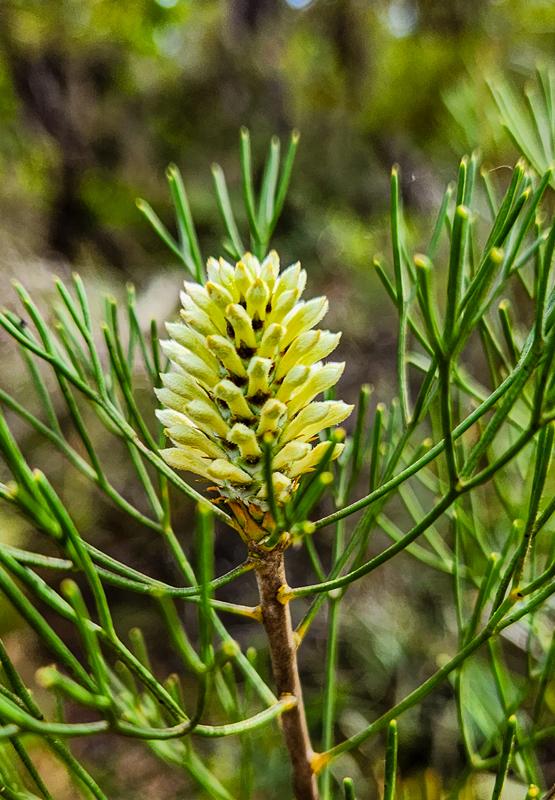
Thirdly, it is Petrophile pulchella, commonly known as conesticks. It is a shrub with cream-yellow coloured flowers. It is restricted to eastern parts of Australia.
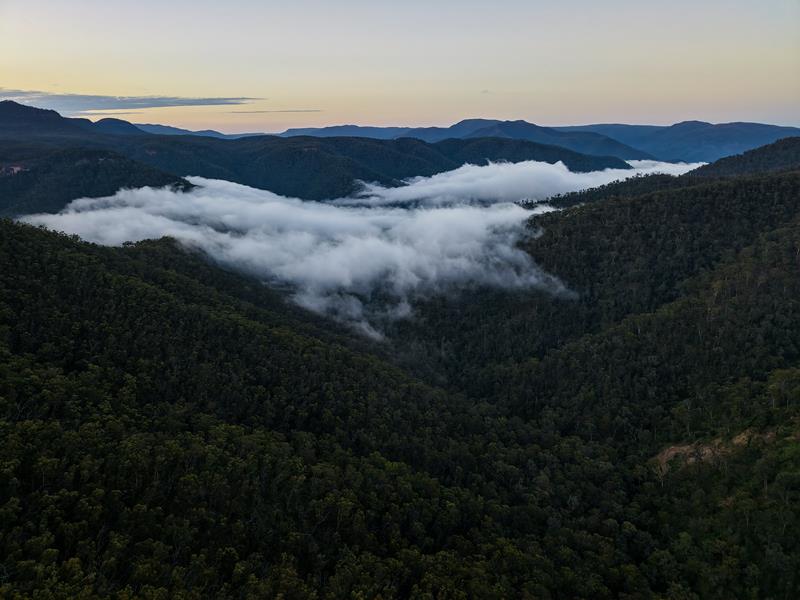
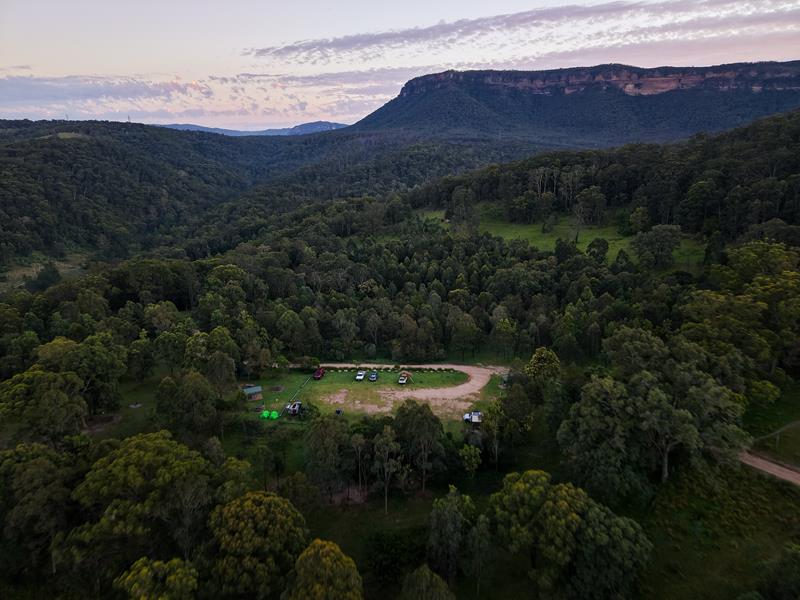
Dunphys campground is a remote and scenic campground in Megalong Valley in Southern Blue Mountains area in New South Wales.
During our trip to Sydney over Christmas 2024, we took time to explore a little of NSW. Blue Mountains was one of the items on the list and we actually wanted to camp there. So, we chose to stay at Dunphys campground.
Facilities at Dunphys campground
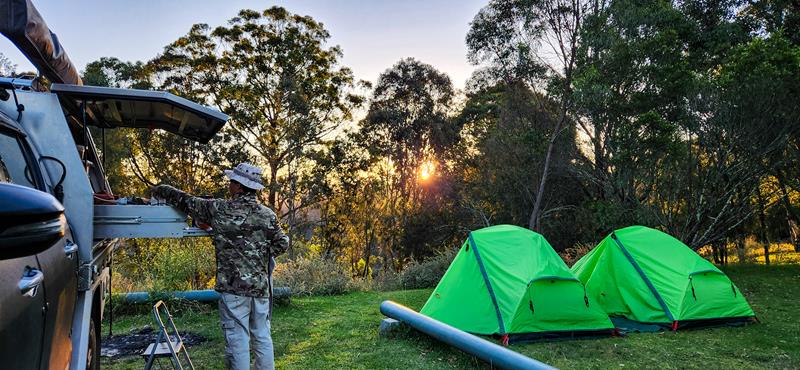
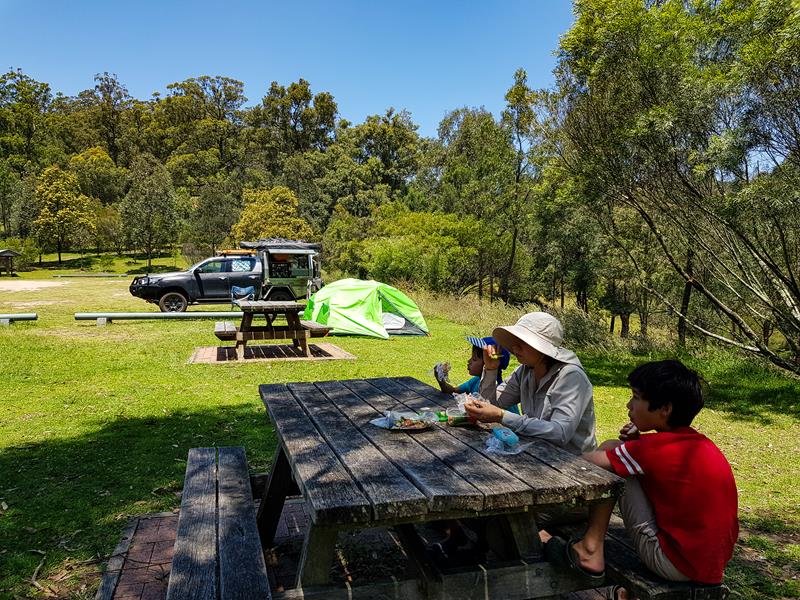
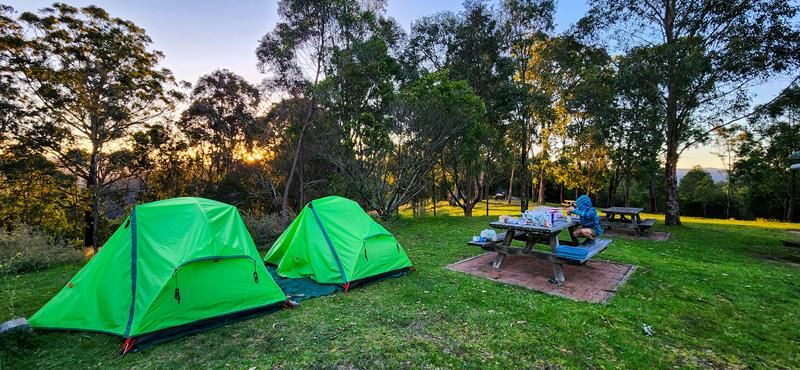
There are 15 campsites scattered around, none are marked. You would need to carry your camping equipment if you want a nice scenic spot, e.g. with a mountain view. Alternatively, if you have a roof top tent or a trailer, you can camp in the open grass area. This area serves like a car park. We placed our tents just outside this marked parking area. This way, we easily accessed our vehicle. It has a kitchen and everything else we needed.
There are picnic tables, BBQ, and a non-flushing toilet. A water tank with non-treated water is available, but it didn’t really have any water at the time we camped.
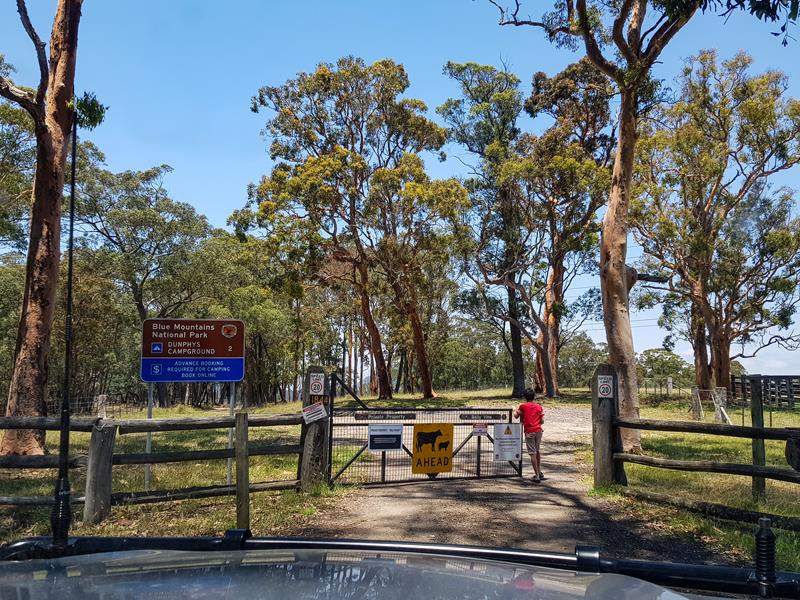
Access to the campground is via a private property, which has a few gates to go through.
Thing to do
There are a few moderate to hard difficulty walking trails of various length around the campground. Katoomba with its attractions, like The Three Sisters and other lookouts is also not far away.
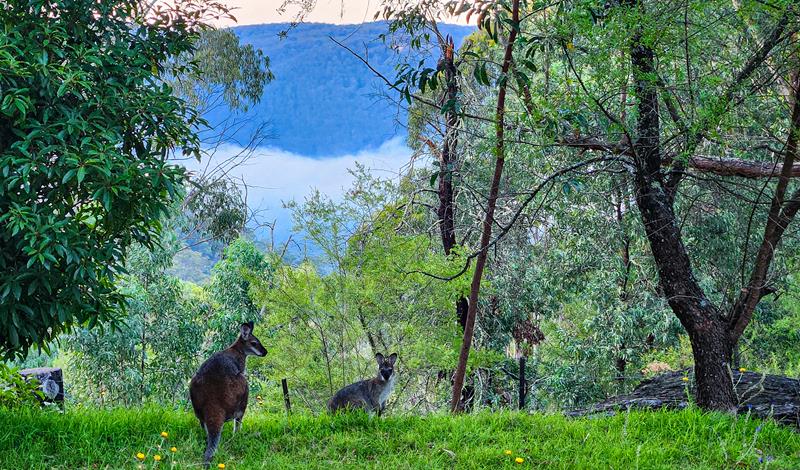
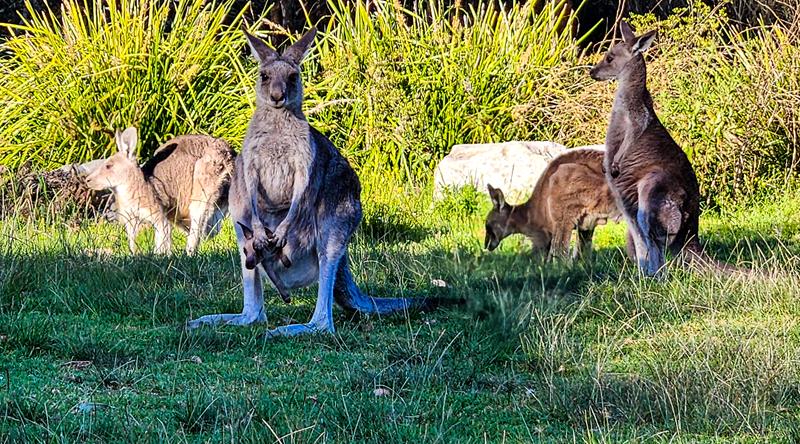
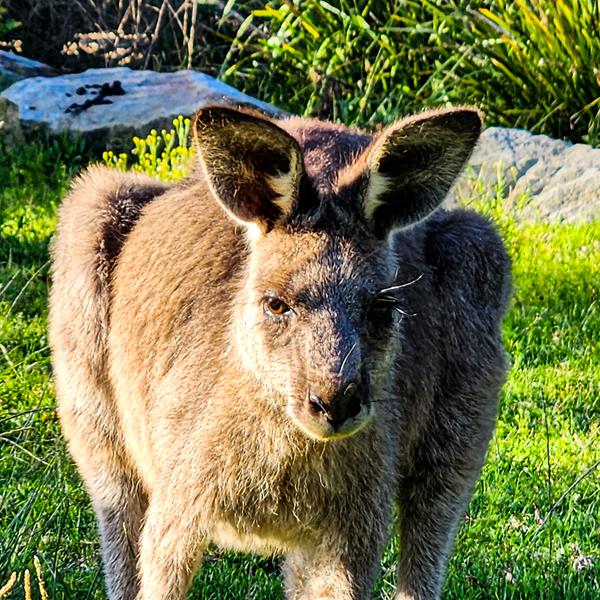
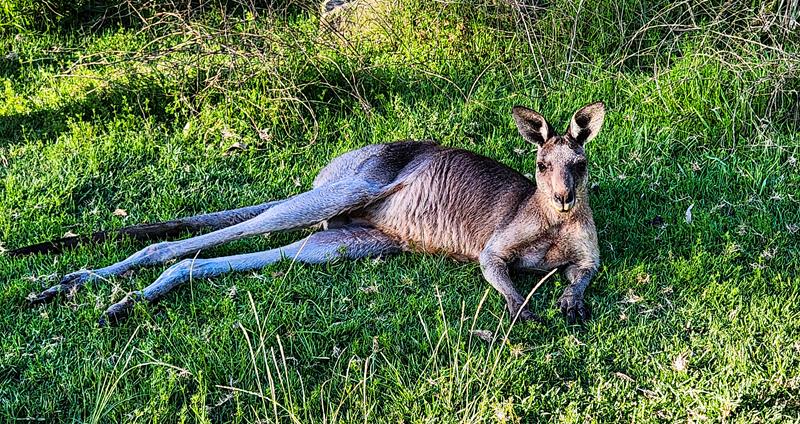
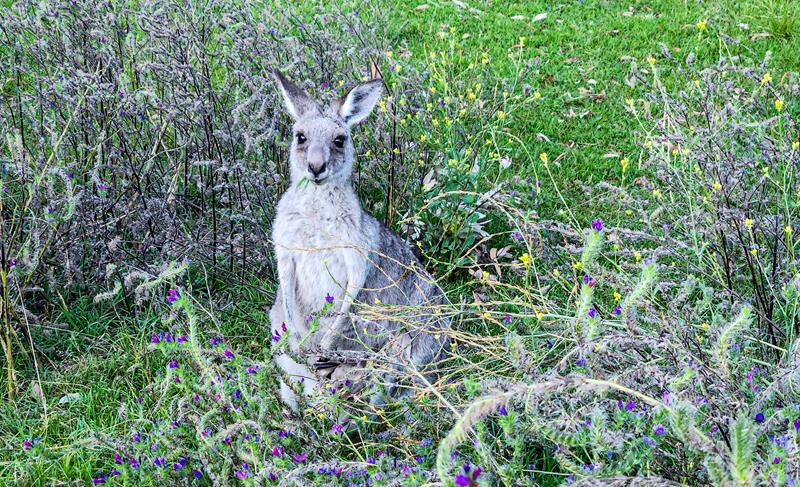
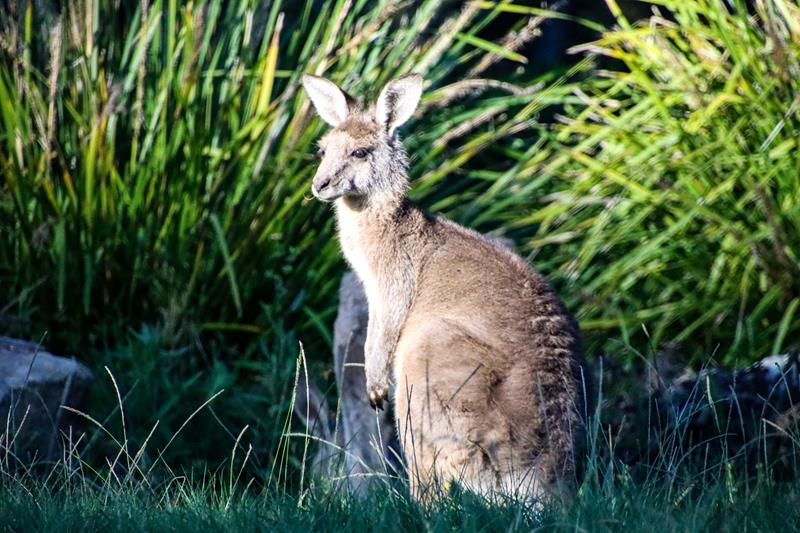
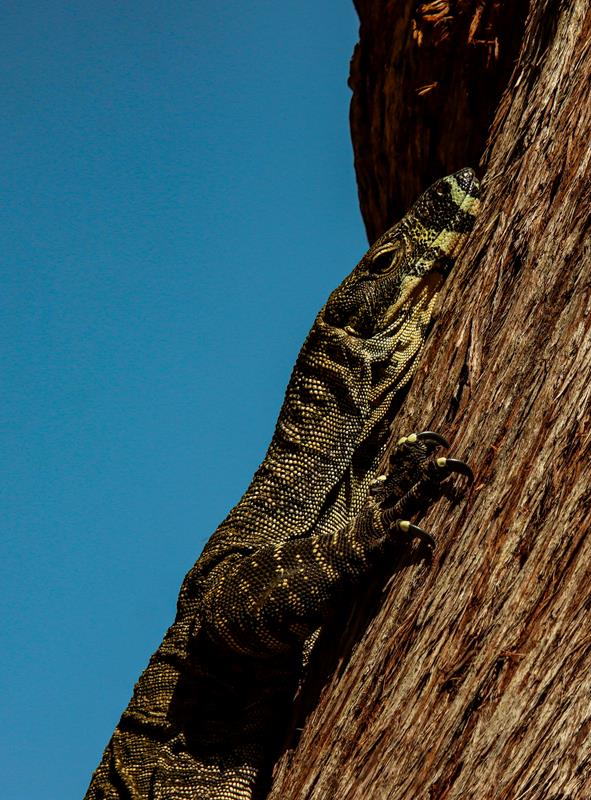
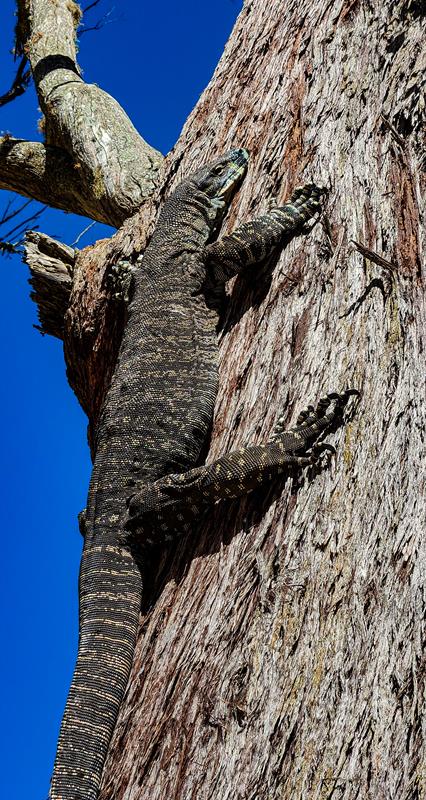
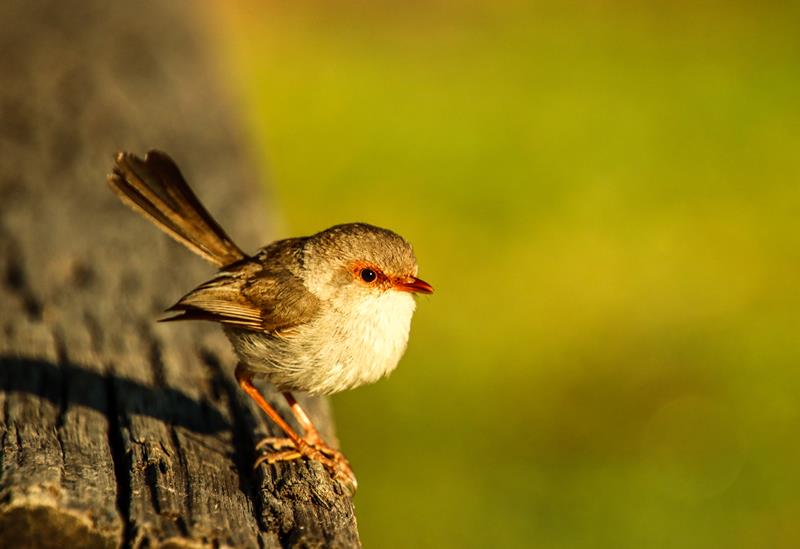
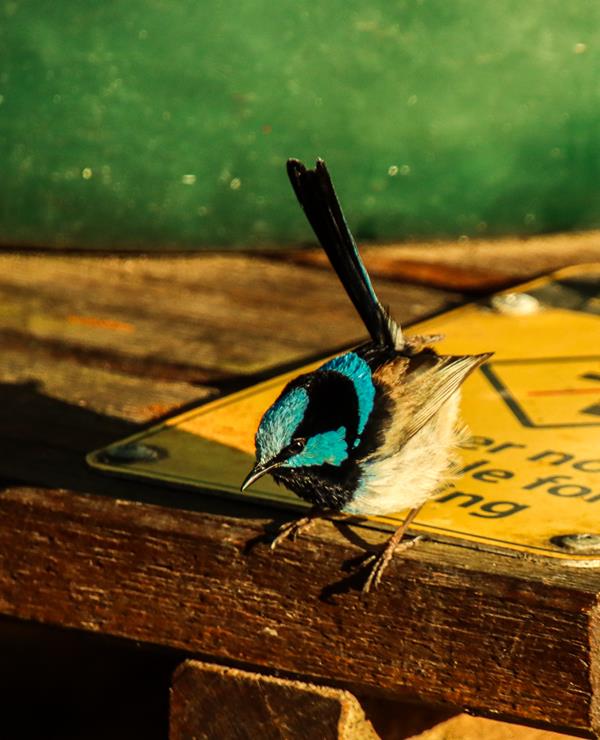
Nature lovers would delight in this place! There are many eastern grey kangaroos that frequent the campground daily. We’ve seen Lace monitor and many birds, including pretty Superb Fairy-wrens.
Eastern grey kangaroos (above) are different to western grey kangaroos that we have in Western Australia. They were quite friendly too :).
Lace monitor (above) or tree goanna is one of Australia’s largest lizards. It grows up to 2 meters in length and is found in eastern parts of Australia.
Superb Fairy-wren female (above left) and Superb Fairy-wren male (above right) restricted to eastern states of Australia.
Location and access
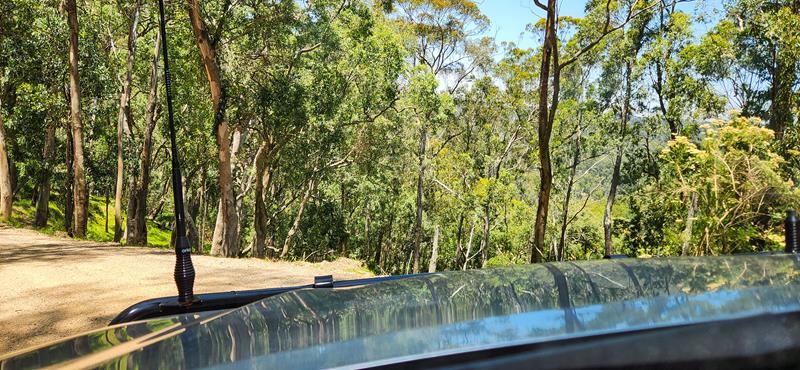
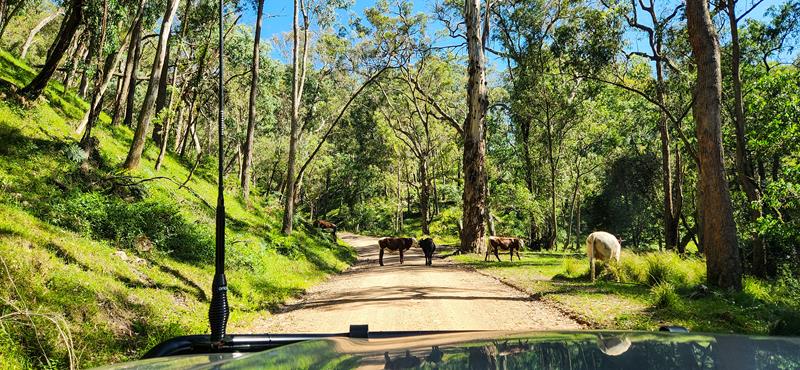
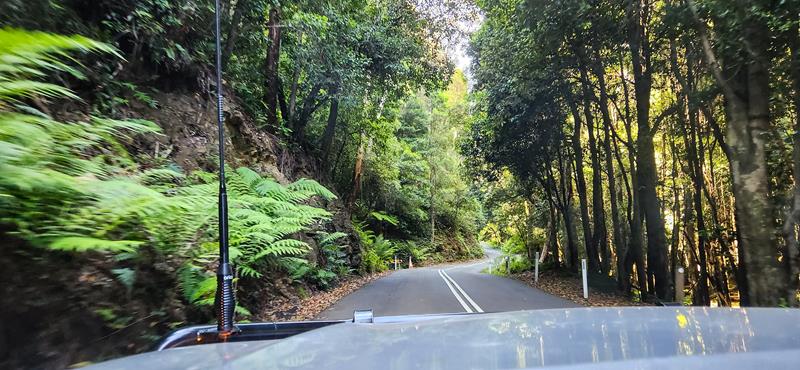
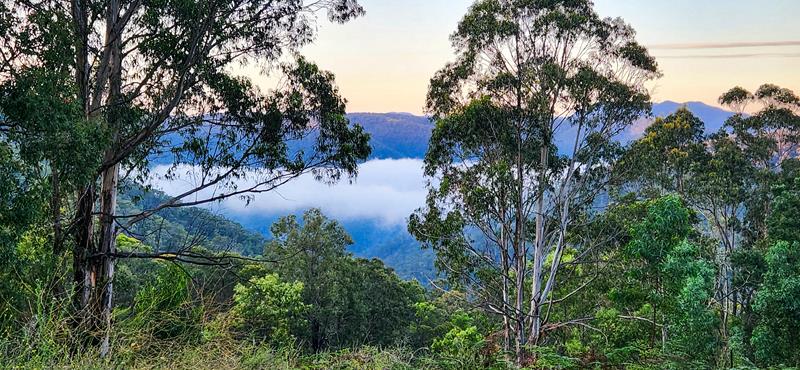
Dunphys campground is in Megalong Valley, in the Southern Blue Mountains area of Blue Mountains National Park in NSW. It is approximately 40 minutes drive from the nearest town Katoomba. There is a mixture of sealed and unsealed roads to get to campground. The last 5km or so of the road leading to Dunphys campground is very winding, steep, with sharp turns.
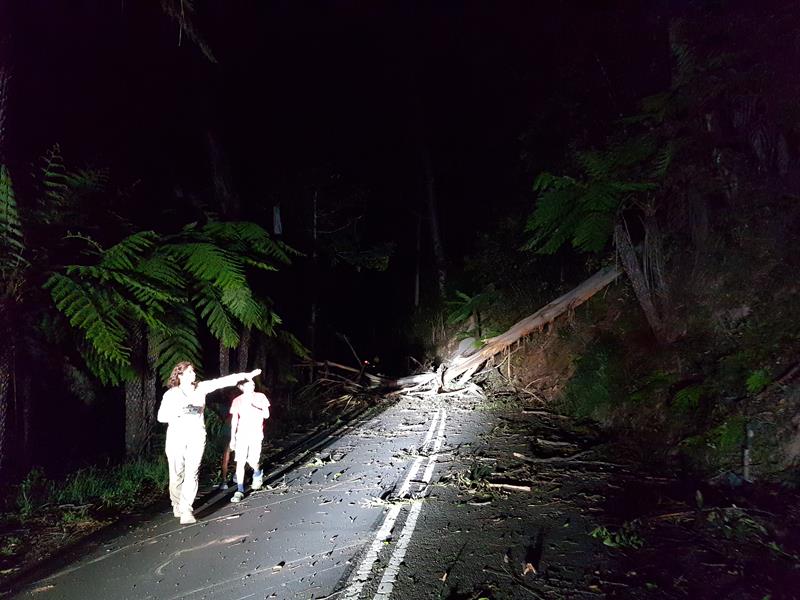
The towering eucalyptus trees overhang the road, too close for our comfort. We feared not for nothing. On the first night, travelling back to the campground, we actually got stuck on that road. It turned out that a tree fell and blocked the road. Locals told us it happens a lot. So, even though, the road is considered 2WD accessible, we do not recommend towing a caravan there.
The best thing about this campground (apart from awesome scenery) is that there is no entry fee to the national park and there is no camping fees either. Sites require booking though and there is $6 booking fee. Coming from WA where there are not many places that are free, we found camping in NSW so affordable for us!
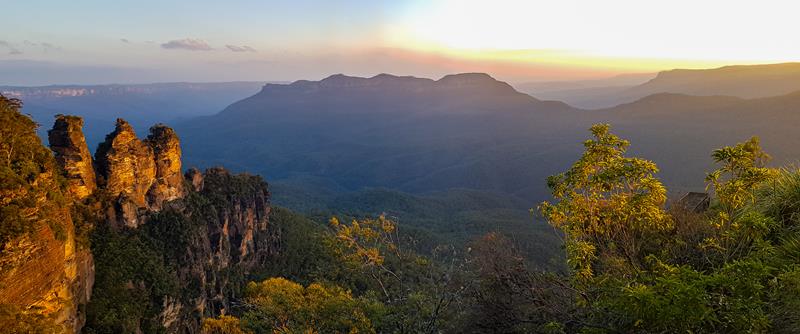
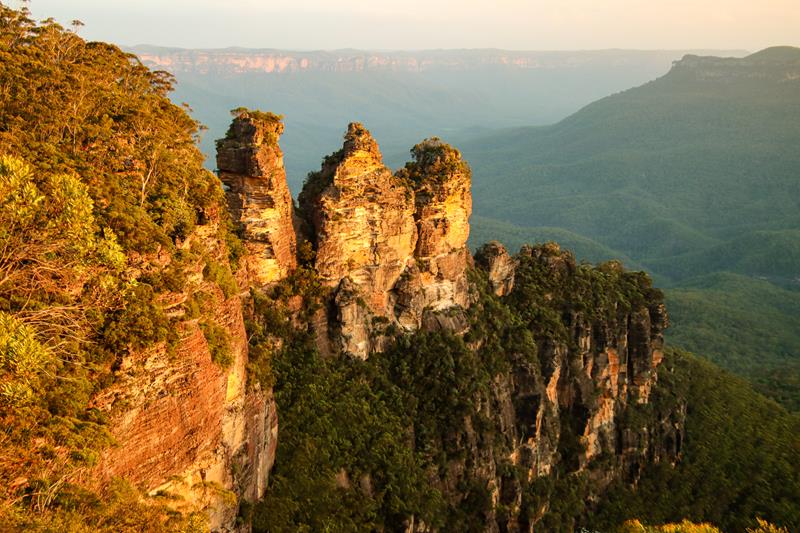
The Three Sisters is an iconic and one of the most popular attractions in the Blue Mountains in New South Wales. It is an interesting geological formation, that has been weather carved over millions of years. The three rock pillars over 900 meters high each stand close together, yet away from the main cliff wall. They stand out in their beauty and uniqueness against the distant mountains of the Jamison Valley.
It is interesting to watch the Three Sisters at different times of the day. You can see their changing colours as the sun moves over them in the sky. They look particularly impressive at sunset.
Location of the Three Sisters
You can see The Three Sisters from a few different locations. However, they are best viewed from Echo Point lookout, near Katoomba. Echo Point is only about 5 minutes drive from Katoomba.
Prince Henry Cliff walk
Echo Point with the Three Sisters is along Prince Henry Cliff walk, which is 7km long, one way. The walk is Level 3, which is moderate difficulty. There are many lookouts along the way. We have only covered part of this walk and viewed the best of what it has to offer.
Katoomba Falls
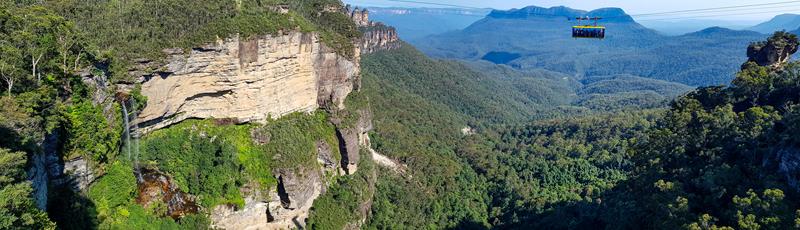
You can see the falls from Katoomba Falls lookout. The Skyway cable car also passes there. Consequently, it makes an interesting object for your photographs.
Katoomba Cascades
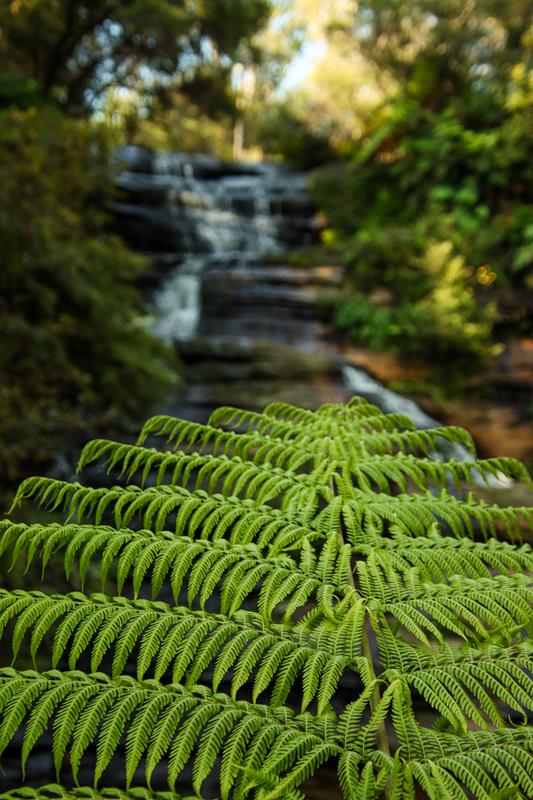
Katoomba Cascades are also along the Prince Henry Cliff walk. They are hidden below. You can spend some time there watching the water cascading down the rock and flowing into the stream.
There is a lot more to see in the Blue Mountains. You need a few days to explore this beautiful region.
How to get to the Three Sisters
The Three Sisters is roughly 100km west of Sydney. It can be reached via motorway or public transport. There is no entry fee to the majority of the park. Although some places, like popular Echo Point, requires parking fees.
In conclusion, I would add that the Three Sisters is a must to see attraction. Firstly, it is so unique and iconic. Secondly, it’s immensely beautiful.
Lane Cove National Park is located 10km north-west of Sydney in NSW, Australia.
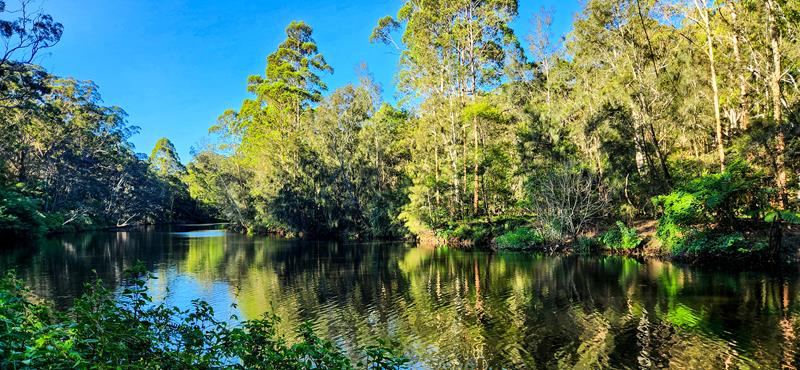
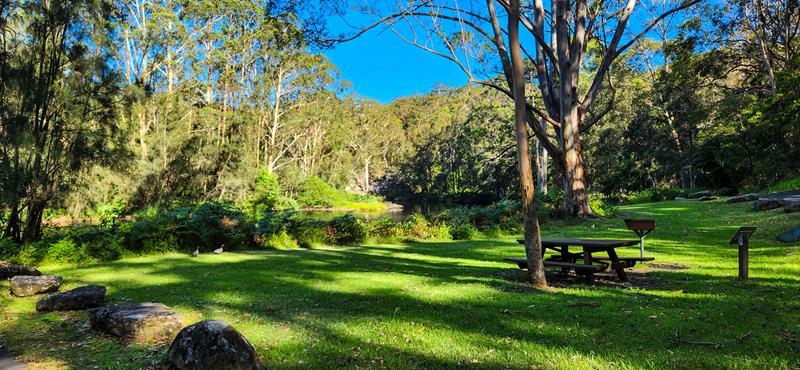
We love visiting national parks wherever we go. During our recent trip to eastern states we were lucky to stay at the caravan park (Lane Cove Discovery Park) which has direct entry into Lane Cove NP. This national park offers an escape from city life without having to travel far. Beautiful Lane Cove River passes through the park before flowing into Sydney Harbour.
Things to do at Lane Cove National Park
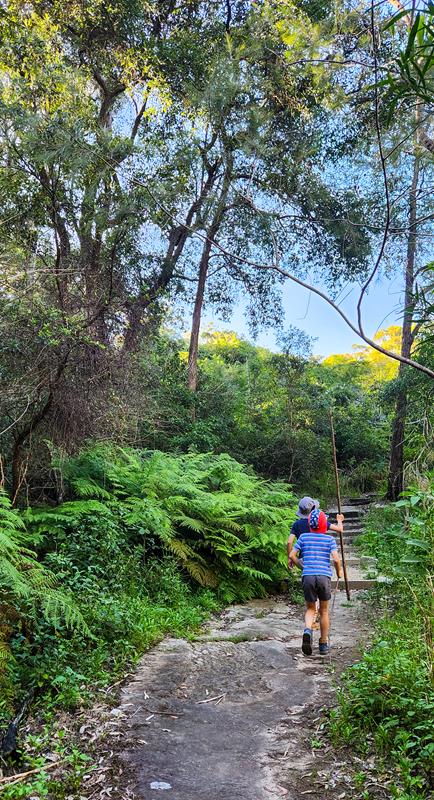
Lane Cove National Park is a great place for a day out with the family. There are easy walks around the park, cycling paths, as well numerous picnic spots with bbq facilities.
Flora and fauna
Both the park and the river are home to a lot of interesting flora and fauna.
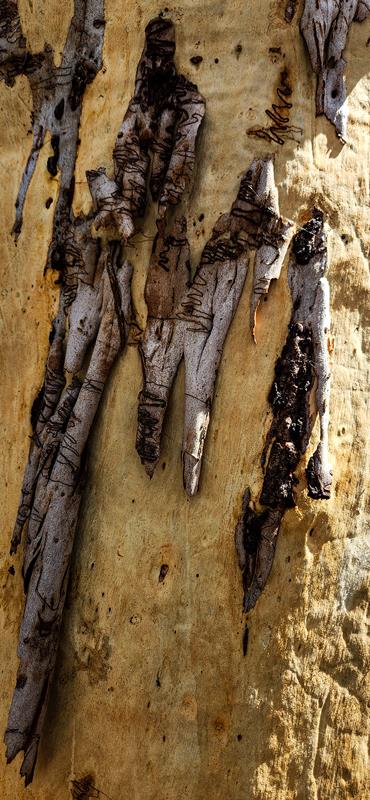
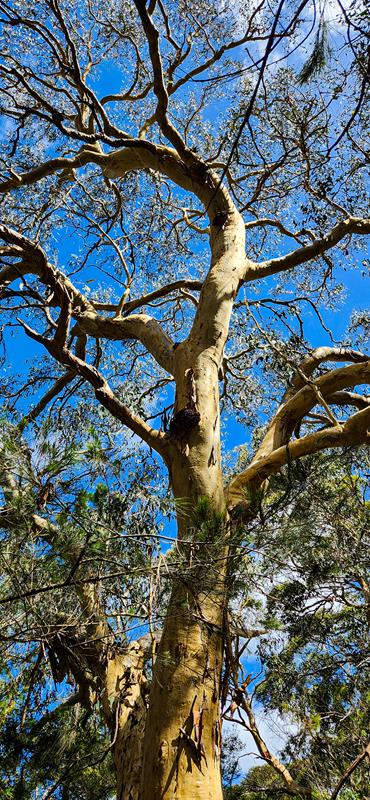
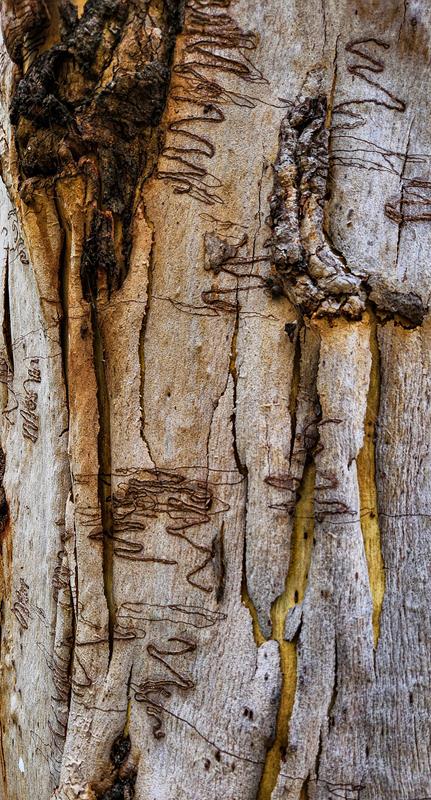
Scribbly gum, Eucalyptus haemastoma is a fascinating gum tree. It has distinctive markings on its trunk, as if someone scribbled on them, hence the common name – scribbly gum. Interestingly, the scribbles are caused by the moth as it moves between the old and new bark.
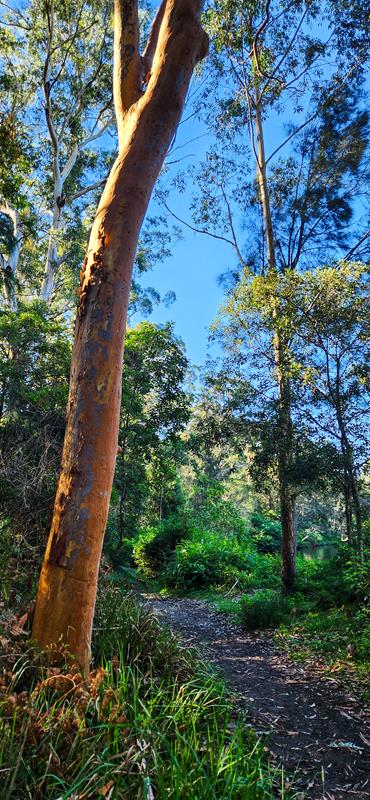
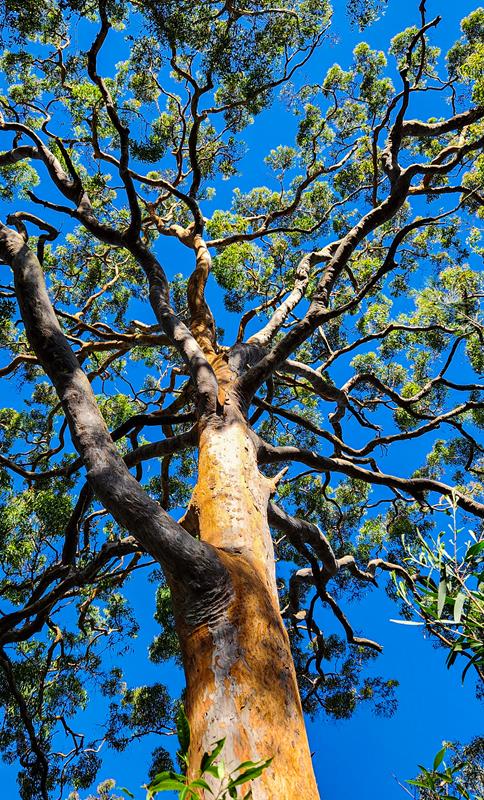
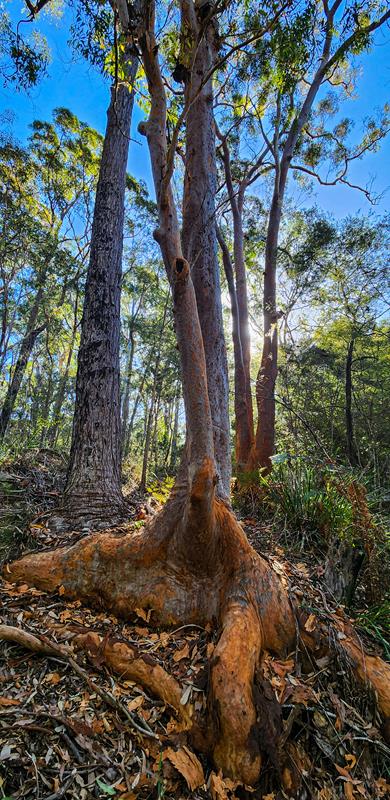
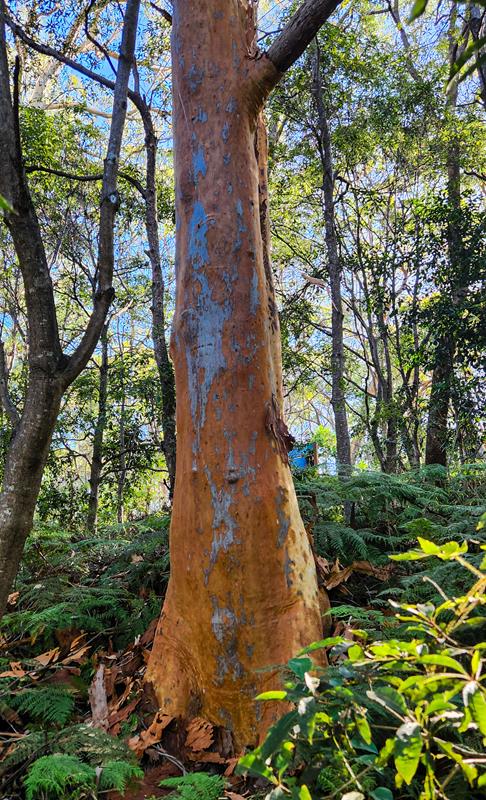
Sydney red gum, Angophora costata, is an another pretty gum tree. It is characterized by convoluted branches. It sheds bark, like many gum trees do, to reveal orange colour smooth trunk.
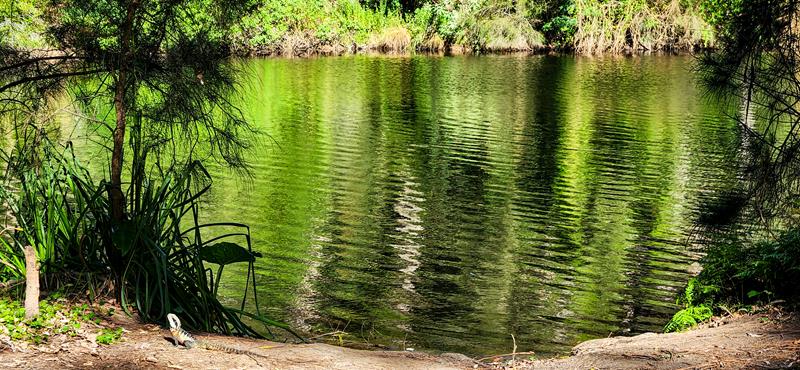
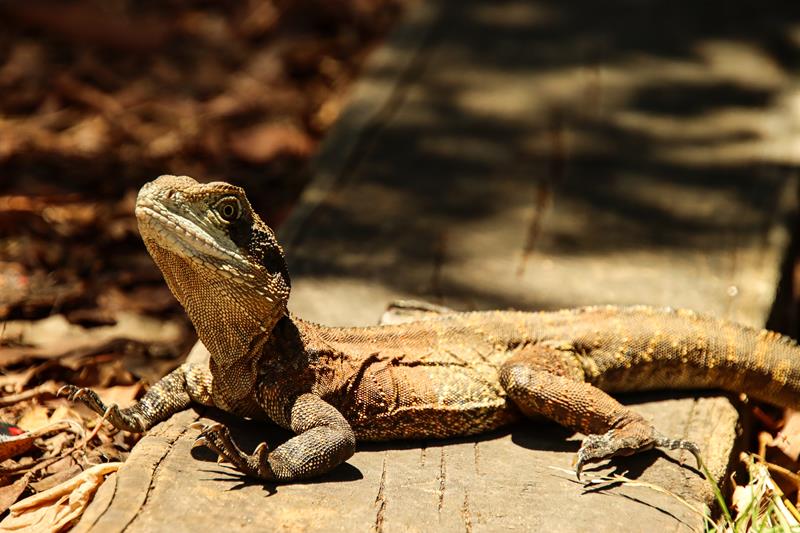
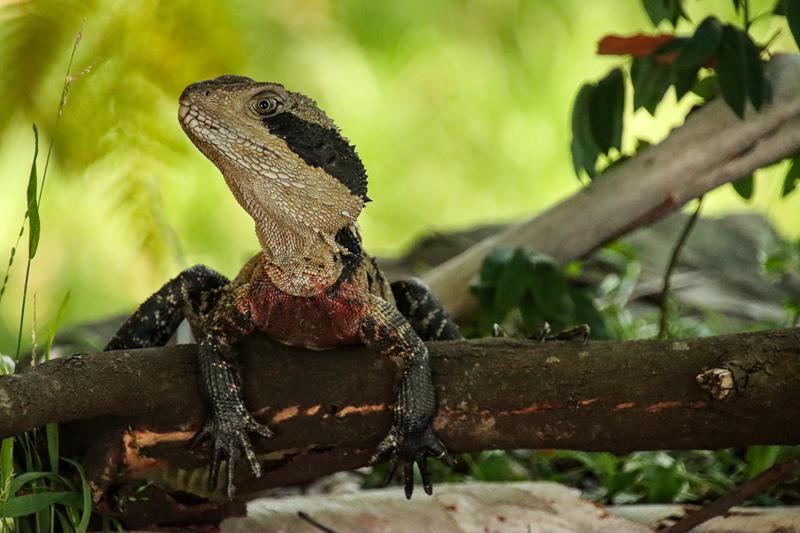
Eastern water dragon lizard is abundant in the national park, as well as the nearby caravan park.
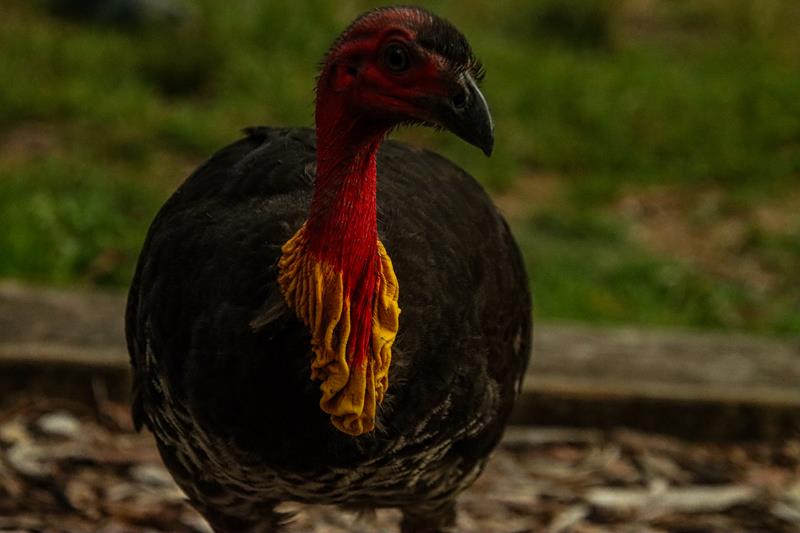
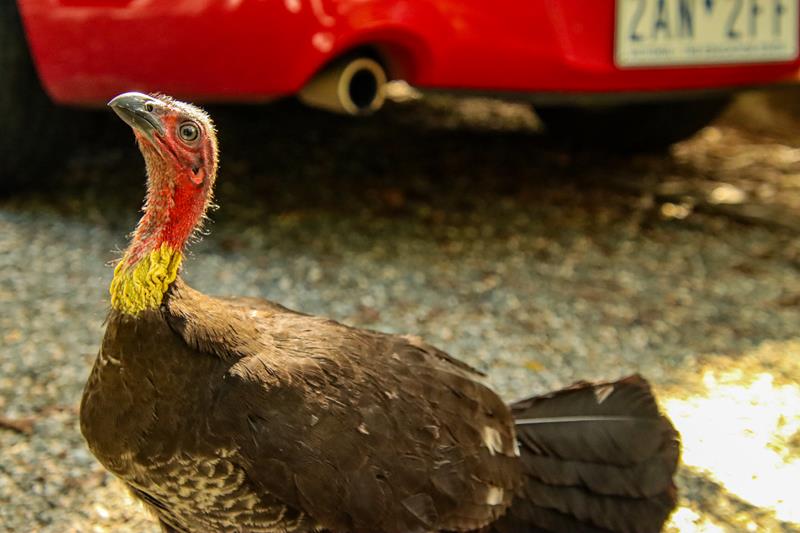
Australian brush turkey. We found quite a number of them while staying at Lane Cove Discovery park in NSW. They were not shy at all and frequently visited us. Love their bright red head and yellow throat wattle (in males). As they do not occur in WA, we found them very fascinating.
Sulphur-crested cockatoo, native to eastern states of Australia is quite a large and rather common bird. They are intelligent, loud, especially when they are in big flocks, noisy, as well as ‘nosy’. We (especially our younger son) enjoyed meeting them at Lane Cove Discovery park. Although, at the end, we had to tell them off when they became too friendly😊.
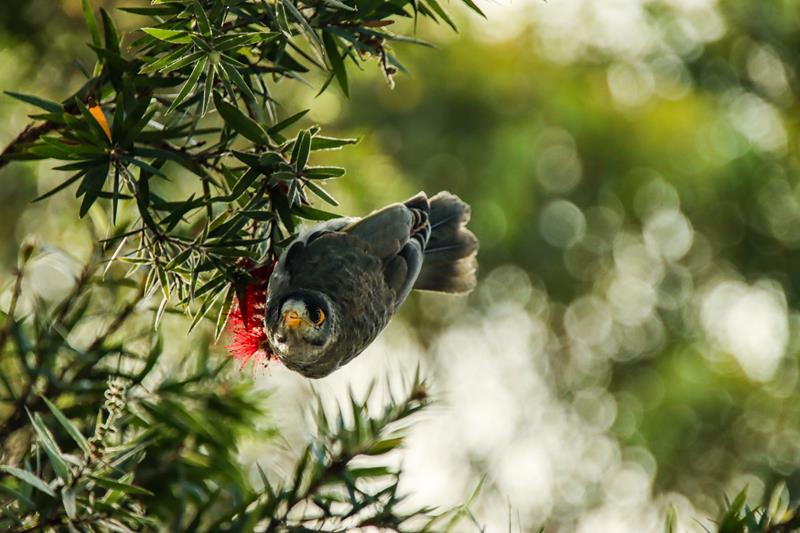
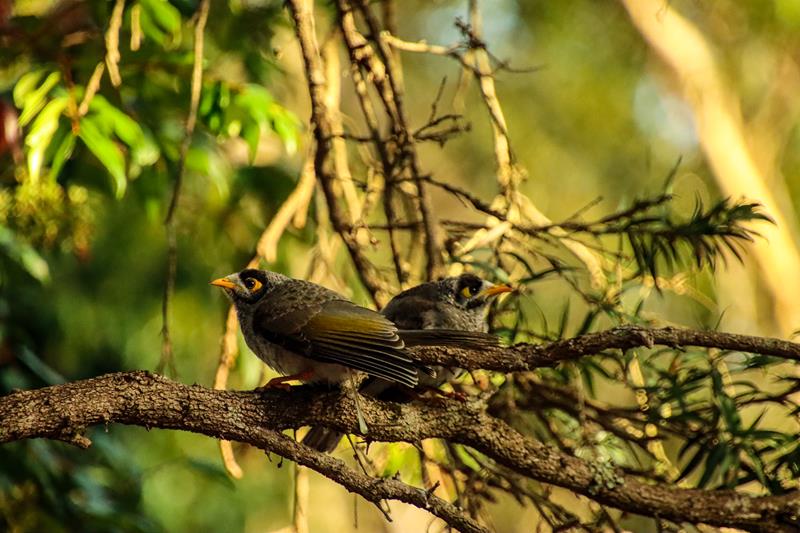
Noisy miner – a bird from the honeyeater family – is another pretty bird you can see frequently at Lane Cove National Park.
Entry to the park
Entry to the park is $8 per vehicle. Although, if you stay at Lane Cove Discovery Park, you can just walk into the national park for free.
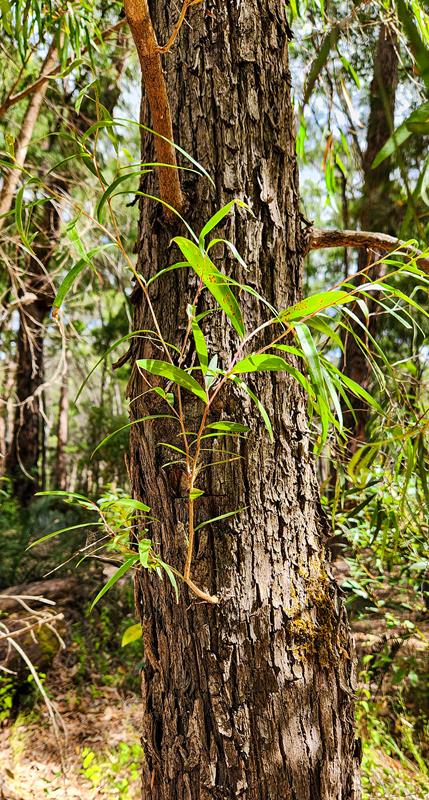
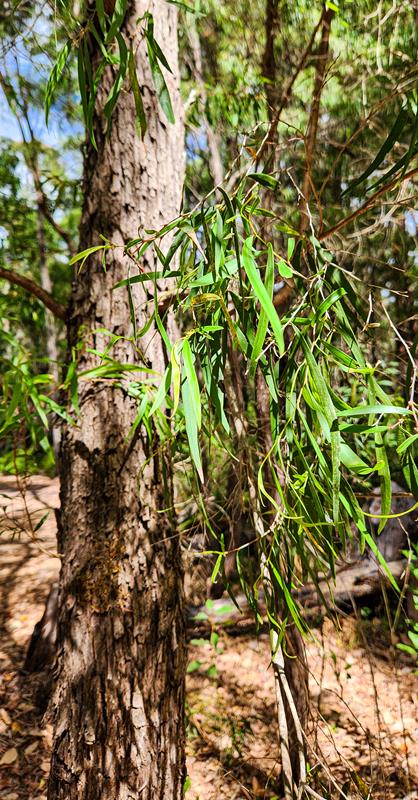
So, why such an interesting name and what does it mean – Snottygobble? It is actually a tree, also known as Persoonia longifolia, which grows in abundance at Snottygobble Loop campground.
Camping location and facilities
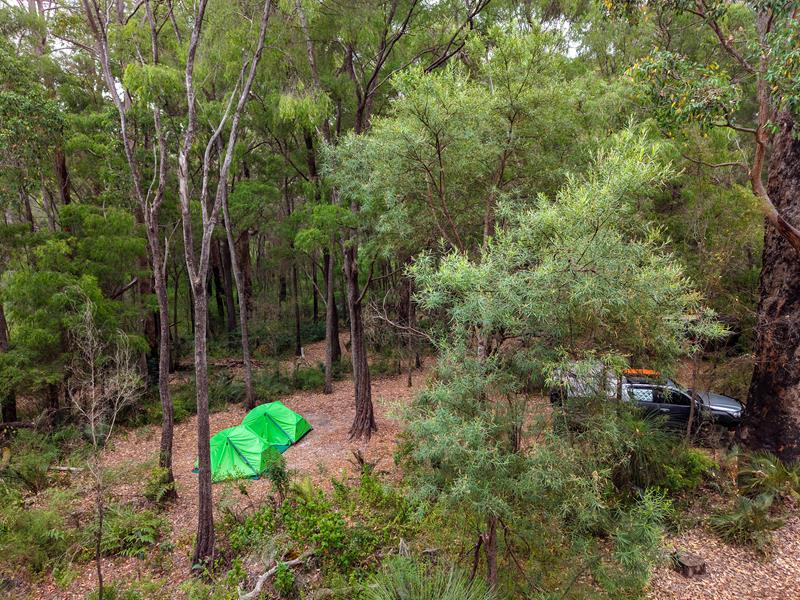
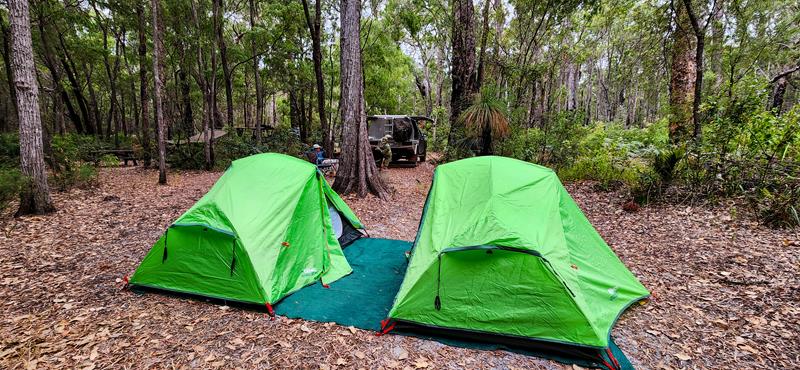
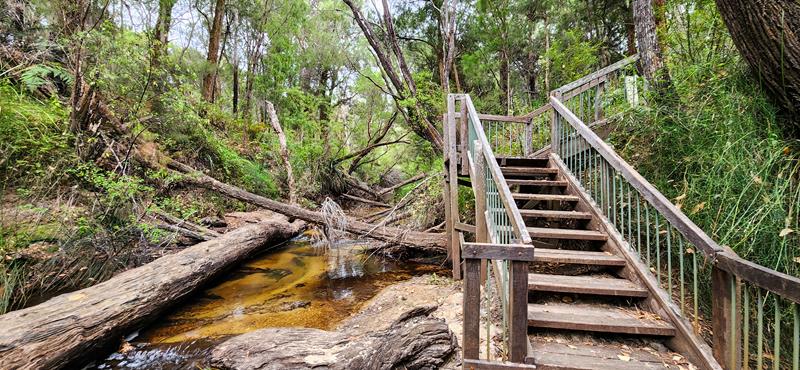
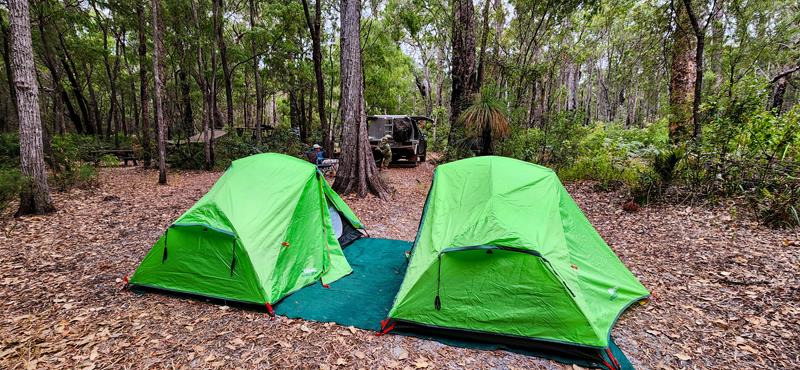
Snottygobble Loop campground is located at the border of D’Entrecasteaux National Park and Greater Hawke National Park in Australia’s Southwest. It is a secluded little campground near Carey Brook and amidst thick jarrah-marri forest. There are 11 campsites, including 1 group site. The sites are suitable for tents and swags only, as the barrier prevents you from reversing in. Entrance to individual campgrounds is narrow in most cases, so putting an awning might not be possible. We couldn’t open ours but luckily we didn’t need it). Some sites have picnic tables, others have fire rings to be used between April and November. Only two sites have both picnic tables and fire rings (2 and #8). There are drop toilets and a communal shelter, which can be considered as a kitchen. The sheltered place has a table and a water tank with non-portable water.
Things to do
The best thing about the campground is that it is quite secluded, if you want privacy. Although, the forest amplifies all the sounds, so there is very good acoustics there 😊. There are nice walking trails along the Carey Brook. You can walk to the next campground (Grasstree Hollow), which is only 2km away. You can also walk in the opposite direction to Goblin Swamp. Or you can drive a few more km to Donnely river and launch your boat there.
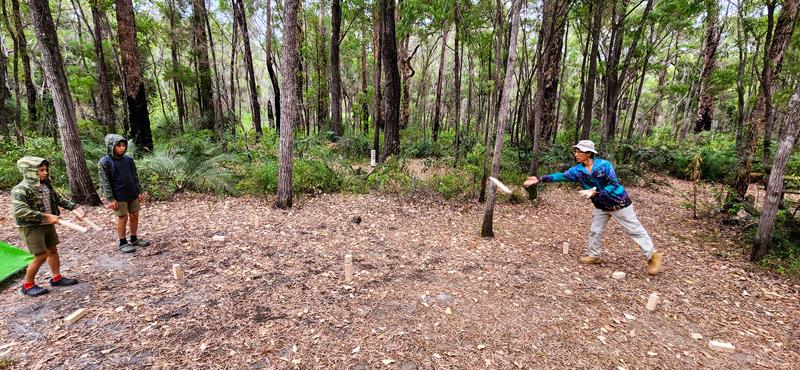
It was a relaxing holiday that we spent at Snottygobble Loop campground. We played games (and we don’t often do that 😊), did some walking, visited ice-creamery and chocolate factories.
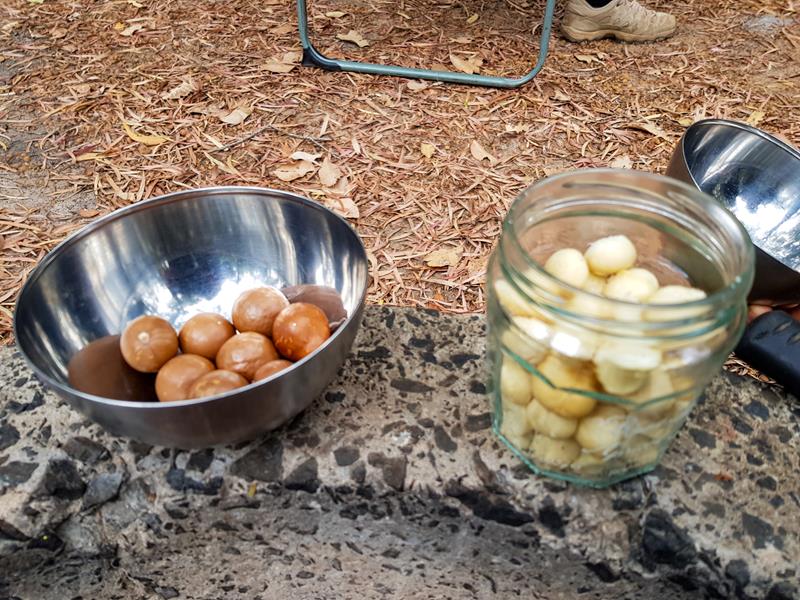
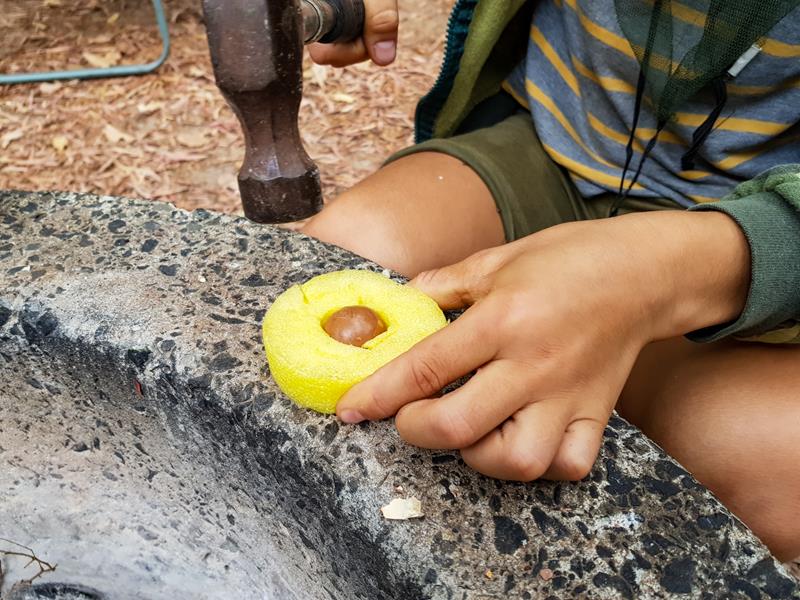
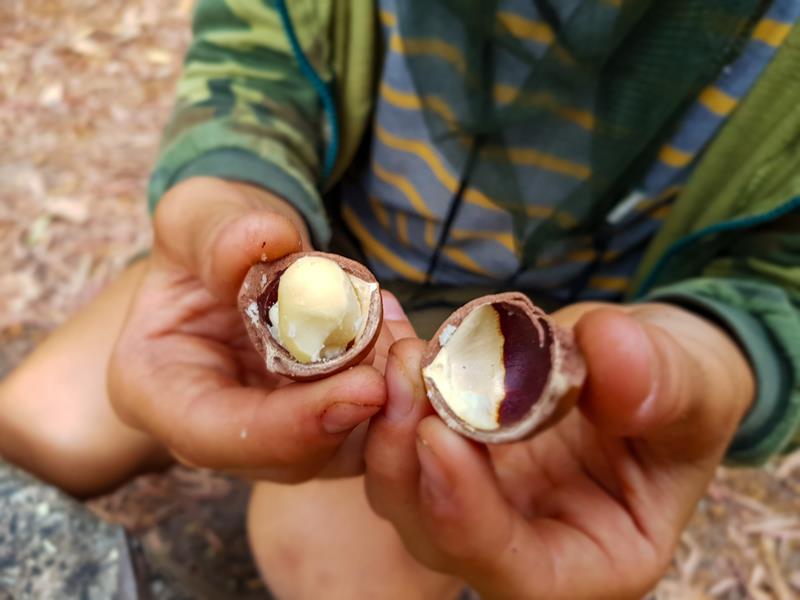
We also bought a bag of shelled macadamia nuts from Nannup and kids had a good time cracking them (all of them!)
Goblin Swamp is 2km away from Snottygobble Loop campground. It is an interesting place, with a mixture of mystery and spookiness in it. It was dry when we visited it in January and the roots of the paperbark trees were exposed. They were also burnt a few years ago. Now, still looking black with a contrasting new bright green growth, the trees look quite eerie. Goblins are said to live there too 😊.
Fees and bookings
Technically, Snottygobble camp is in Hawke National Park, so there is no park entry fee. Camping fees are $15 per person per night and you need to book the sites online via Parkstay WA. We camped at Snottygobble during Australia Day long weekend in 2025. The campground was fully booked, although 1 or 2 campgrounds were empty. Our neighbour had to relocate to Warren NP after 1 night, because his site was booked, but no one arrived that night.
In conclusion
We generally prefer camping by the beach where we can see sunrise and sunset, but with everything being fully booked weeks and months ahead, we were happy staying in the forest for a change :). It is a nice campground, if you don’t mind staying in tents/swags and don’t need lots of space around your vehicle (e.g. for an awning).
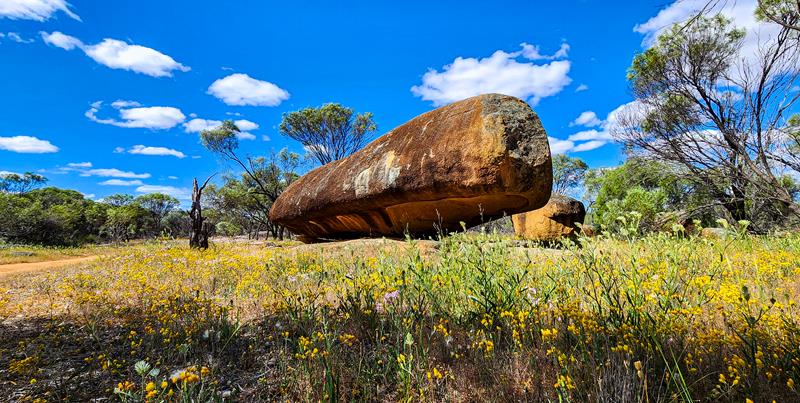
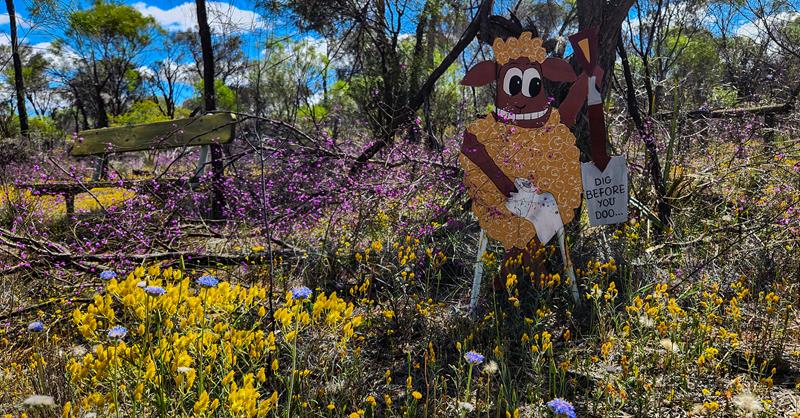
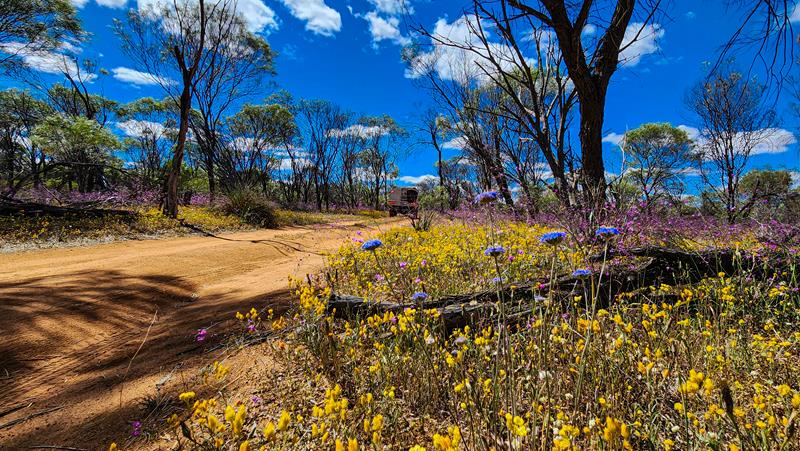
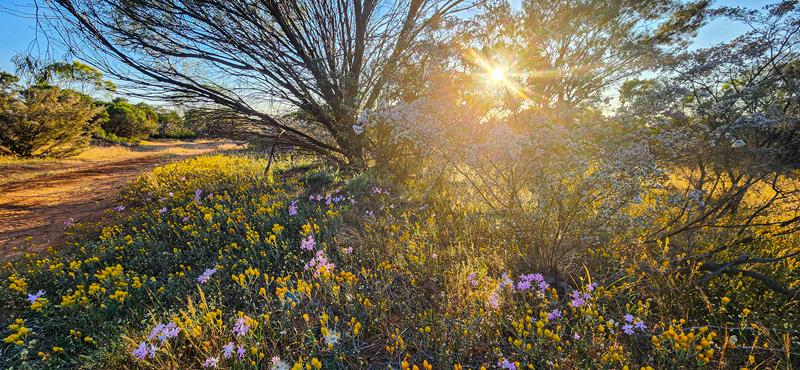
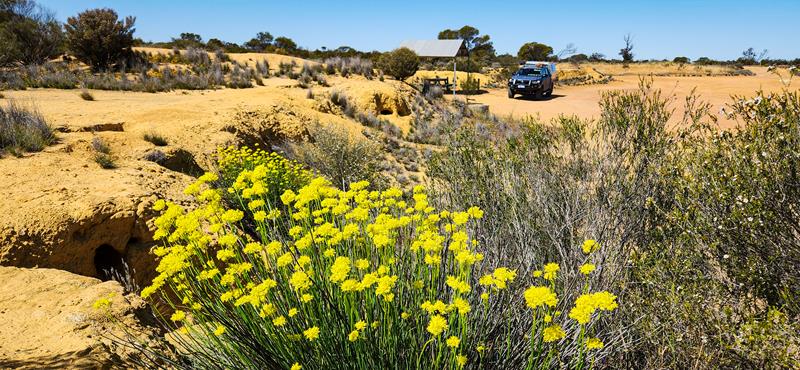
Datjoin Rock and Well Reserve, 18km east of Beacon in North East Wheatbelt is a natural attraction, a popular picnic and free camping spot. It is home to some interesting rock formations which are quite picturesque. During the months of spring the reserve is full of beautiful wildflowers. At the time we visited, there were mostly everlastings. Orchids do grow there too, but they finished blooming earlier, and we missed them by a couple of weeks or so (we visited this place end of September). Datjoin Rock is part of Wheatbelt Way self-drive.
Camping is allowed at the Datjoin Rock Reserve, near the well. There are no facilities, so you would need to be self-sufficient and take all rubbish with you. As with most Wheatbelt places, cooler months are the best for camping. During the months of April and September you can have camp fire there.
Location
To get to Datjoin Rock reserve, travel from Beacon for 18km eastward on Burakin/Wialki road. There is a narrow track entrance on the left. This track is suitable for for 2WDs but it is too narrow for caravans. There is another entrance to the actual rock 2km further eastwards on Clark Road, on the left, at the top of the rise. This second area is a narrow 4WD track only. We found the main Datjoin Rock and well reserve to be picturesque enough. So, if you get lost looking for the second entrance to the actual rock, you won’t miss much, as the Rock reserve has everything you need, including camping area.
Mollerin Rock is a free camping and picnic area, 50km north of Koorda in North East Wheatbelt. It’s one of the attractions along Wheatbelt Way self-drive.
Mollerin Rock camp
Facilities are basic and include a long drop toilet with a tap for washing hands, 1 gazebo with a picnic table. There is plenty of space to accommodate various types of vehicles and set ups. The place is easily accessible to 2WD. The campground is at the base of Mollerin Rock, which is quite low in height and easy to walk on and around.
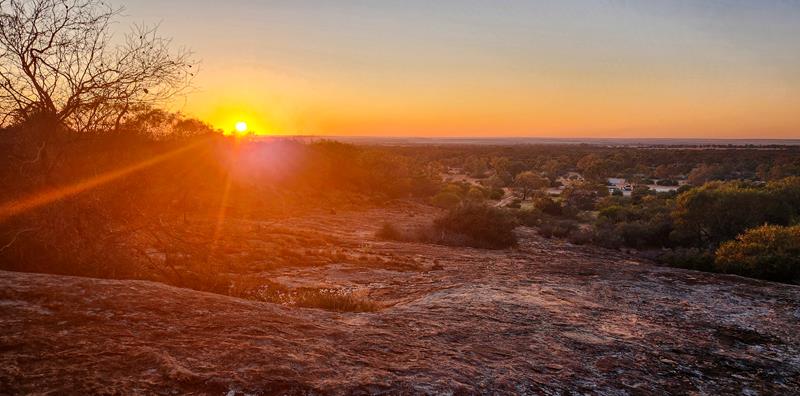
The views are wonderful from the top, especially at sunset. The best thing about Mollerin Rock is campfire at night during cooler months (between April and September) and wildflowers, mostly everlastings, during early spring.
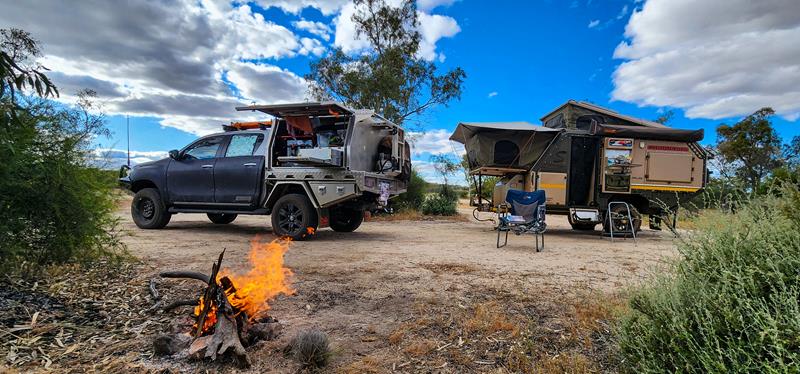
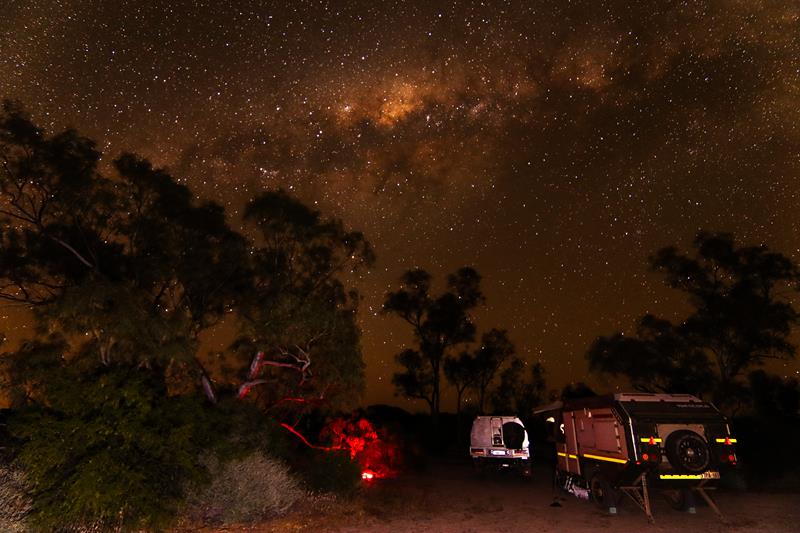
We stayed at Mollerin Rock campground at the end of September. The wildflowers were past their prime time and many finished already but we still enjoyed the campfire and starry nights.
Attractions nearby:
Koorda Rose
Koorda is roughly 50km south of Mollerin Rock.
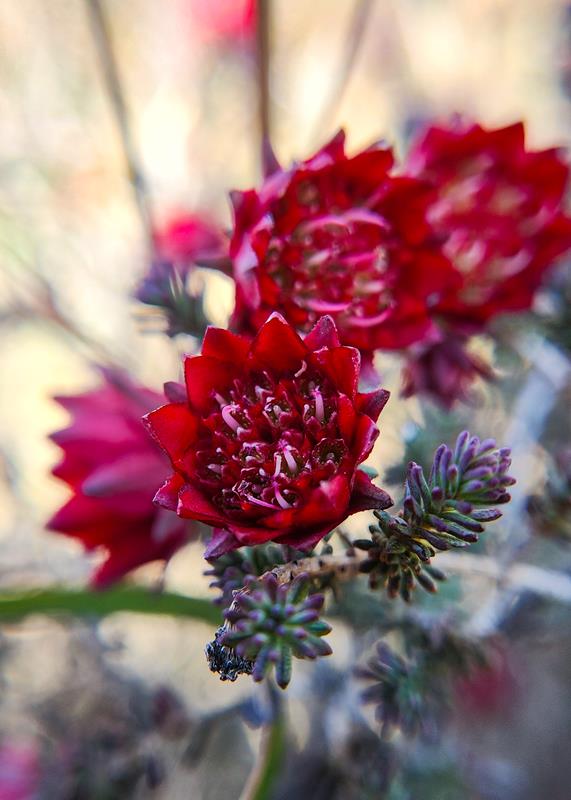
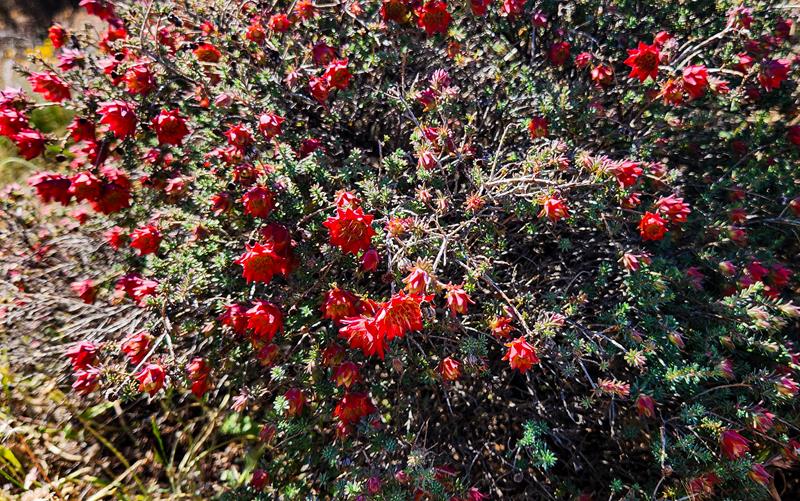
I planned a trip to Koorda to see the unique to the Wheatbelt region Koorda Rose (Darwinia purpurea). It is a very pretty bright red flowering plant, common in Koorda. It is found in abundance in Koorda Native Flora reserve, 15km north-east of town, on the Mulji Road.
Koorda Native Flora reserve also offers a free picnic and camping ground. The area is relatively big and open and suitable for all kinds of set ups and vehicles. There is a picnic table with shade, campfire ring and toilet. While we didn’t stay there, it looked like a nice camping spot for cooler months.
Koorda Motor and Military Museum
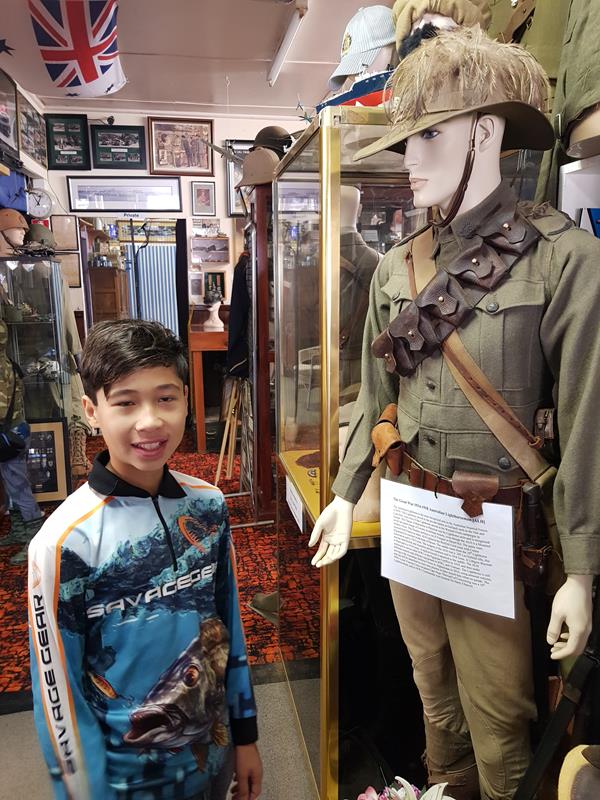
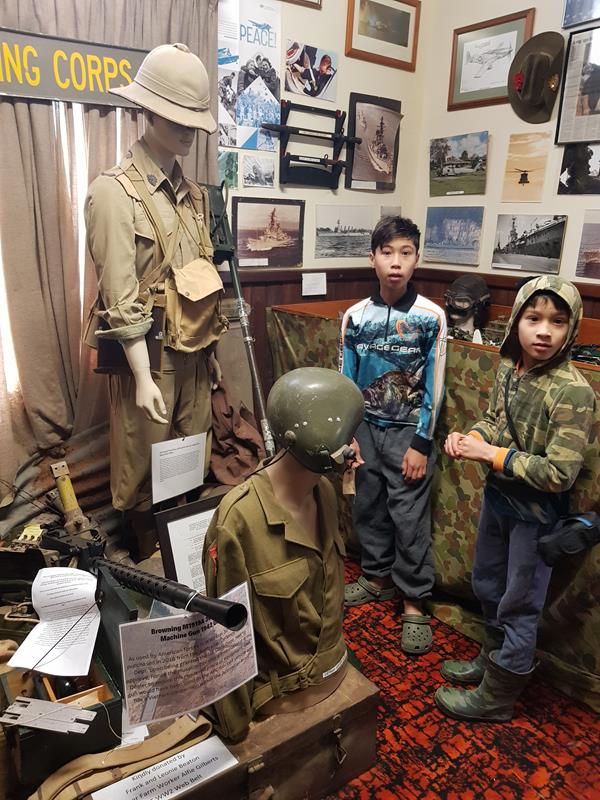
Another place we (our sons, in particular) enjoyed visiting was Koorda Motor and Military Museum. Although it is small and is open by appointment, it does have a few interesting things on display and is worth a visit.
Redcliffe
We love natural attractions and always visit them whenever we have a chance as we travel. Redcliffe was one such attraction. The uniqueness and attractiveness of this place comes from the contrast between the white salt lakes and the red granite outcrops. Redcliffe is located 5km off Koorda, at the end of Rifle Range road.
Moningarin Tank
Roughly half way between Koorda and Mollerin Rock, Moningarin Tank is a picturesque place to visit. Lots of wildflowers are blooming there during the spring.
To provide the best experiences, we use technologies like cookies to store and/or access device information. Consenting to these technologies will allow us to process data such as browsing behavior or unique IDs on this site. Not consenting or withdrawing consent, may adversely affect certain features and functions.
Functional Always active
The technical storage or access is strictly necessary for the legitimate purpose of enabling the use of a specific service explicitly requested by the subscriber or user, or for the sole purpose of carrying out the transmission of a communication over an electronic communications network.
Preferences
The technical storage or access is necessary for the legitimate purpose of storing preferences that are not requested by the subscriber or user.
Statistics
The technical storage or access that is used exclusively for statistical purposes.The technical storage or access that is used exclusively for anonymous statistical purposes. Without a subpoena, voluntary compliance on the part of your Internet Service Provider, or additional records from a third party, information stored or retrieved for this purpose alone cannot usually be used to identify you.
Marketing
The technical storage or access is required to create user profiles to send advertising, or to track the user on a website or across several websites for similar marketing purposes.