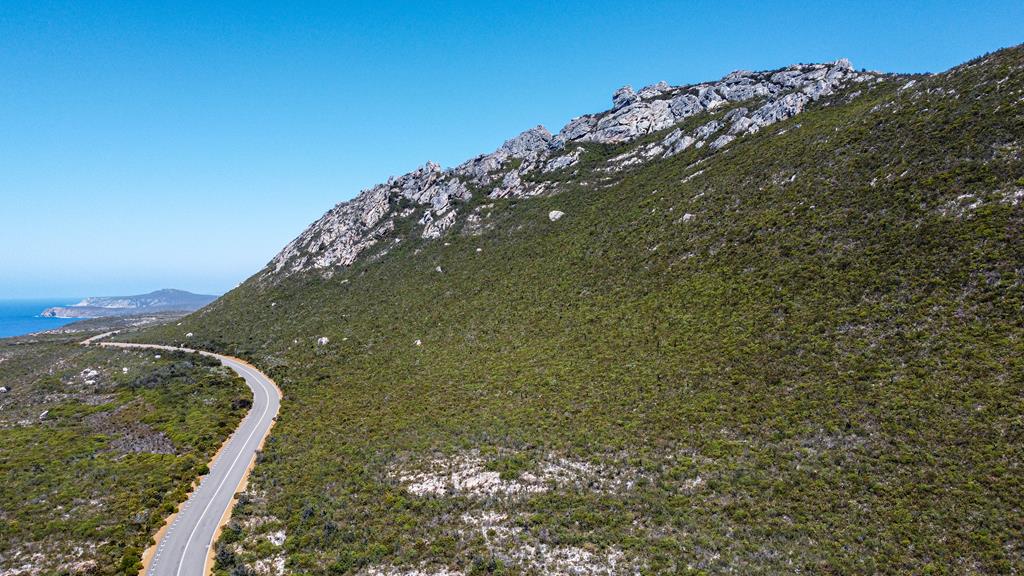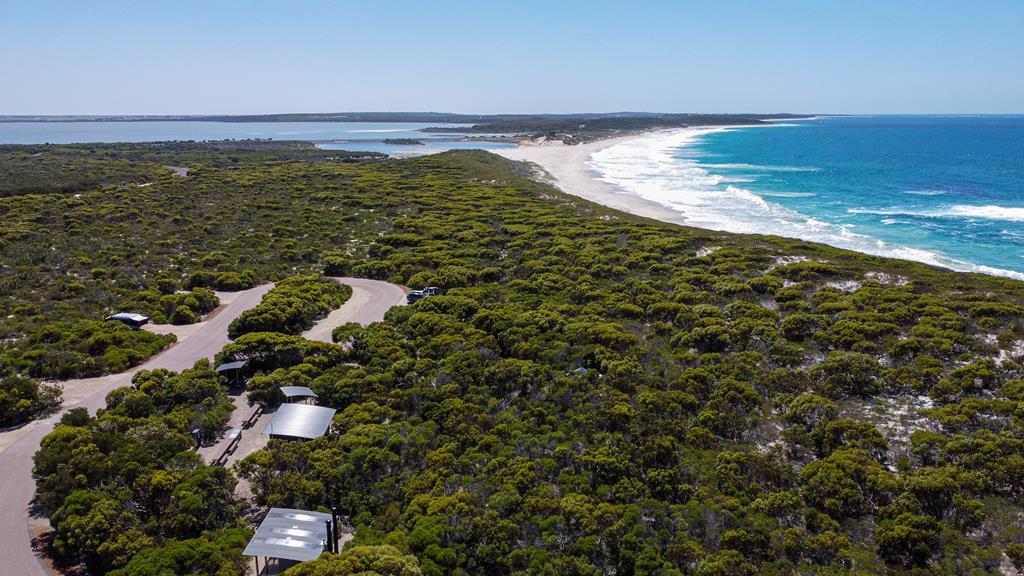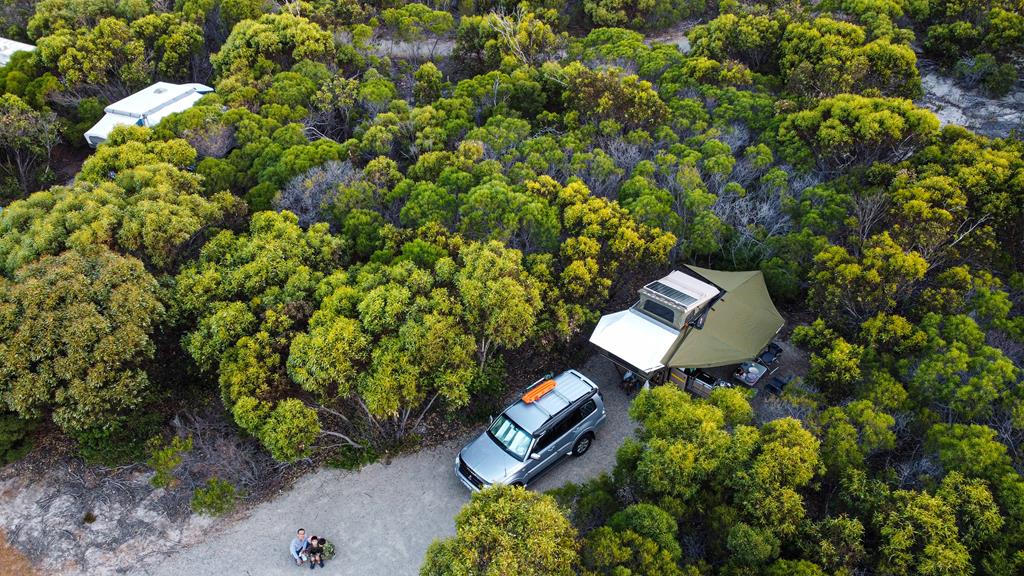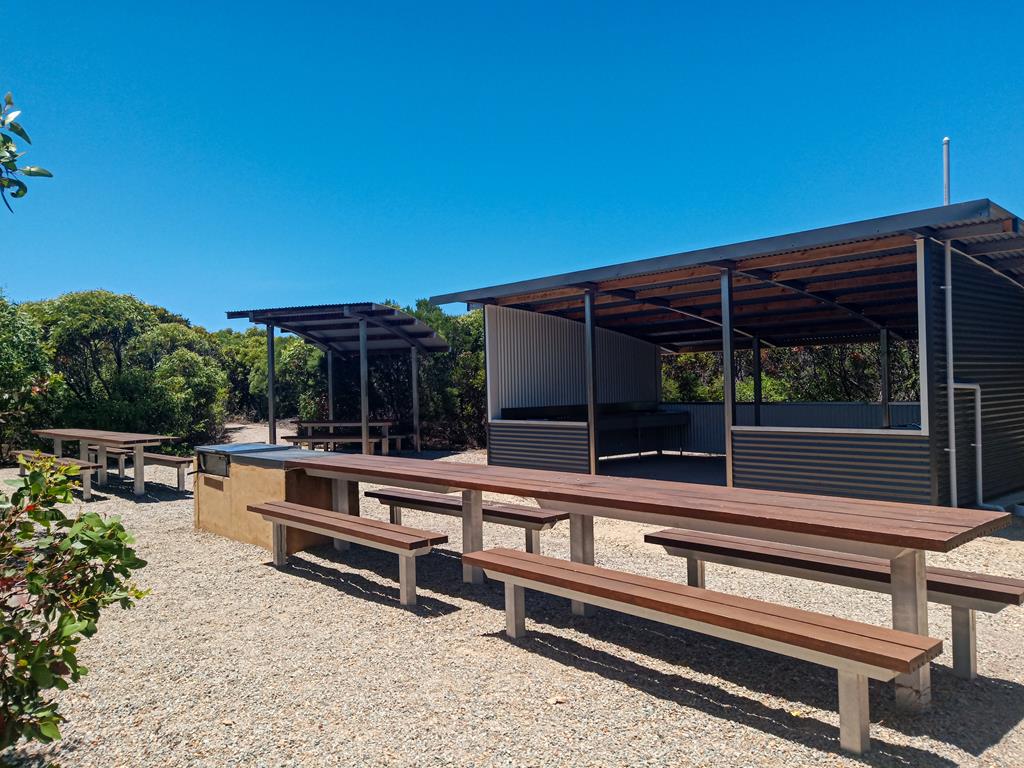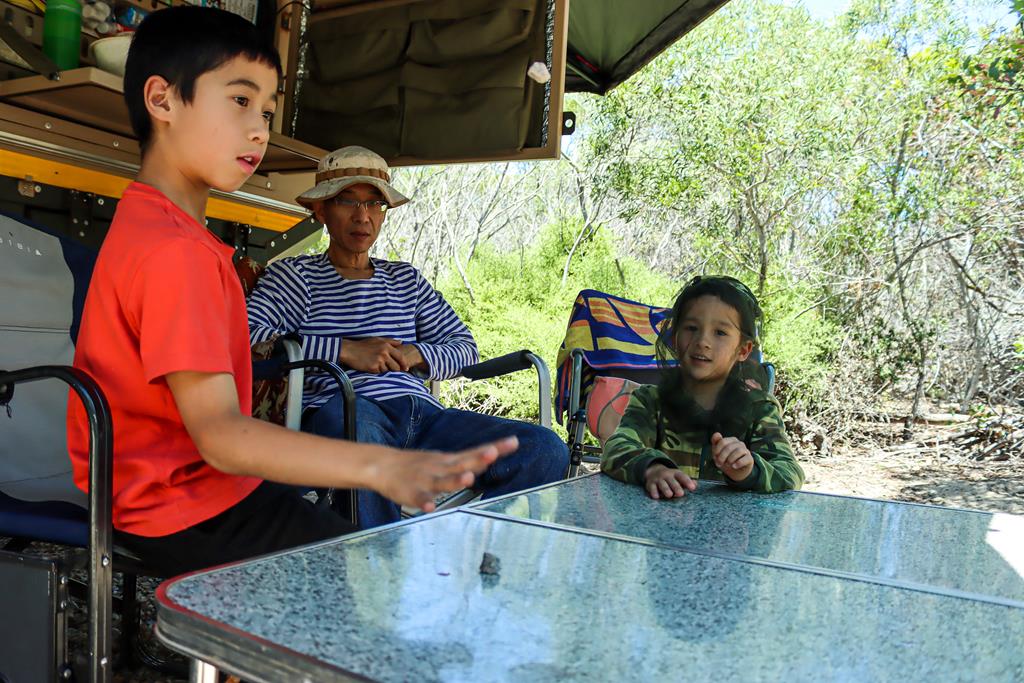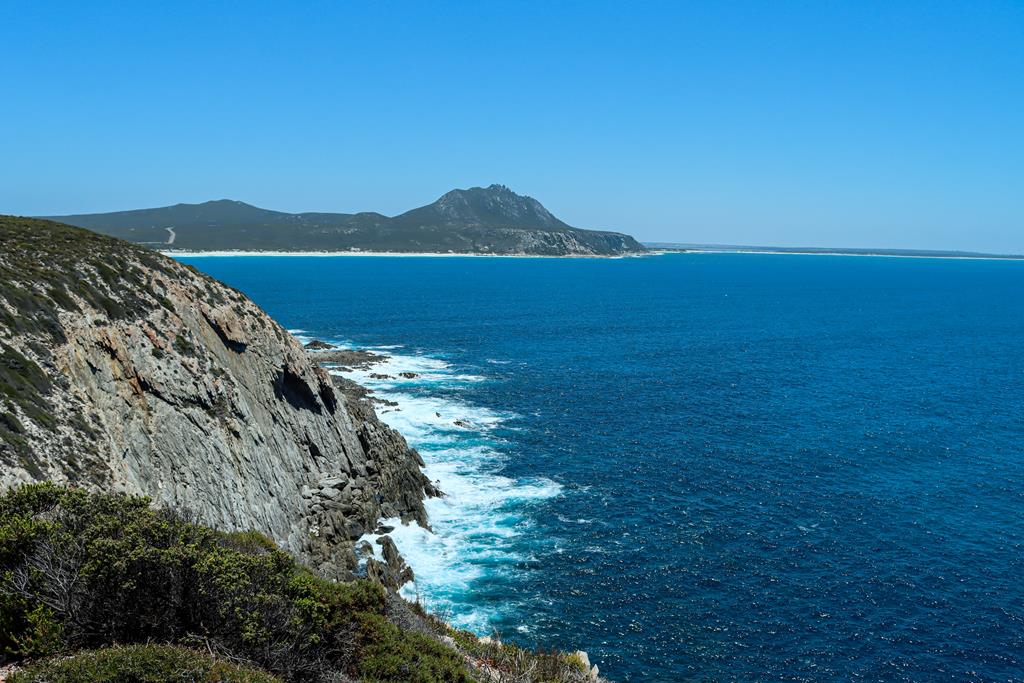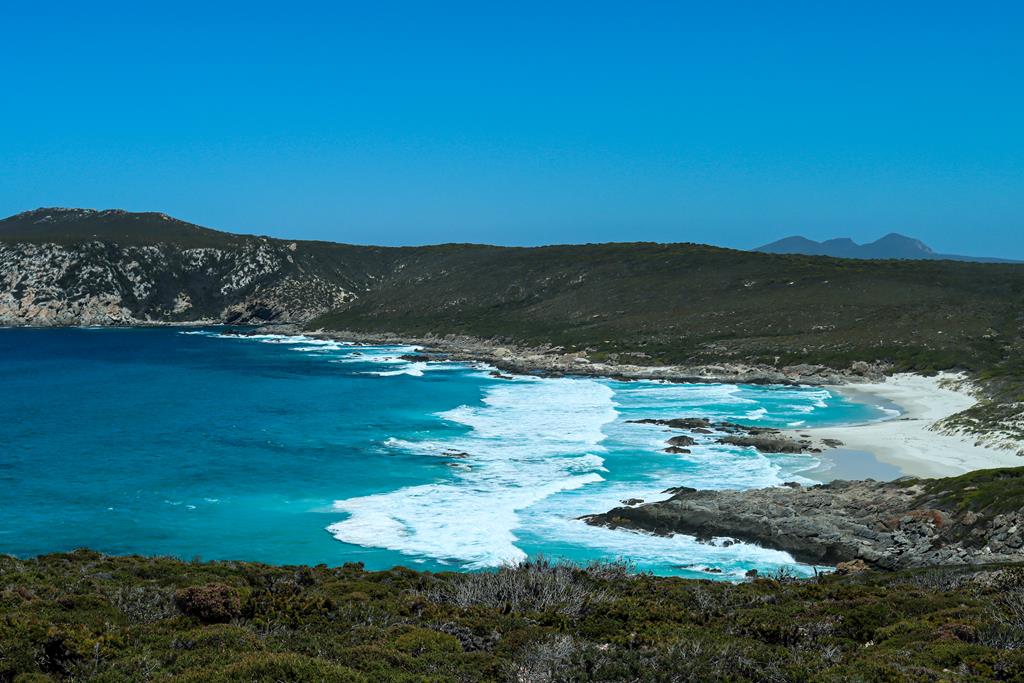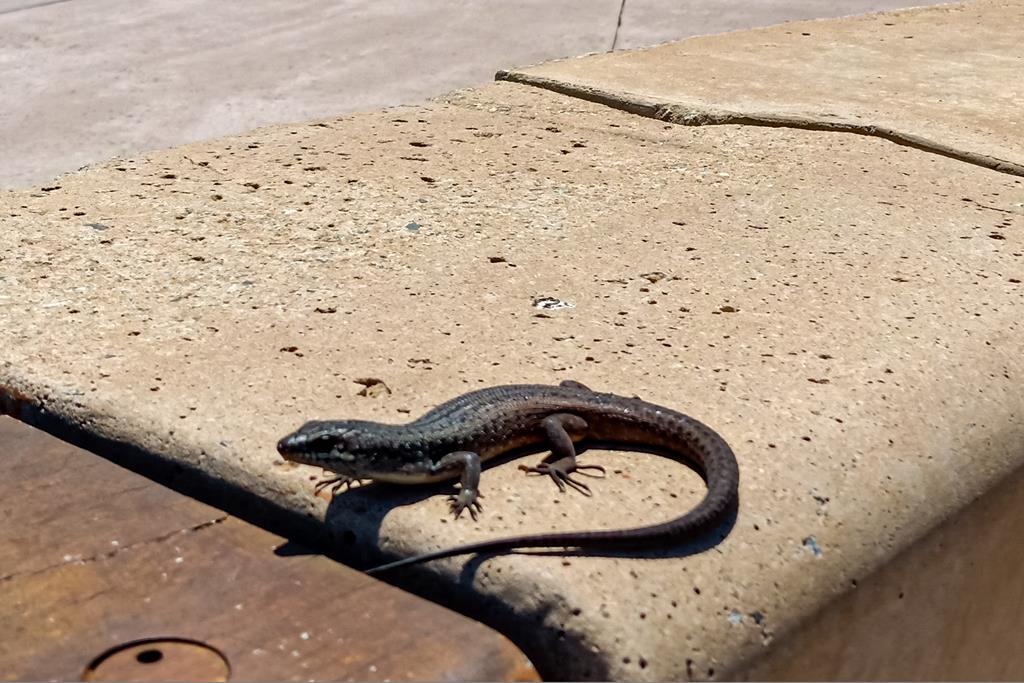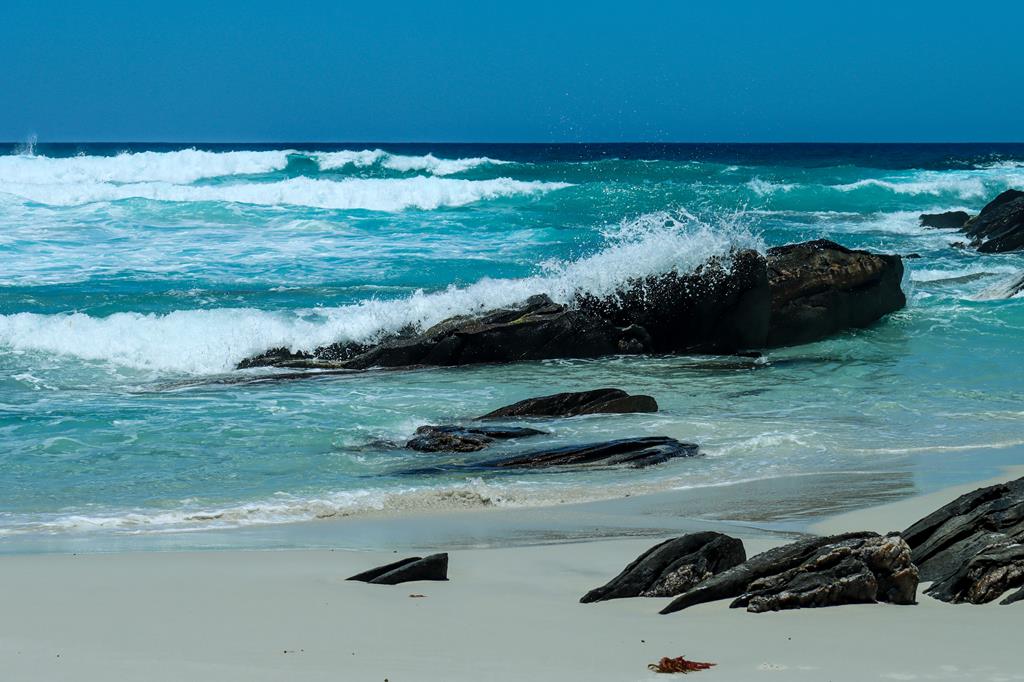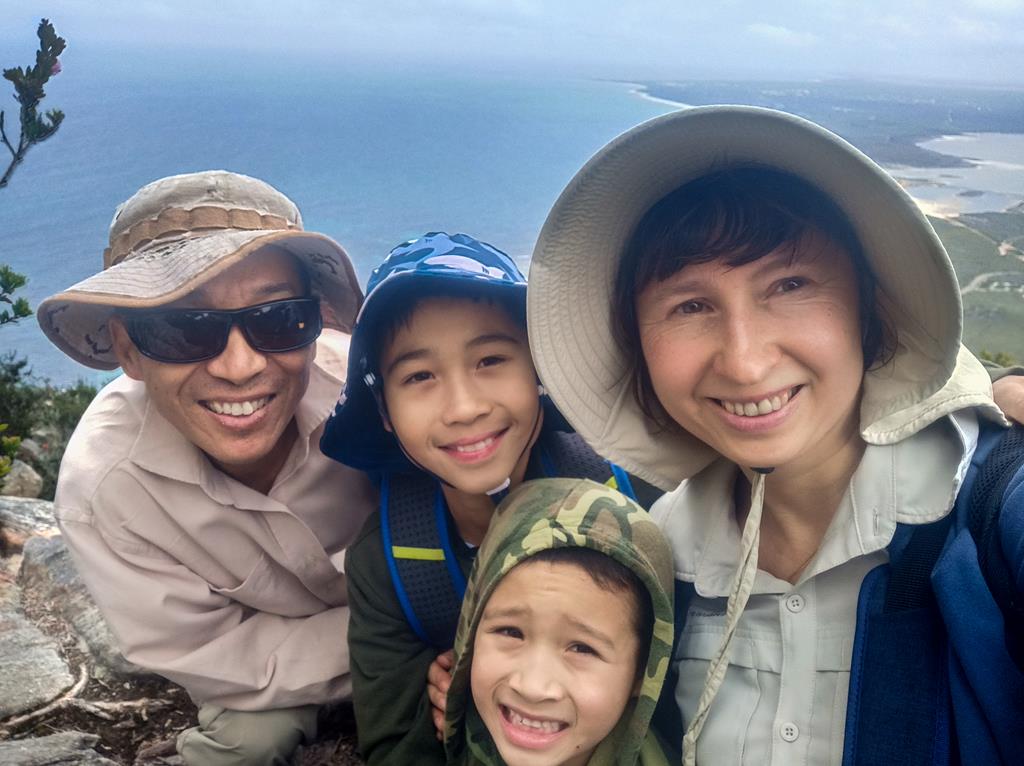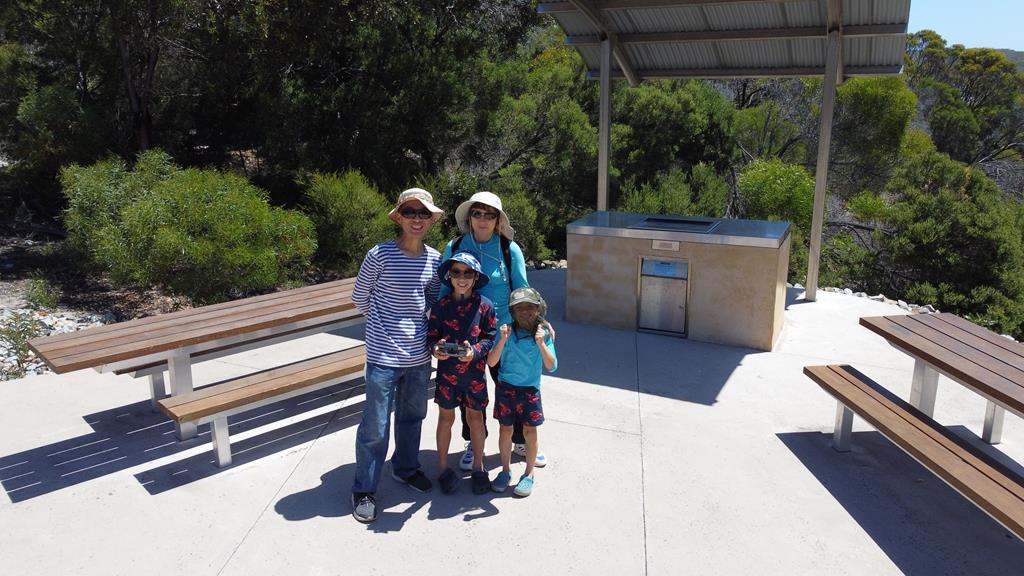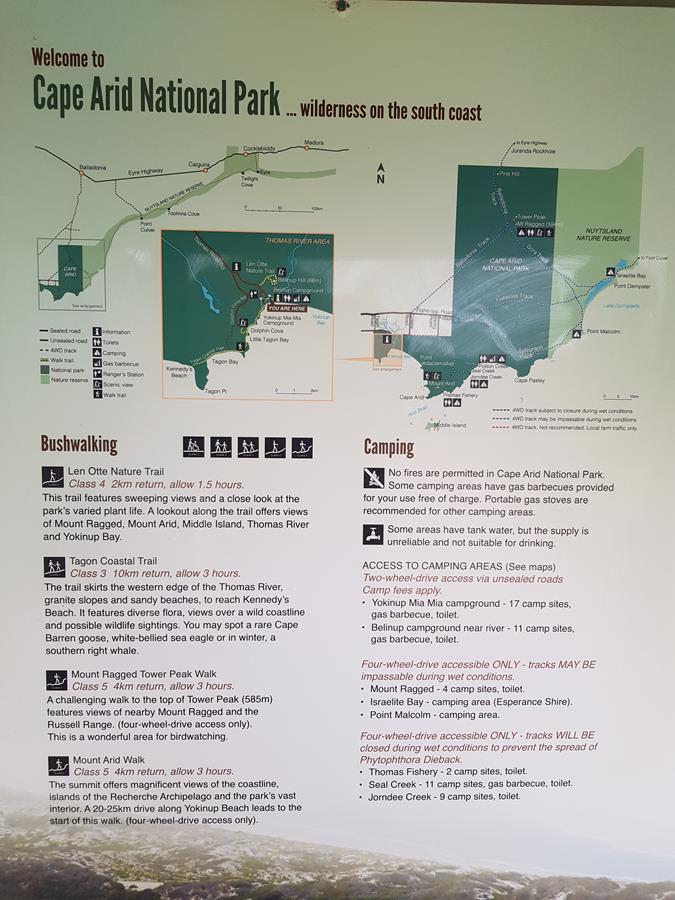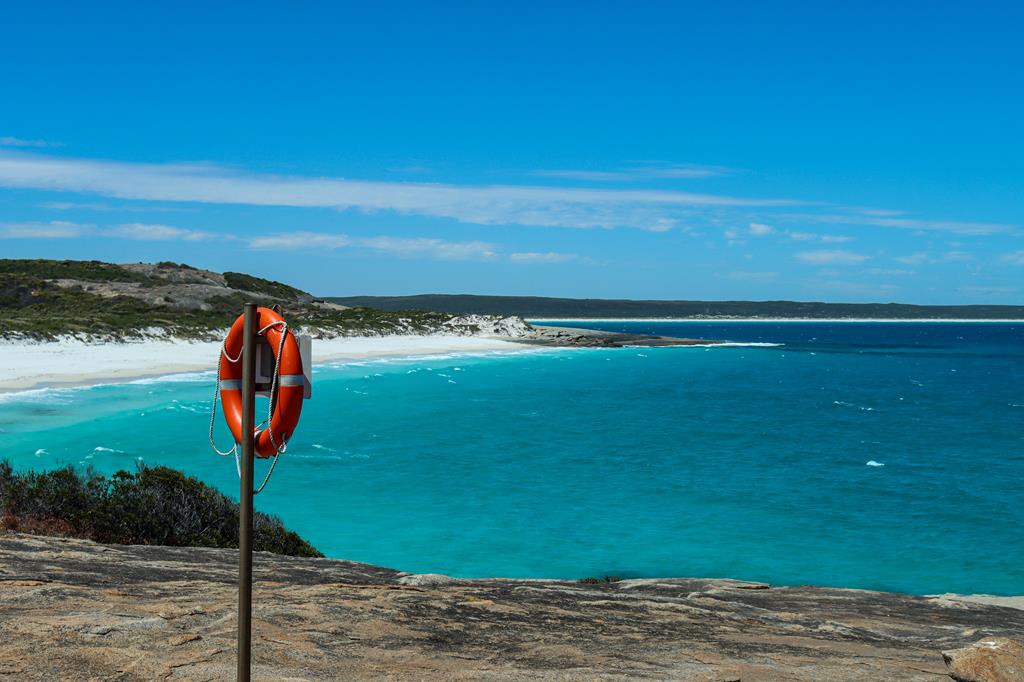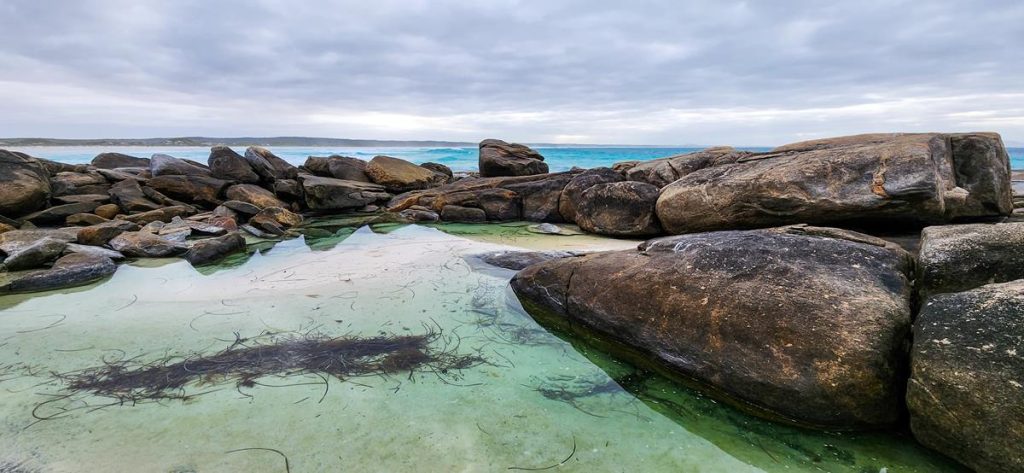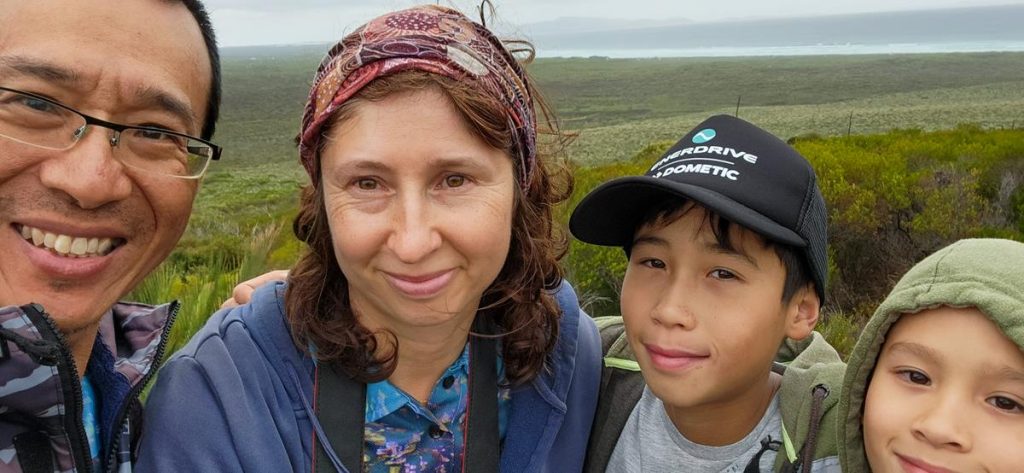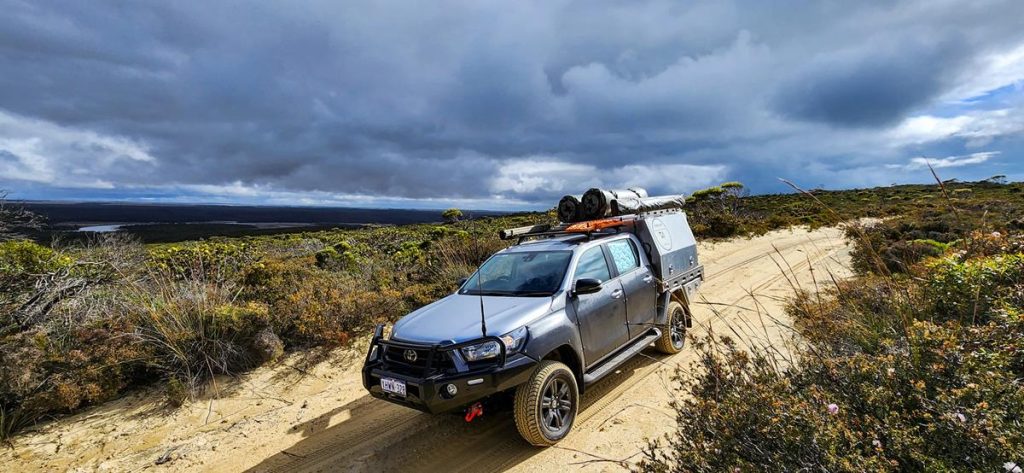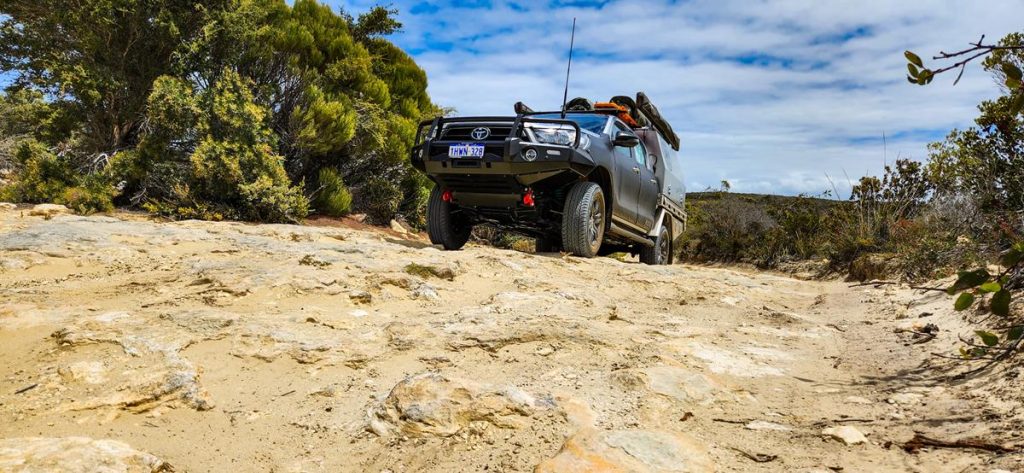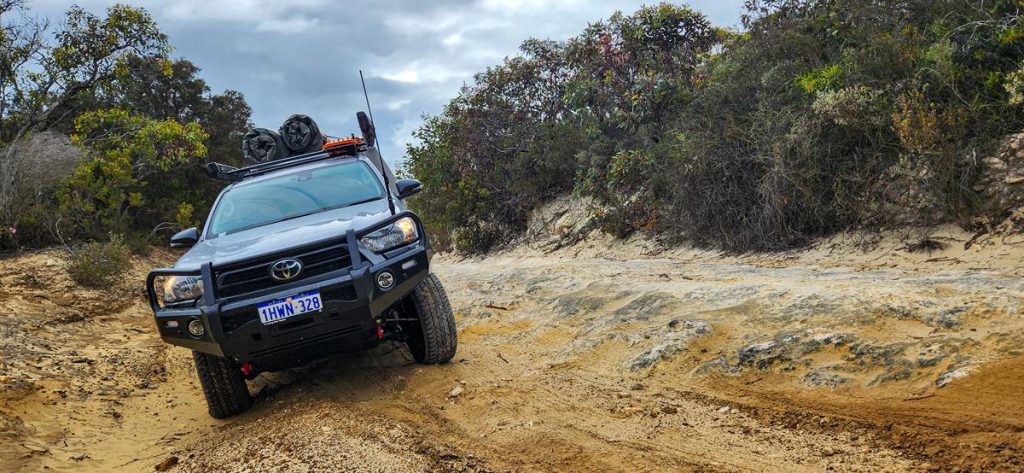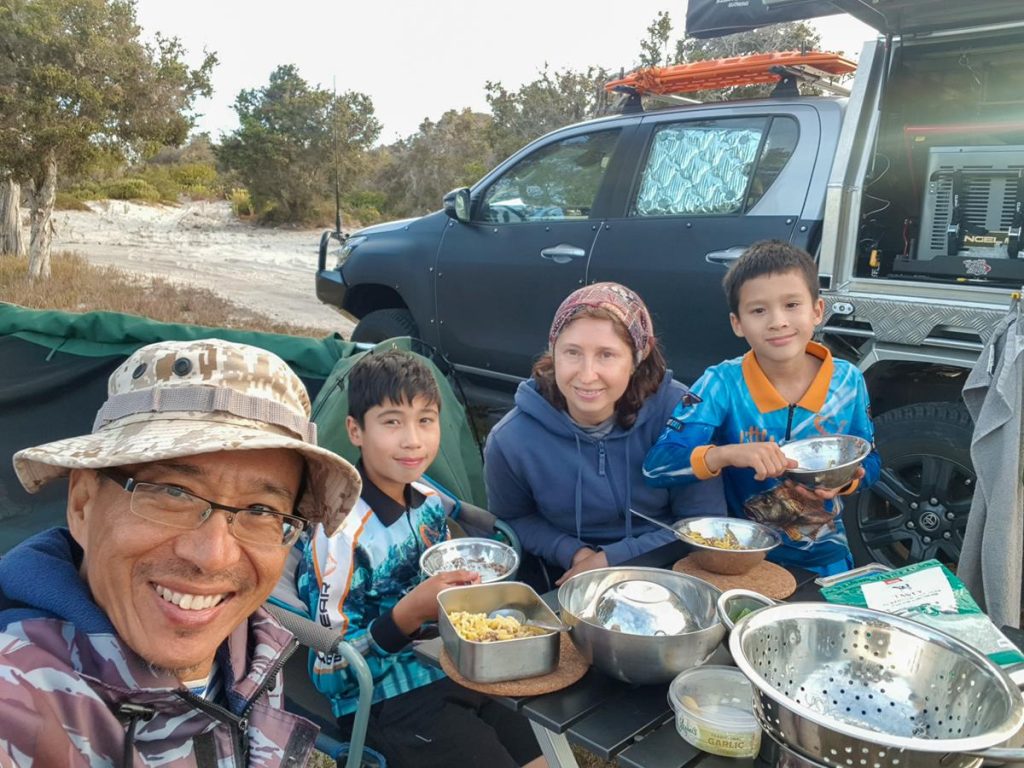
We are a family of four and are nuts about traveling. Our name reflects this! We love sharing the joy and love of traveling and adventure! Let's the fun begin!
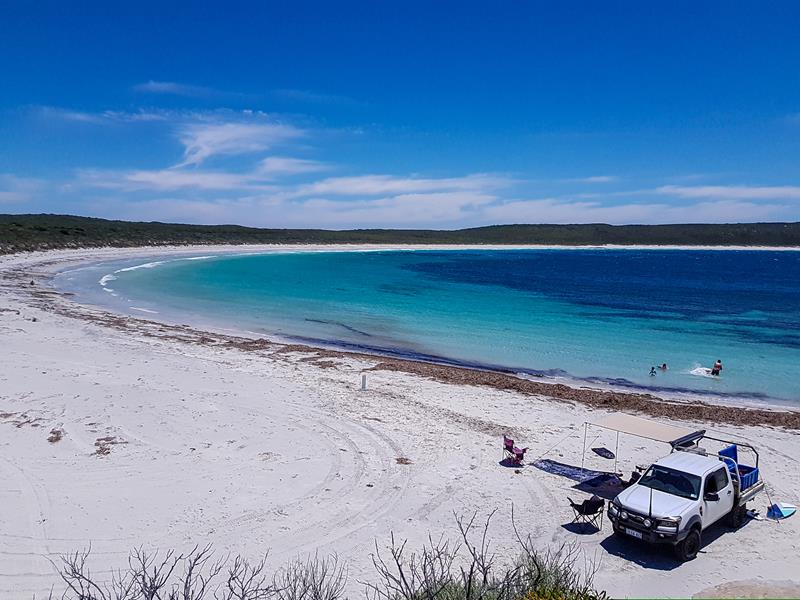
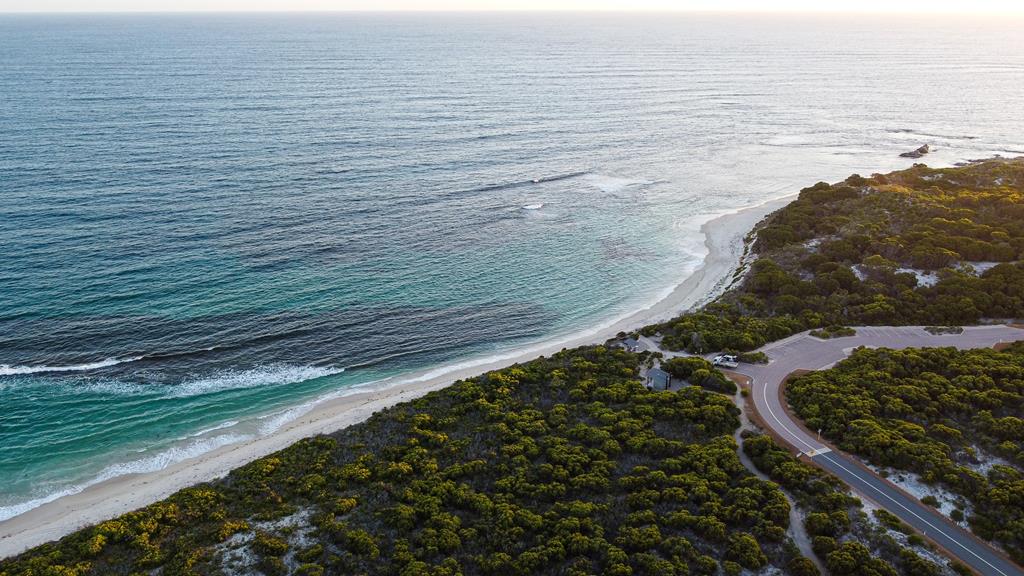
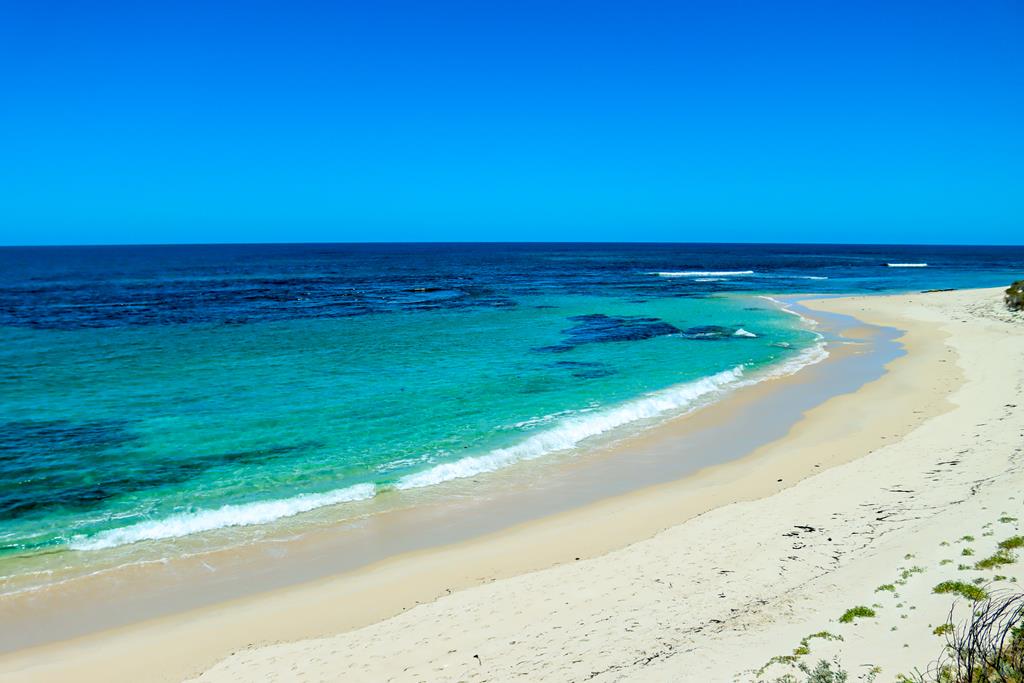
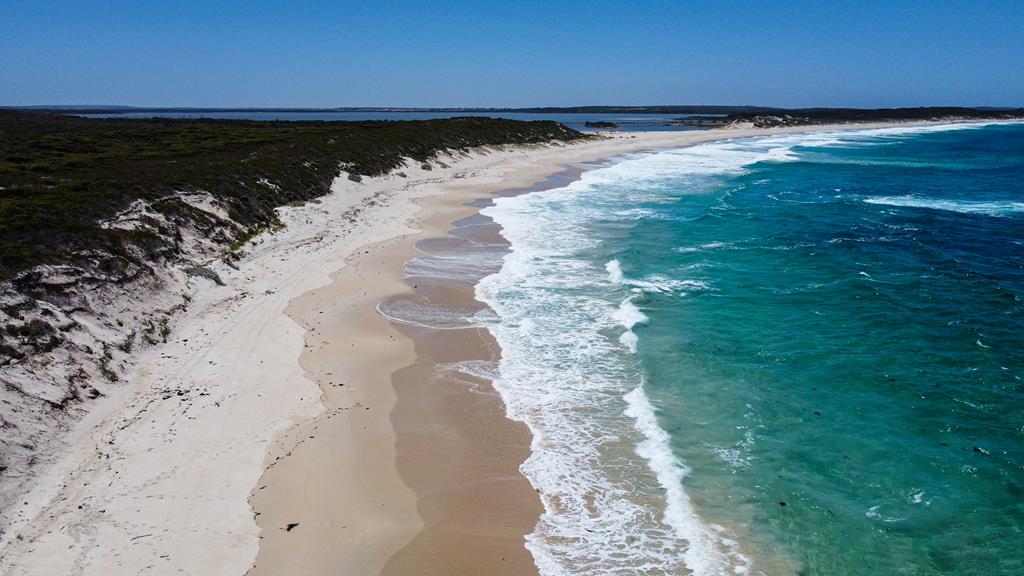
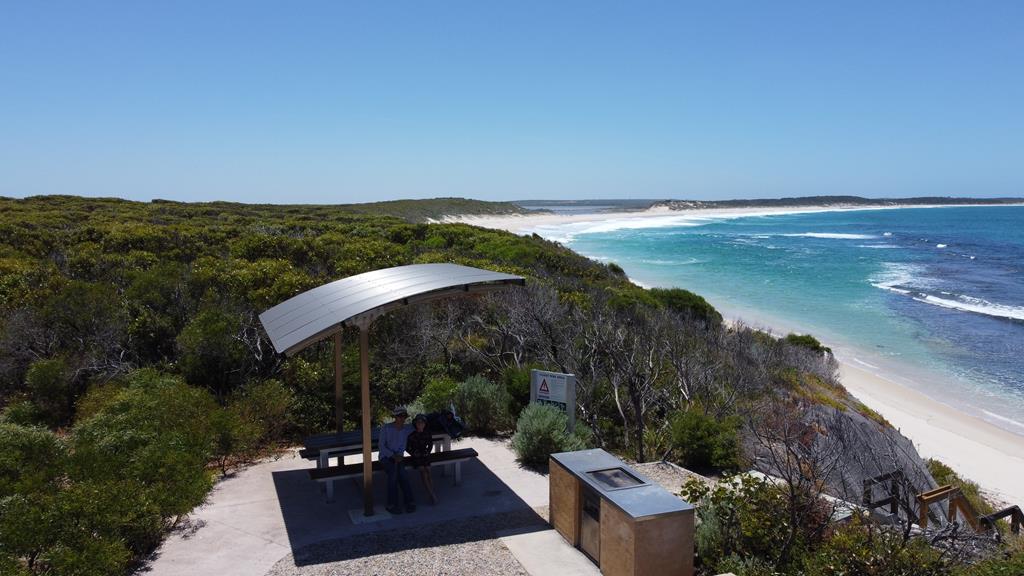
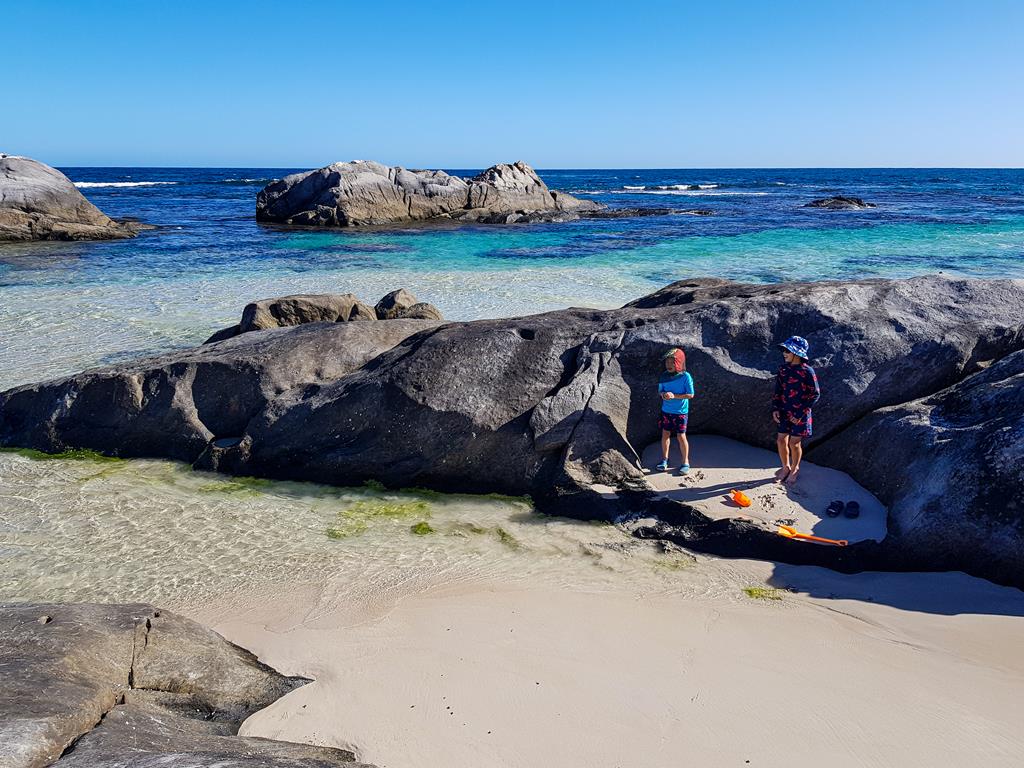
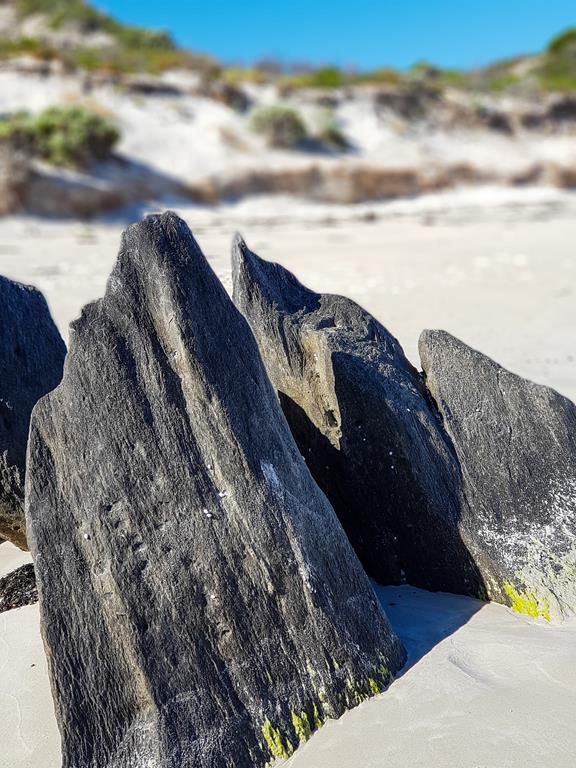
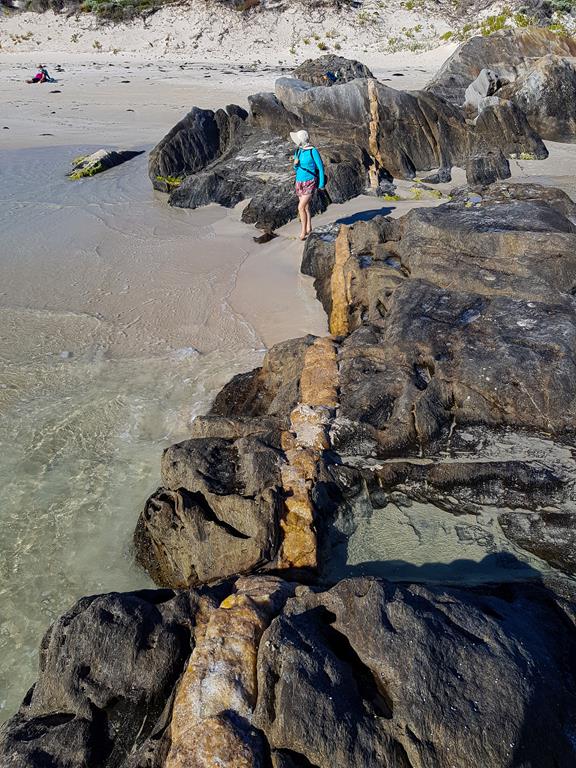
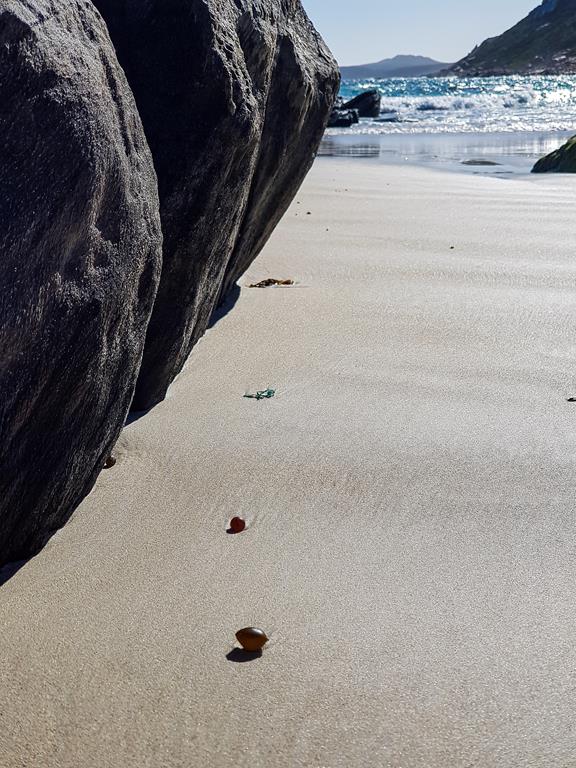
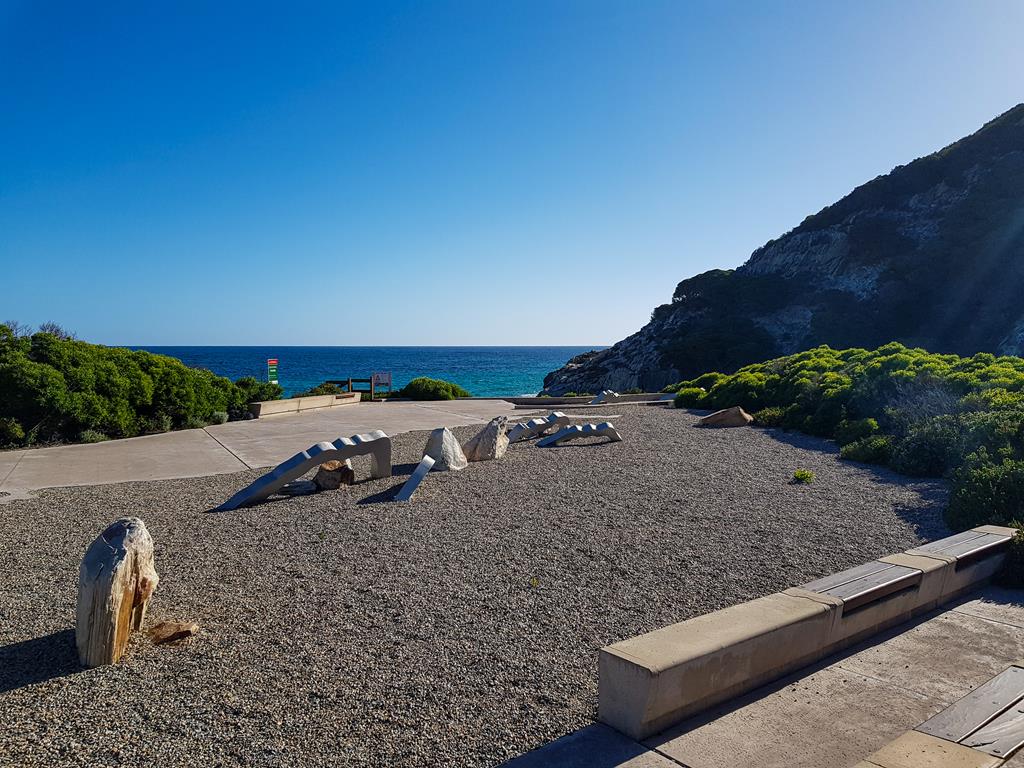
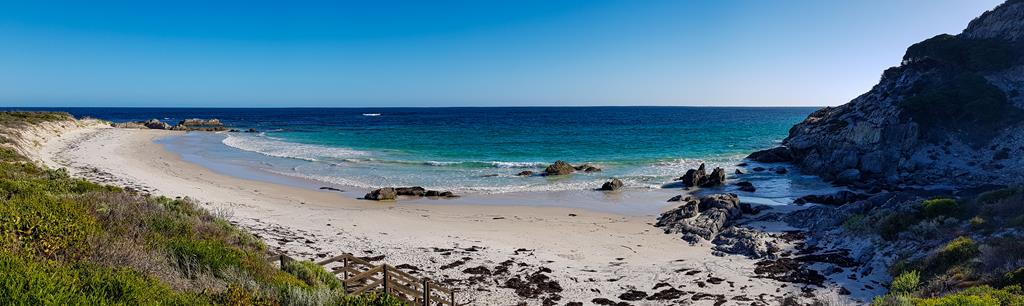
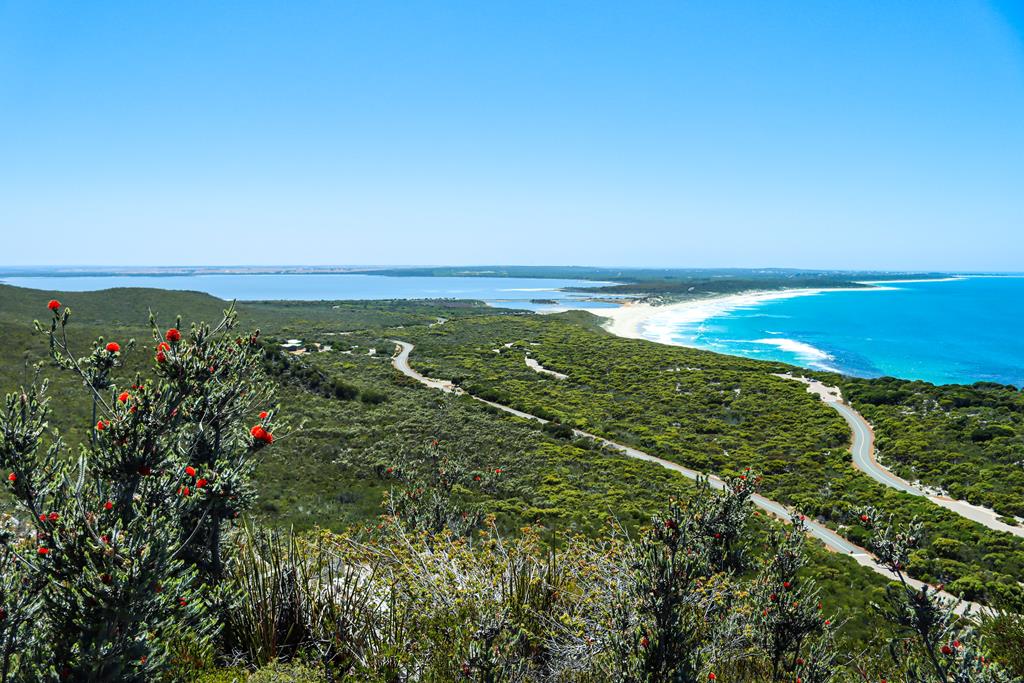
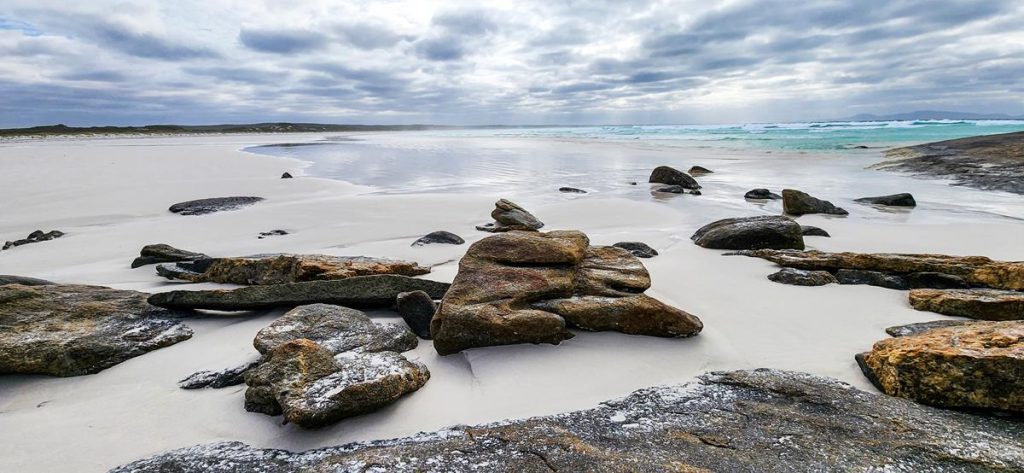
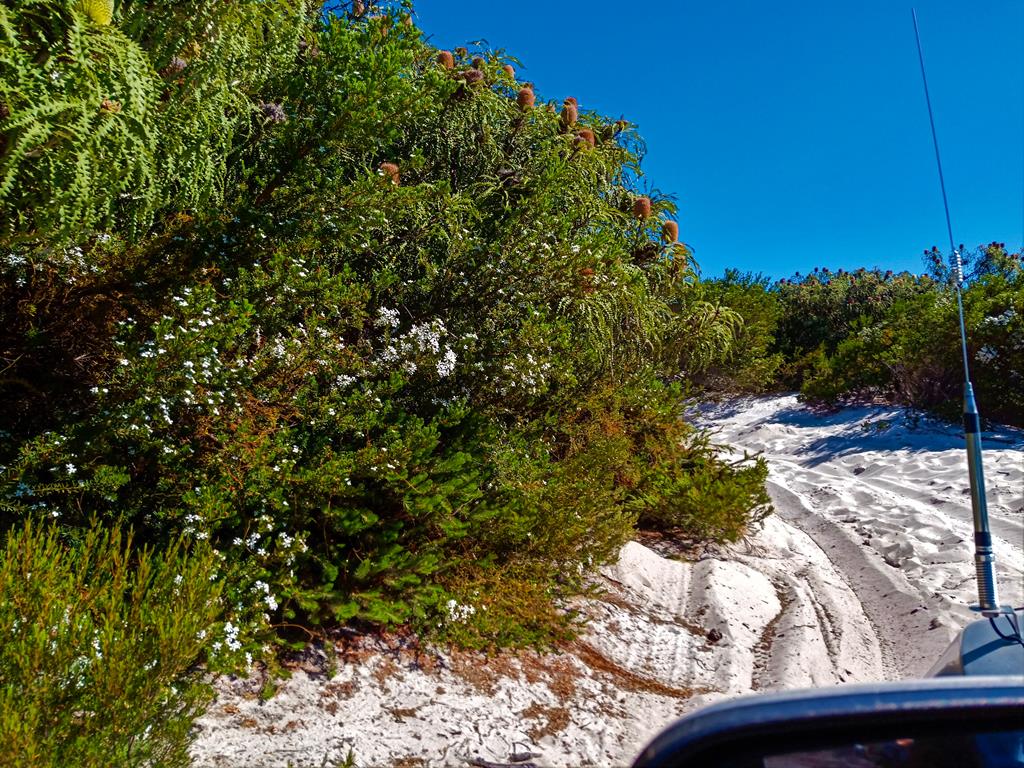
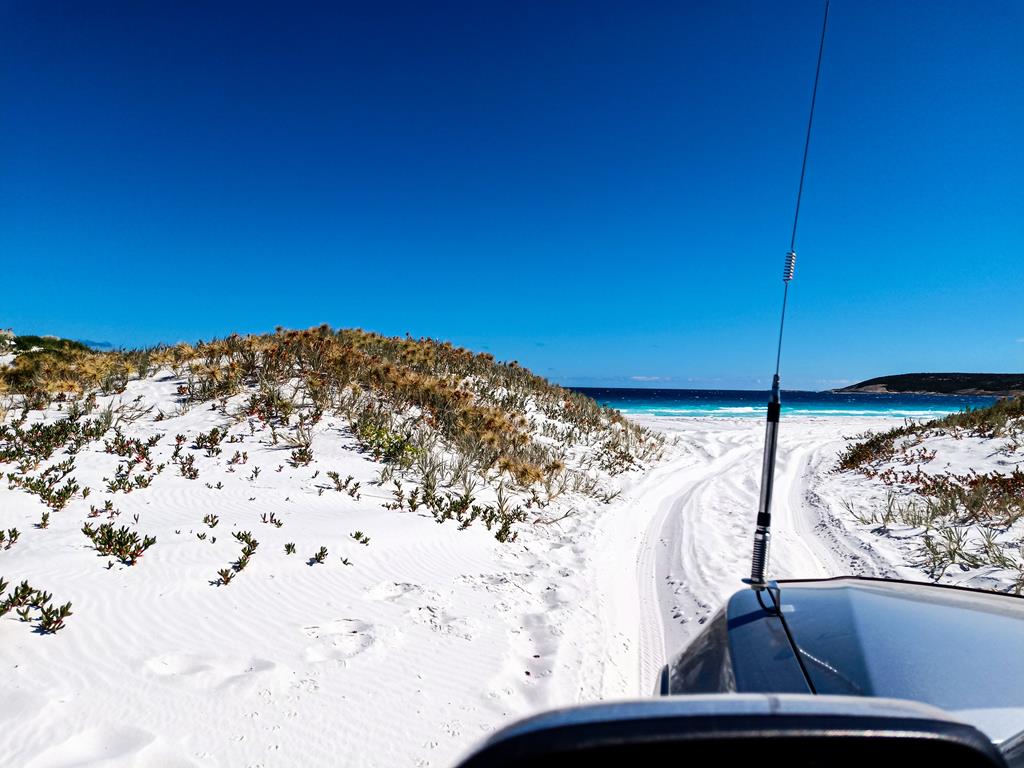
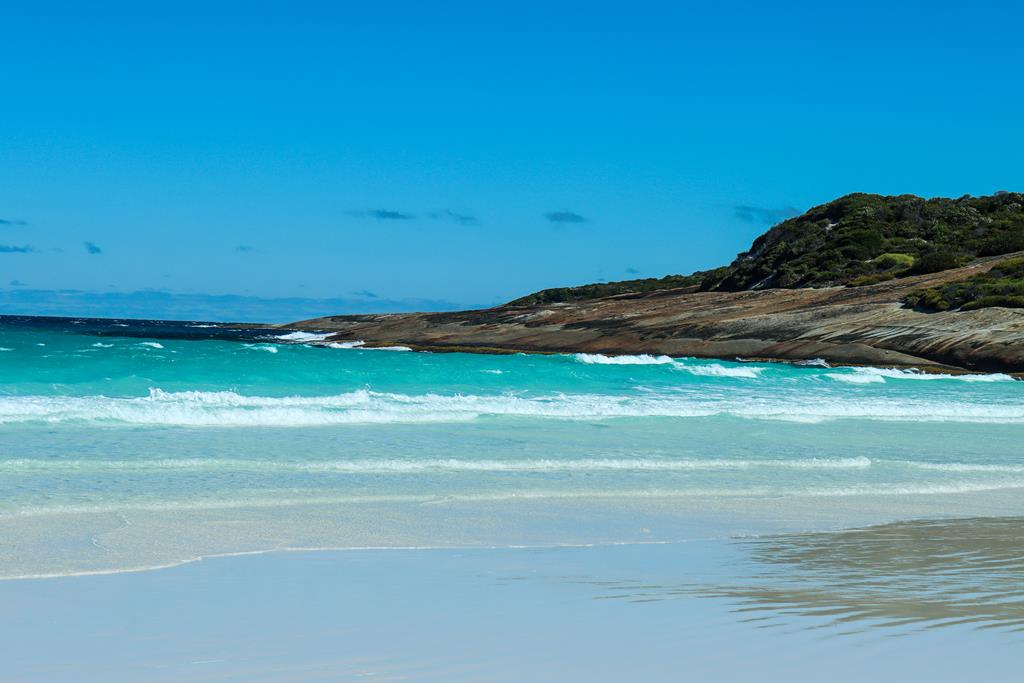
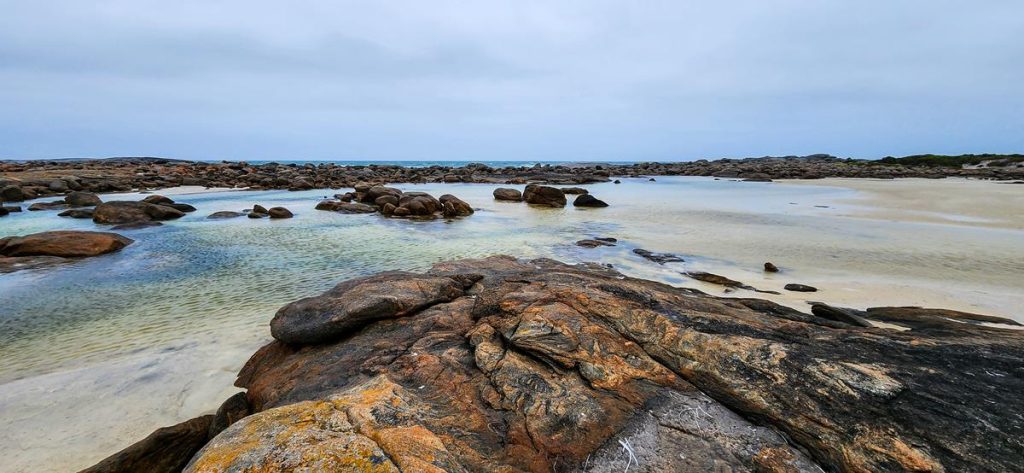
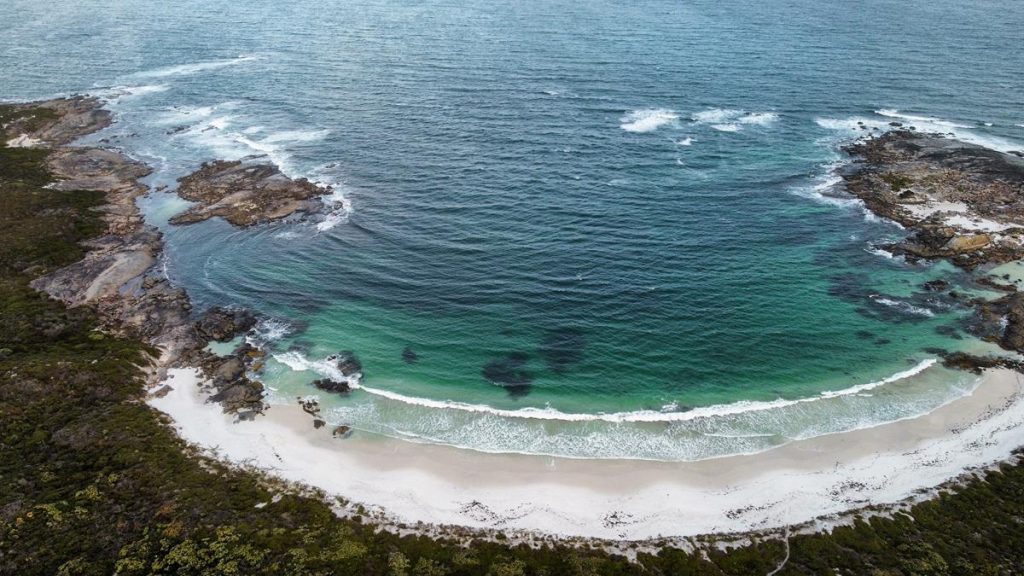
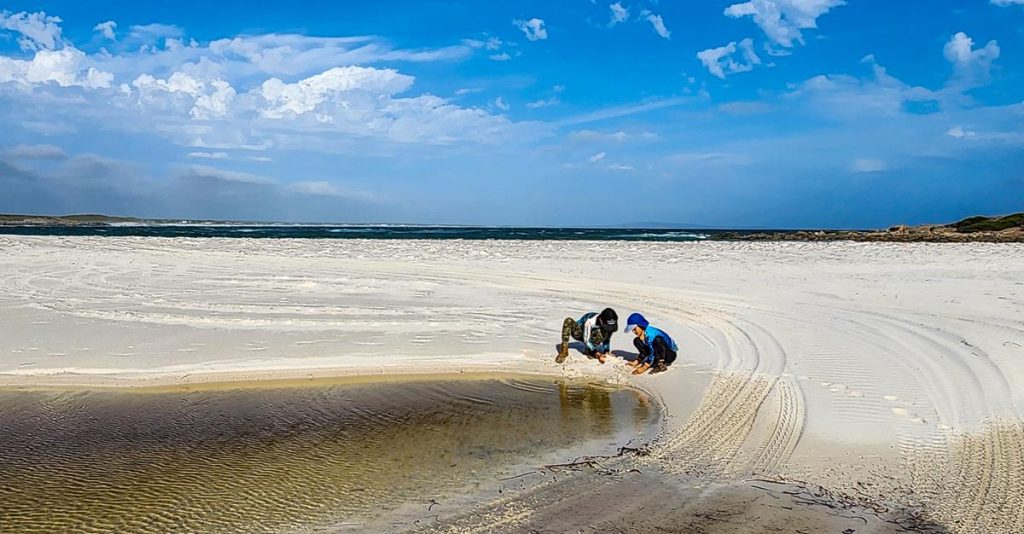
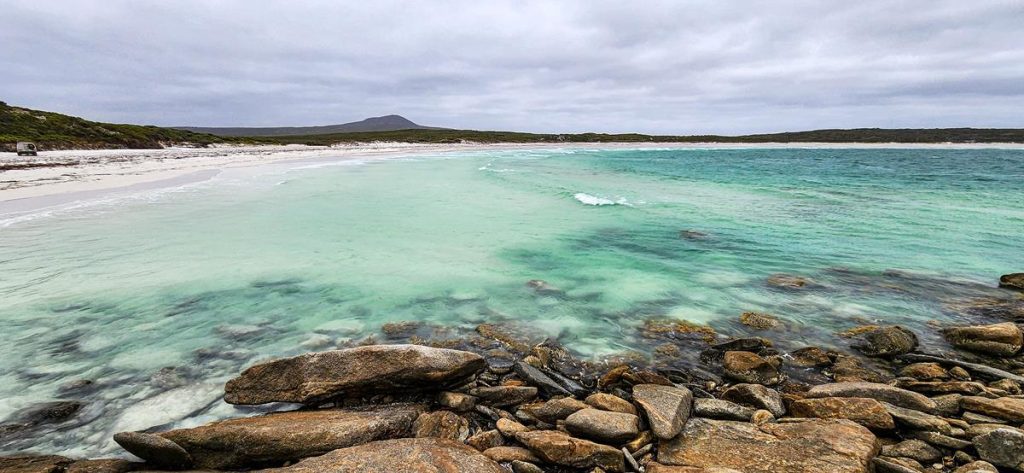
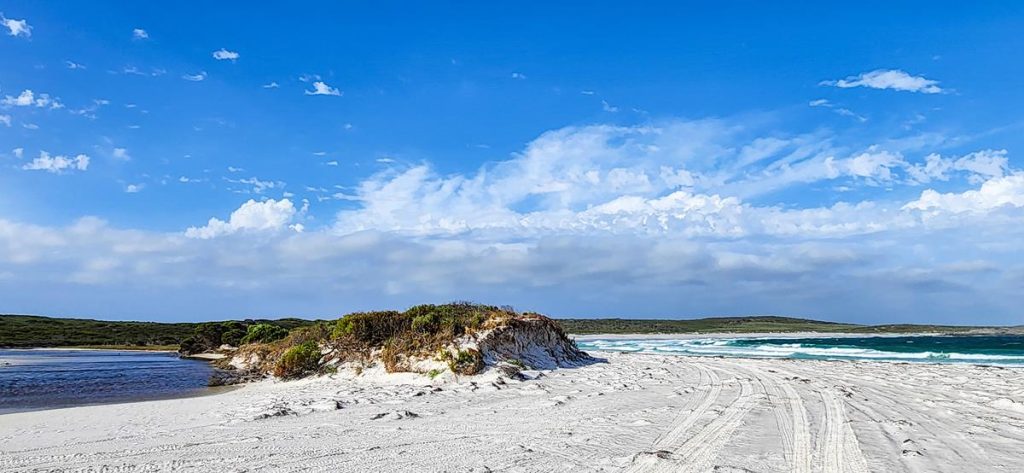
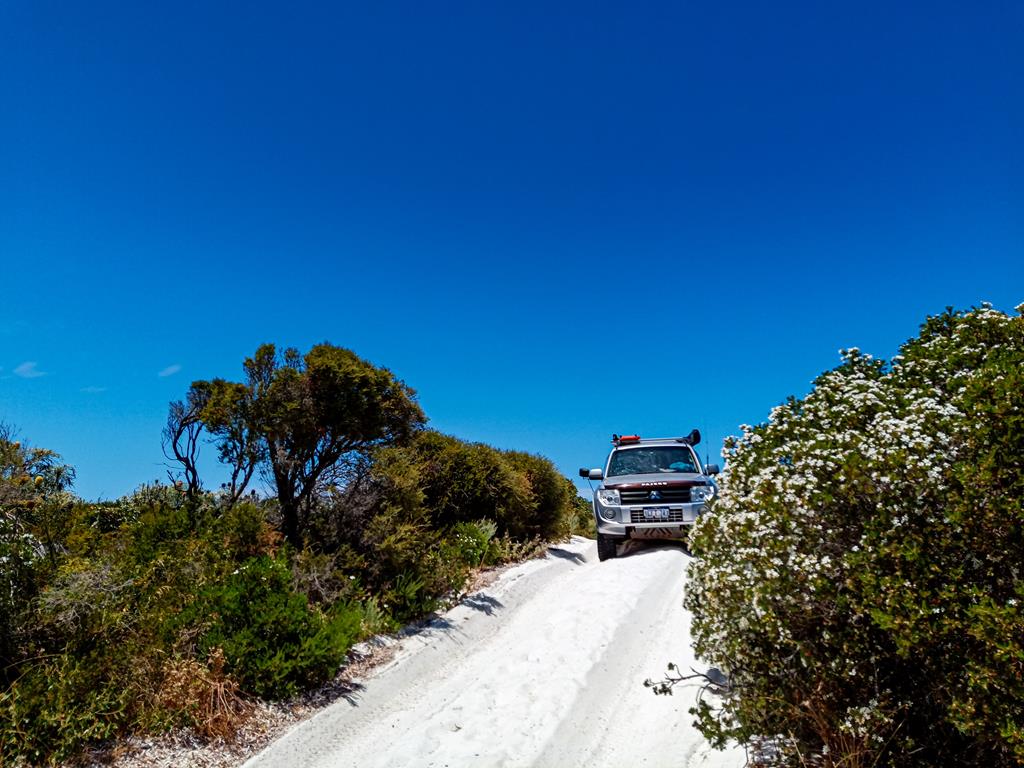
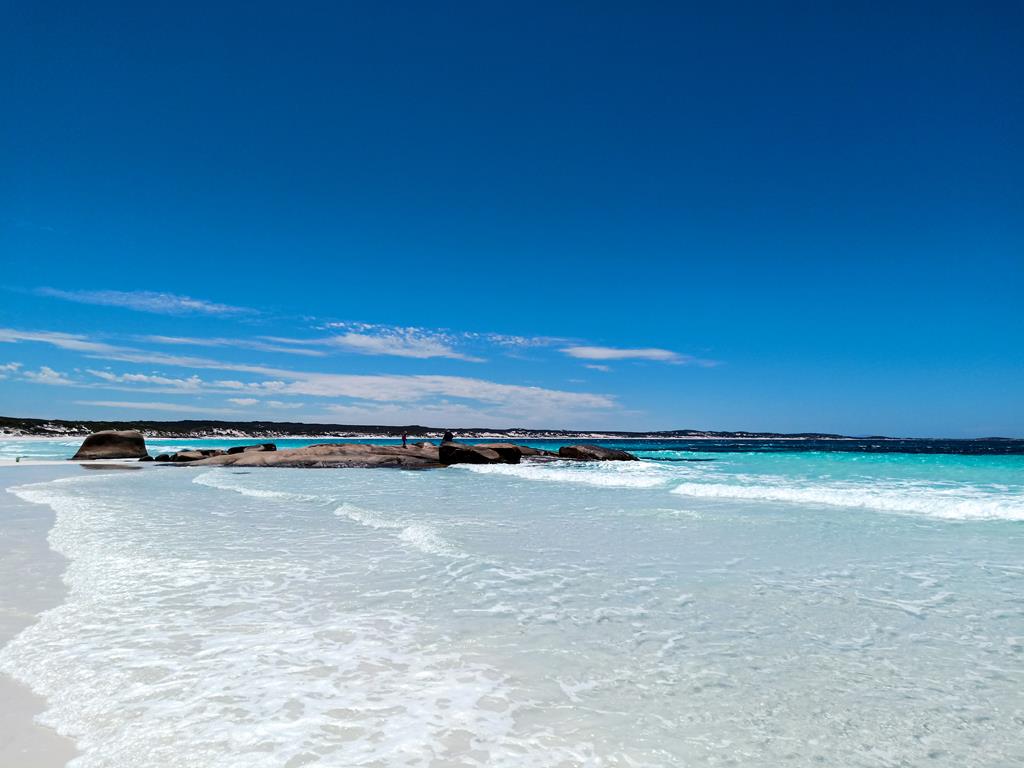
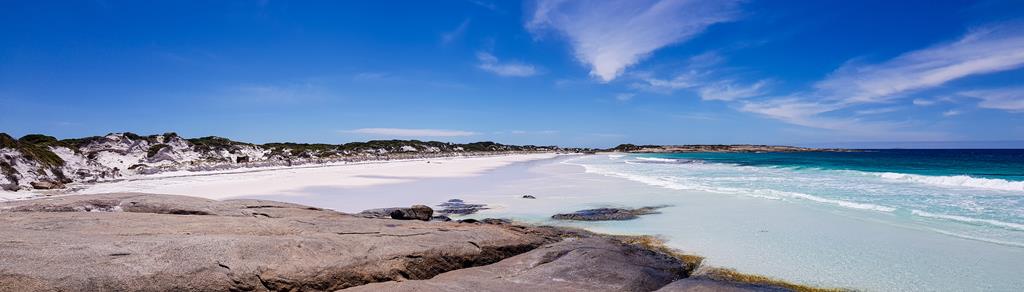
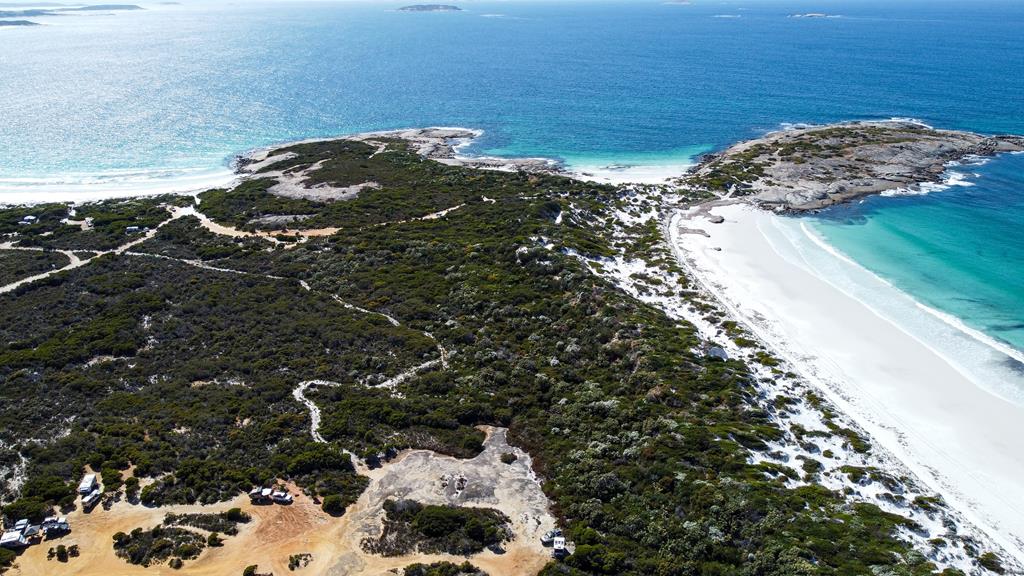
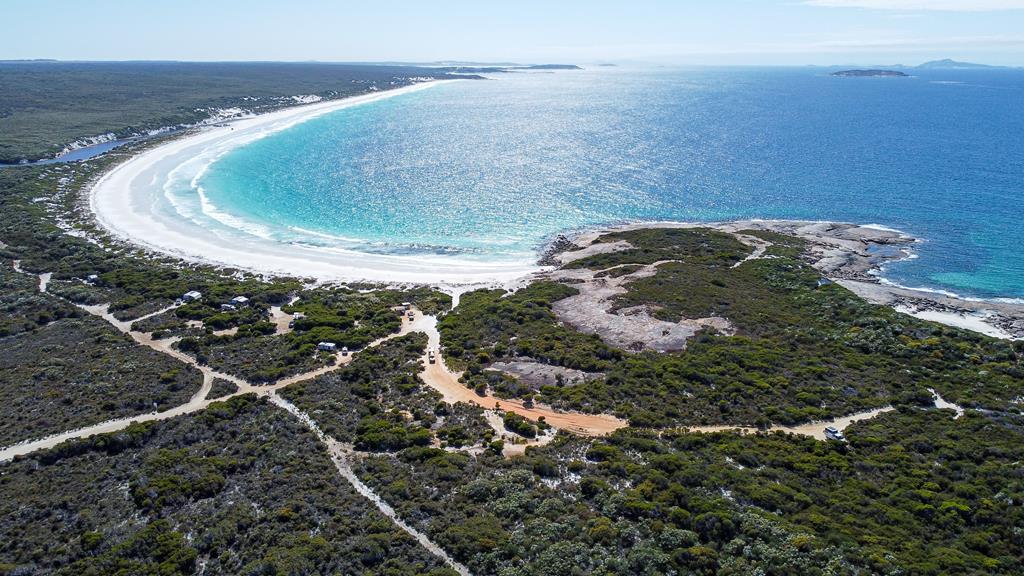
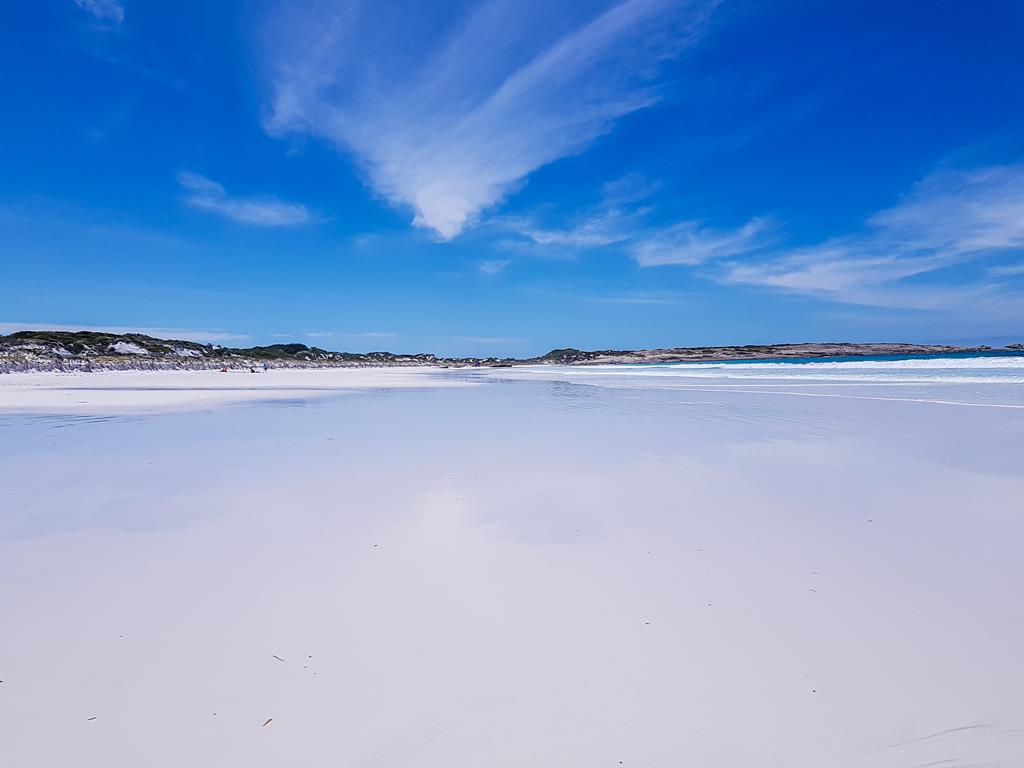
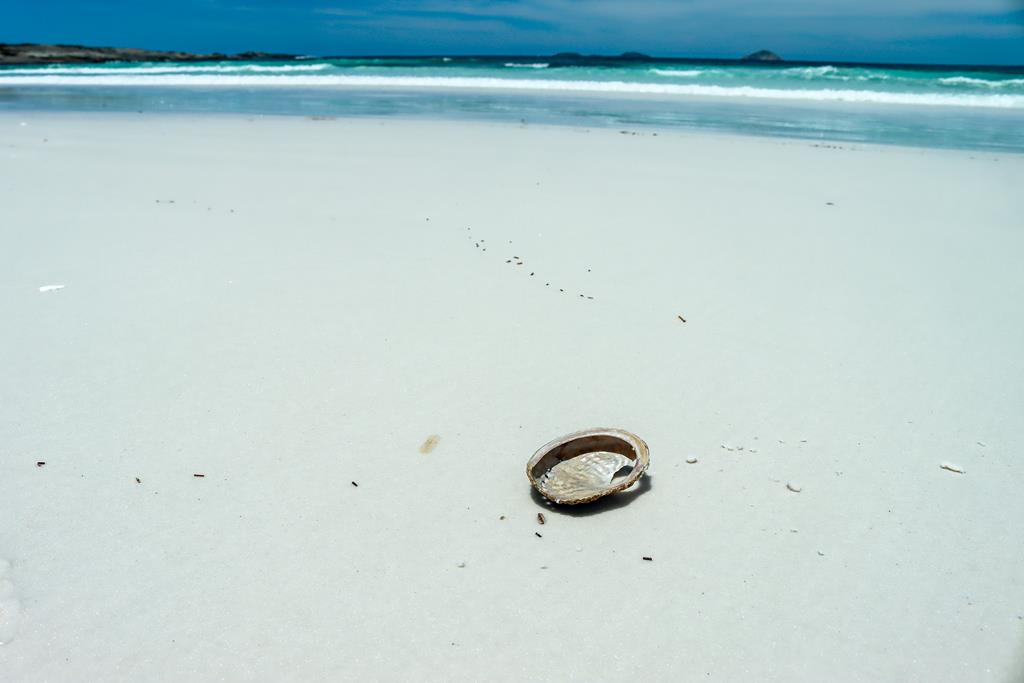
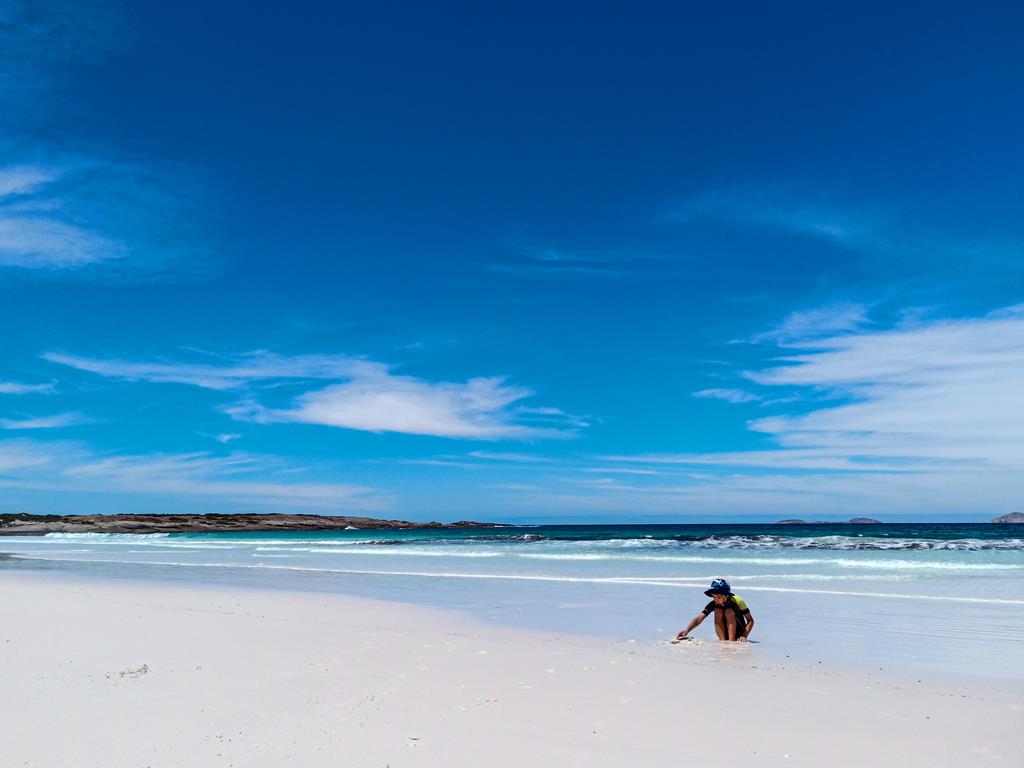
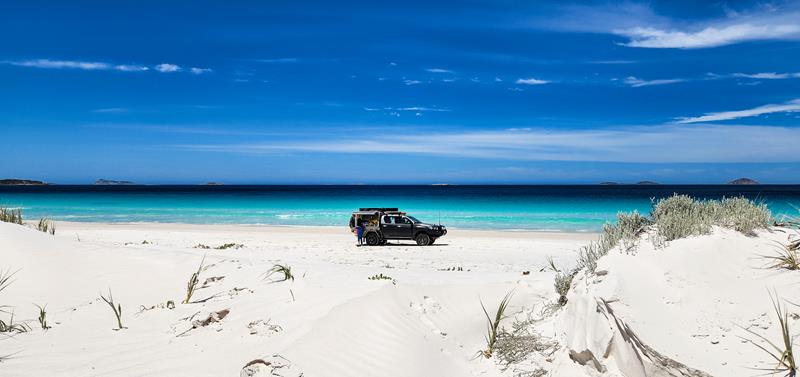
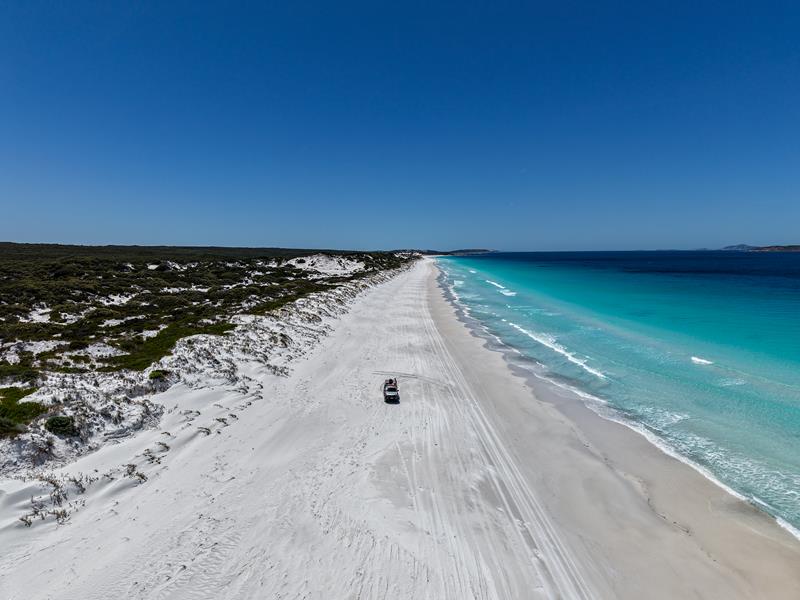
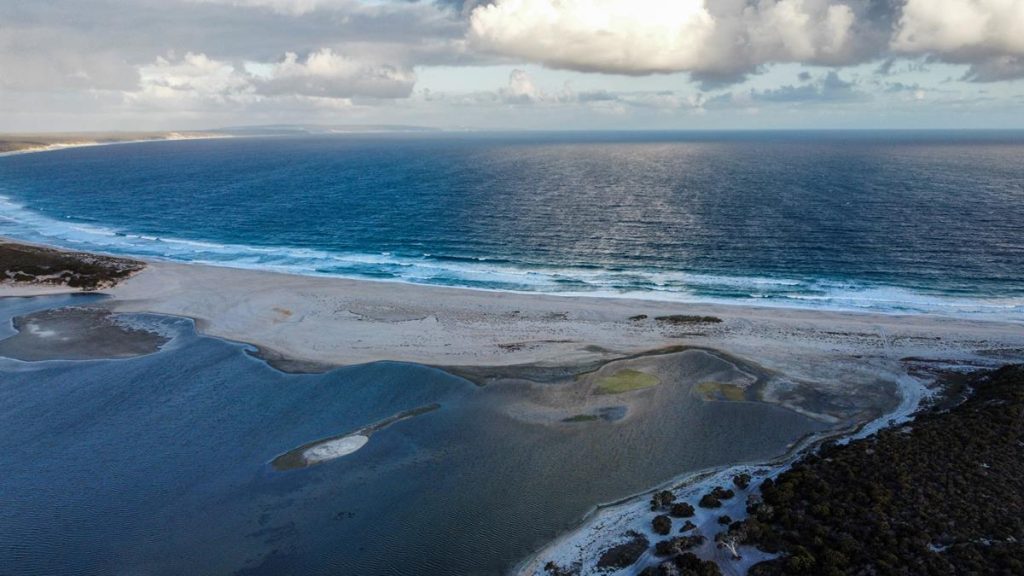
Located 100km east of Esperance, Alexander Bay (also known locally as A-Bay) in Howick is a long stretch of white firm squeaky sand, crystal clear turquoise water and beautifully nature crafted granite outcrops. It is accessible via a 4WD track.
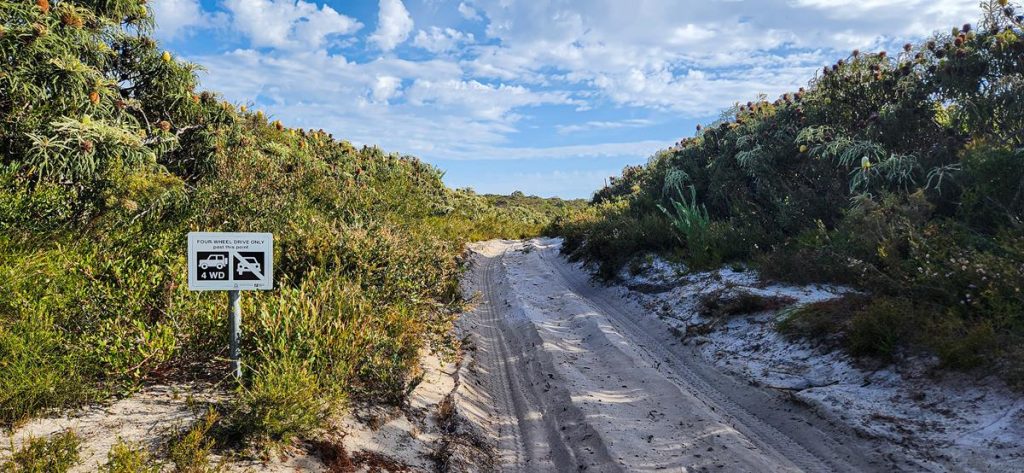
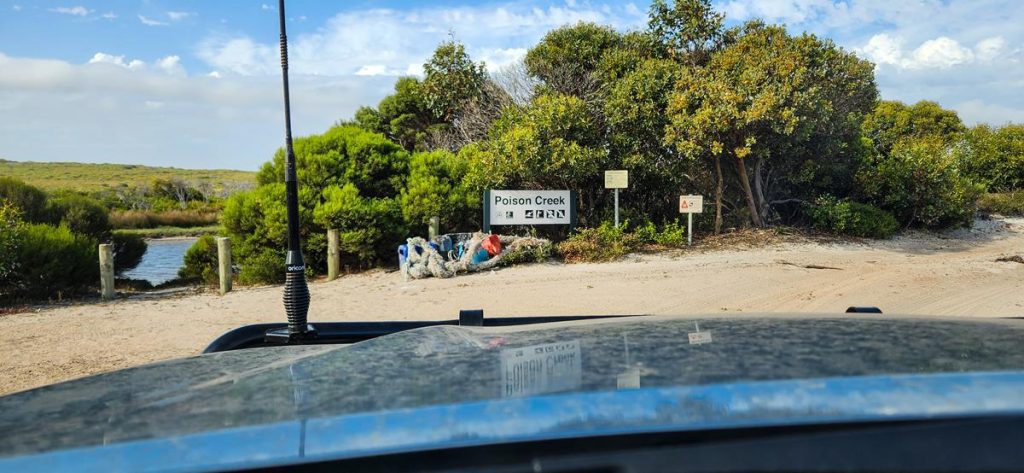
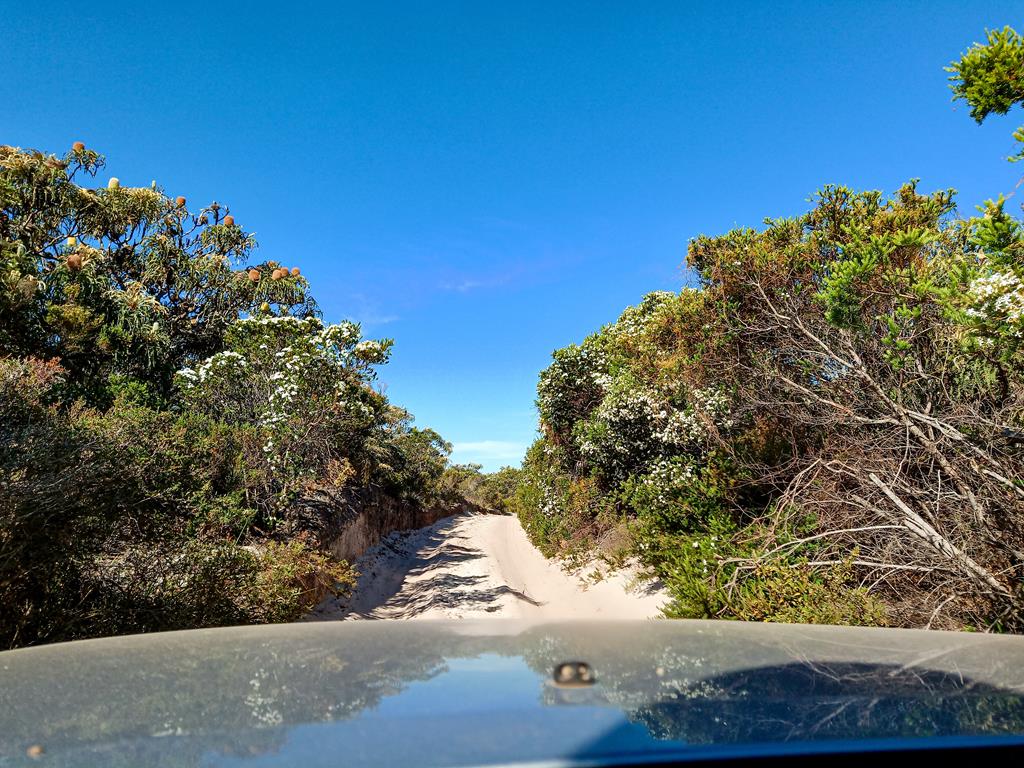
4WD track to Alexander Bay beach
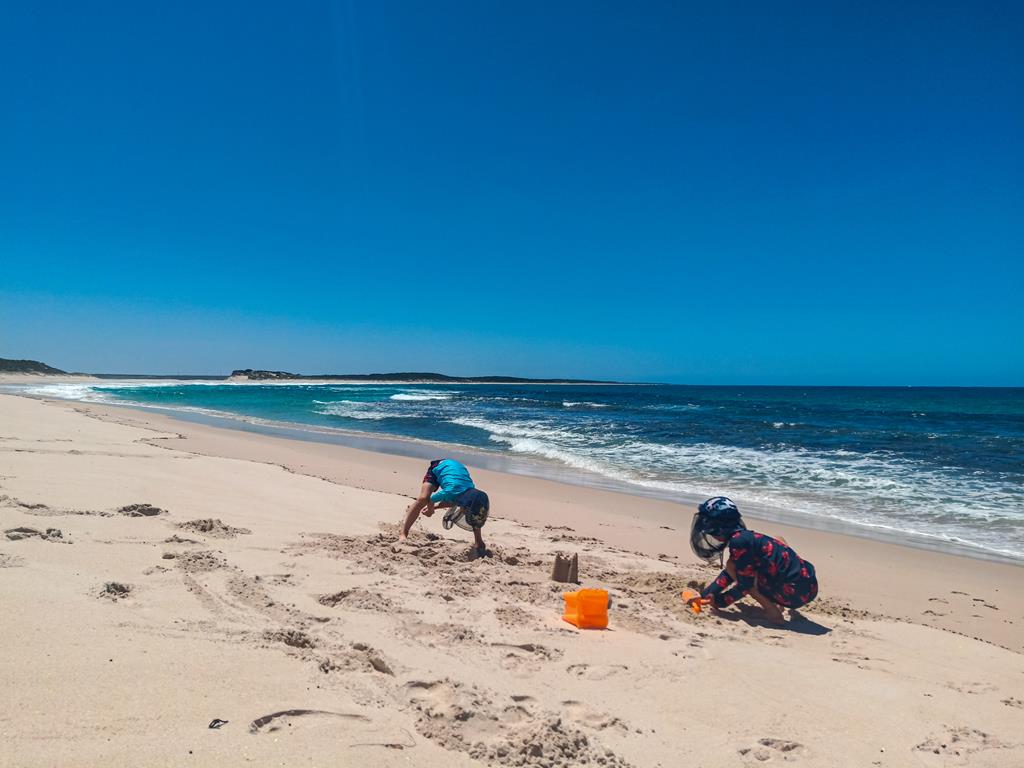
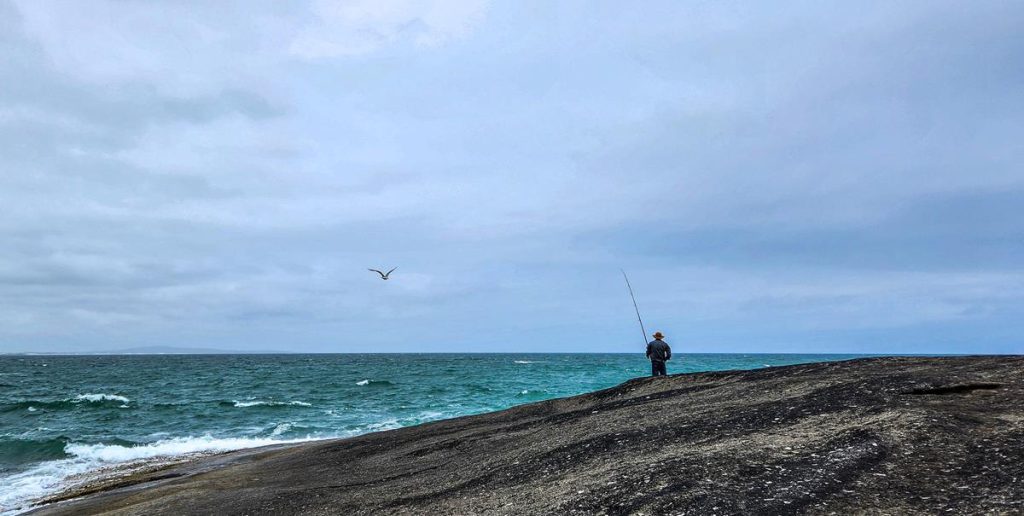
There is a campground, for which you pay $15 per nigh per site but cannot pre-book. While we did not stay at the campground, we drove around and noted that it looked like it has been recently upgraded, with more sites added, it was very well laid out and had new toilets installed. It was full when we visited it on 24 December last year, so obviously a very popular place. Great for fishing and surfing, long enough to drive on it (it is 1.7km long) with amazingly clear water, lots of white firm sand to dig for kids. It looked like an absolute paradise to us. We found it equal in beauty to famous Cape Le Grand beaches minus the crowds.
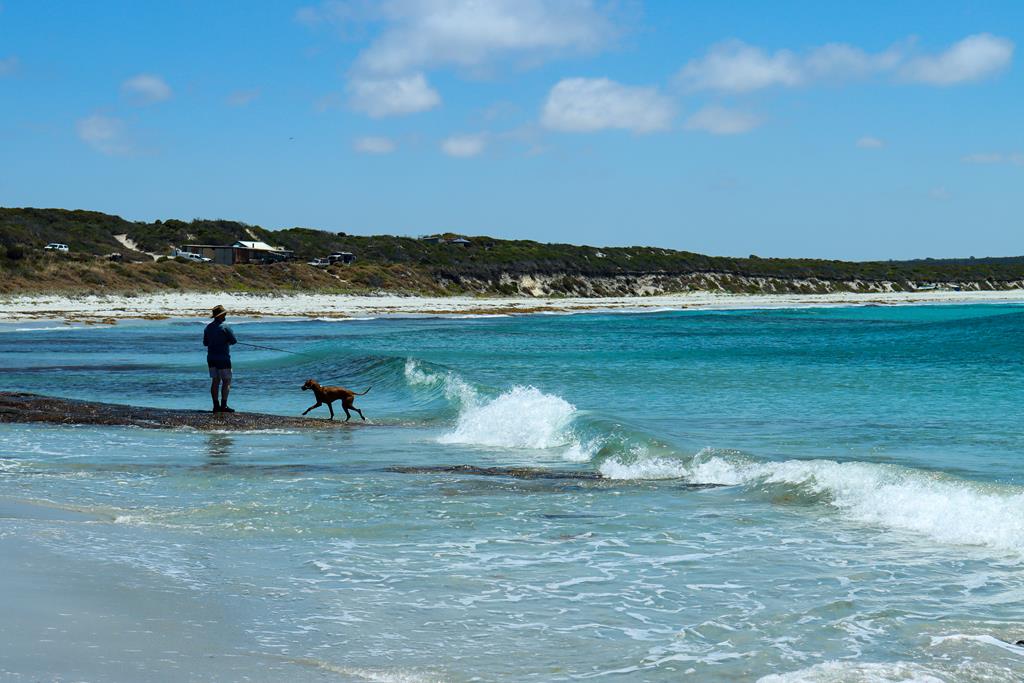
Alexander Bay beach is a great place for swimming, snorkerlling, kayaking, fishing or just relaxing. The turquoise colour of the water in combination with white sand is sure to blow your mind away. You can bring your furry friend there too.
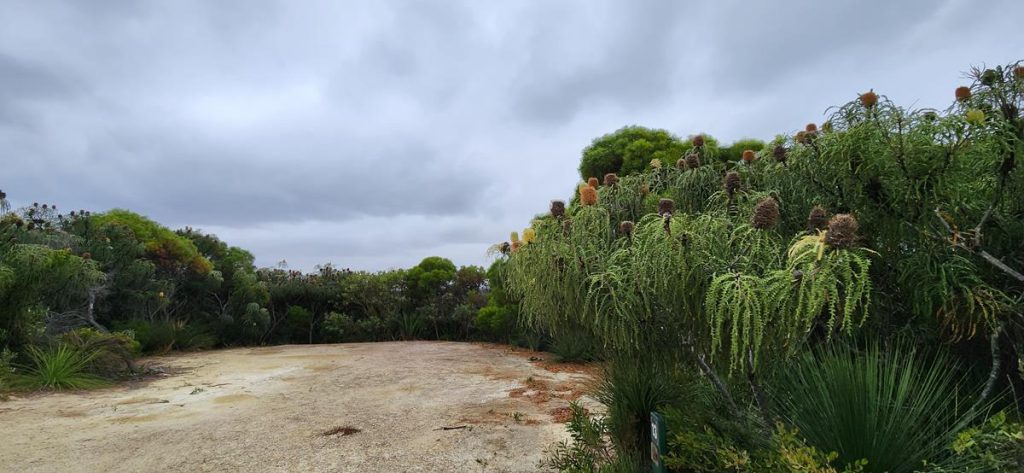
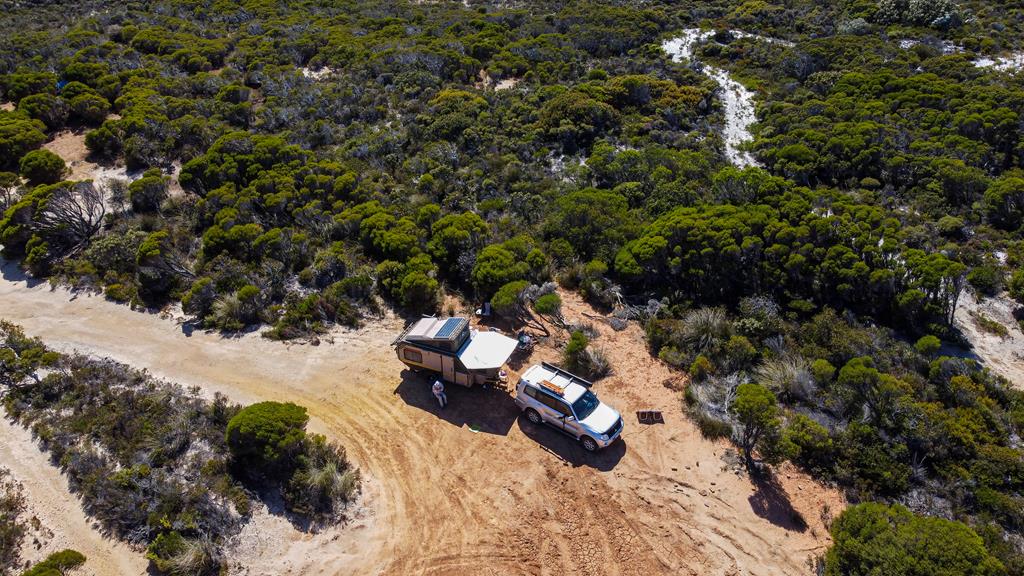
Located 70km east of Esperance, Membinup beach is one of the lesser known (but quite popular with locals). It offers free camping with no facilities. The beach and the campground is accessible via rough 4WD track from Daniels Road. There are a few camping areas (although not all clearly marked), so it is a matter of finding one suitable to your liking and also depending on how far your vehicle is able to travel. Some tracks are very soft sand which are not possible to drive on past certain point.
View of Membinup beach camping area
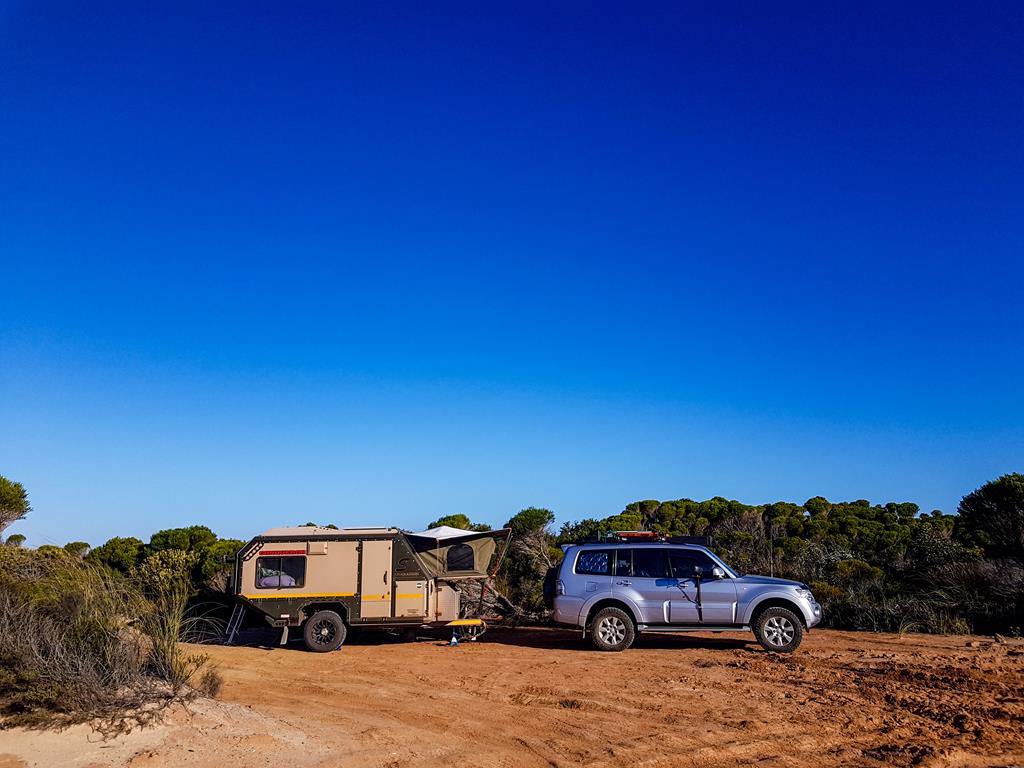
We managed to find a spot for ourselves which was sheltered by the dunes, had some privacy, was flat enough and only a 5-minute walk from the beach. We did have to climb up a very steep slope each time we went to the beach. But once on top of the slope, the view of the ocean was so mesmerizing, that it made us forget the hard work of climbing. And who can complain? We tend to get fitter every time after returning from our camping trips – mostly due to increased movements.
Dunes that we have to climb to get to the beach (above left), our camping spot (above right).
While some sites are soft sand, others, like the one we found, was dry earth, which turned into muddy glue with just a quarter of a bucket, which made taking shower a bit difficult. Imagine this place getting rain for 15 minutes – that place would become a mud plain.
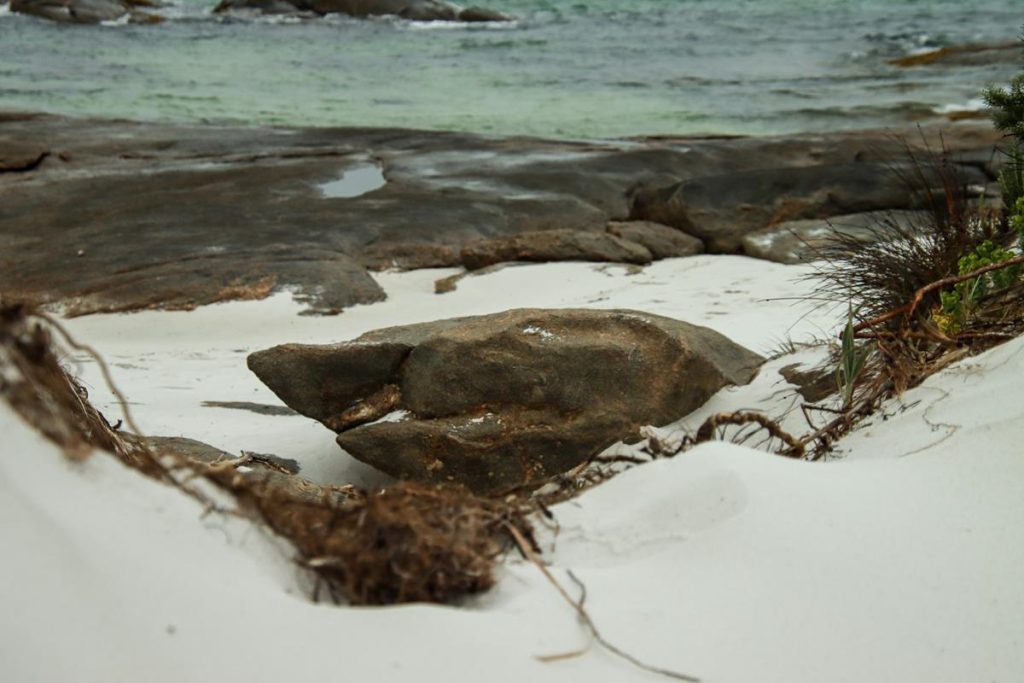
We spent 4 fulfilling, relaxing and memorable days at Membinup beach, including Xmas Day. The beach itself is very much like the one at famous Cape Le Ground ,minus the crowd. It is just white squeaky firm sand, crystal clear turquoise waters, plus some rocky pools.
Beautiful Membinup beach
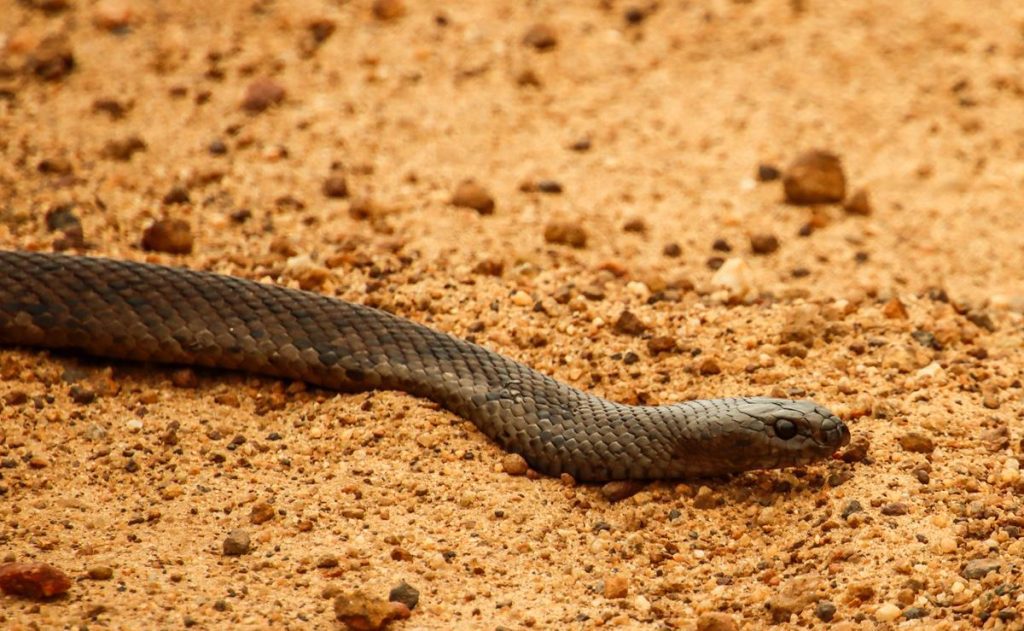
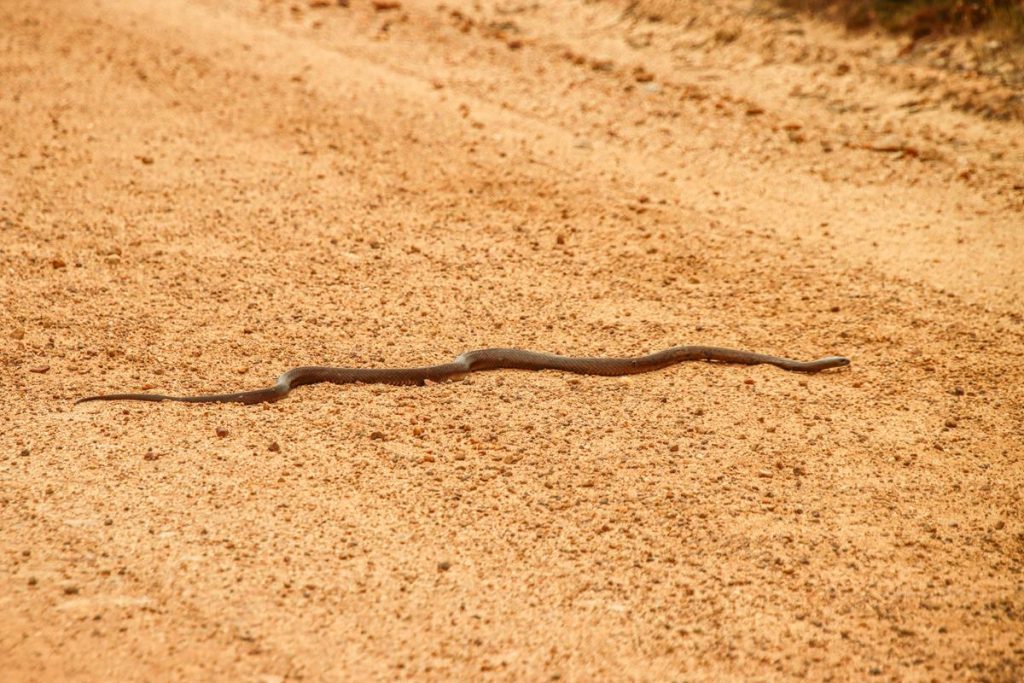
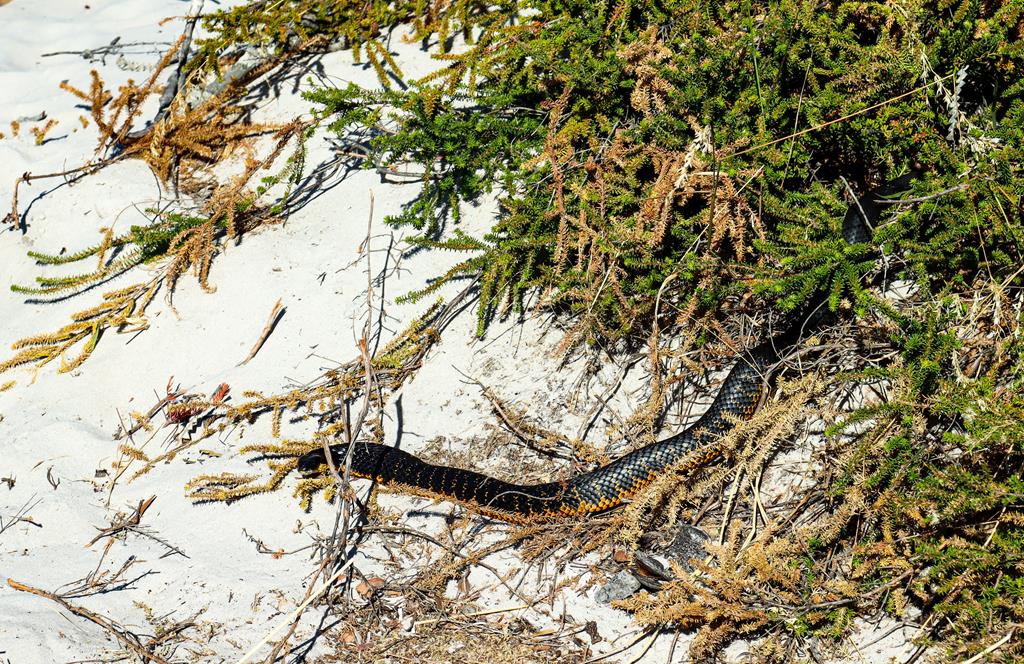
Tiger snake at the inlet
The more we travel, the more we see and learn about snakes. This time we’ve encountered Tiger Snake (Notechis scutatus), which is dangerously venomous and aggressive. Tiger snakes are most common in coastal and wetland environments, living primarily around swamps and inlets where they catch frogs. Tiger snakes when threatened, raise their head off the ground, like cobra. We saw this tiger snake near the inlet at Membinup Beach.
Tiger snake( Notechis scutatus) near inlet
The inlet where we spotted Tiger snake (above).
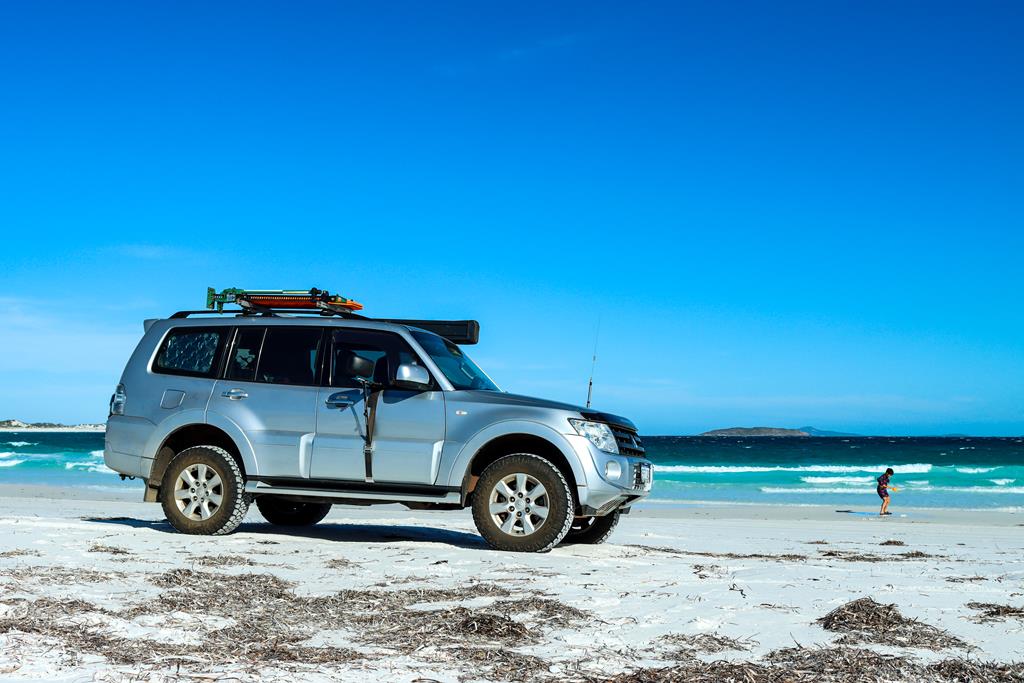
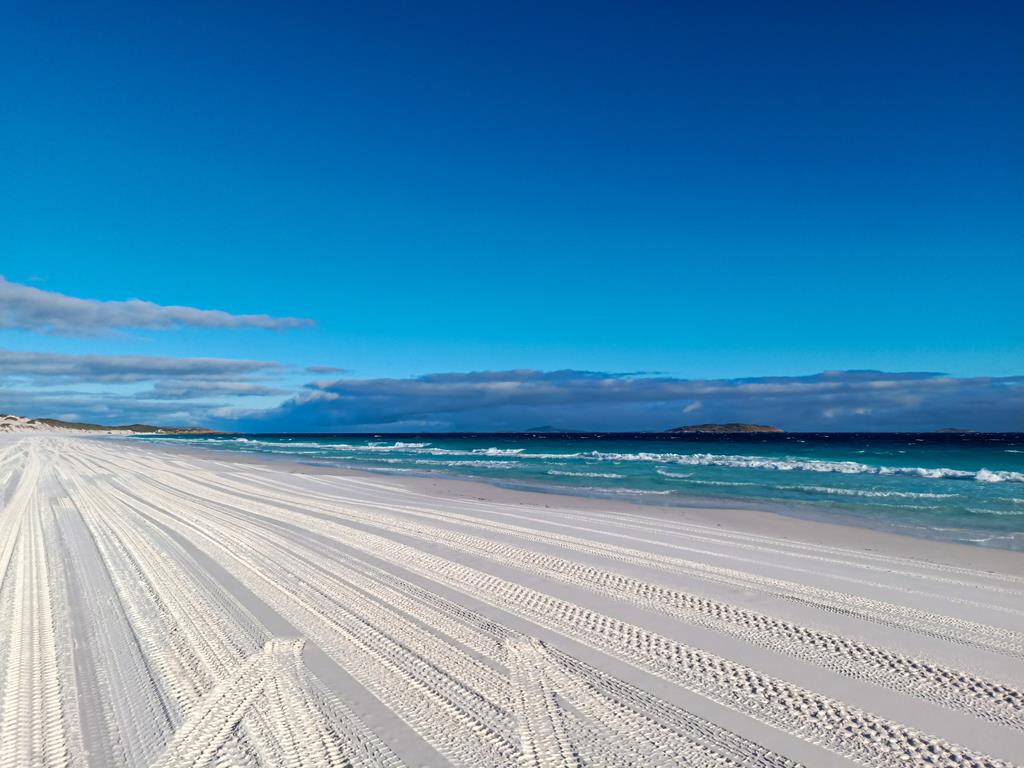
Driving on beach
Driving on the white squeaky firm sand on the beach is so much fun! Although first you need to get through a narrow single line track with bushes either side, scratching the vehicle 😊.
Driving on the beach is fun!
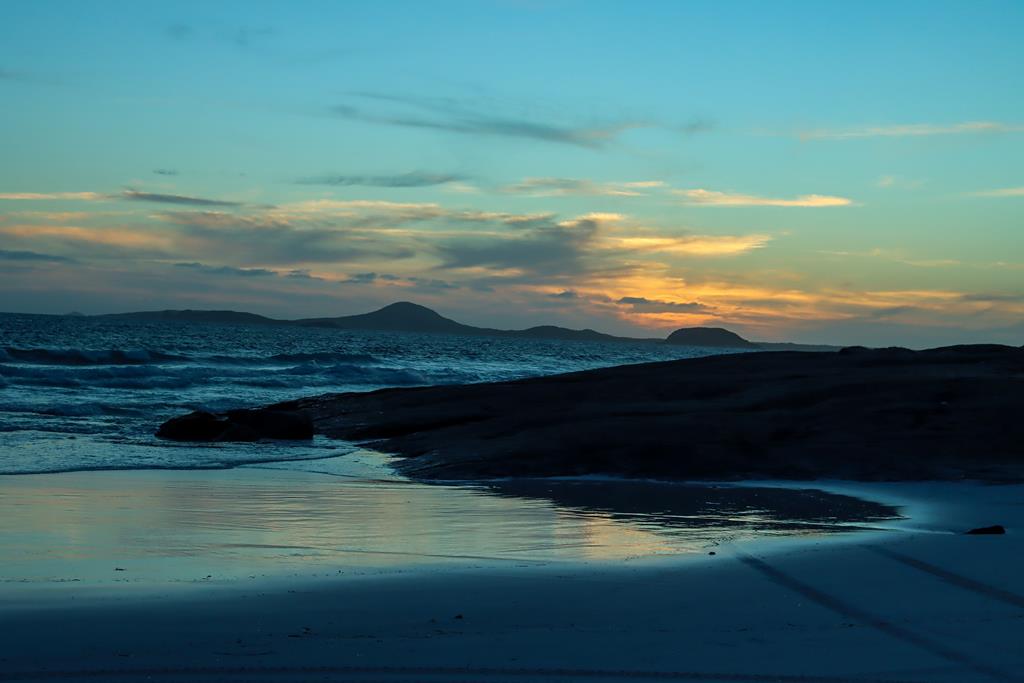
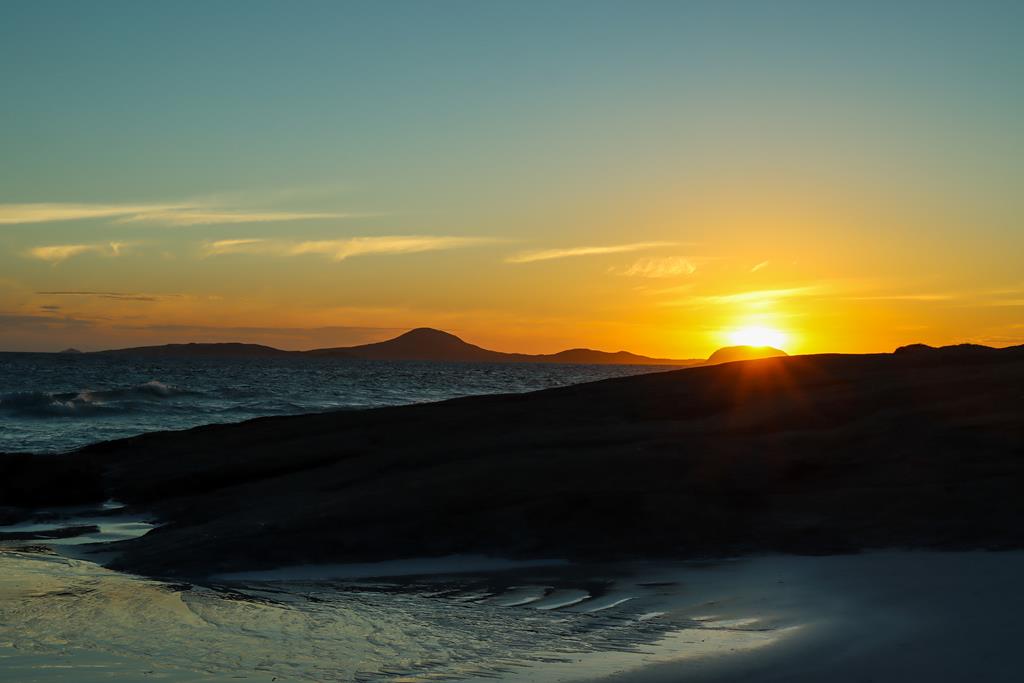
Sunset
There is something so mysterious in those sunsets – the colours, tranquillity and a sense of something very majestic…
Sunsets at Membinup beach
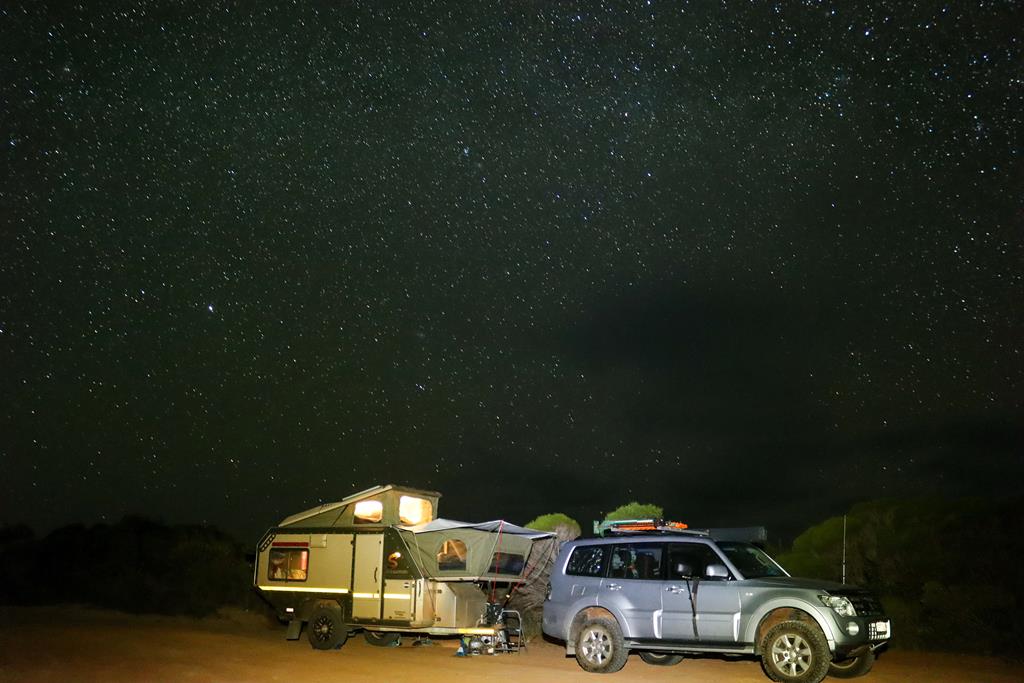
The nights in the outback are amazing! Millions and millions of stars were our companions.
Starry night at Membinup beach
Taking showers in the bush
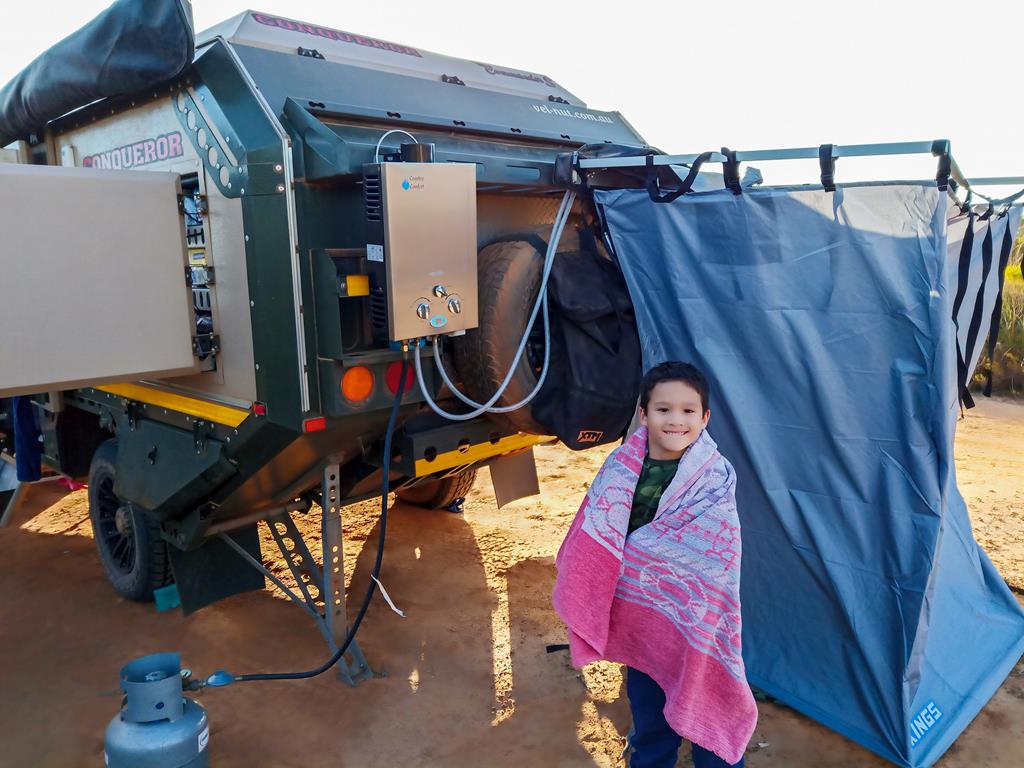
Taking showers in a bush is a luxury. We only took showers every second day and even less often in colder weather. While we do have hot water system to enjoy hot shower, the need to save water meant that each person had about a liter of water. But there is nothing to complain here. Camping in the bush with limited water taught us to appreciate so many things we would otherwise have taken for granted – like proper hot shower!
Taking shower in the bush environment is a luxury
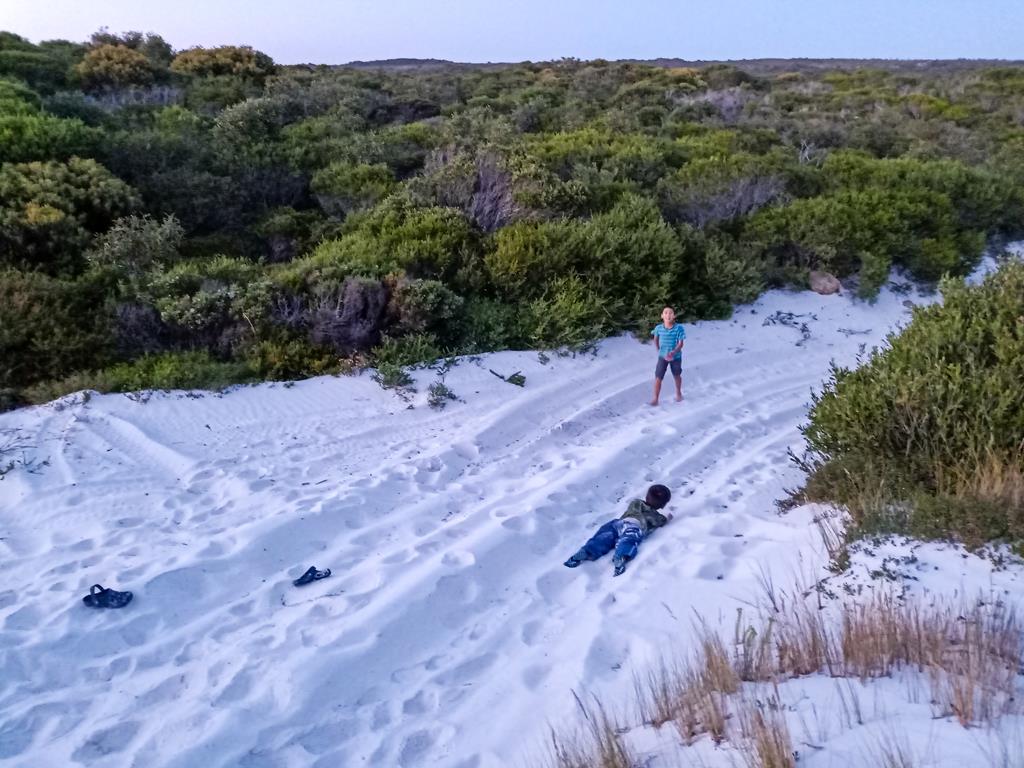
The white squeaky firm sand at Membinup beach is amazing. Take the kids to this kind of beach and they will find their own entertainment! Even before they got to the beach, fun began….
Kids had great fun playing with the sand
Photography
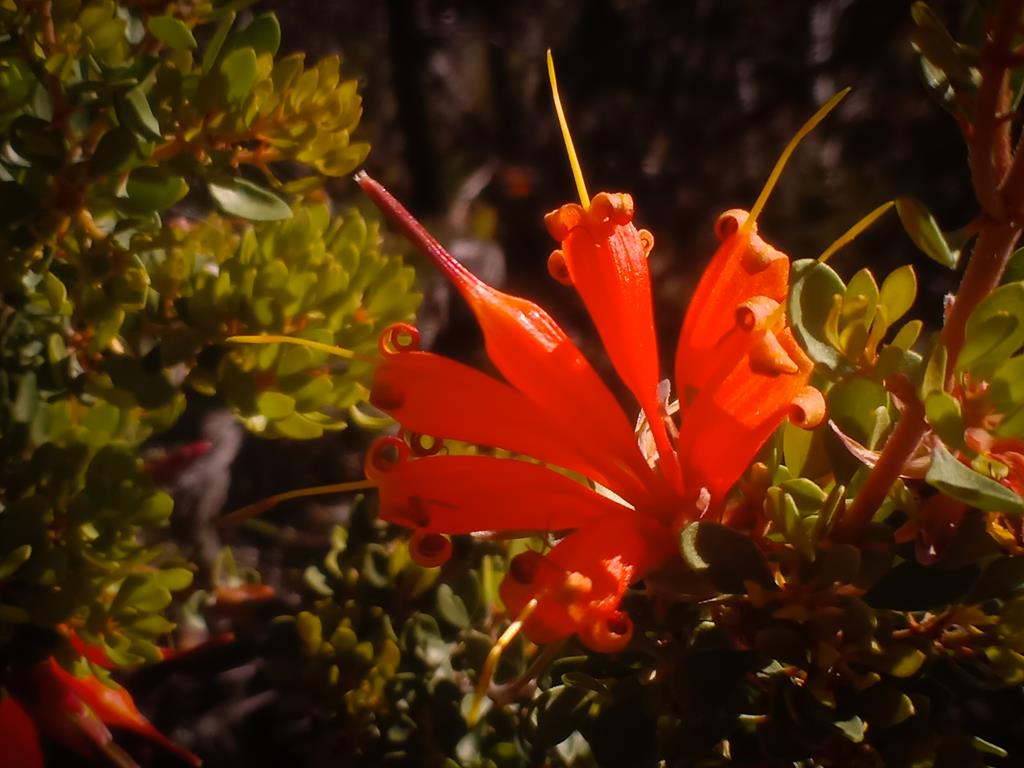
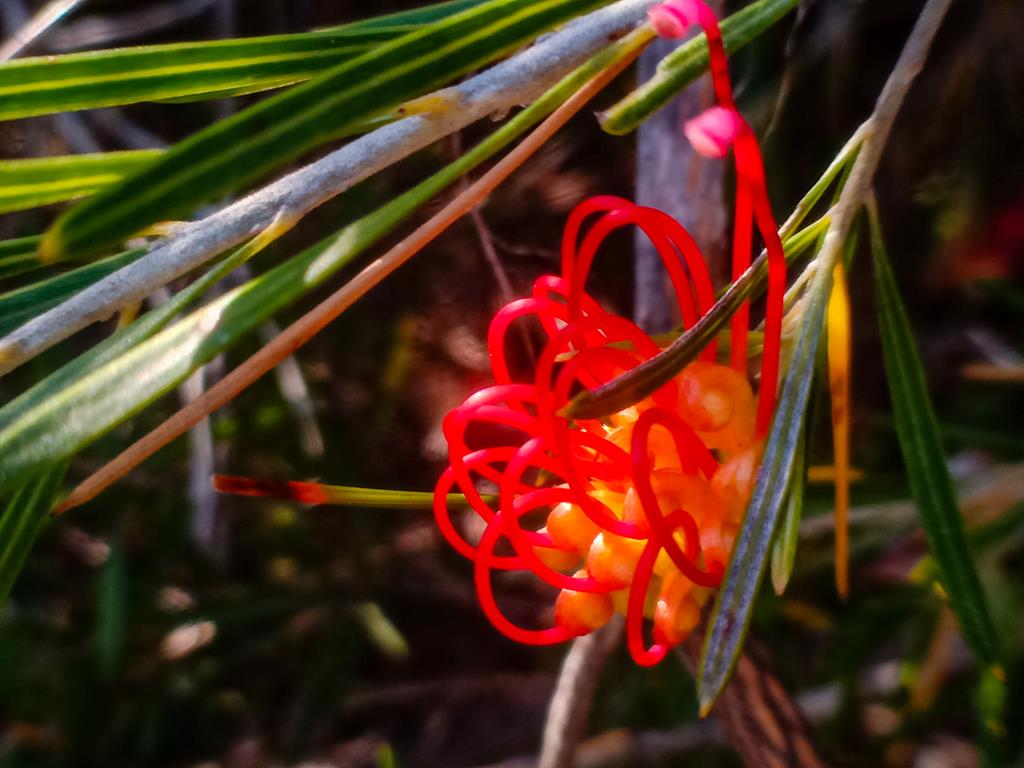
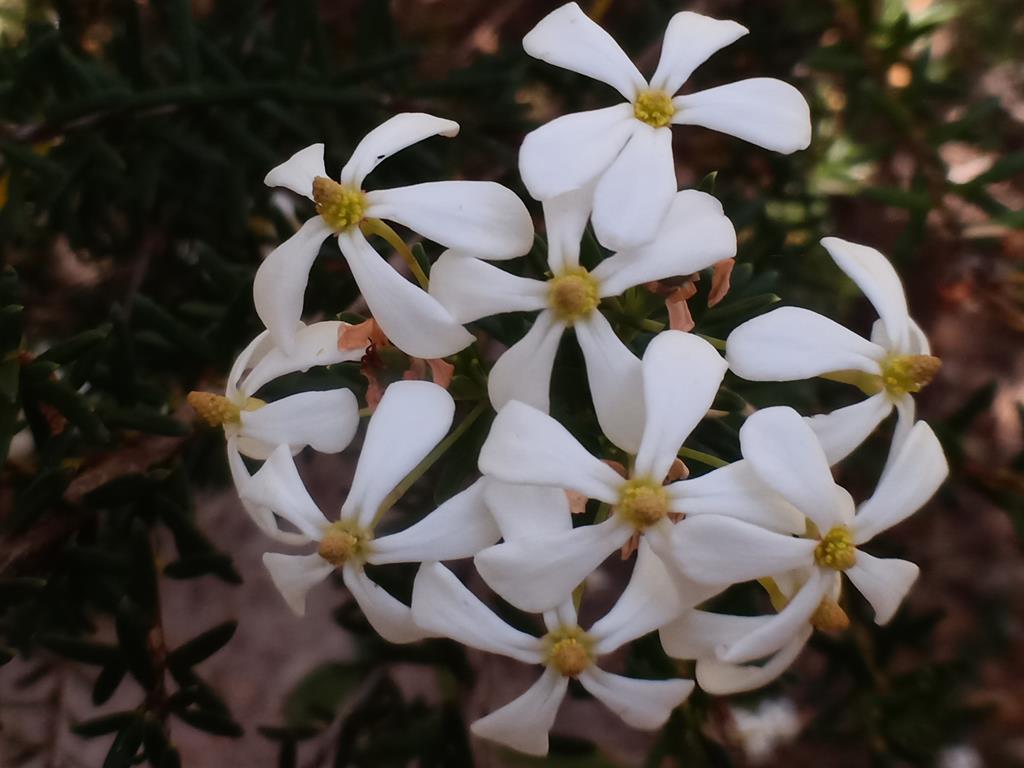
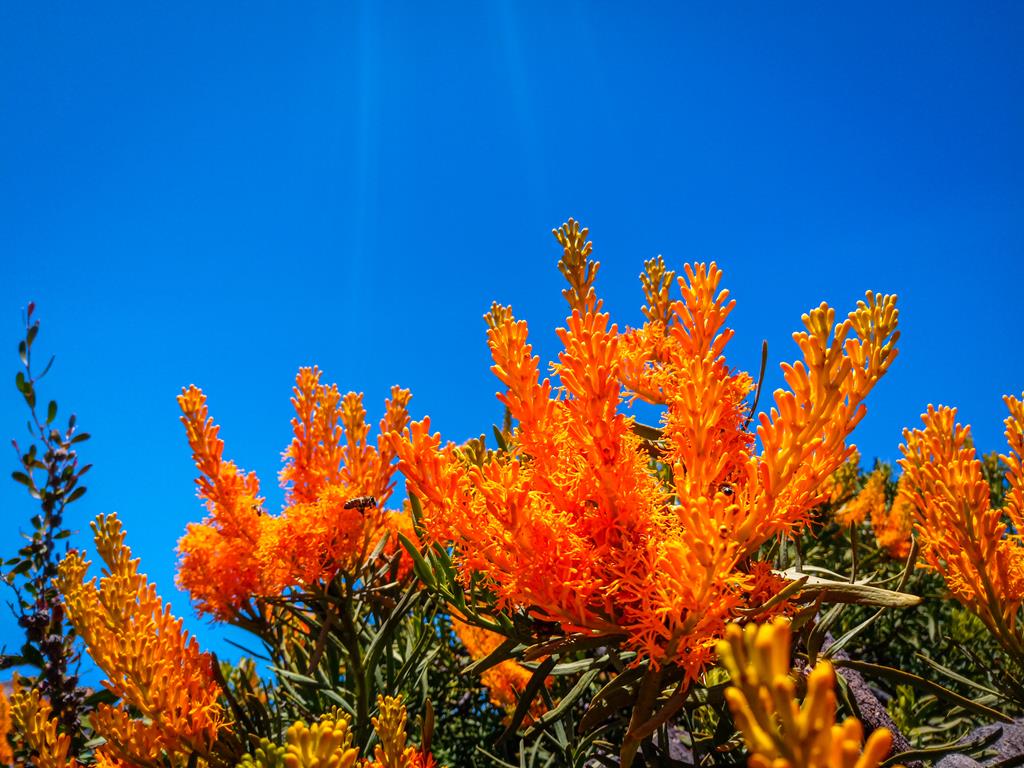
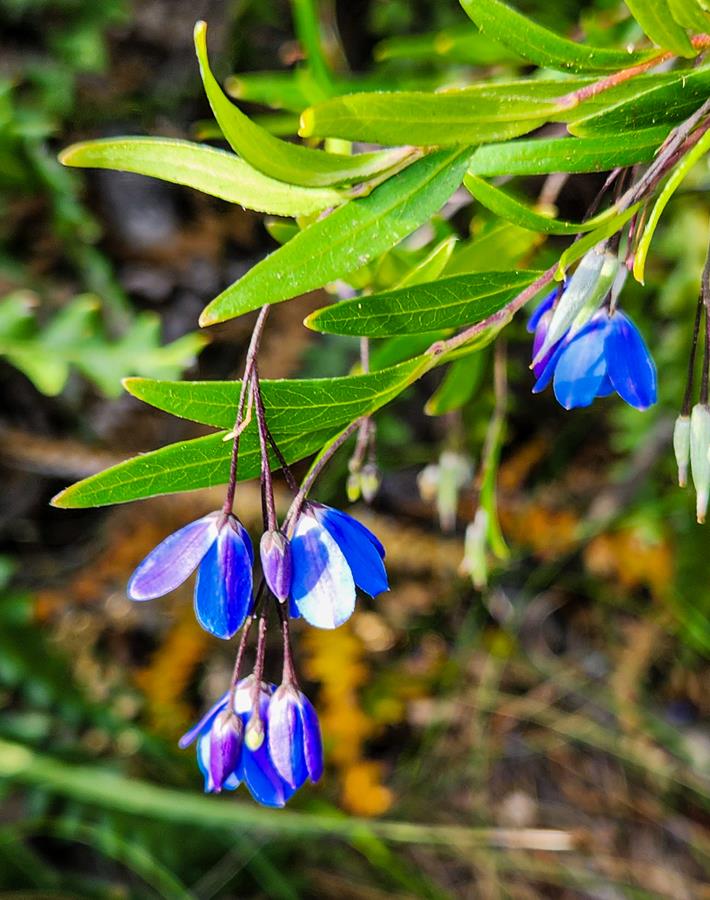
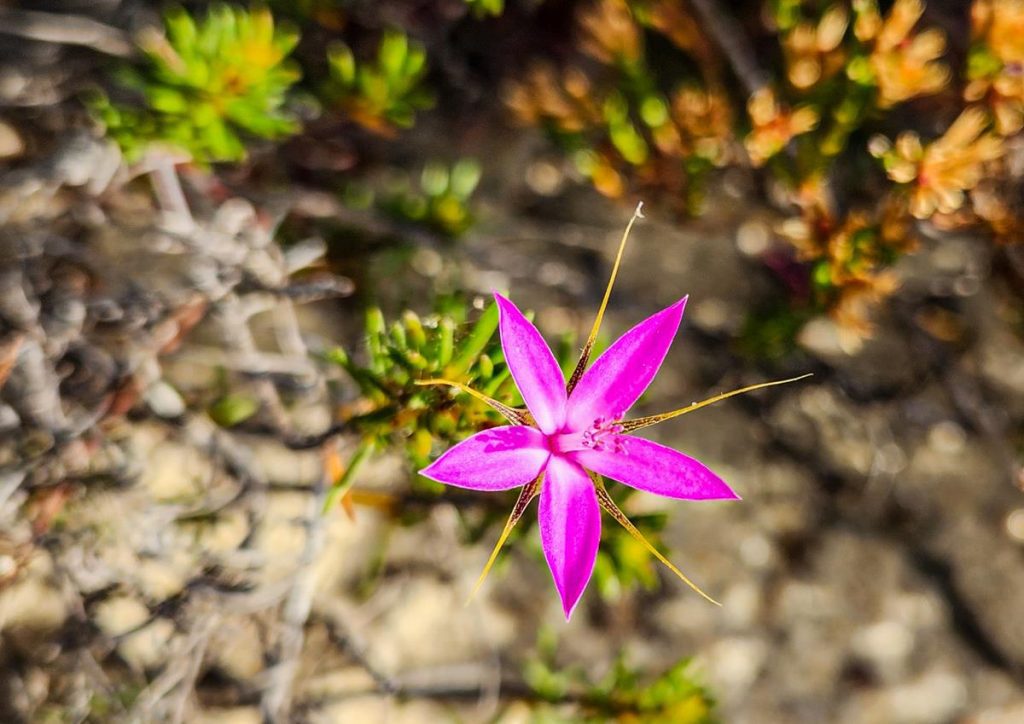
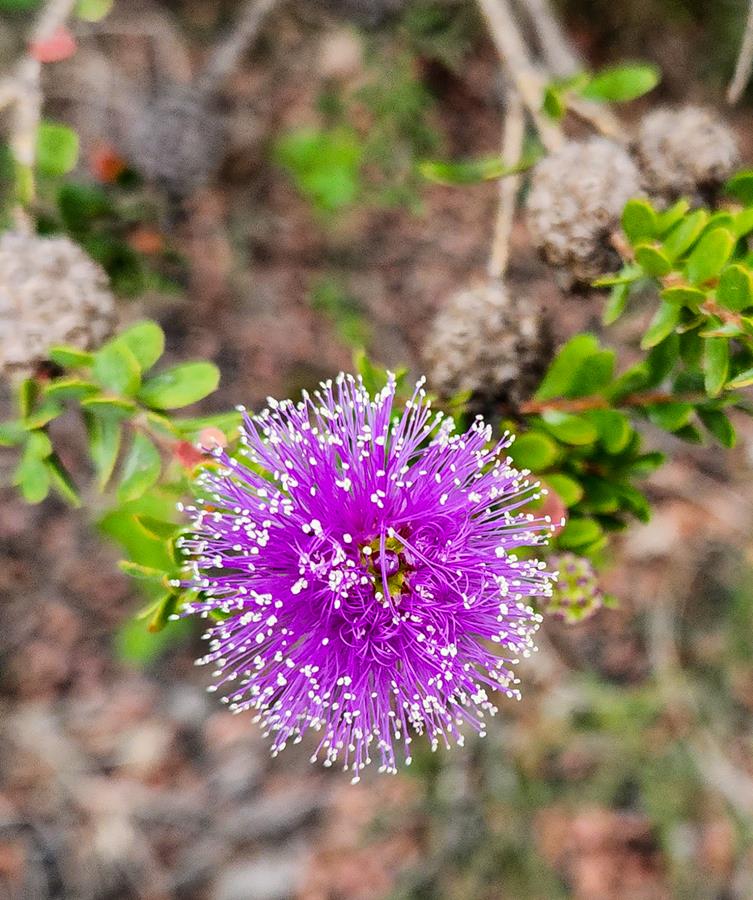
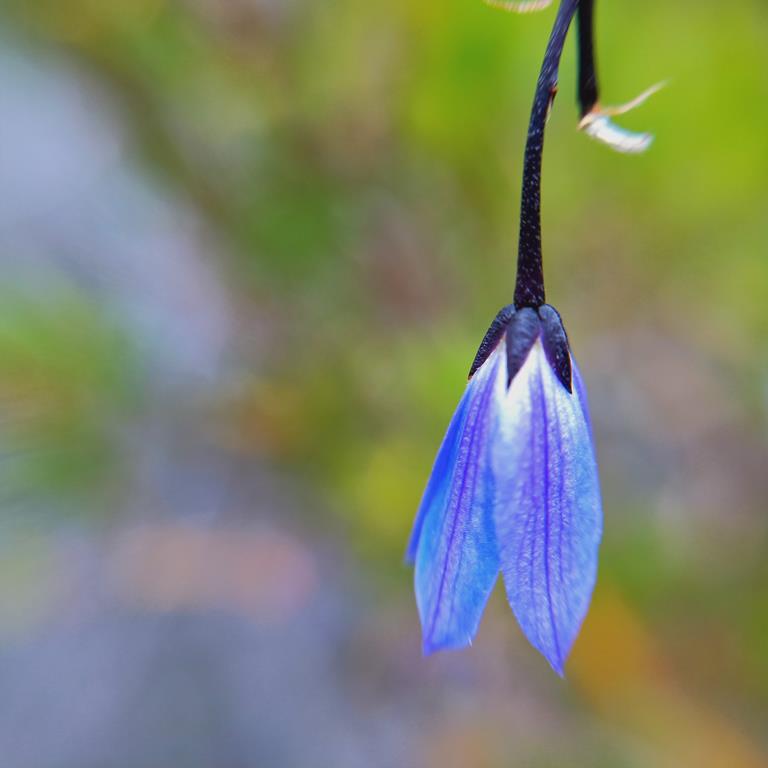
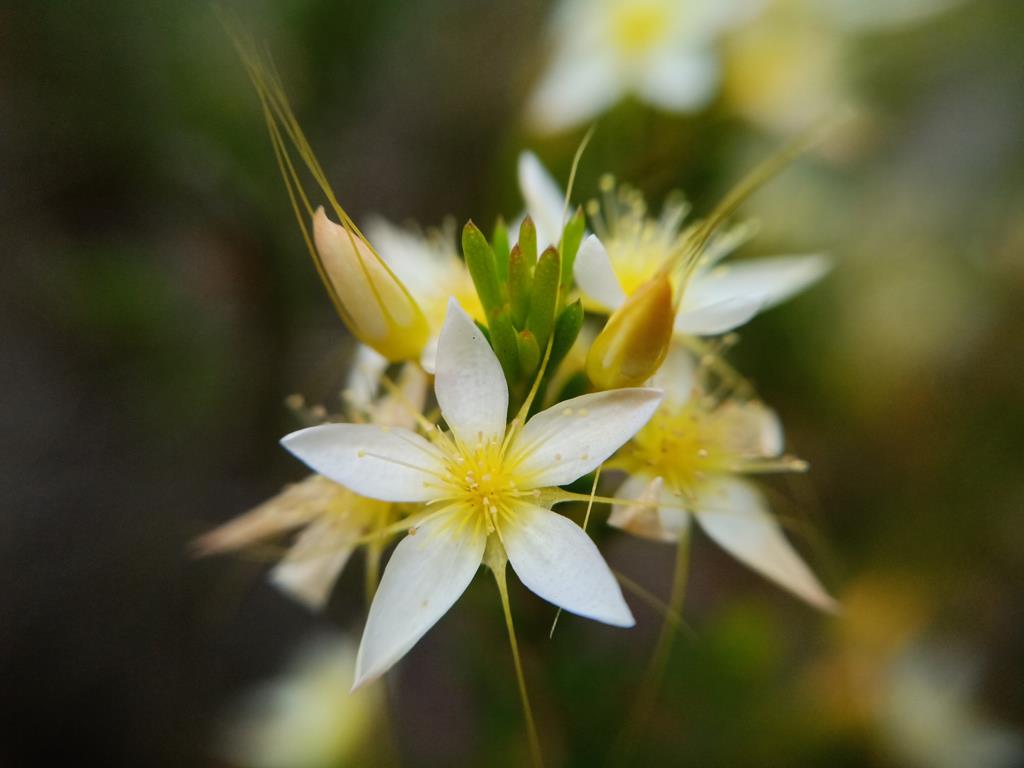
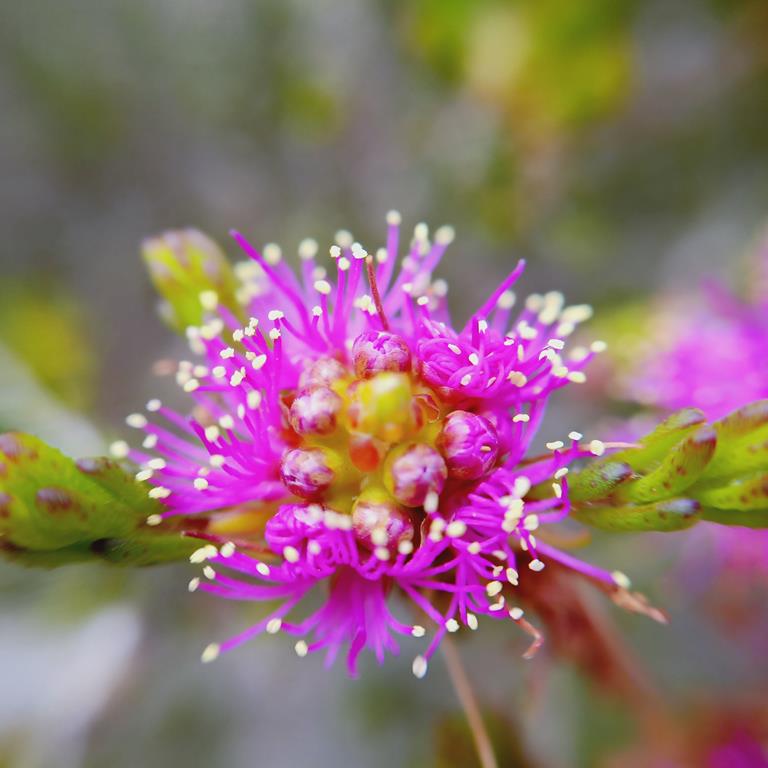
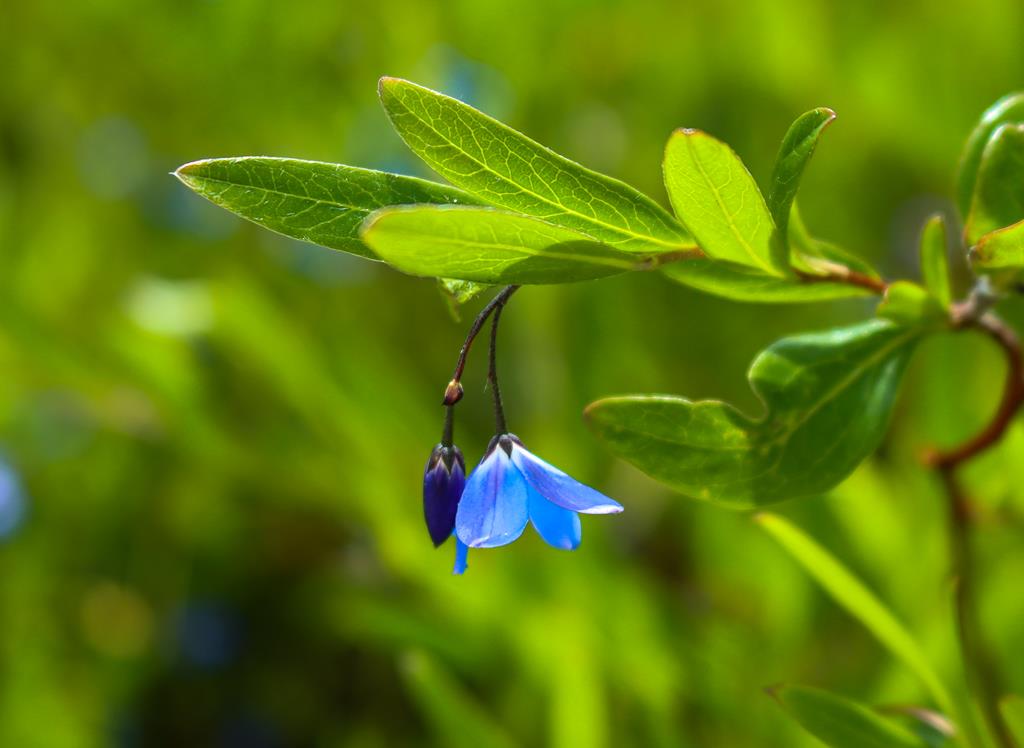
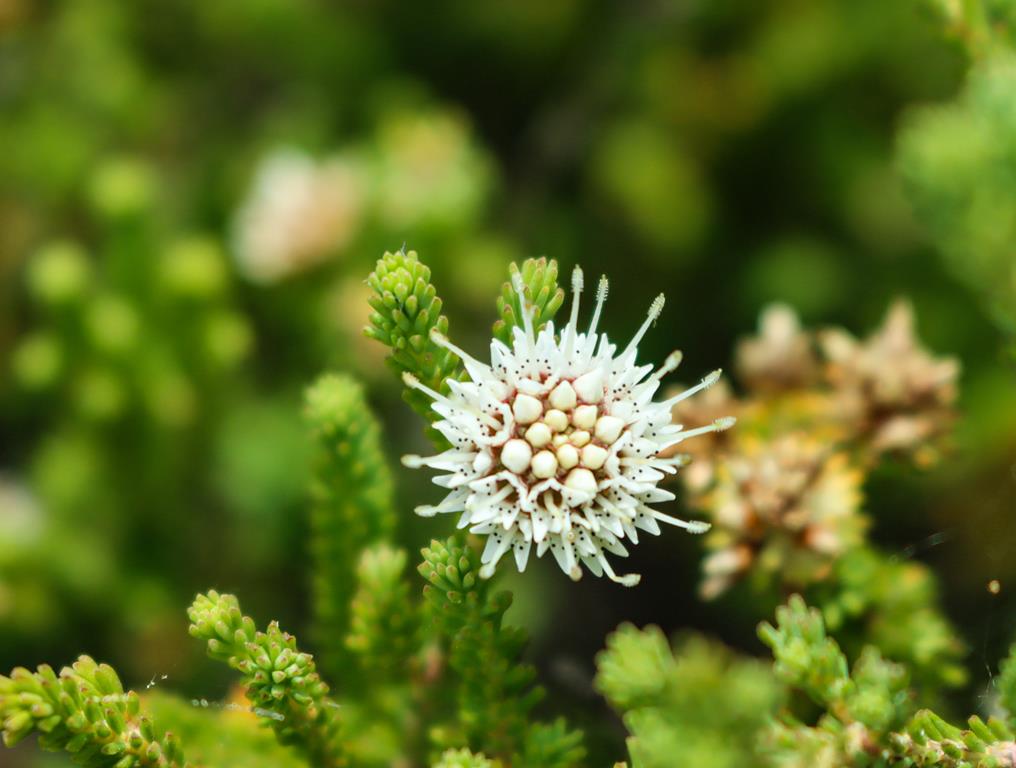
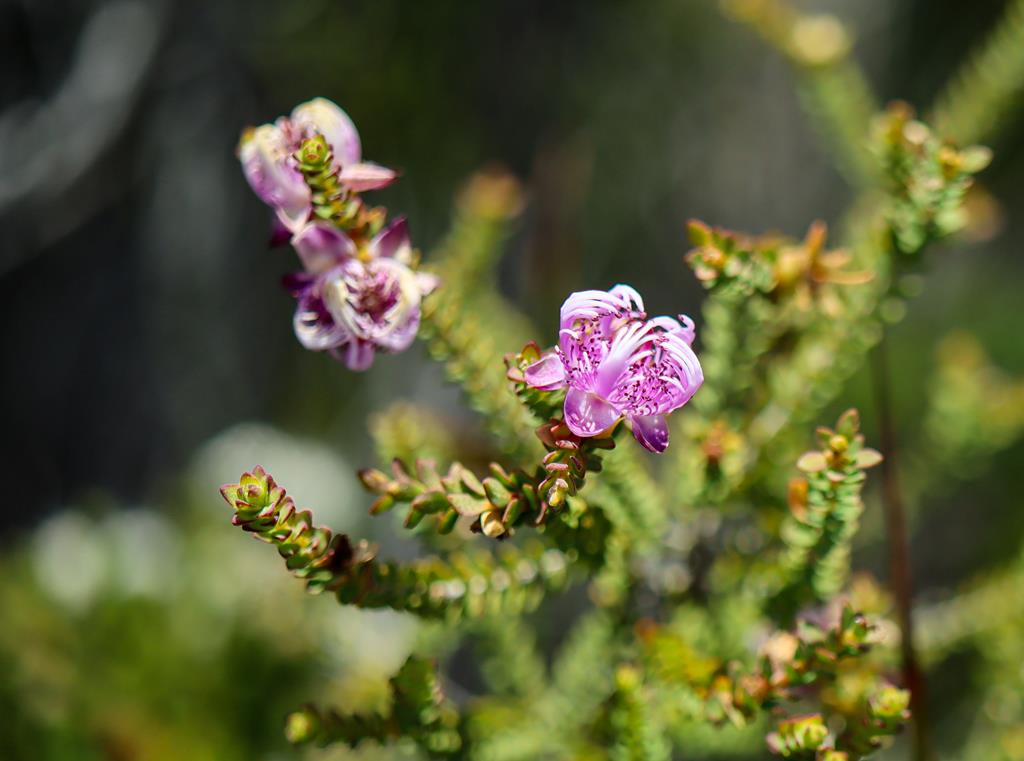
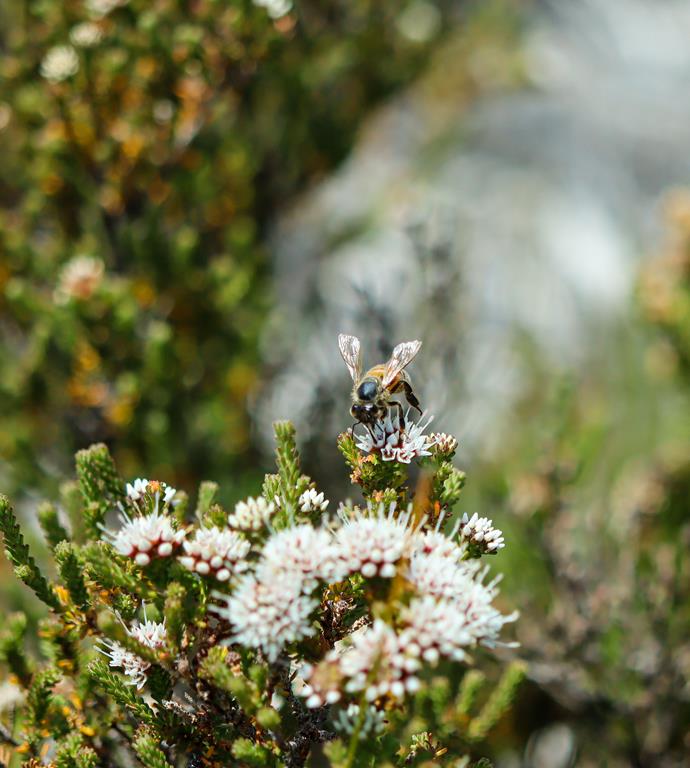
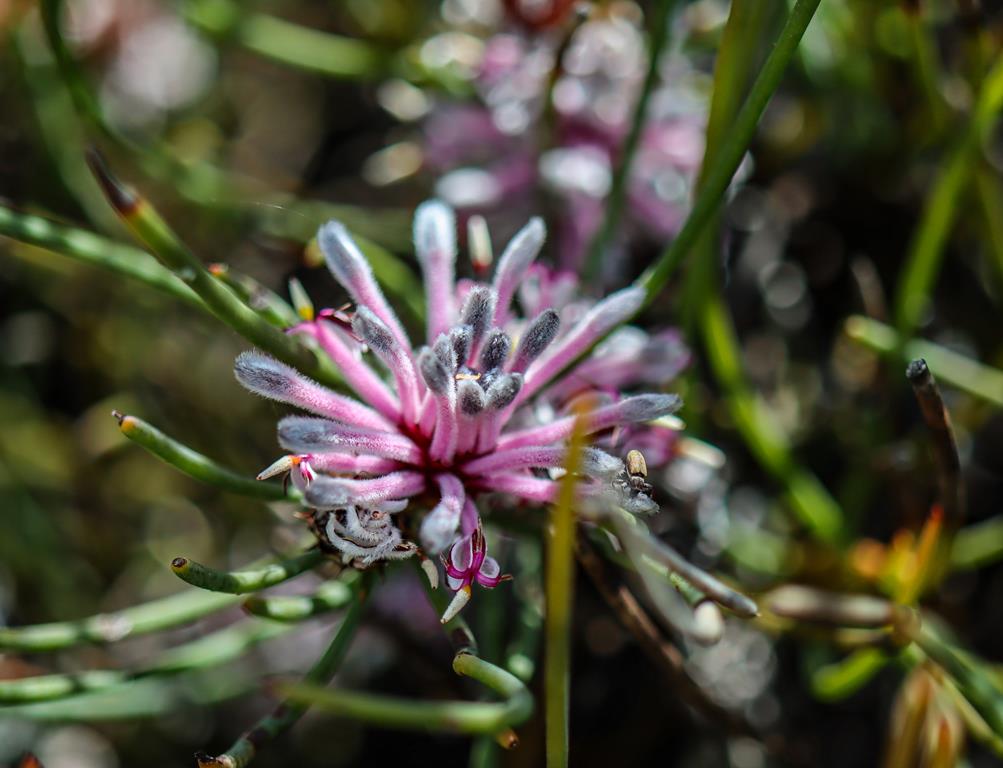
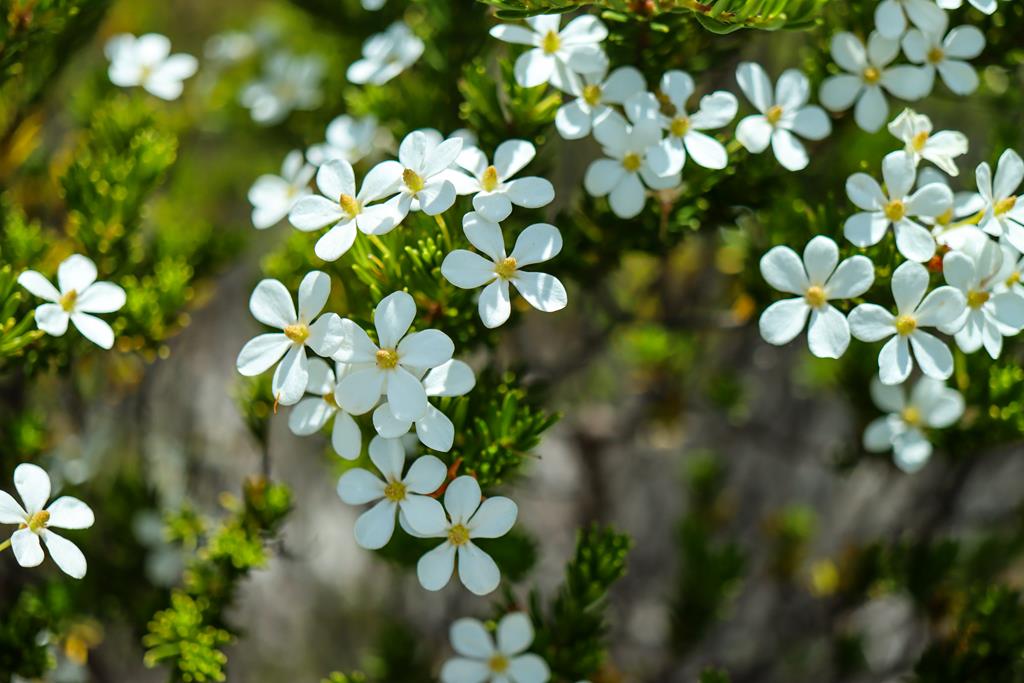
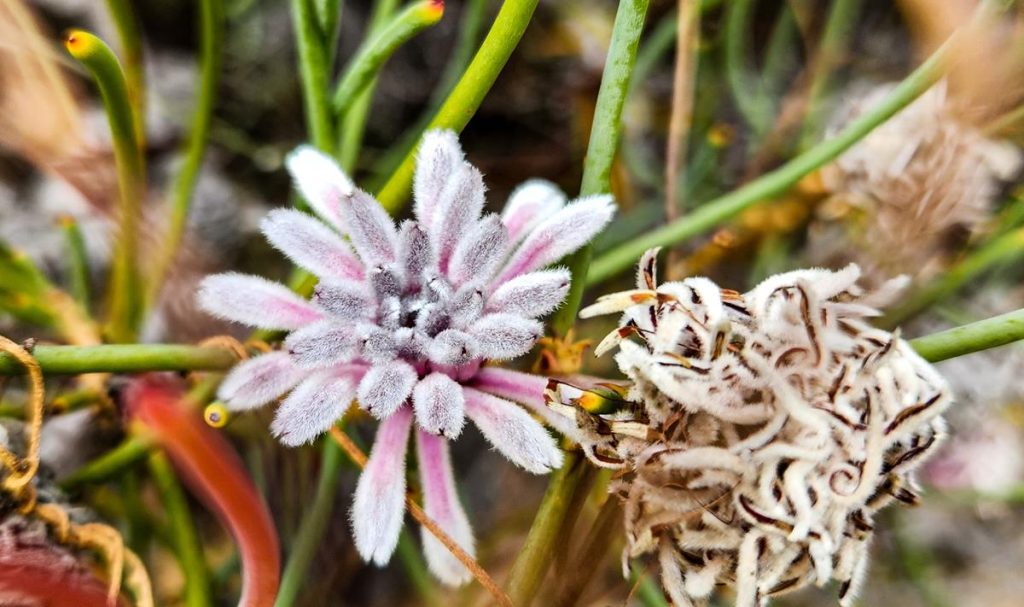
While beach is always the main attraction and entertainment for us, there are other interesting things to discover and observe on the beach, other than waves and white sand. The wildflower season on the south coast of WA lasts well into summer, so you can still find a number of pretty wildflowers.
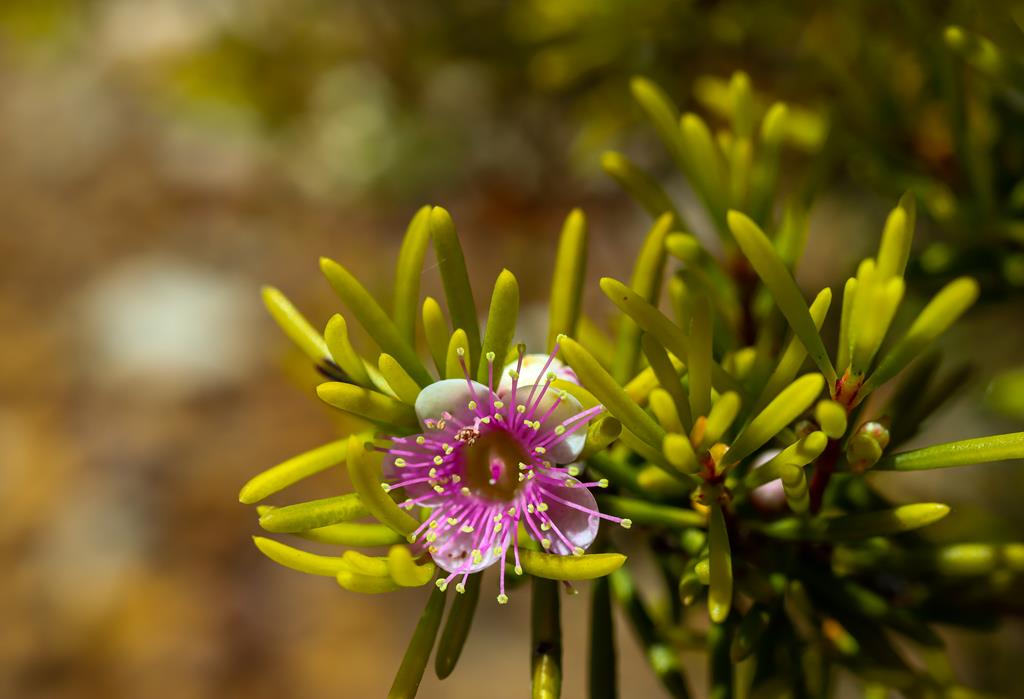
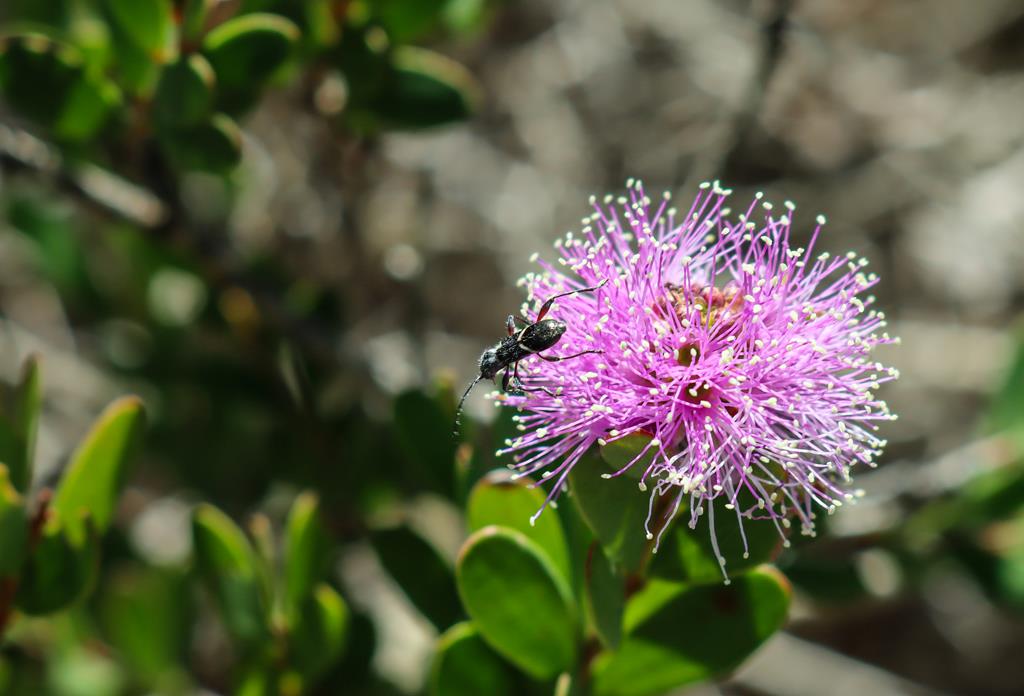
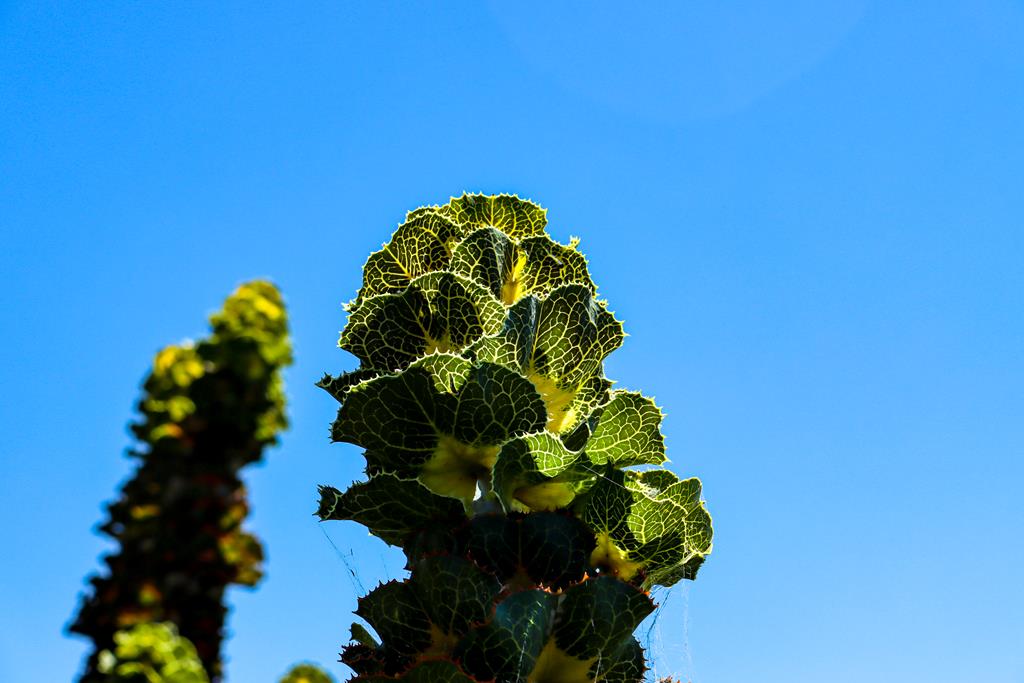
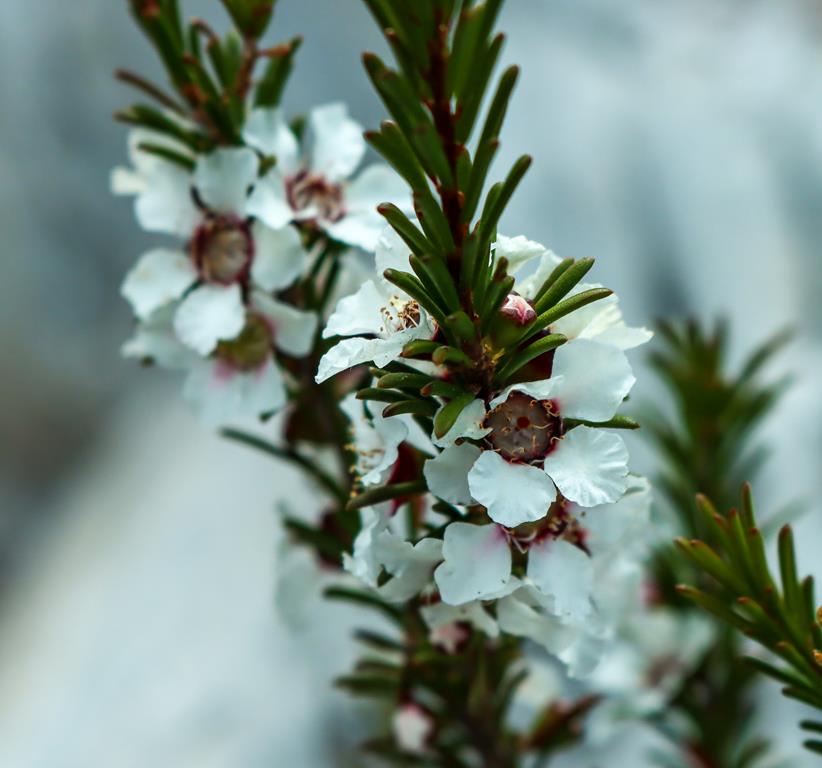
Billardiera-heterophyllaDarwinia diosmoidesMelaleuca PulchellaDarwinia diosmoides with beePetrophile teretifoliaRicinocarpos megalocarpus – Wedding Bush
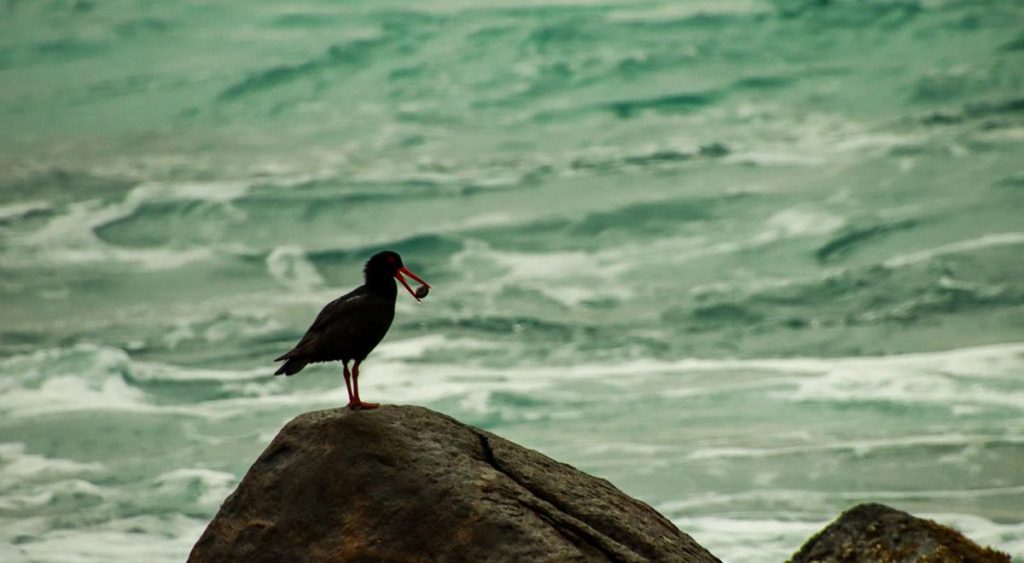
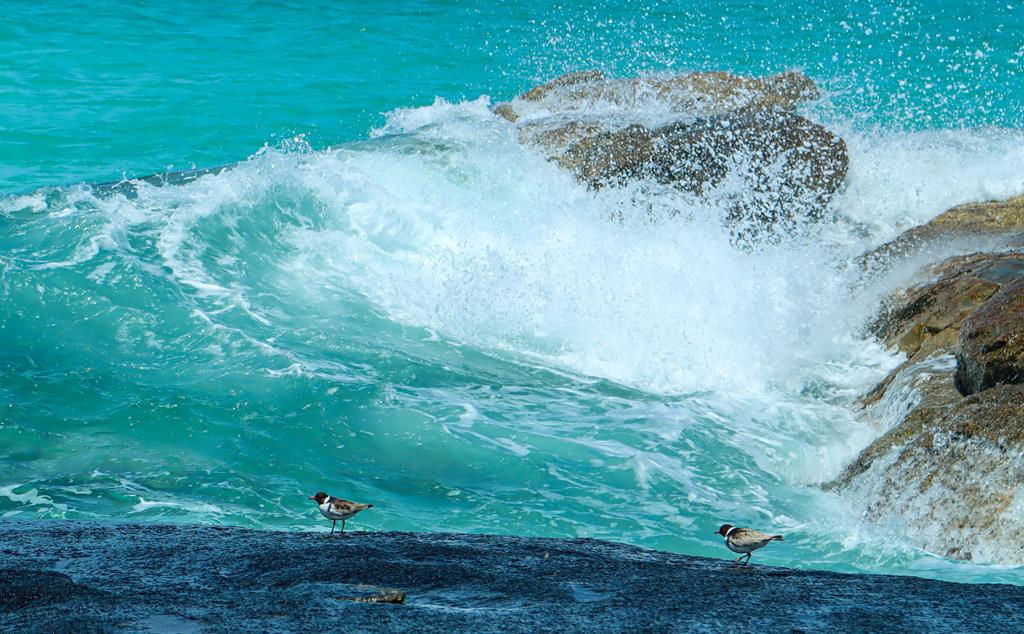
Membinup beach also offers an opportunity to watch the birds, including shore breeding birds Sooty Oystercatcher and Hooded Plover.
Hooded plovers
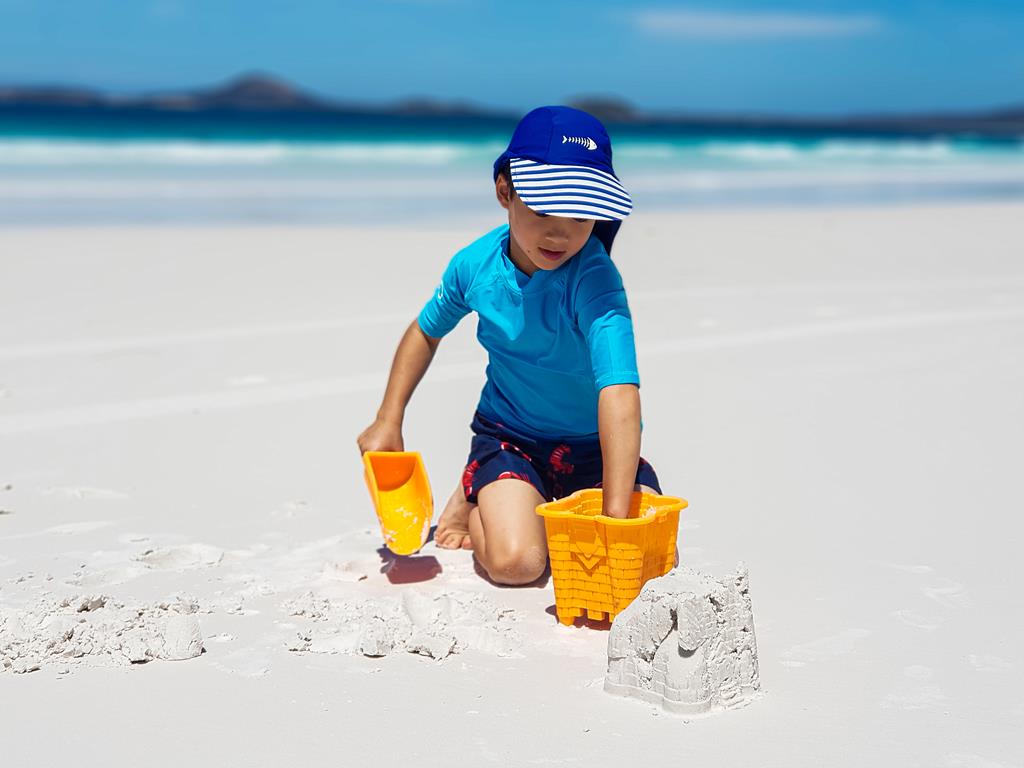
We walked on the beach, we drove on it, kids dug sand and built sandcastles. But mostly, we just relaxed gazing endlessly into the ocean, feeling splashes of the waves on the bare skin and hearing the roaring of the ocean at night. Magnificent!
Visiting Membinup 3 years later
Early January 2025, we decided to camp at Membinup Beach for a few nights to recuperate after a long and tiring driving trip to Eastern states. This time we got a better spot. It was secluded, closer to the beach and even had a private entrance to the beach, which looked so mysterious with those paperbark trees lining it up.
This is one place to come back too. As it has no amenities, please take care of it, should you decide to visit this beach. Please keep this awesome place clean so we all can still enjoy it in the future.
The best camping places are remote and hard to get to, and this was the case with Pallinup Inlet camp, where we spent 2 amazing nights early January this year.
What is Pallinup Inlet and where is it?
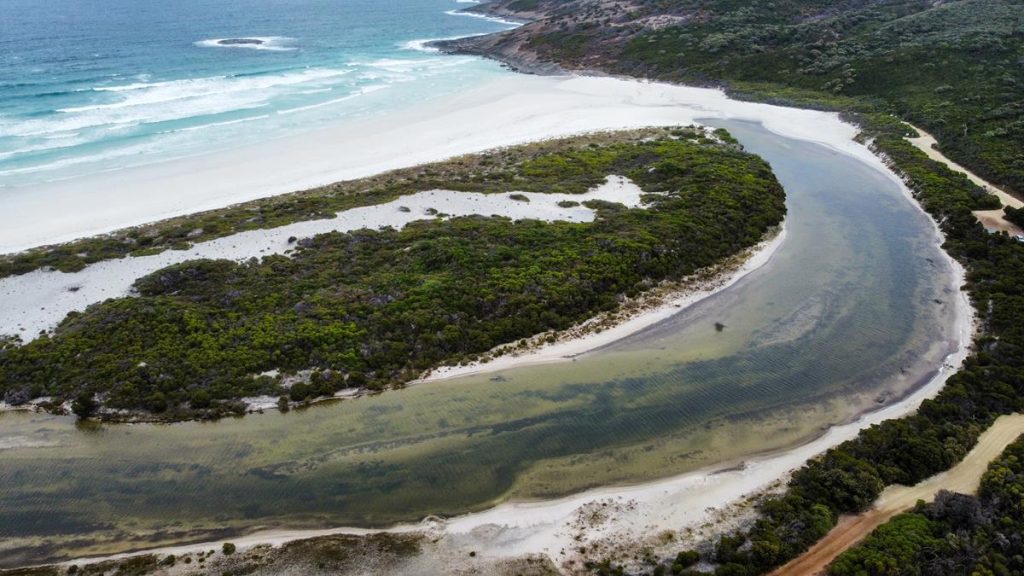
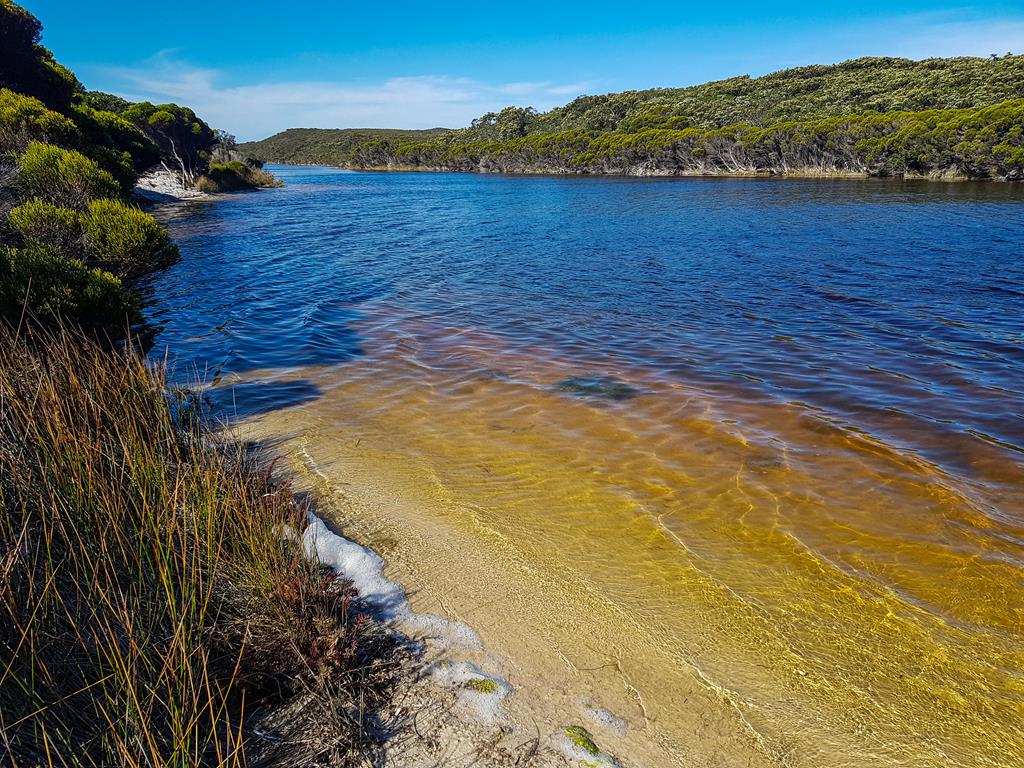
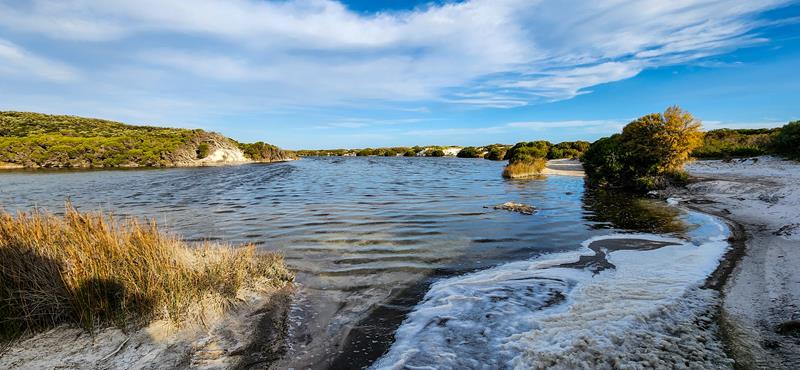
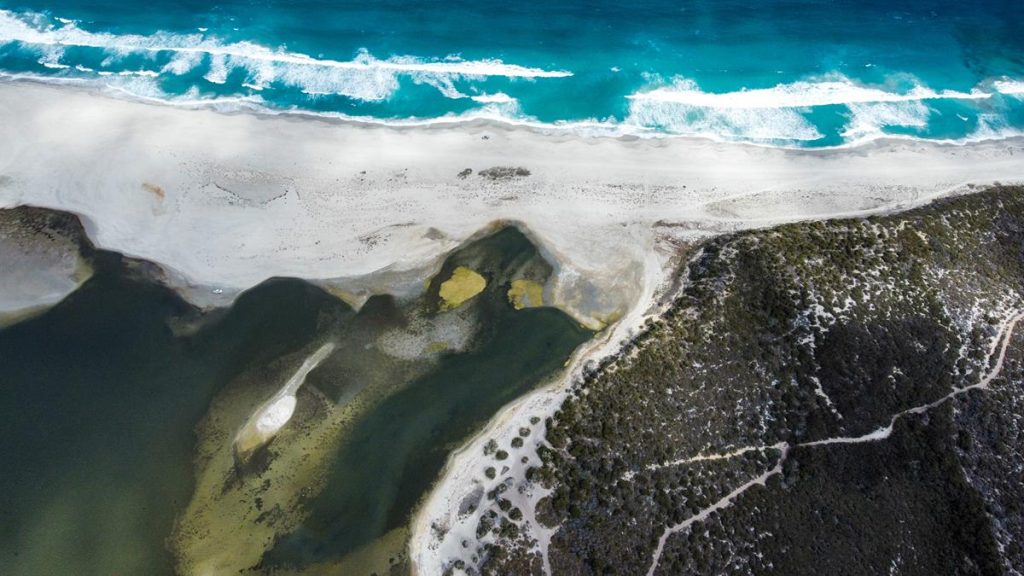
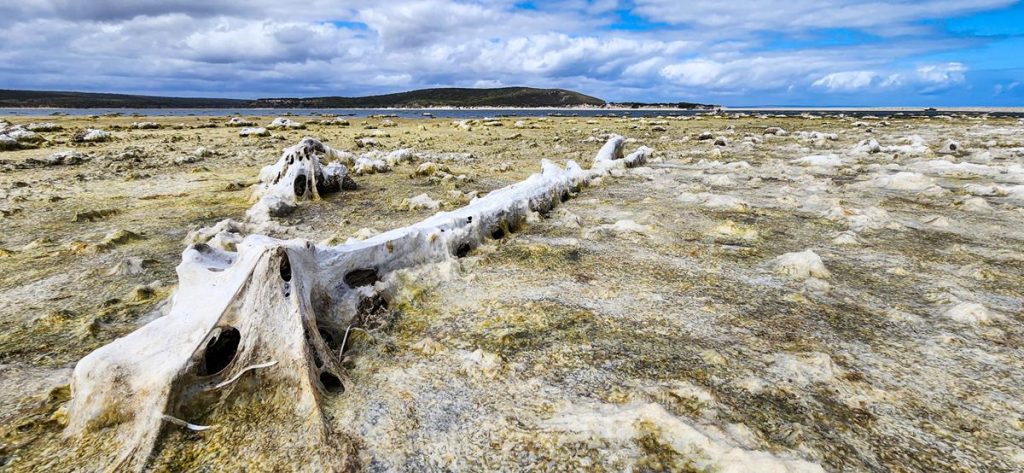
Pallinup River forms Beauford Inlet, also known as Pallinup Estuary as it flows towards the Southern Ocean. Most of the time, it is separated from the ocean by a sandbar. Once in a few years, the sandbar breaks and the river joins the ocean. It is located on the coast between Albany and Bremer Bay, in the Great Southern region of WA.
Camping
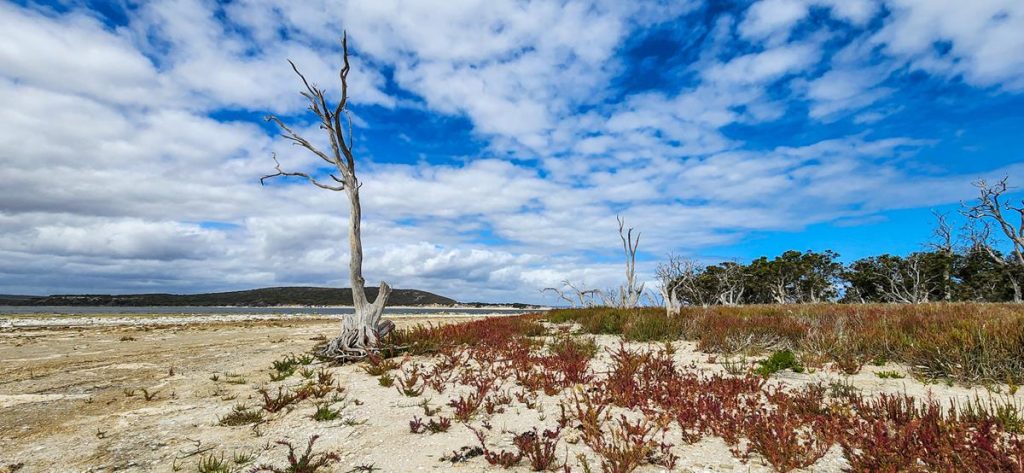
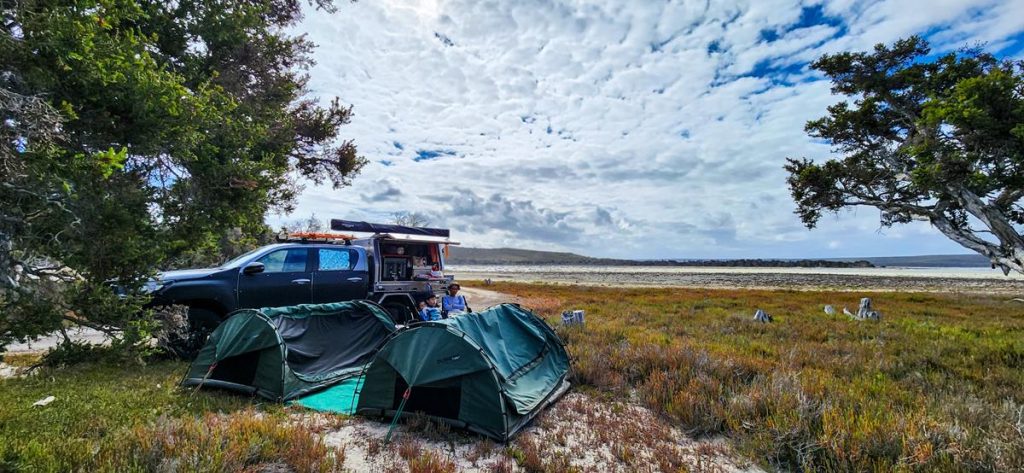
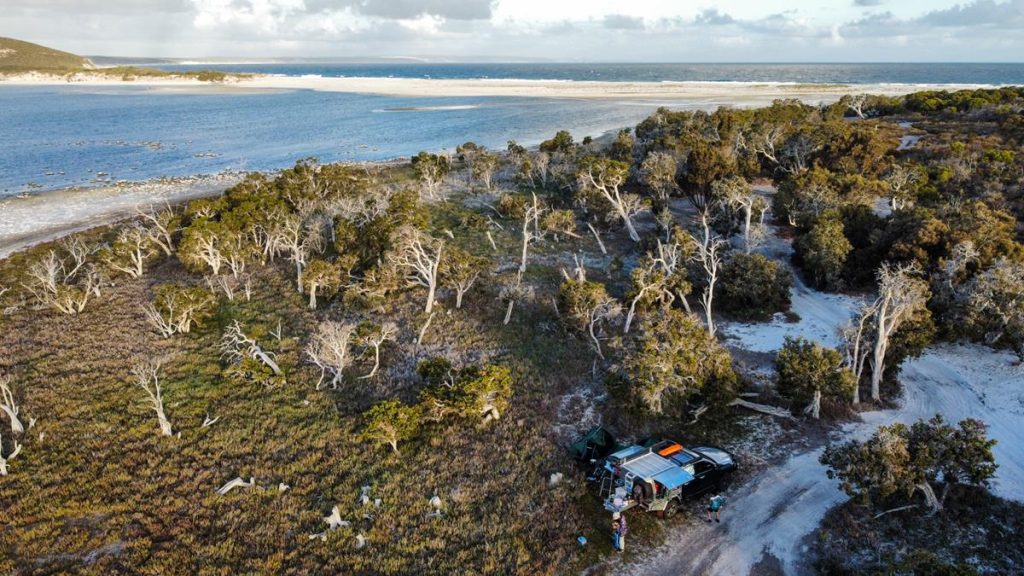
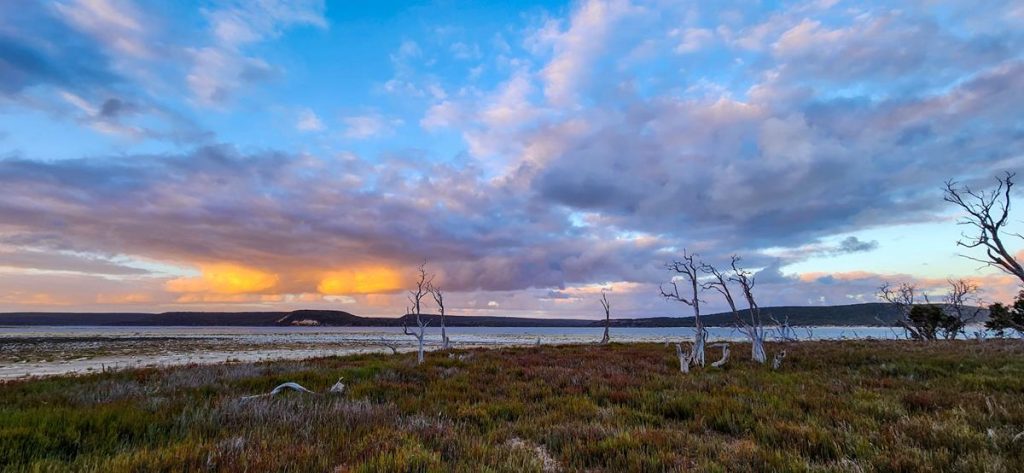
Pallinup Beach is very exposed, with soft sand. Most people camp along Pallinup Estuary, where the area is protected from the strong winds and the tracks are harder. It is a nice place to go fishing, bird watching or just relaxing. Popular with locals but otherwise, it is a quiet area.
It is a free camp, with absolutely no facilities. You can bring your dog and some people (locals, we presume) take camper trailers but you would need to be an experienced 4WDriver to do that.
What is the track to Pallinup Beach/Inlet look like?
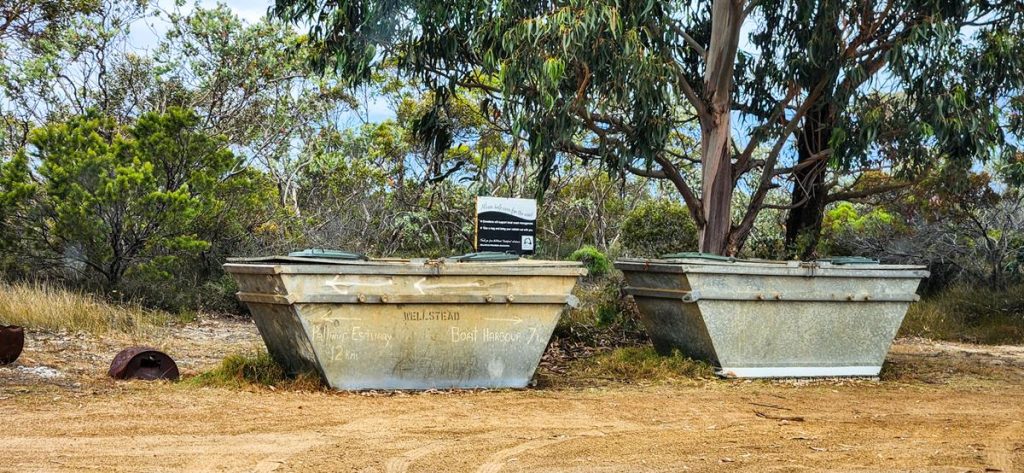
To get to Pallinup beach/inlet take Boat Harbour unsealed road from South Coast Hwy. After 13km the road comes to a junction with two large skip bins. Taking a right turn will take you to Boat Harbour camp and taking left turn will take you to Pallinup Beach. Both are 4WD only tracks.
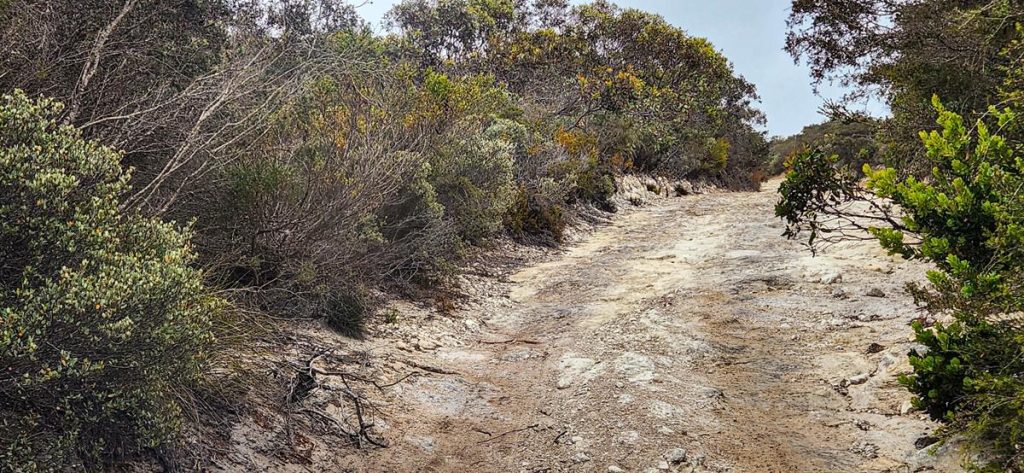
The track to Pallinup Beach starts as a fairly good but corrugated track for roughly 6km or so. Then it becomes rocky which requires slow crawling at times, so high clearance 4WD is required for this track. Closer to the beach, the track becomes soft sand.
4WD track to Pallinup Beach
The above track is closer to Albany. It is possible to travel from Bremer Bay via a different 4WD track to Pallinup Inlet, which is a lot rougher. We didn’t take it, so can’t comment.
For nature and photography enthusiasts
If you love nature and bird watching, there are plenty of opportunities to observe birdlife at the estuary.
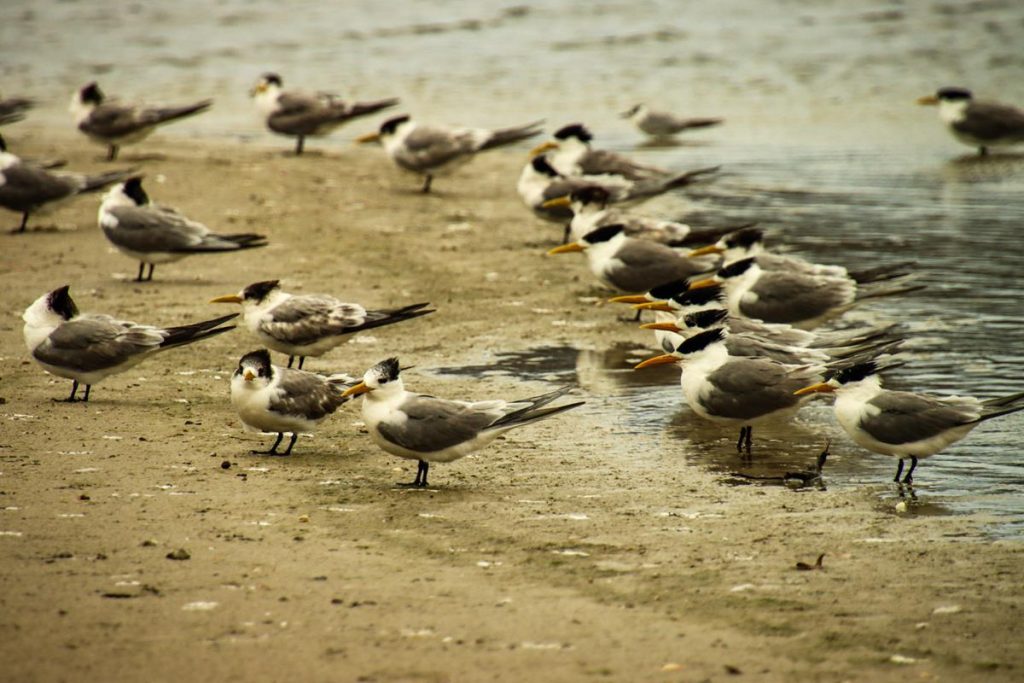
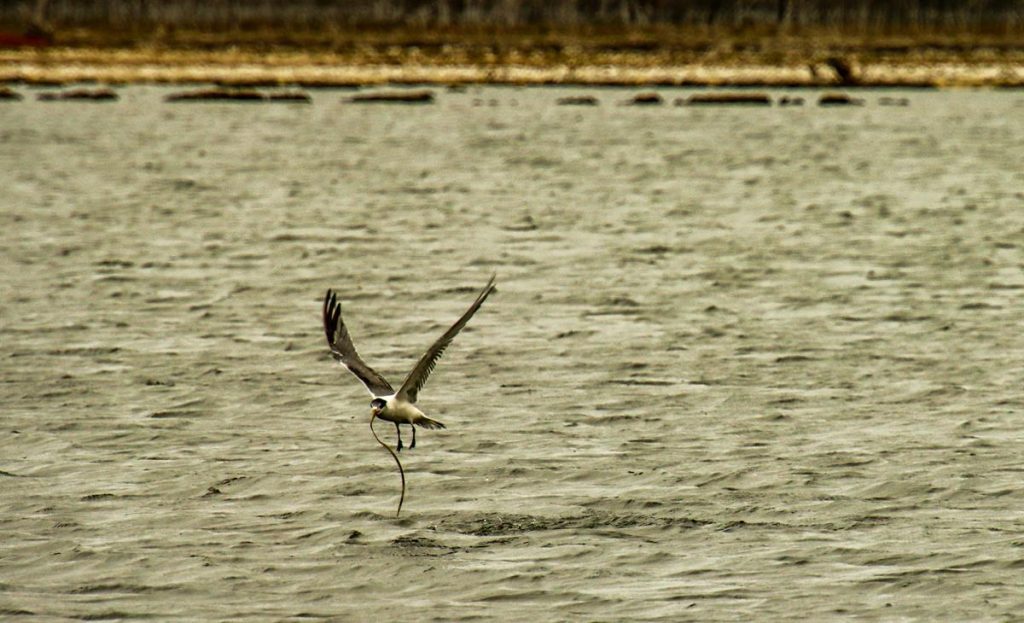
Lot of Crested Terns (above) moving in flocks and individually.
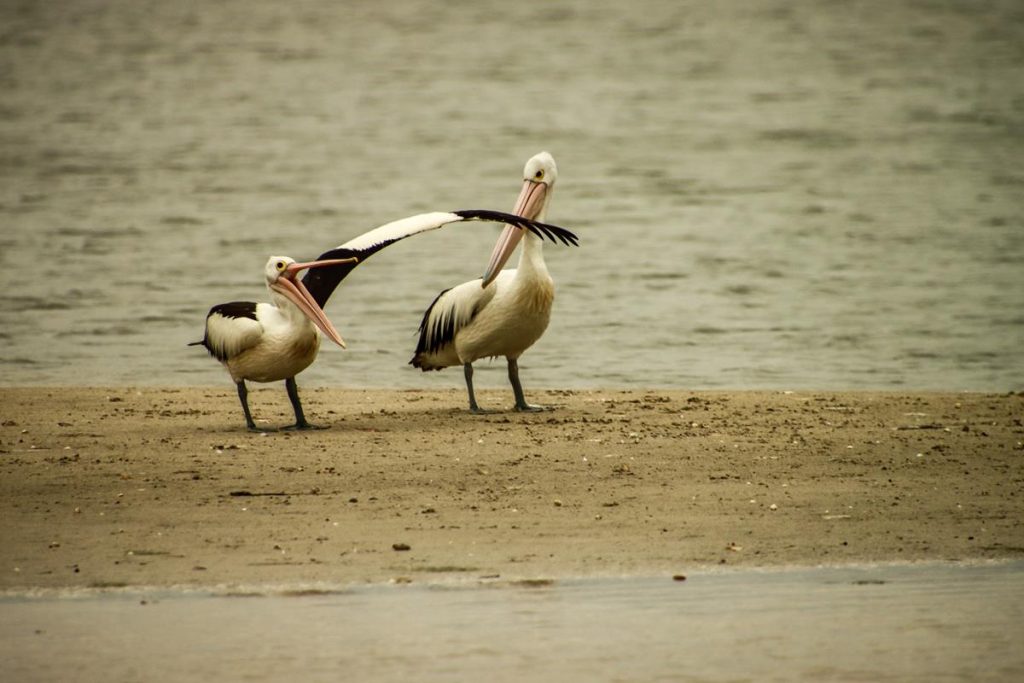
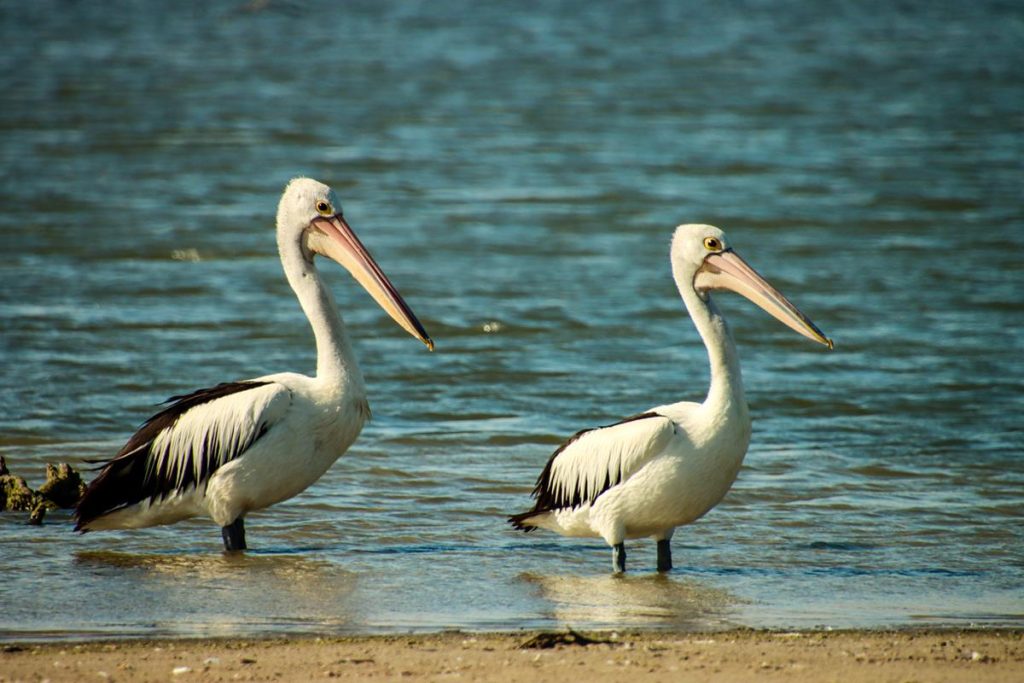
Pelicans (above) normally come in small groups – often in twos.
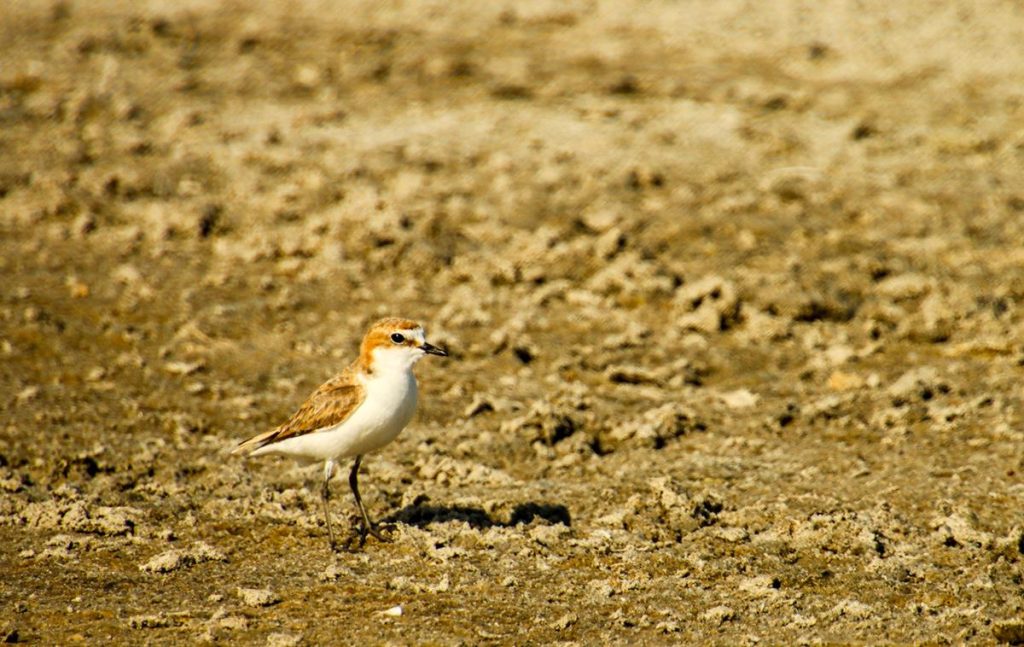
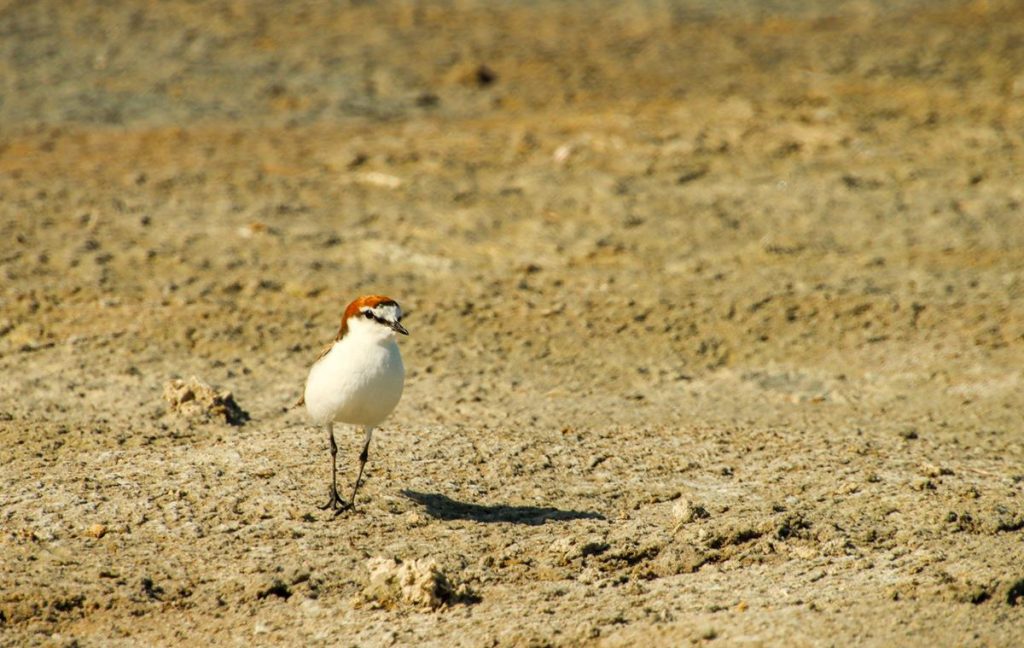
Red-capped Plover (above) is abundant there.
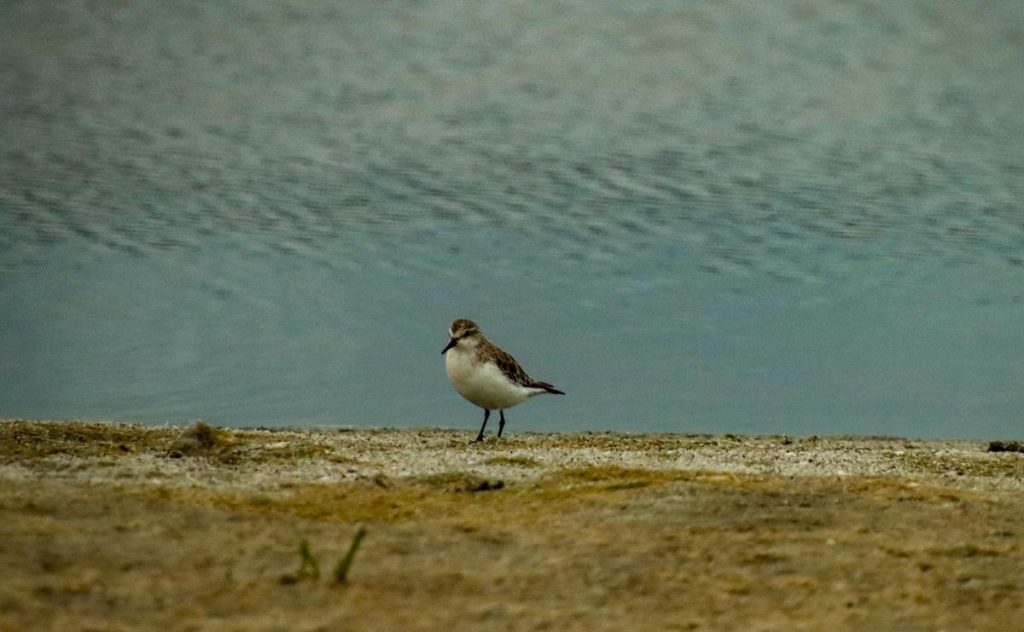
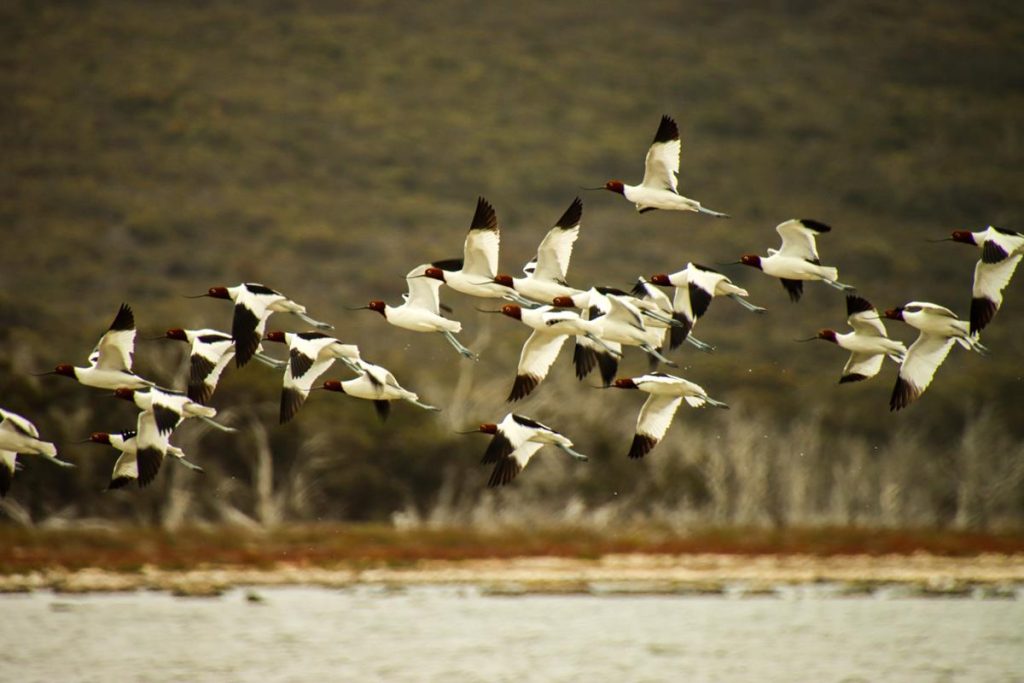
Lesser Sand Plover (above left) is similar to Red-capped Plover but bigger. While Red-necked Avocet (above right) moves in big flocks from place to place looking for food.
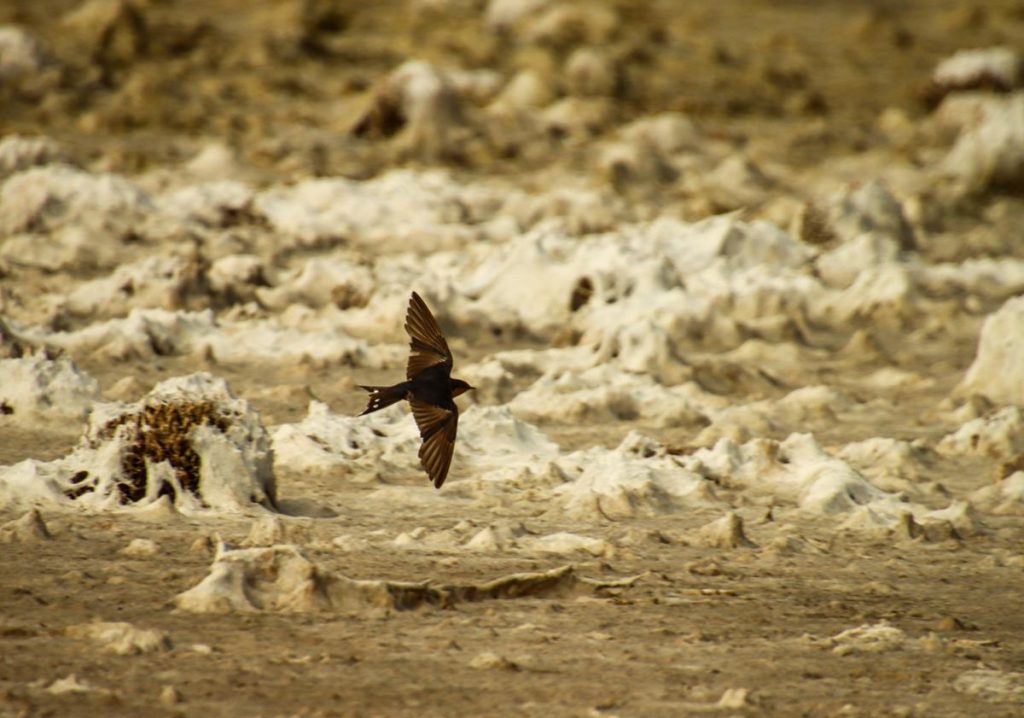
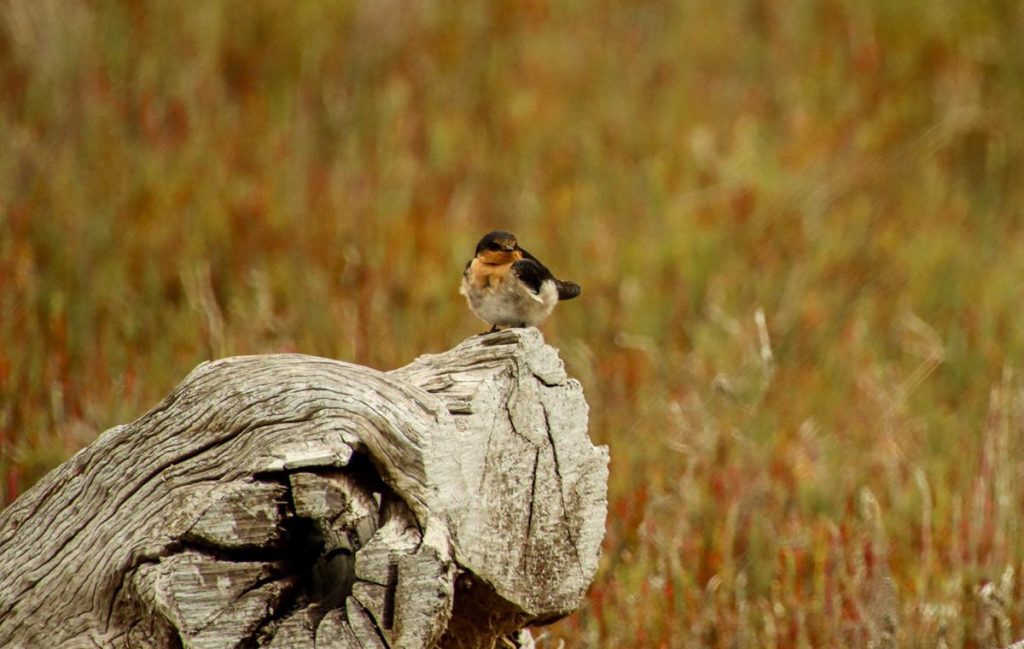
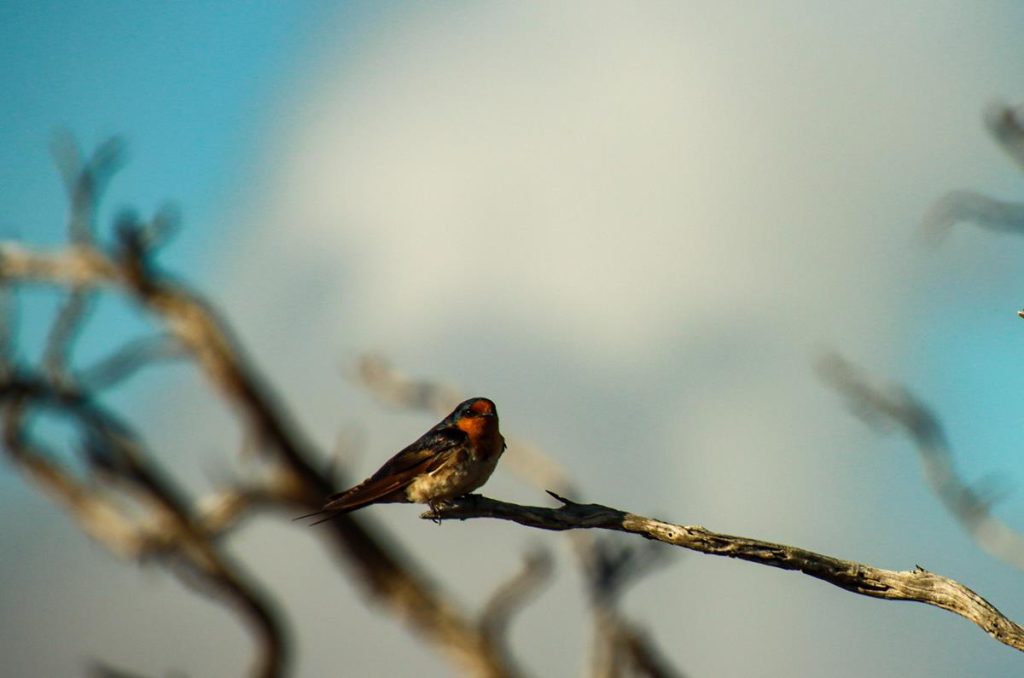
Welcome Swallow is another bird that is abundant at Pallinup Estuary.
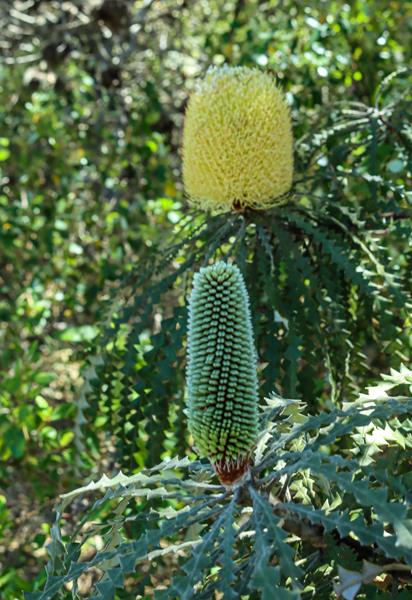
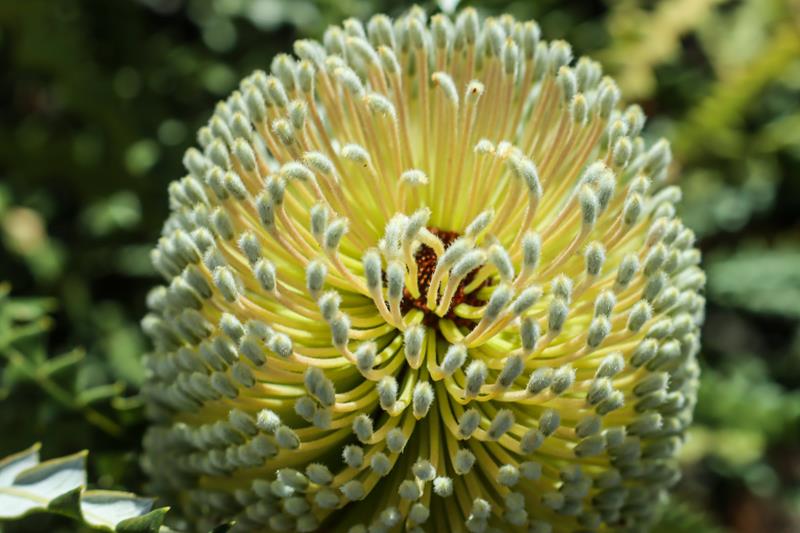
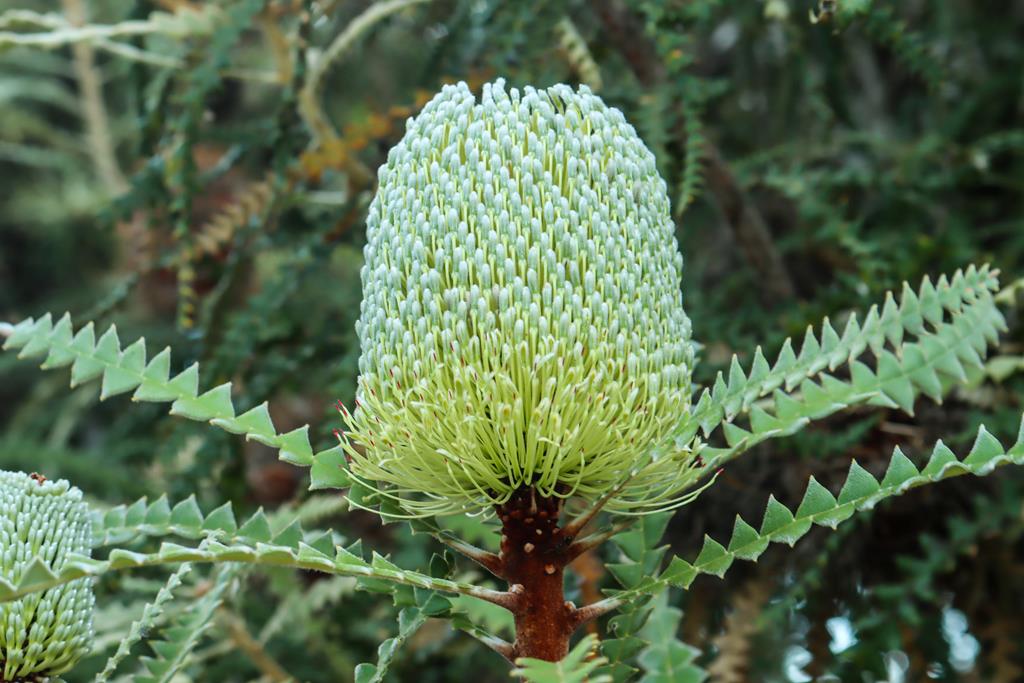
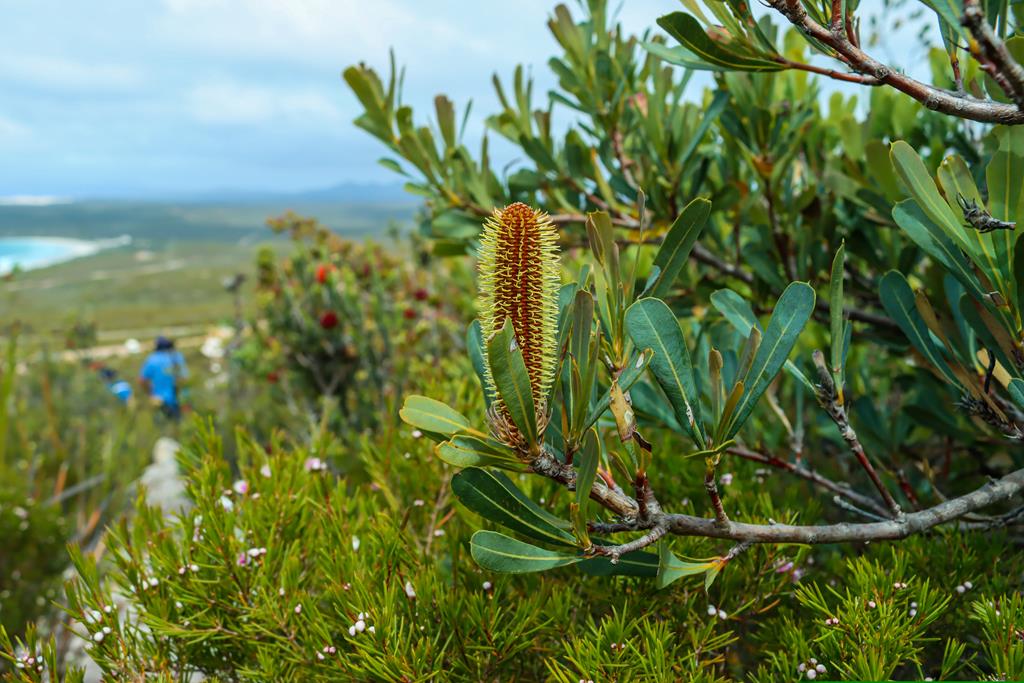
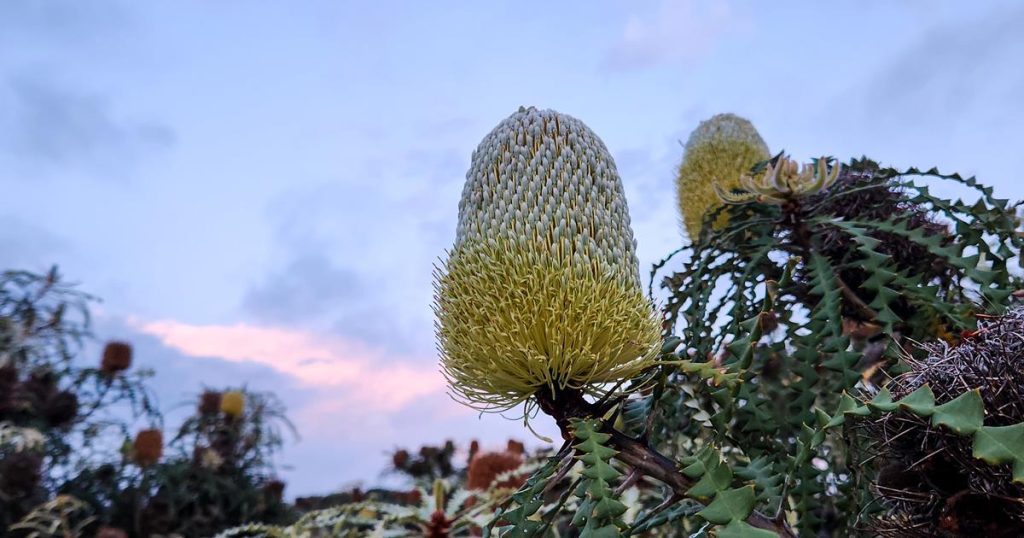
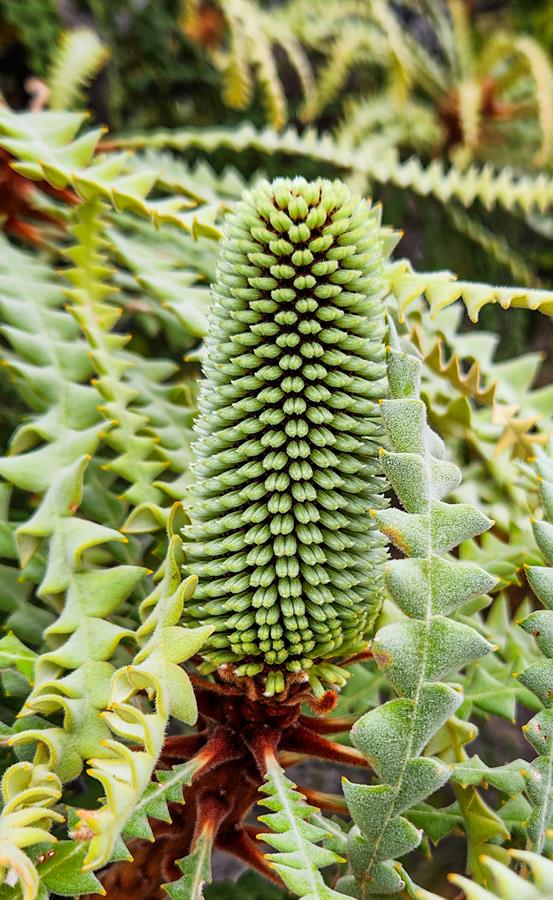
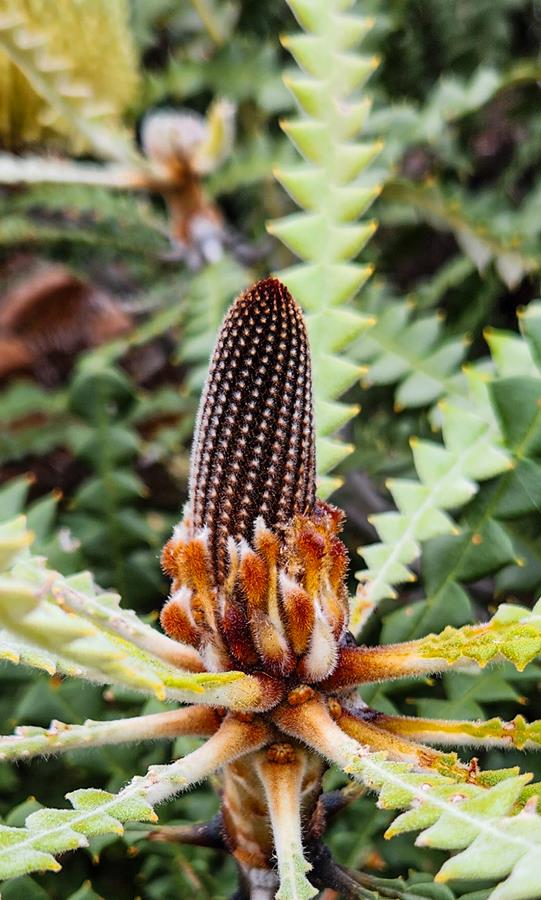
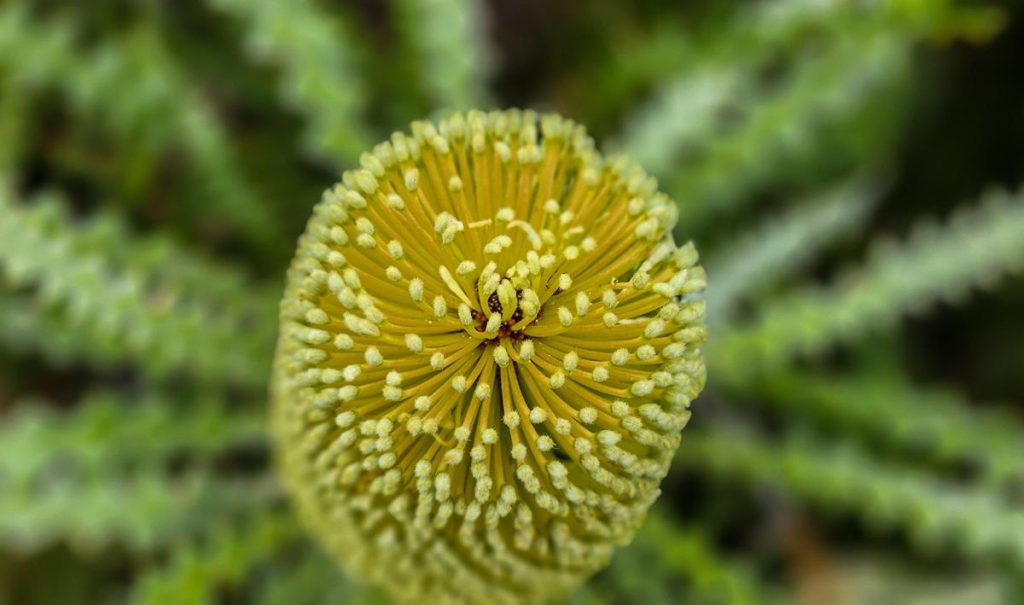
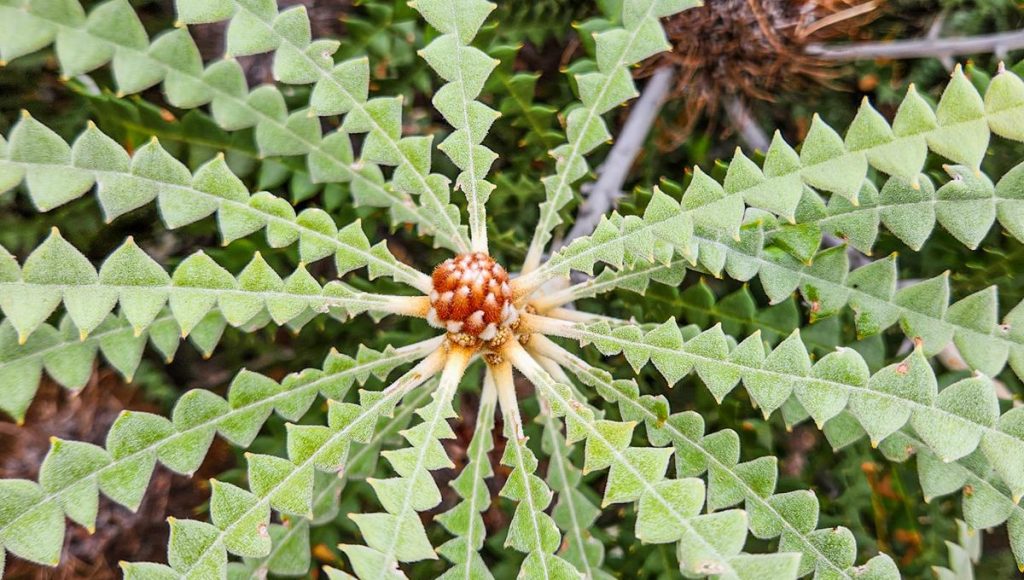
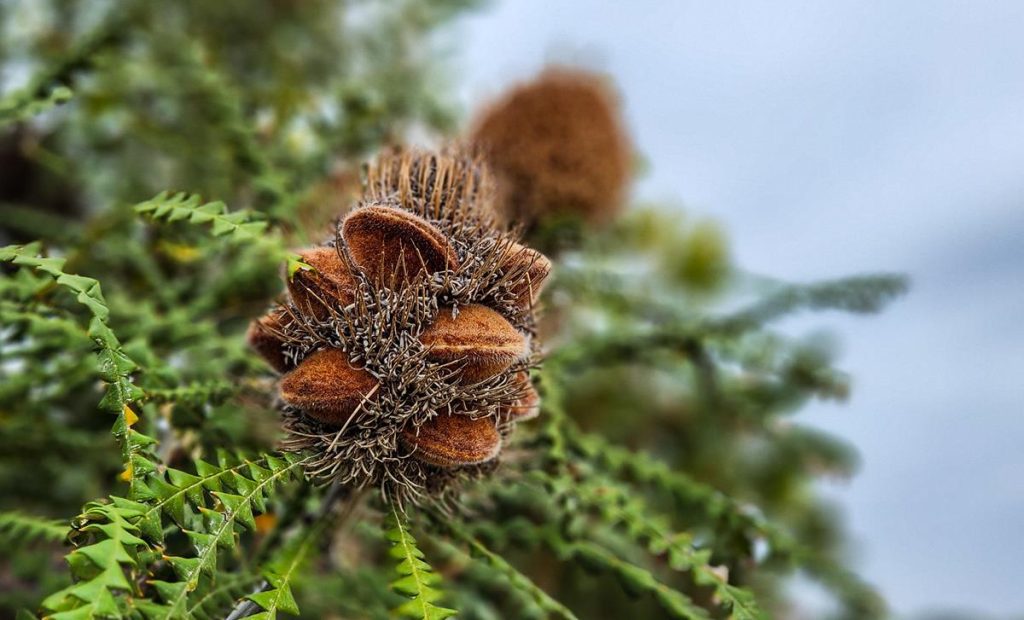
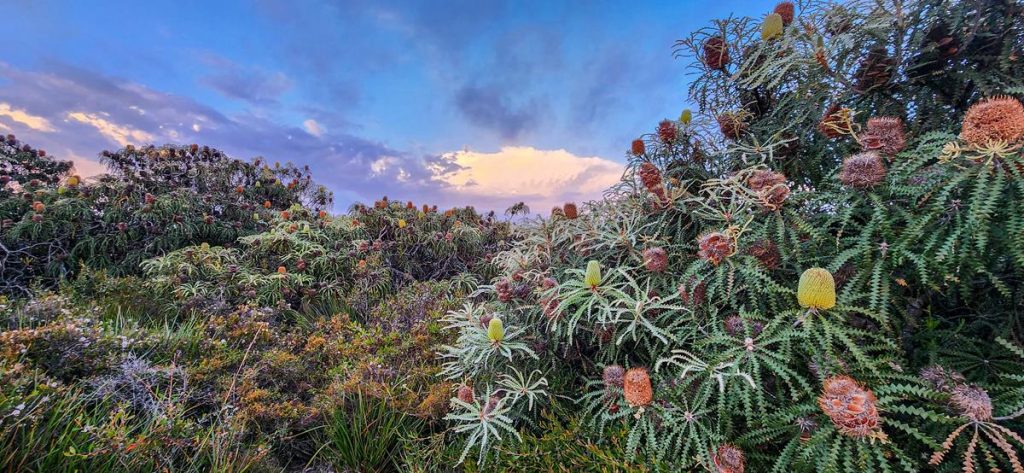
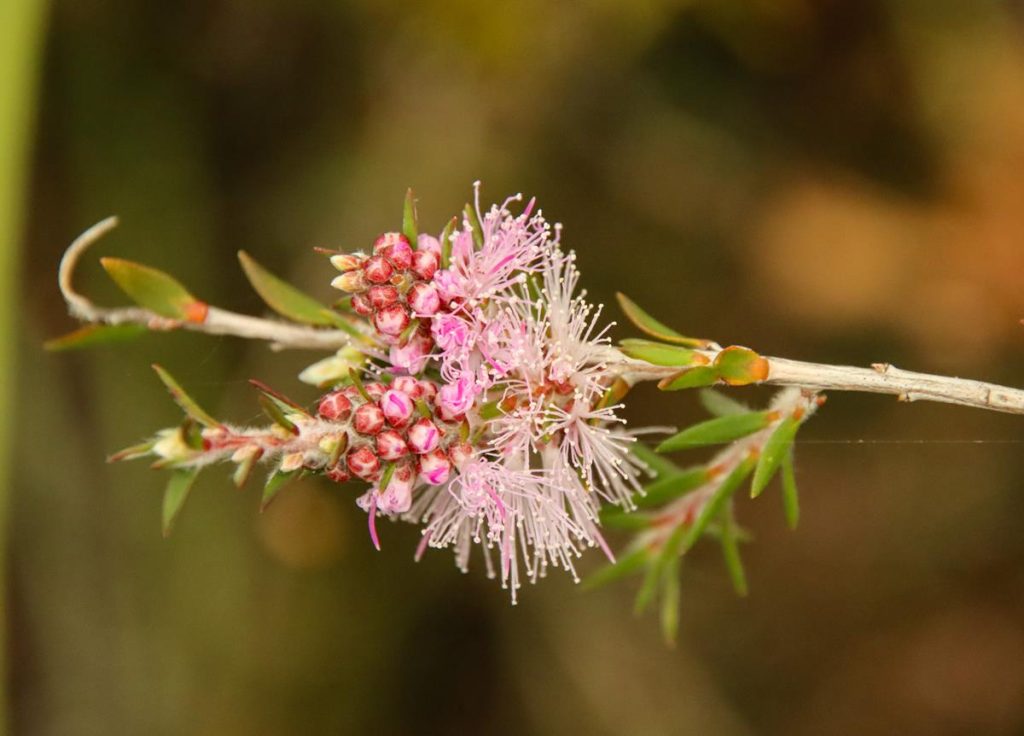
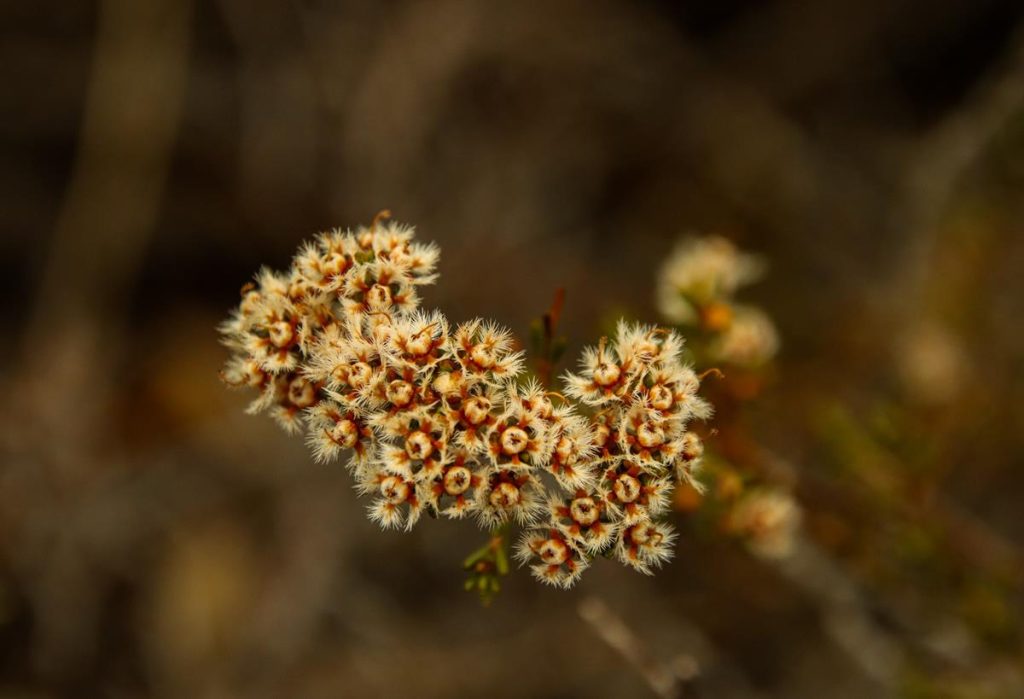
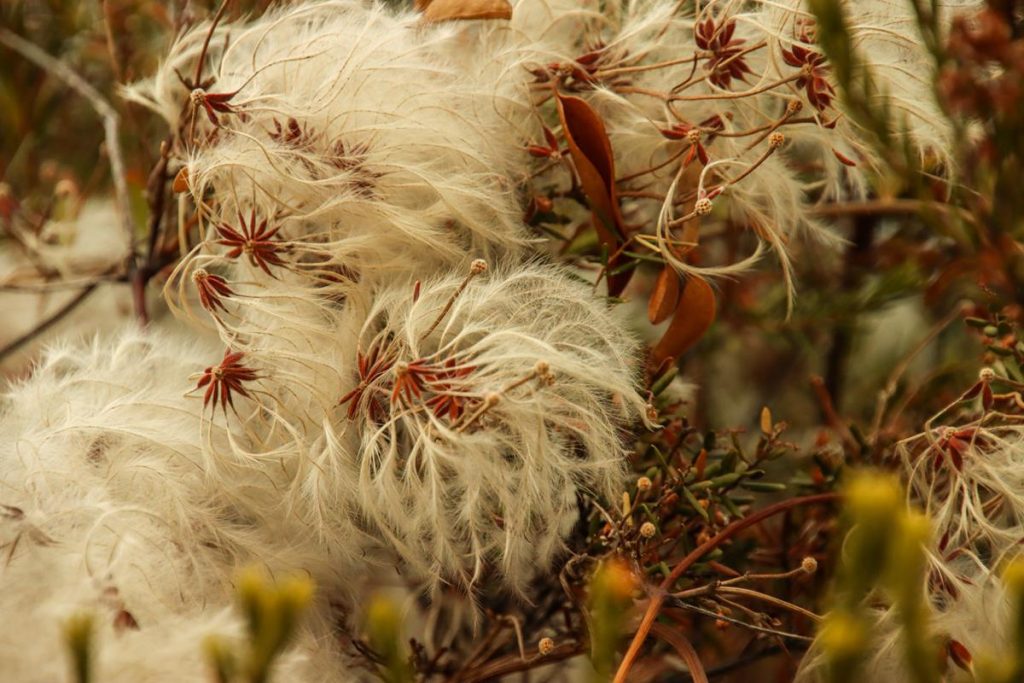
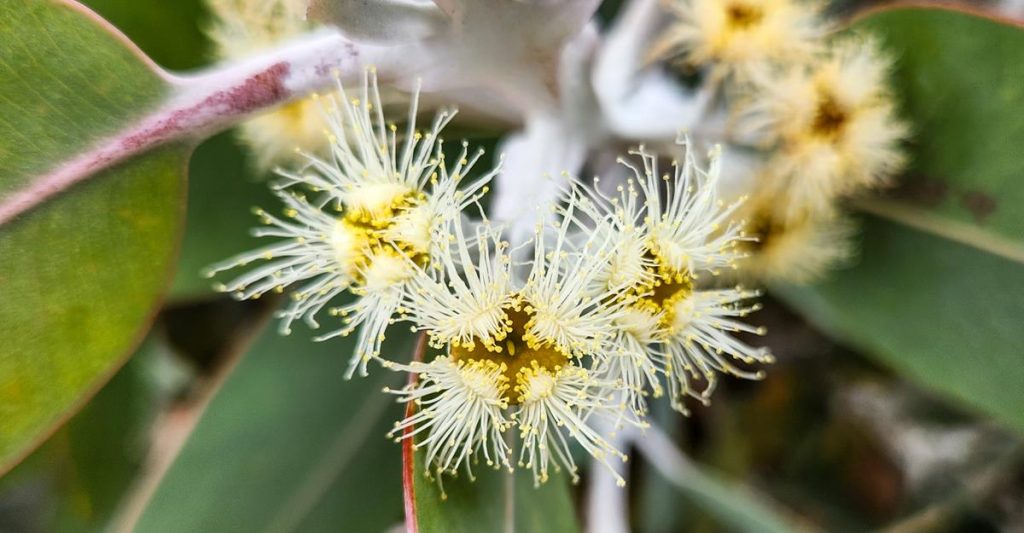
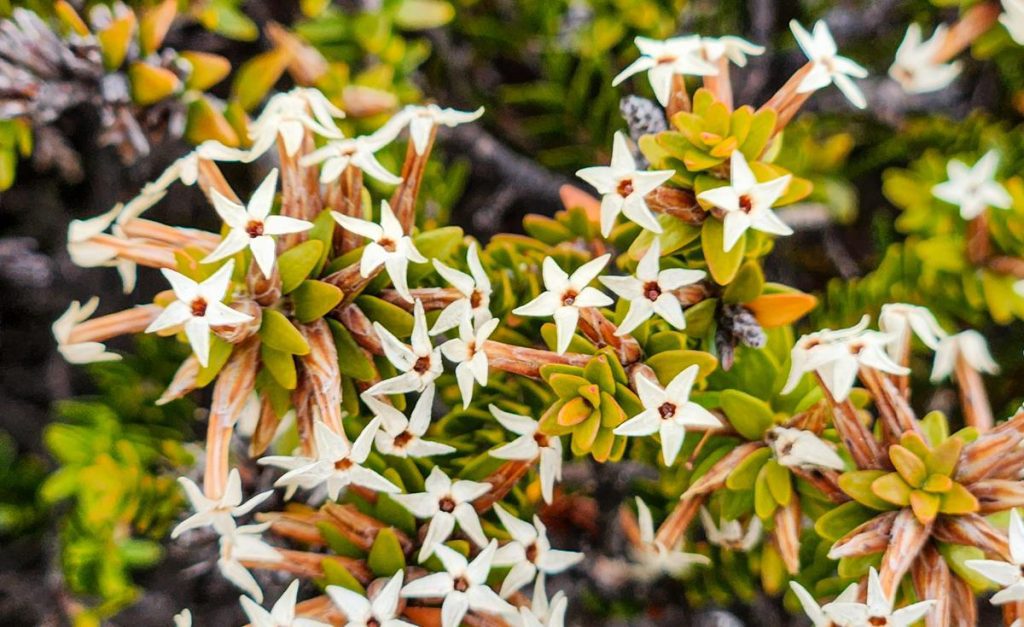
There are a number of different bankias along the track, leading to Pallinup beach.
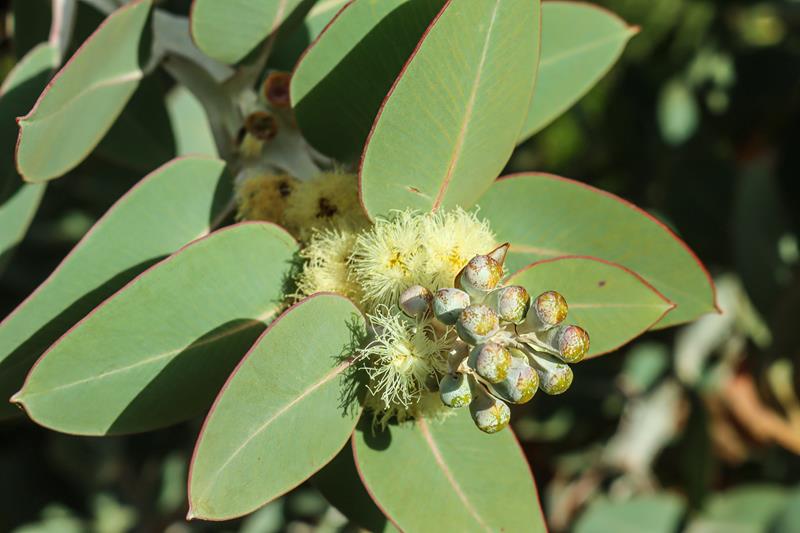
Clematis pubescens (above left), Eucalyptus pleurocarpa Blue Mallee (above right).
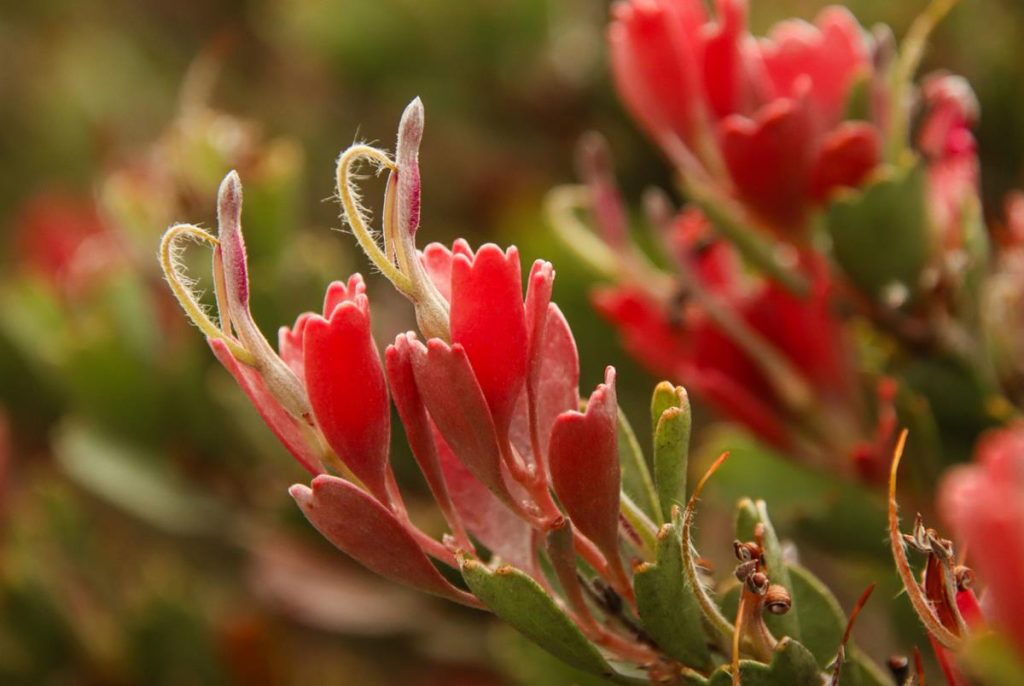
Lambertia inermis Chittick (above) is beautiful in every stage of flowering.
We really enjoyed the drive, as well as camping at Pallinup Estuary. The drive was an adventure in itself providing us with a good 4WD experience, as well as a sense of adventure with “tiger stripes”.
While staying at Boat Harbour campground, we visited Cape Riche, which is roughly 120km east of Albany. There is a paid campground there, which appeared to be very full when we visited it at the end of December. Being it just a day trip, we did not need any accommodation, so from the campground, we took a 4WD track to access the beach 110 meters east of the south-eastern end of Sandalwood Road. On our way we got lost and ended up in some mysterious forest 😊.
Mysterious forest near Cape Riche beach
We had to launch a drone to find out how to get to the beach, because there were quite a number of tracks intersecting.
Campground is on the left
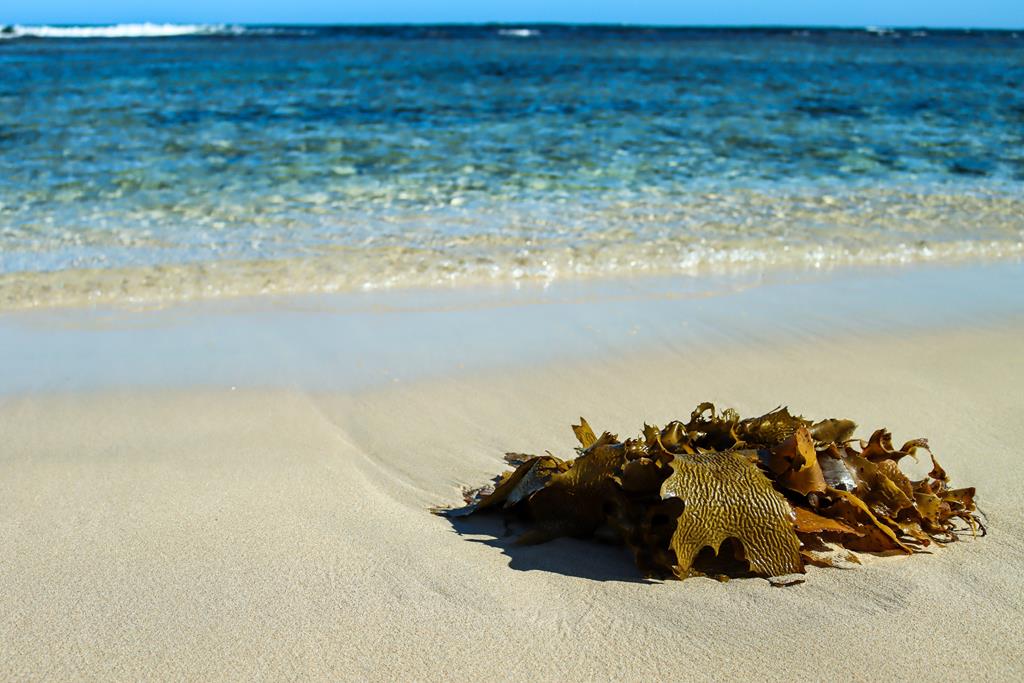
When we got to the beach, it turned out to be an interesting and picturesque place. While the kids busied themselves with digging sand and building sand castles, we explored what was around. The beach was nice and the water was clear, although there was some seaweed washed out on the beach. There were only a couple of vehicles there apart from us and they left shortly.
Cape Riche beach
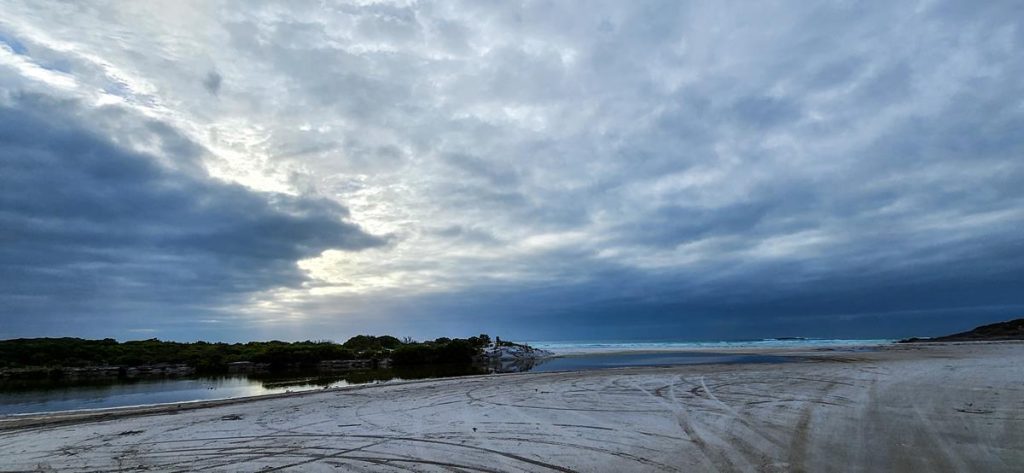
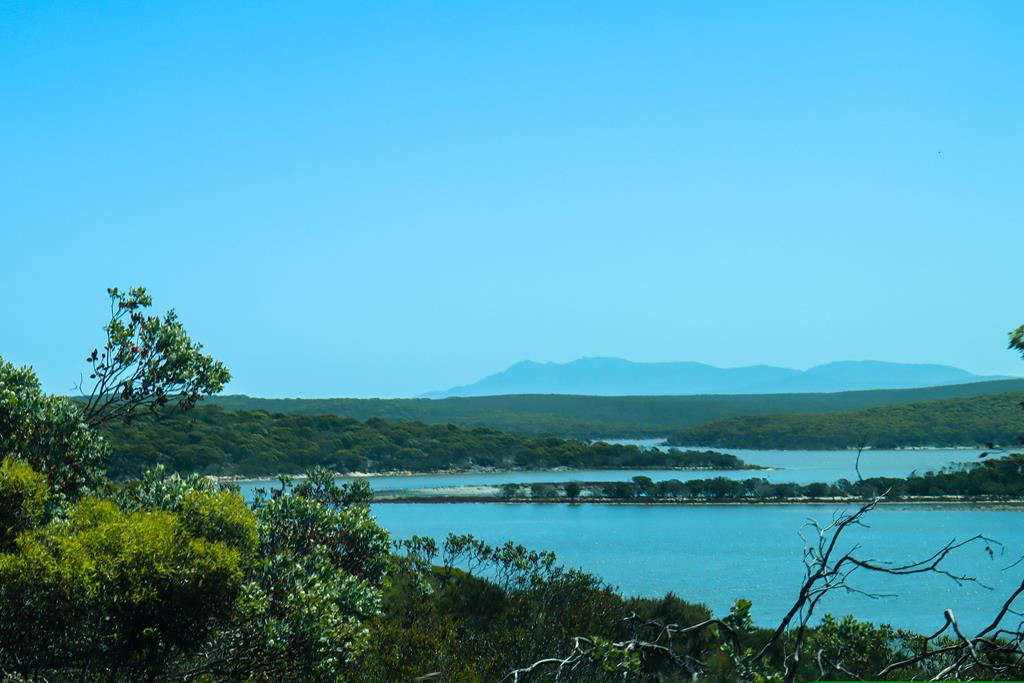
At the western side of the beach there was an inlet (Cheynes Inlet?) separated from the beach with roughly 50 meters of sand. It looked tranquil and beautiful, especially with a pelican swimming serenely there.
Cheynes InletPelican swimming in the inletRed and green grass
It is a very relaxing place to spend some time. There are also a number of tracks to go 4WDriving.
Boat Harbour in Wellstead (between Albany and Bremer Bay) is a place with a unique flavour and a paradise for 4WD lovers. It has long beaches with white soft sand to drive on, some slopes to go up and down and rocky hills to master and refine your 4WD skills. The views of the ocean are stunning. Crystal clear waters are ideal for swimming. Sand dunes are fun for the kids to play. There are rocky outcrops for explorations. In short, there is a lot of space and variety.
Trevor’s camp at Boat Harbour
There is a free camp, looked after by Trevor Smith, a “take carer” (as he calls himself), who has been living there in his own caravan for the last 14 years. Trevor looks after people who come to camp, helping them to find spots and park. He also cleans up after people leave the place (please do the right thing to preserve the environment). After learning what Trevor does and seeing him around all day long, always engaged and busy, it makes me appreciate even more his efforts and what he does, keeping the campground clean and tidy and people safe. Maybe that’s why, he prefers to call himself a “take carer”. This place wouldn’t be the same without Trevor Smith.
Tracks leading to upper campground
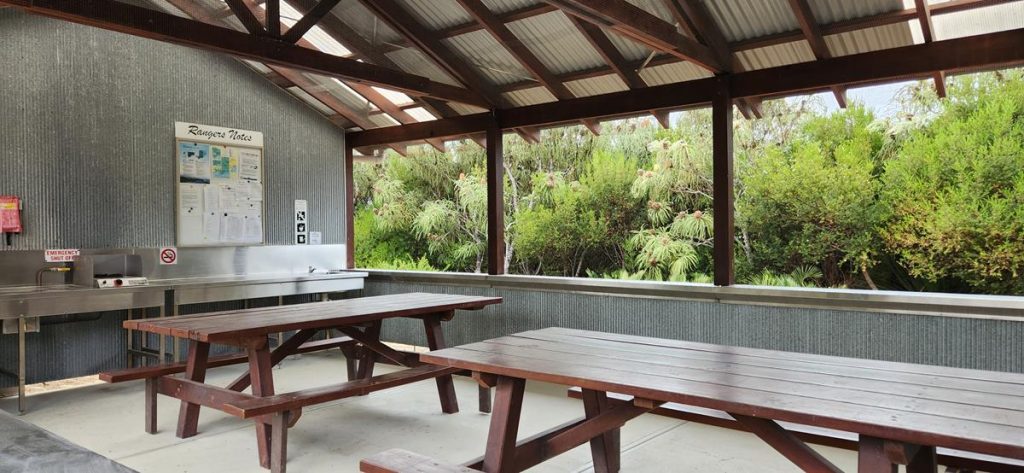
The camp has 2 areas – “the million-dollar view” ocean camp ground up the hill with spaces enough to park not more than 6-7 vehicles, which we tried initially but couldn’t get into, and a lower lying campground behind the dunes and near the inlet (actually, according to the sign, it is Naundyup Lake – a fresh water lake). Both campgrounds have undercover picnic area, non-drinking water and composting toilets.
The views from the upper (beach front) campgroundRiver (lake) side campground Naundyup Lake
This place turned out to be very popular, with both campgrounds being full almost all the time and lots of campers parking further away in a wide and more exposed passage leading straight to the beach. And this is considering that the road to get to the campground is corrugated, with the last section classified as a 4WD track.
Overflow camping area (more exposed to the wind)
Getting bogged in the sand
One of the wishes of our kids was to get bogged in the sand! That was their idea of an adventure and entertainment. “What’s the use of carrying maxtrax if we are not using them?” – was their reasoning. It turned out that the kids got their wish when we decided to try out how the vehicle will perform with 29psi on quite soft sand. Not so good, as it turned out. So, we got “intentionally” bogged and the kids had the pleasure they asked for – reducing tyre pressure to 15psi and digging out sand from the wheels.
Getting bogged in the sand is an adventure in itself and a good entertainment for the onlookers. Driving on soft sand on the beach was easy, but going uphill on very soft sand was a bit of a challenge. 😊
Going uphill on very soft sand
Early morning on the beach
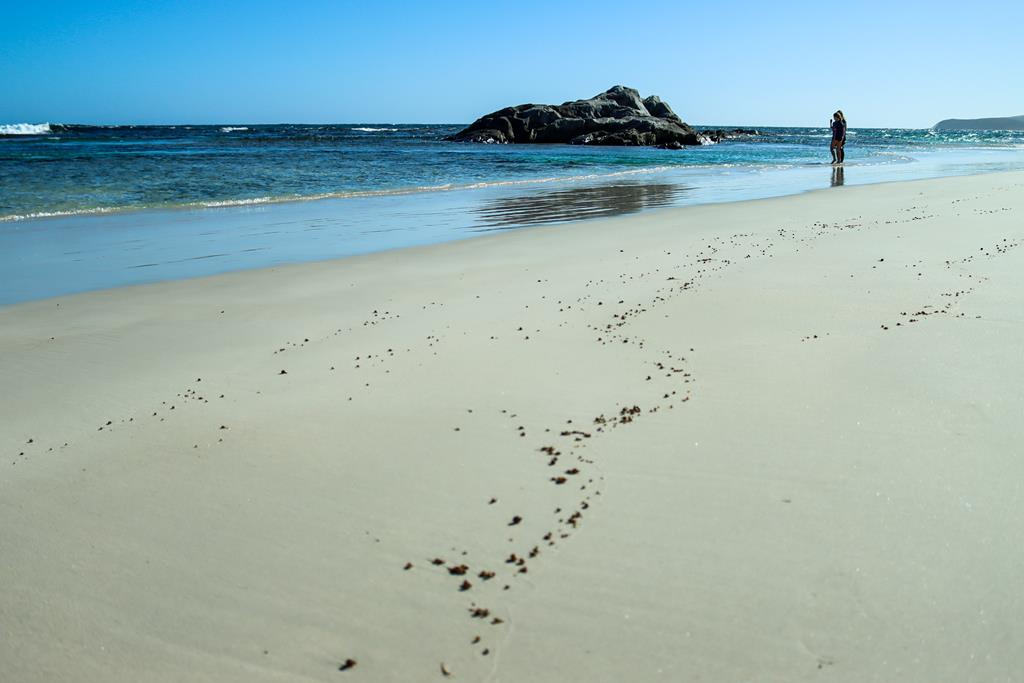
The sun rises early in December, and so do we. Capturing the sun rays playing with the ocean waves is an adventure by itself. There are also some interesting tracks and foot prints to observe and identify. At 6am nature and people at Boat Harbour are fully awake and engaged in walking their dogs, driving on the beach or marvelling at the beauty of nature around, like myself.
Early morning at Boat Harbour
Everyone loves to walk (and drive) on the beach – dogs, birds, cars, buggies, people, lizards (?)…
Everyone loves to walk on the beach…
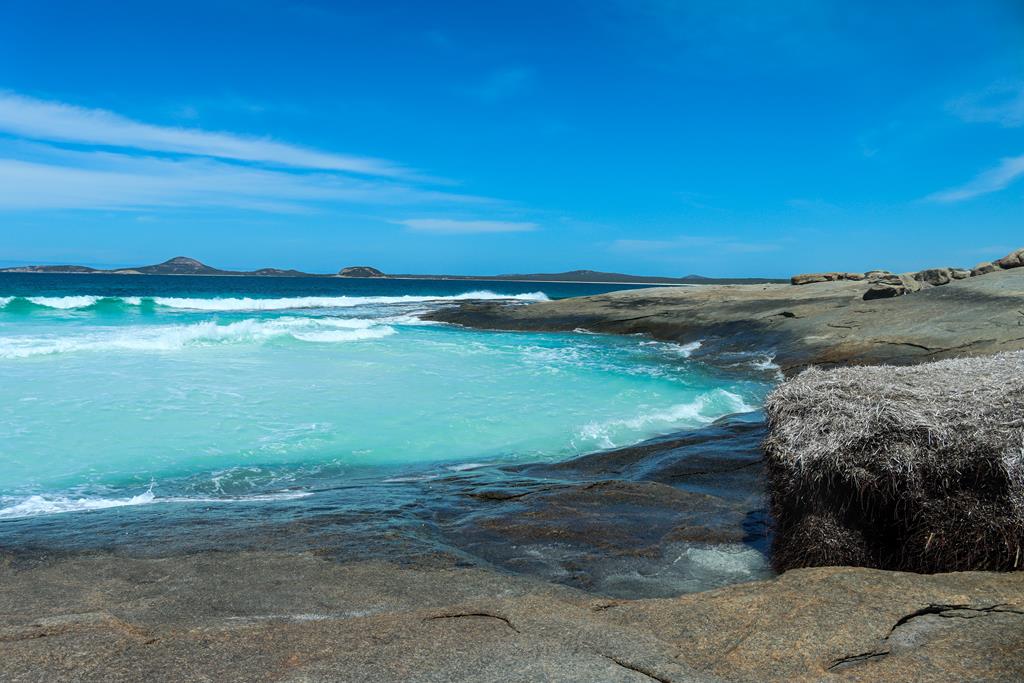
The beach at Boat Harbour offers a variety of features – inlet, rocky side, sandy side, 4WD tracks.This is the rocky side of Boat Harbour which we explored on the last day of our stay. It turned out to be a very picturesque place with some rocks, big and small, rock pools and rather large wave splashes.
Rocky side of Boat Harbour beach
Kids’ entertainments
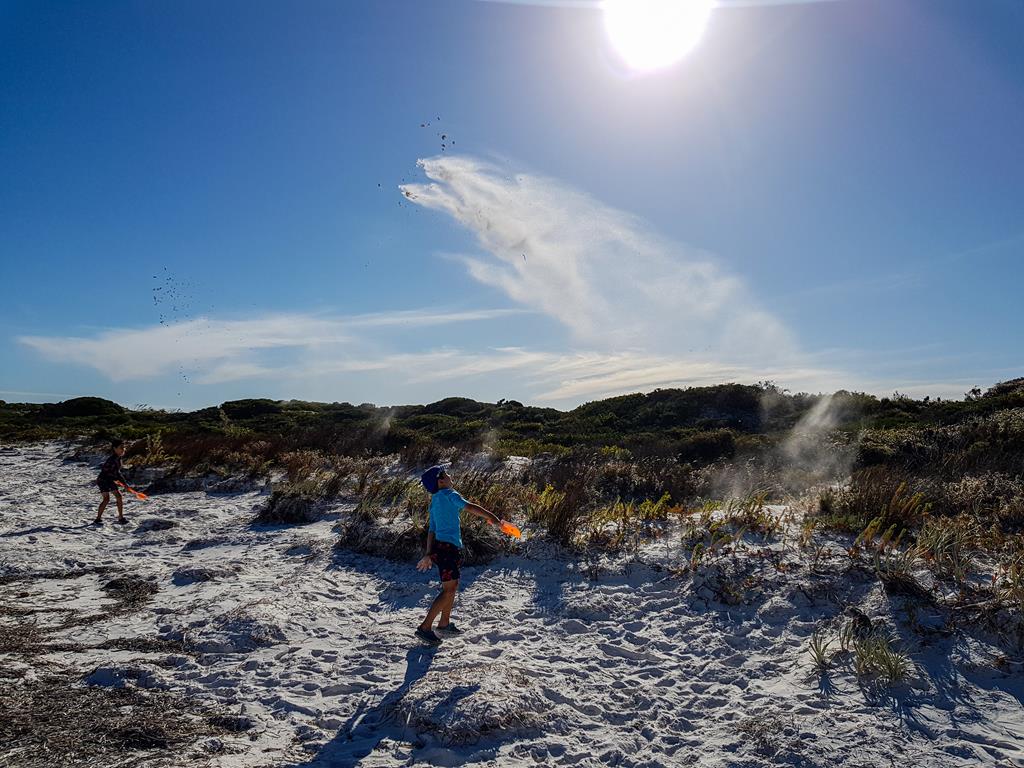
Playing with sand is the main entertainment for our kids when we camp on the beach – whether it is building sand castles, digging sand, running down the slopes, throwing the sand up in the air or climbing up the sand dunes. They can’t get enough of all the numerous sand games they engage and are always inventing something new!
And when you can’t wait to go to the beach to play with the sand, the dirt will do too! 😊
Hiking up the hill
On the last day of the last year the weather was overcast and cooling. It was a perfect time to go hiking. Dressed and equipped with drinks and cameras off we went. Initially the sun was shining but it quickly gave way to drizzle coming from the ocean. It was time to put on jackets and rain coats… and continue the journey. With only a drizzle (although there were huge dark clouds over the ocean) we managed to continue our hike up the hill along the Boat Harbour beach. Beautiful vistas opened up from the hill.
GViews of the Boat Harbour in the middle of the rain
Closer in front of us we noticed some interesting things – wildflowers and their leaves being were eaten by ants and large families of caterpillars, sticking together or sometimes pilling one on top of the other, all chewing the same leave enthusiastically (Gross!!!)
Gross!!!!
Huntsman spider
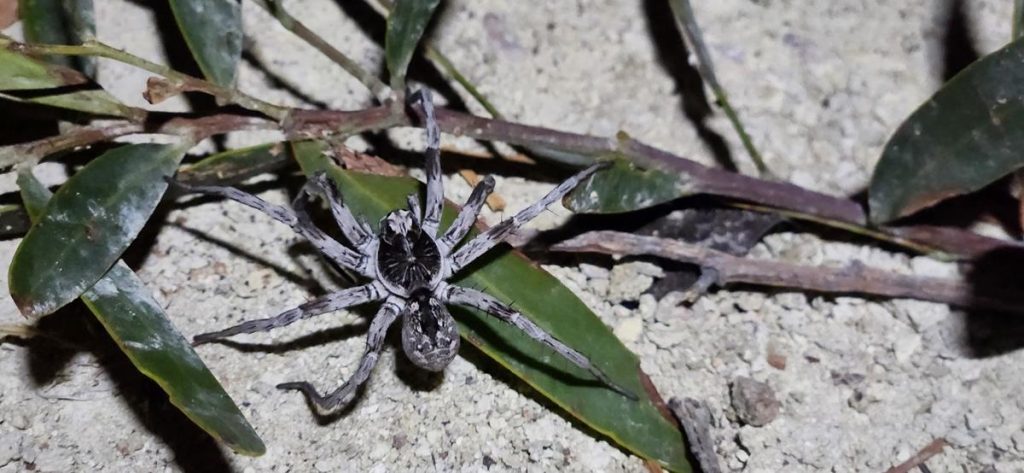
We have heard about huntsman spiders (so common in Australia), but it was a first time we had the pleasure of such a close encounter with one. They are sometimes called giant crab spiders because of their size and appearance. They are huge. Really huge. The one that we saw was about 15cm including their leg span but they can even be larger than that. They are different from normal spiders, first because their legs are splayed out to the sides, similar to those of crabs. Secondly, unlike most crabs, huntsman spiders do not build webs to catch their prey, instead they hunt for their prey. Luckily, these spiders, although they can bite), are not deadly to humans.
Huntsman spider on the water tank at Boat Harbour
The beach offers such an opportunity to watch sun rising and setting. While we missed the sunrise (the sun rises too early in summer! :), we watched the sunset. The colours of the sky were magnificent!
The colours of the sunset
We ended up staying 5 nights at this place, deciding not to risk our chance of finding a camp spot as good as this one somewhere else during the New Year holidays, and we were not disappointed. In fact, we were leaving the place with sadness, as we grew so used to the constant roaring sound of the ocean nearby, the sound of vehicles passing by and seeing Trevor, the larrikin, with his beer every day coming over to check on people and the place. This is one place we will always remember and will definitely come back.
Elachbutting Rock is one of the more popular rocks in Eastern Wheatbelt. It is located 70 km northeast of Mukinbudin, (the nearest town). While not as big as WaveRock, it is still quite big and has features similar to Wave Rock.
The name Elachbutting means “big thing standing” for its sheer size, making it a prominent landmark with sweeping views from the top.
Campground
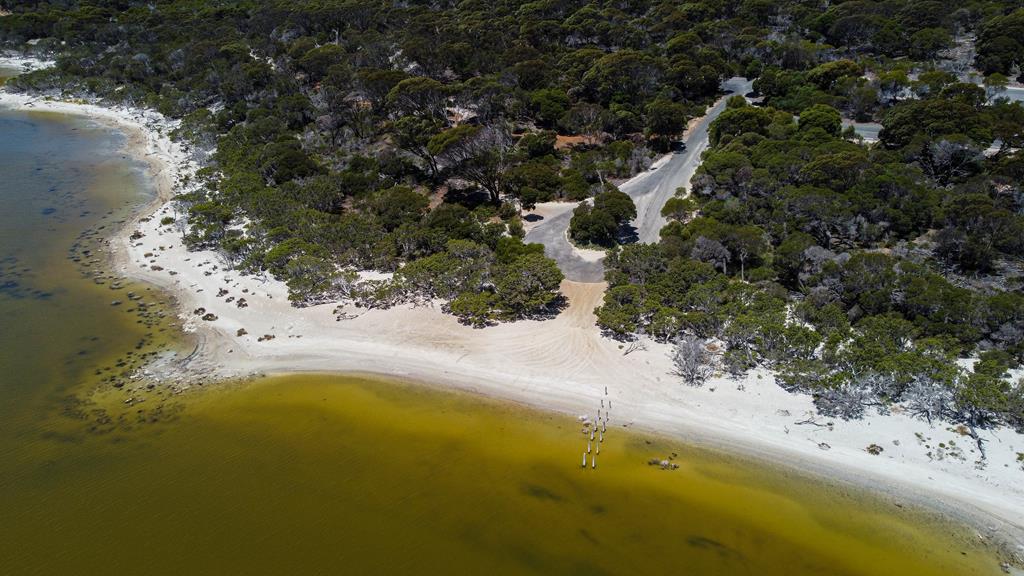
There is a large picnic and free camping area (suitable for at least 50-60 vehicles) with toilet and picnic tables.
The view of the camping area from Elachbutting Rock
Not far away from the camping area, there is an old well established by early settlers to provide them with drinking water (which is not drinkable now).
The gravel track around the rock is 6km long (which shows how big the rock is) with the camp area on one side and the wave rock formations on the other side. Nearby is Monty’s Pass, a 30m tunnel, caused by a rockslide.
Monty’s Pass
Next to Monty’s Pass is King’s Cave. While the word Cave might be an exaggeration, as it looks more like a hollow, King’s Cave is said to be acoustic, providing good echoes. In any case, it is a fun place to visit, especially for kids.
King’s Cave at Elachbutting Rock
Flora and fauna
Elachbutting Rock is surrounded by Elachbutting Nature reserve, which means it is home to many birds and wildflowers.
Brunonia australis Native CornflowerFringed lily Thysanotus manglesianusGrey ShrikethrushHalgania speciesLobelia winfridae Lots of galahsMaireana CarnosaSantalum AcuminatumSolanum SisymbriifoliumWestern Yellow RobinFlora and fauna at Elachbutting Reserve
Elachbutting Rock 4WDriving and climbing
We climbed onto Elachbutting Rock and we drove onto it (part of it using a 4WD only track). The views from the top of the rock give you a perspective of the vastness of the land, and you can marvel at the patterns and the colours of nature, the shapes and the lines that form a sophisticated and beautiful puzzle.
From the top of Elachbutting Rock
Kids found their own entertainment on top of the rock – walking on stones inside a small puddle.
A puddle on the rock
The Elachbutting granite outcrop (or part of it) provides an interesting background when taking pictures of a night sky, with millions of stars rising up above horizon.
Salt lakes are a great natural wonder in the Wheatbelt. When there is a lot of rainfall, the salt lakes become fully alive with many of lying dormant seeds and eggs waking up to the right conditions. In dryer seasons, many salt lakes dry up and harden so much that you can walk on their surface. There is so much salt in them, that the dry salt resembles ice and for someone who has never seen ice, it is a real delight. Lake Brown is one such place of wonder. Kids had a lot of fun walking on the salty crust and playing with it. While I was busy photographing beautiful landscape.
Atriplex holocarpaLake Brown
Lake Brown and Eaglestone Rock overlooking it are located 20km north east of Nungarin in the Wheatbelt region of WA and are accessed viaLake Brown South Road.We did not camp there, as we only stopped to check out this place and saw a few caravans and vans there. It did look like a fantastic spot for exploration, as well as camping, especially in the cooler months. This place will be our next adventure in the near future!
Beringbooding Rock, 65km north east of Mukinbudin in the Eastern Wheatbelt is an interesting place to visit. It is known for having the largest rock water catchment tank in Australia. Built in 1937, the water tank holds over two million gallons of water. There is a low wall around the perimeter of mostly flat rock that catches rain water and directs it to the tank.
The largest water catchment tank in Australia
Apart from this water tank, there are other interesting things to see along 2.3km circuit route around and over the rock. I found the sight of an enormous balancing boulder very fascinating.
Balancing Boulder at Beringbooding Rock
While I was busy taking pictures of the boulder, our kids spent time near the tall cairn. The youngest, Ilusha said that everyone who passed by, put a small rock to add to this tower. Logical thinking!
Cairn
Among other attractions, there are some smaller rocky outcrops, a cave, a gnamma hole (natural water hole) and beautiful views of the surrounding country from the top of the rock. The walk over the rock is relatively easy. Shire of Mukinbudin has also provided picnic and free camping facilities with tables and flushing (!) toilet at the base of the rock.
Billiburning Rock was our favourite out of the 4 rocks in Wheatbelt area that we visited during our 9 day holiday through the Wildflower Country and Wheatbelt. Being 35km north of Beacon (the closest town), it is a bit out of the way and thus less popular than other rocks. We were happy to have a lot of space for ourselves with fantastic views.
Camping
The view of the campground from Billiburning Rock
Billiburning Reserve has 3 camping sites, located at the base of the Billiburning Rock. The first one (Gecko Grounds) is an open space, suitable for large vans and caravans. To get to the second (Echidna Expanse) and third ones (Kangaroo Corner), you would need to drive around the rock, crossing a small section of the rock (10 meter section).
Driving to our camping spot
Each of the other two sites are rather small, enough for 4-5 campers each, offering the views of the rock on the left and the views of the bush with abundant wildflowers on the right. There is a drop toilet and a water tank next to it with non-drinking water between sites 2 and 3.
We stopped at Echindna Expanse site (number 2) which we shared with another camper for the first night and had it all to ourselves for the second night. The place being so serene, pristine and inviting that we did stay 2 nights there.
Enjoying our time at Billiburning Rock during the day and night
We climbed over the rock to take the pictures of the sunrise.
Sunrise viewed from Billiburning Rock
Then we climbed it again during the day. Later we marvelled at the way the rock looked when the setting sun was casting its last rays onto it, making the colours of the rock look warm and orange. When the sun set, the colours turned cold and blue.
Billiburning Rock at sunset
Flora and fauna
Billiburning Reserve is home to many wildflowers.
Arthropodium dyeriBrunonia australis Native CornflowerOrange immortelle Waitzia acuminataEremophilaMaireana georgeiSchoenia cassinianaPodolepsis aristataRhynchium wasp and Mulla MullaPtilotus gaudichaudii
It is a great spot to observe wildlife.
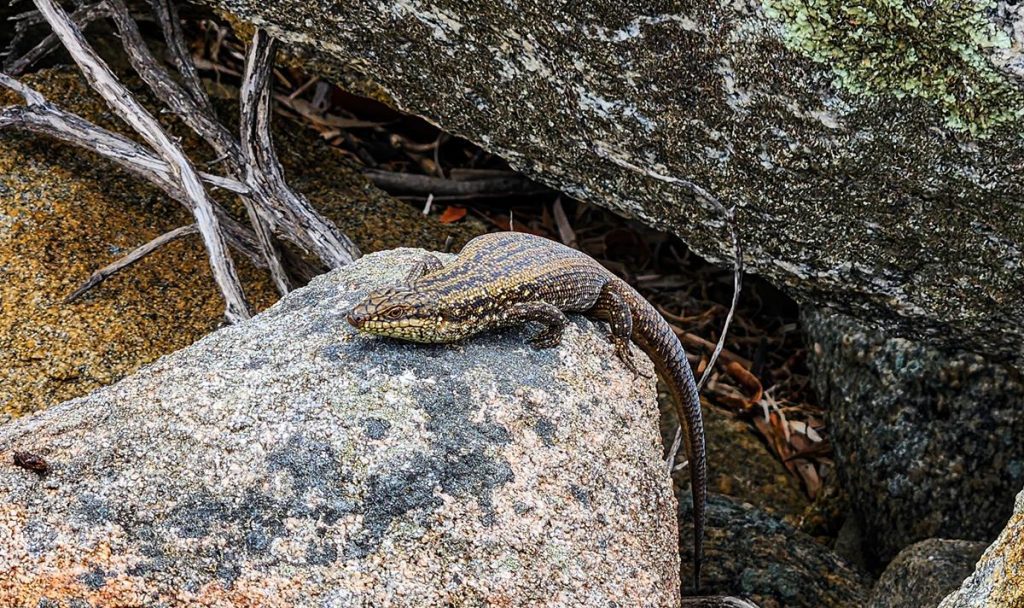
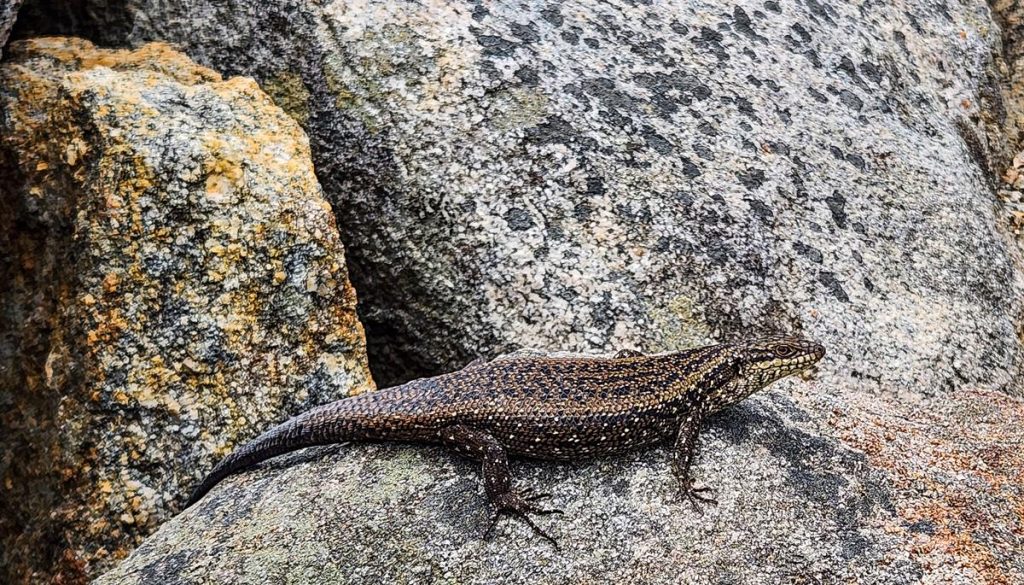
Australian ringneckBlack headed monitor
And of course, no camping experience is complete without a campfire under the stars!
Millions of stars and the Milky Way is what you see in the outback at night.
Can you find wildflowers along the road as you drive in the Wheatbelt? Yes! Sometimes there is no need to go and look for wildflowers specifically. As we drove from one rock to another in the Wheatbelt, we stopped frequently, each time spotting some wonderful and unusual wildflowers. Below is just a small selection of the wildflowers we have seen.
To provide the best experiences, we use technologies like cookies to store and/or access device information. Consenting to these technologies will allow us to process data such as browsing behavior or unique IDs on this site. Not consenting or withdrawing consent, may adversely affect certain features and functions.
Functional
Always active
The technical storage or access is strictly necessary for the legitimate purpose of enabling the use of a specific service explicitly requested by the subscriber or user, or for the sole purpose of carrying out the transmission of a communication over an electronic communications network.
Preferences
The technical storage or access is necessary for the legitimate purpose of storing preferences that are not requested by the subscriber or user.
Statistics
The technical storage or access that is used exclusively for statistical purposes.The technical storage or access that is used exclusively for anonymous statistical purposes. Without a subpoena, voluntary compliance on the part of your Internet Service Provider, or additional records from a third party, information stored or retrieved for this purpose alone cannot usually be used to identify you.
Marketing
The technical storage or access is required to create user profiles to send advertising, or to track the user on a website or across several websites for similar marketing purposes.