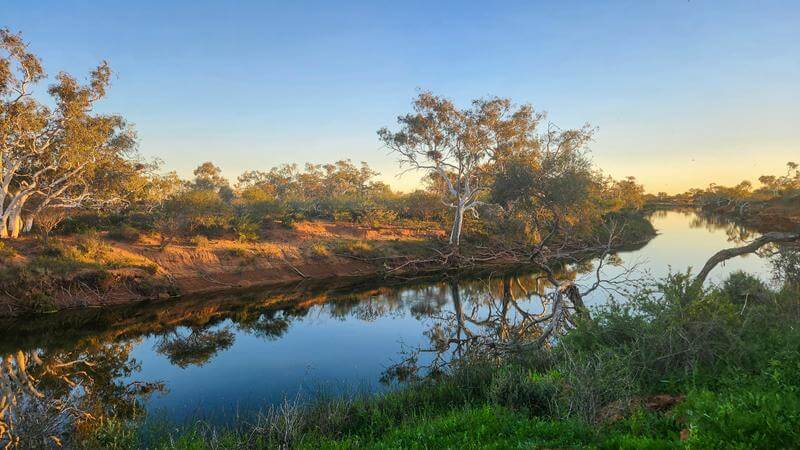
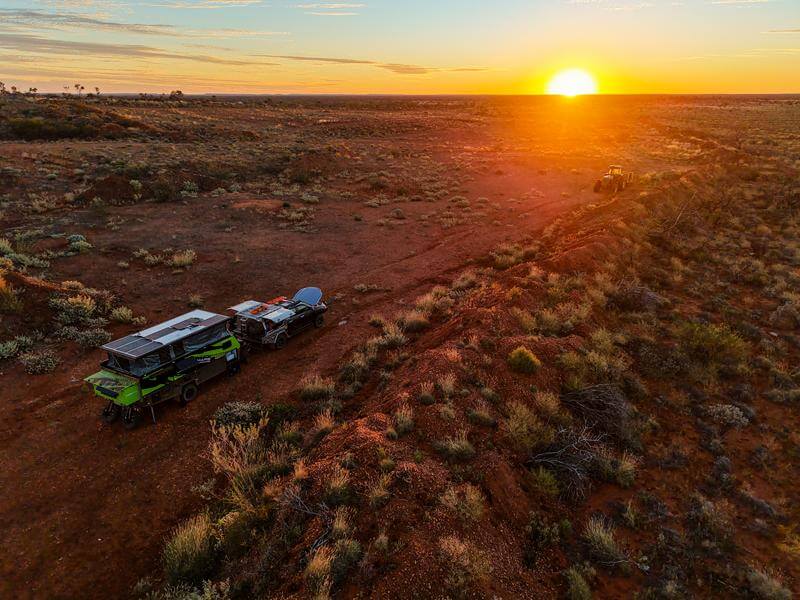
The Wool Wagon Pathway is an iconic self‑drive heritage route in Western Australia. Beginning in Geraldton, it travels inland through the Murchison and Gascoyne regions before reaching the northwest near Exmouth. The route follows the old stock trails once used to move wool from remote pastoral stations to the coast. Today, it offers a quiet journey through red‑earth landscapes, wide horizons and long, uninterrupted stretches of road.
What to expect
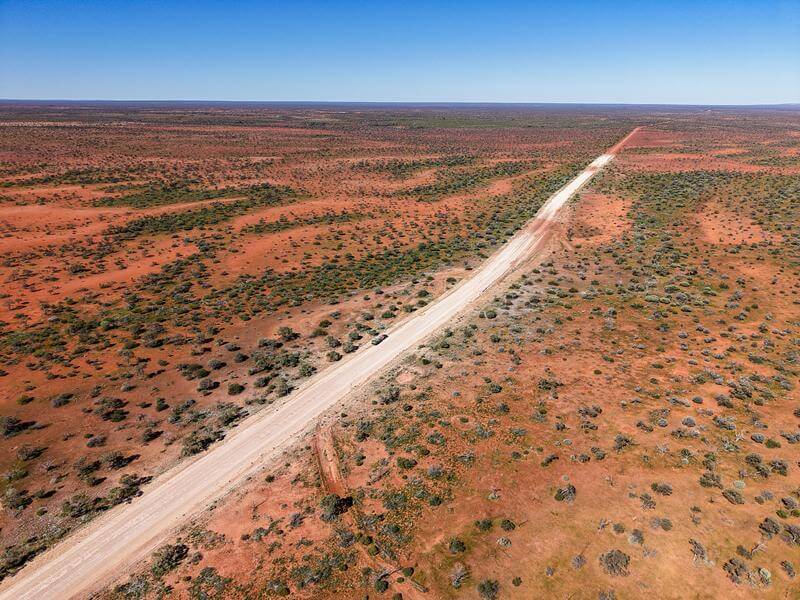
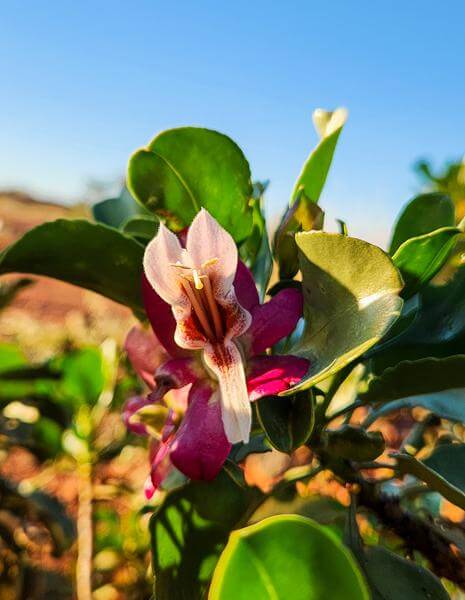
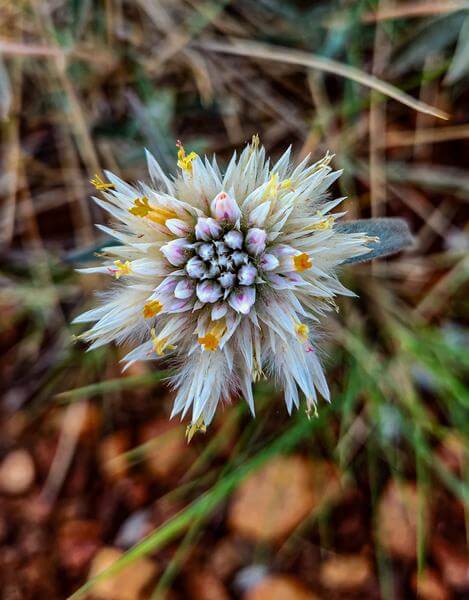
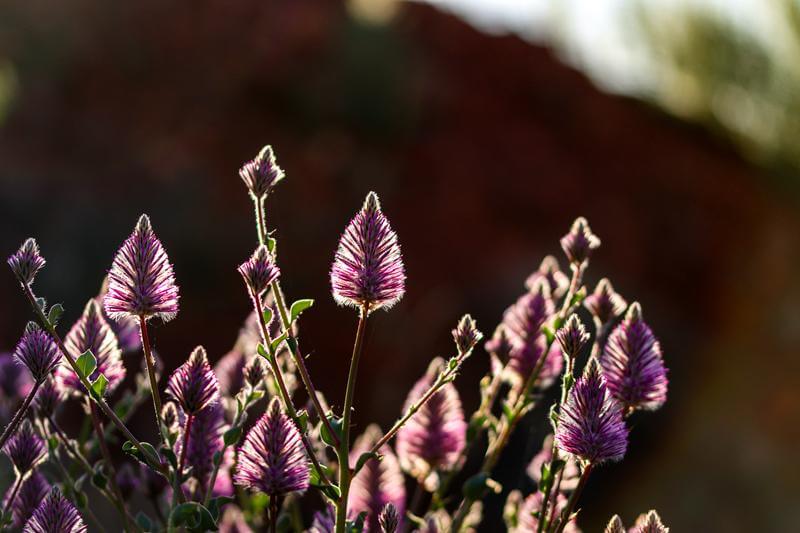
Along the way you’ll pass breakaway formations, dry riverbeds and vast open plains. From late winter into spring, seasonal wildflowers brighten the drive, with the wreath flowers near Pindar being a standout.
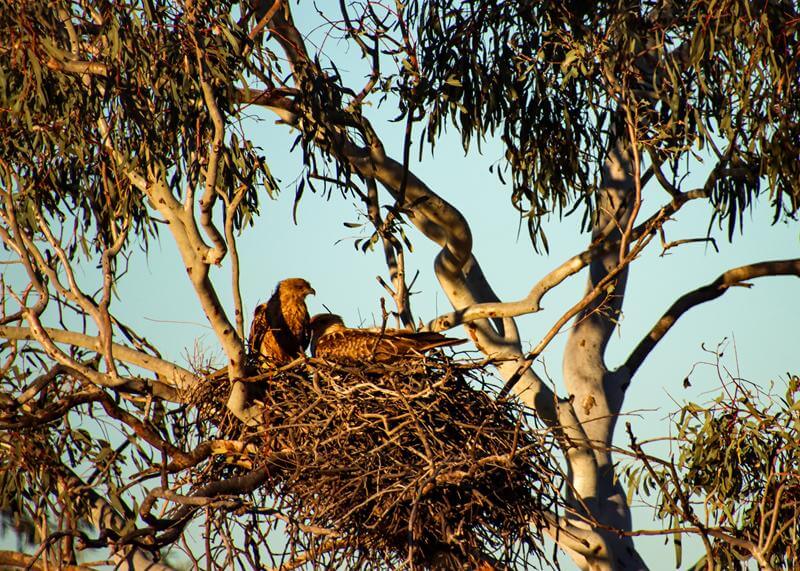
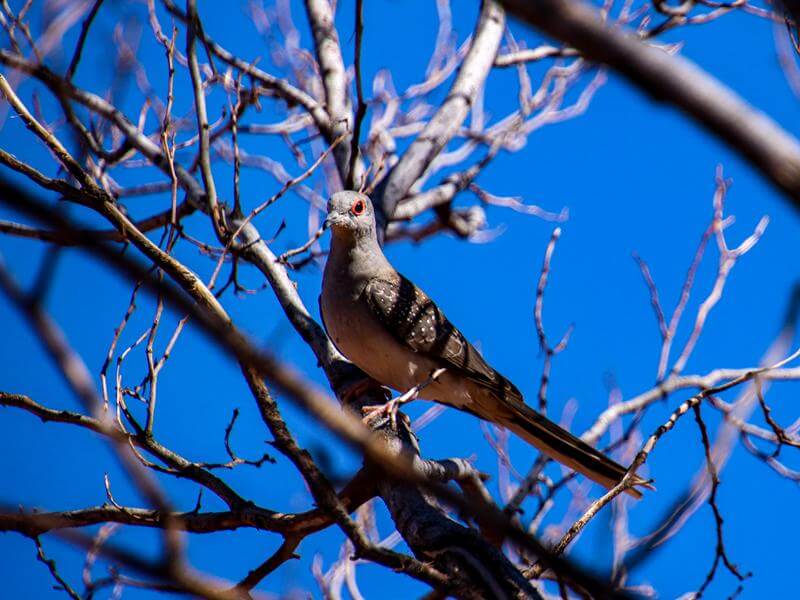
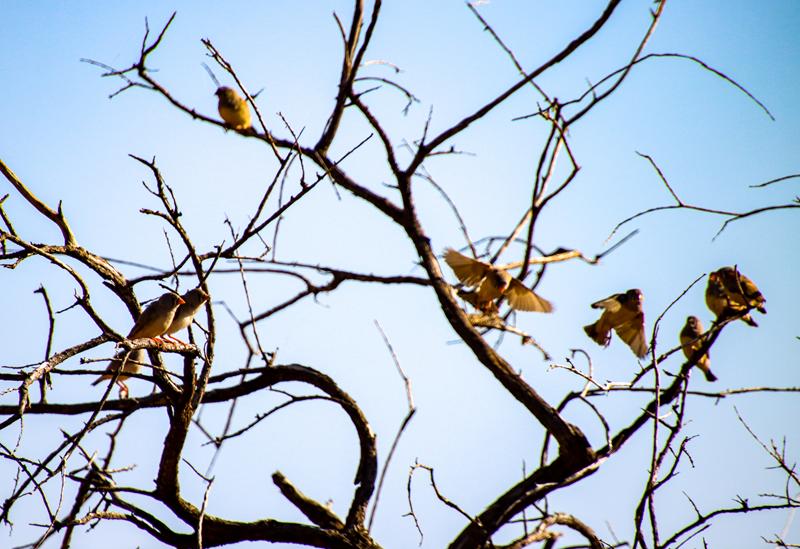
Bird lovers will enjoy spotting flocks of finches, robins and diamond doves across the open country.
Facilities and services
Towns are small and widely spaced, so planning ahead for food and fuel is essential. Our fuel stops were Gascoyne Junction, Murchison Settlement and Mullewa. Potable water is available at Gascoyne Junction. We relied on our own food supplies for most of the trip. A quick stop in Mullewa confirmed that shop options can be extremely limited.
Where to stay
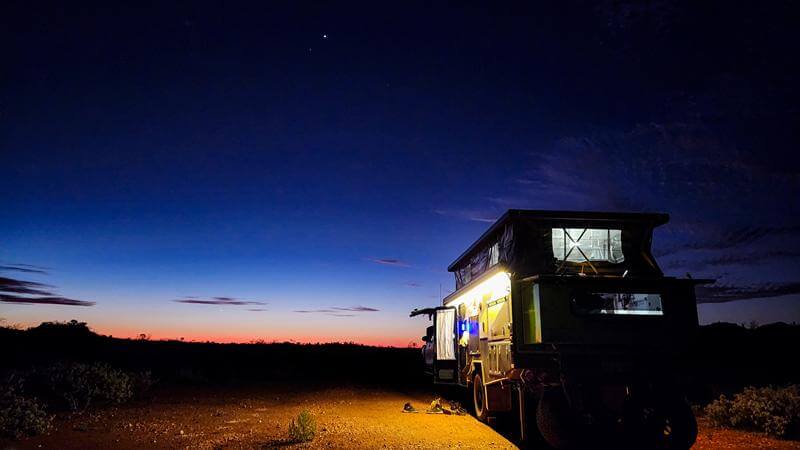
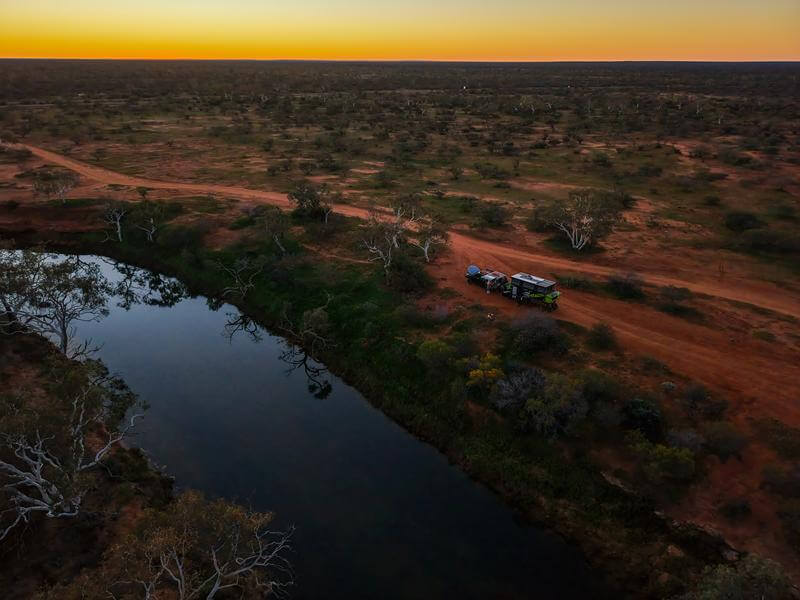
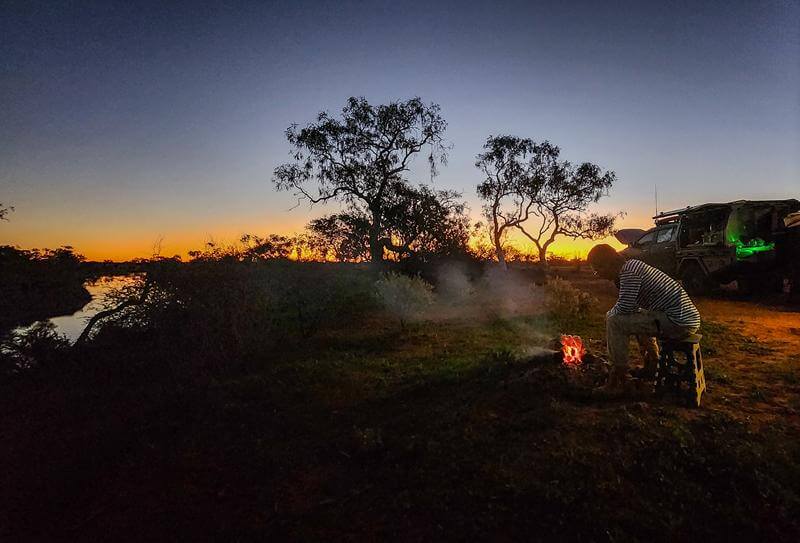
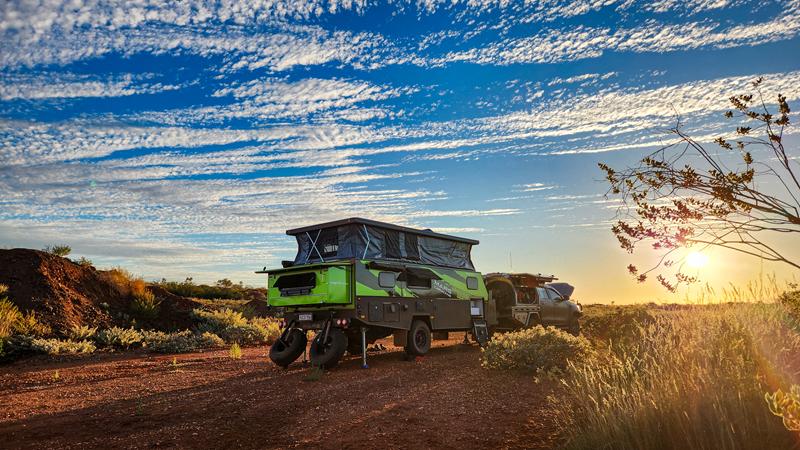
Station stays and caravan parks are available along the pathway. Being self‑sufficient, we prefer quiet bush locations, and whenever we find a suitable spot, that becomes home for the night.
Who this drive suits
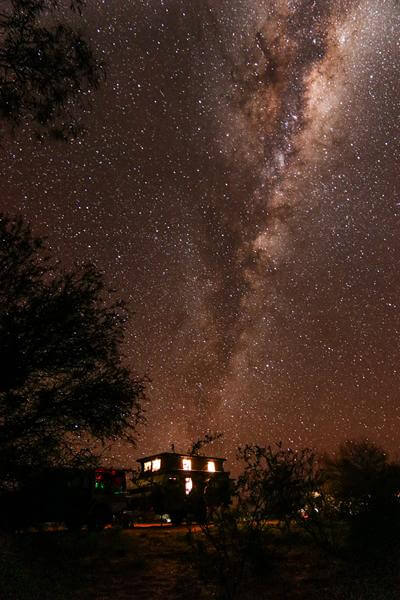
If you’re a social traveller who enjoys meeting people and visiting numerous attractions, this may not be the route for you. With small settlements, minimal traffic and expansive night skies, the Wool Wagon Pathway offers a slow, spacious experience of the outback. The real outback can be harsh and unforgiving, yet deeply soothing, beautiful and soul‑enriching — and that’s exactly why we love it.
Highlights along Wool Wagon Pathway
There are several interpretive sites scattered along the pathway. We didn’t stop at all of them, choosing only those that interested us. We previously travelled the Carnarvon–Mullewa Road in 2022 when visiting the Kennedy Ranges and Mount Augustus. The Kennedy Ranges are a major highlight and well worth a few days of exploration. The Carnarvon–Mullewa Road, which forms part of the Wool Wagon Pathway, includes places such as Bilung Pool, the Greenough River Gorges and Ballinyoo Bridge. At the southern end, Geraldton is a destination in its own right, with Ellendale Pool being a lovely stop. At the northern end, Exmouth offers an abundance of activities and natural attractions.