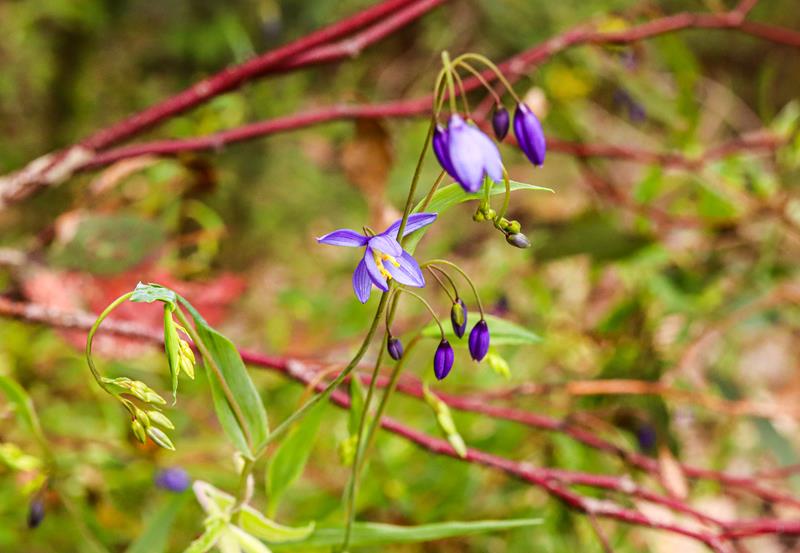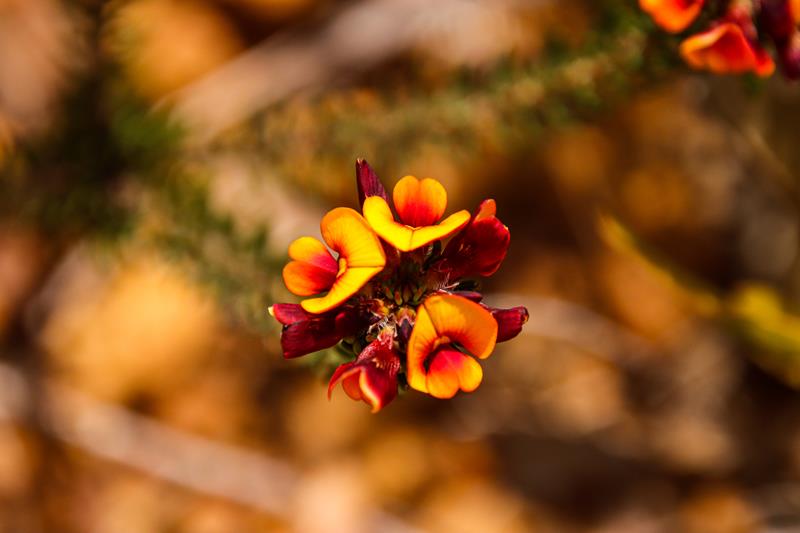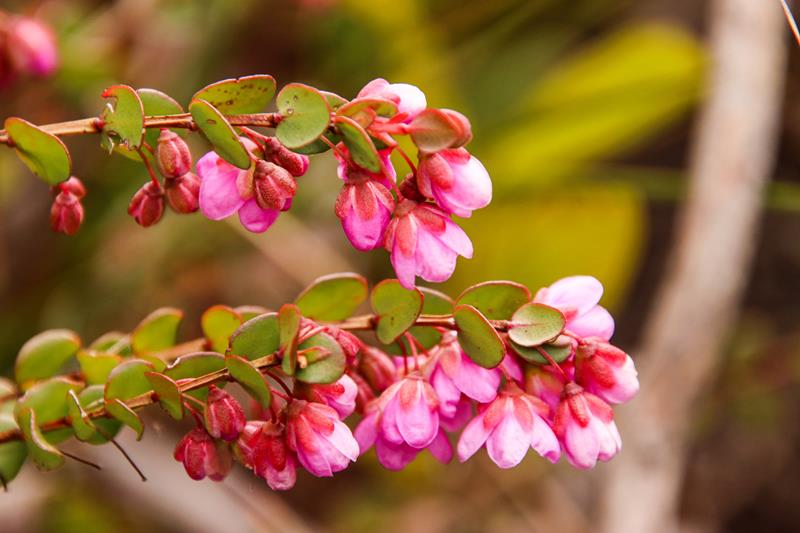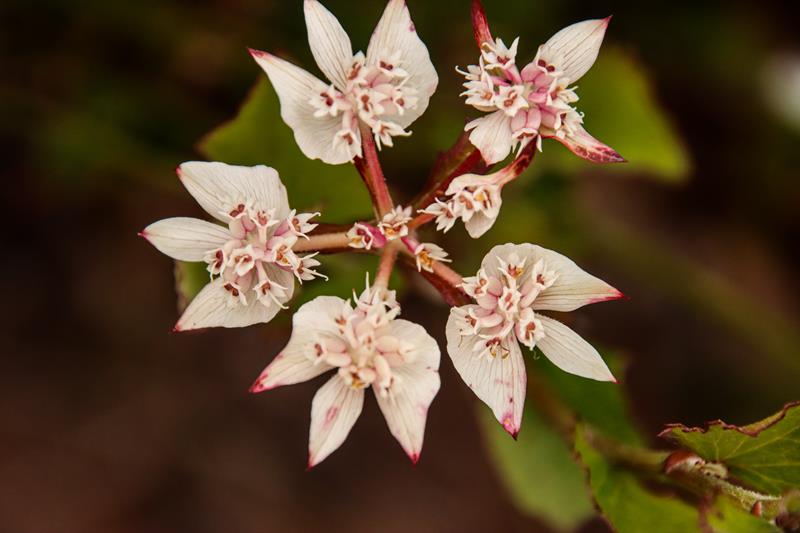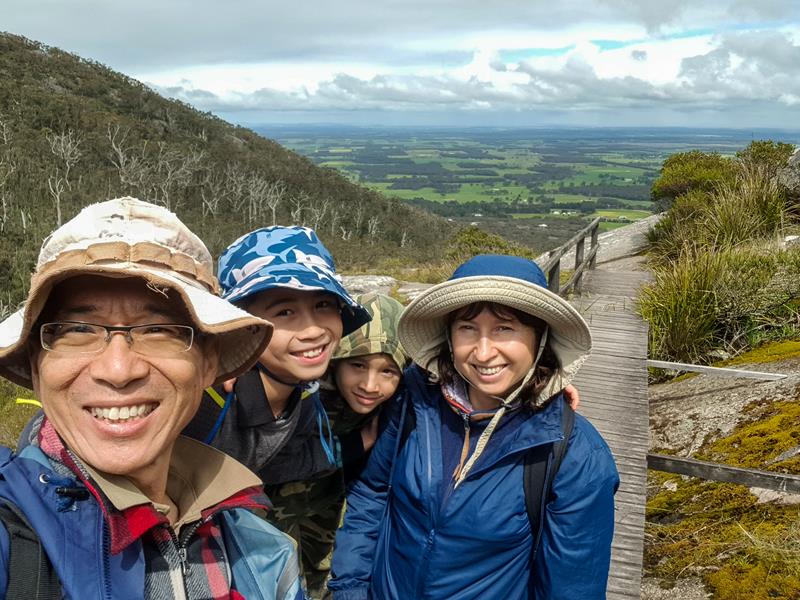
We are a family of four and are nuts about traveling. Our name reflects this! We love sharing the joy and love of traveling and adventure! Let's the fun begin!
Kimberley fauna is unique, diverse and fascinating. The first thing that comes to mind when talking about fauna of Kimberley is crocodiles! There is no surprise. There are plenty of them in Kimberley and they can be extremely dangerous to humans.
Crocodiles
There are two types of crocodiles found in Australia (and both are in Kimberley) – saltwater or estuarine crocodiles and freshwater or Johnston’s river crocodiles. Saltwater crocodiles are big (up to 7 meters long) and are dangerous to humans and we’ve only seen from the far distance (at El Questro). Contrary to their name, they live in fresh waters too, up to 200km away from the coast and can attack in less than a second.
Saltwater crocodile seen from Branko’s Lookout at El Questro
Fresh waters crocodiles are much smaller (not more than 3 meters long), have smaller teeth and narrow snout. They live in creeks, rivers, billabongs and are often seen sunbathing on the shore. While they are non-aggressive, they can bite if disturbed, so it is still safer to admire them from a distance.
Lake Argyle is home to an estimated 30,000 fresh water crocodiles (and yes, you can still swim there – we did!). So, that is another place to see them and taking a cruise is the best way to see crocodiles (and many other interesting animals and birds).
Among other interesting creatures that we saw in Kimberley were olive python, rock wallabies and sugar glider.
Kimberley Fauna – more than crocodiles
Olive pythons are the second-largest Python species in Australia. They can grow up to 3.5 meters long and the sub-species in Pilbara region can grow up to 5 meters long (we saw one rather large olive python in Millstream Chichester NP). Olive pythons are found in northern parts of Australia. They can often be seen near creeks but also in woodlands, open forests and savannah. We were lucky to spot one in Silent Grove campground near the creek (Actually, we were shown the python by fellow travellers, for that we are very grateful).
Olive python
Sugar glider is a small nocturnal gliding possum, found in the northern parts of Australia in eucalyptus woodlands. It feeds on gum and the sap of eucalyptus trees. This little cute Sugar Glider was on the Eucalyptus next to our camping spot in Silent Grove campground. We were lucky enough to watch it feeding on the nectar of the Eucalyptus tree flowers for 2 days we spent there (although not lucky enough to see it flying).
Rock wallabies are yet another type of unique animals we saw in Kimberley – in Lake Argyle. We took a morning cruise and were shown the whole colony of them, sunbathing on the rocks.
Birds of Kimberley
The Kimberley region, comprising 420,000 square kilometres has diverse landscape, ranging from rugged ranges, savannas and pristine coastlines. The diversity of the landscape means great variety of the birds.
Australian Pelican (Left: Lake Argyle, right – Roebuck Bay)
Pied Heron near Lake ArgyleGreat Egret at Lake ArgyleBrown Goshawk, Hann River, Gibb River RoadBlack-fronted Dotterel, Windjana Gorge, the Gibb River RoadDouble-barred Finch Silent Grove, the Gibb River RoadGreat Bowerbird Silent Grove, the Gibb River RoadLittle Corella. Silent Grove, the Gibb River RoadWhite-faced Heron, Galvans Gorge, the Gibb River RoadYellow-tinted Honeyeater. Pentecost River, The Gibb River Road
Red-tailed Black-Cockatoo, the Gibb River Road
Zebra finch, Purnululu NPBudgerigar, Purnululu NP
Whistling Kite, Purnululu NP (above)
Masked Lapwing, 80 Mile Beach (above)
Black Falcon, DerbyRed Kite, Roebuck Bay
Grey Butcherbird, Stanley 24 hour rest area, 80 Mile Beach, West Kimberley (above)
Crested pigeon (right) and Grey Butcherbird (left), Stanley 24 hour rest area, 80 Mile Beach
Purnululu NP (Bungle Bungles) in Eastern Kimberley is one of 4 in Western Australia World Heritage sites. It is listed for its incredible natural beauty and outstanding geological value. Purnululu means “sandstone” in Aboriginal language. It is an amazing place, which was on our bucket list for a long time. Finally, in 2022 we had a chance to visit it. We incorporated the visit there to our Gibb River Road trip.
Driving in Purnululu NP (Bungle Bungles) is an adventure in itself.
Southern walks
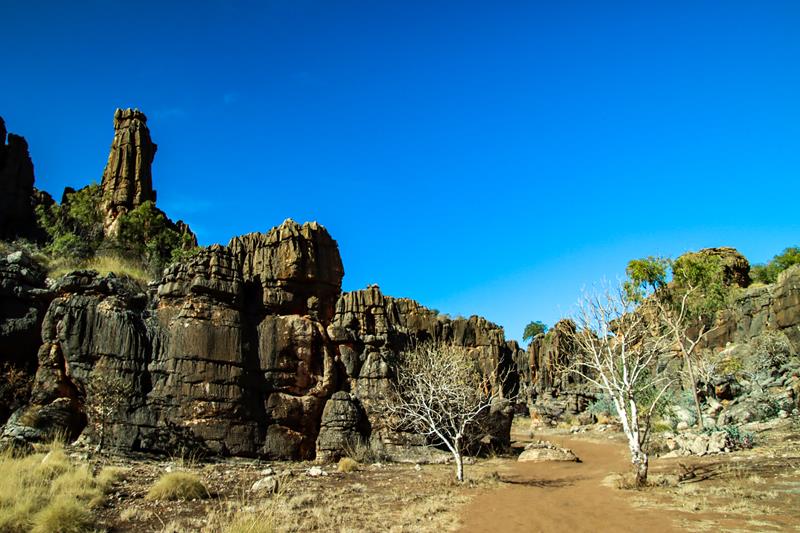
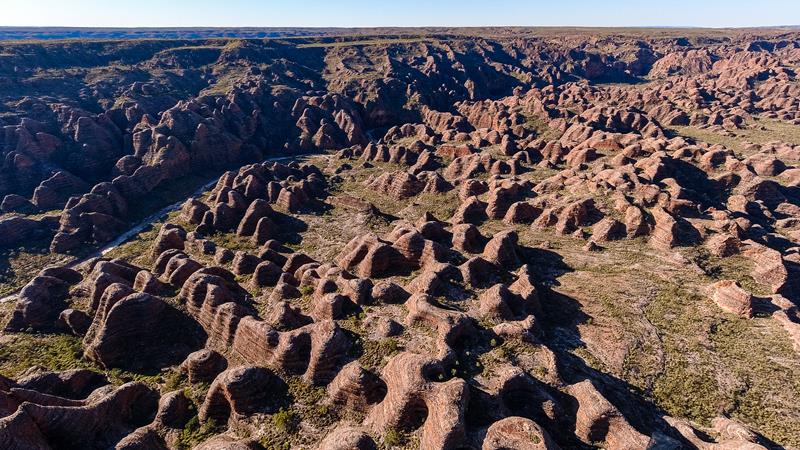
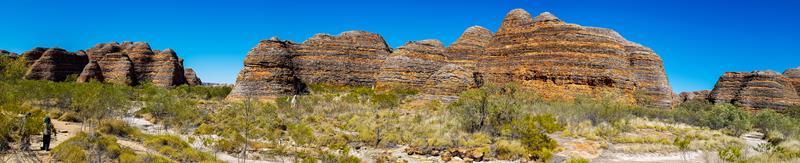
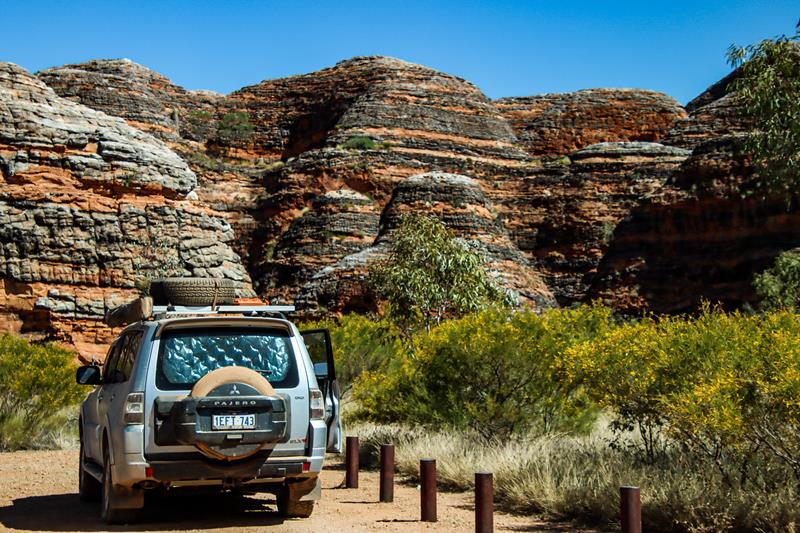
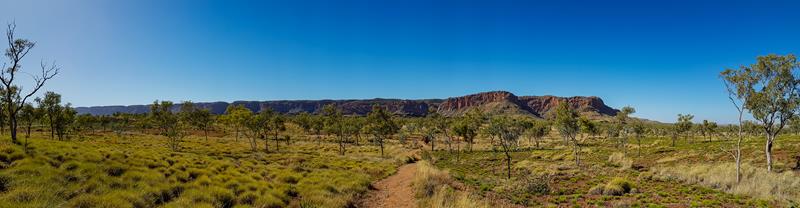
We spent 2 full days exploring the park. On the first day we explored the Southern part of the park, which is home to Bungle Bungle Range. This is where you can see amazing orange and black banded beehive-shaped domes. Some of which are as high as 250 meters and are believed to be 360 million years old. You can marvel at the beauty and amazing colours of the domes right from the Piccaninny Car Park.
Piccaninny Car Park
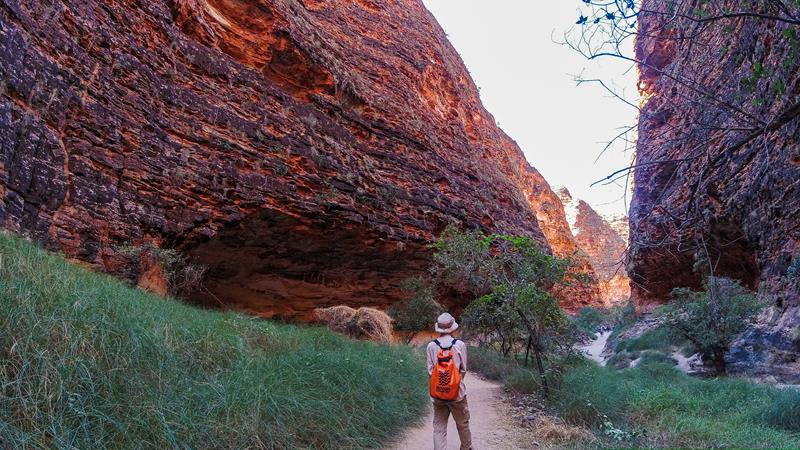
You can also go for a short walk around the domes to appreciate their incredible size, unique patterns and texture.
The size of the domes in comparison
The mystery behind the colours of the banding in the domes
The domes’ striking orange and black bands are caused by the presence or absence of the cyanobacteria. Dark bands indicate the presence of the cyanobacteria that form on the outer surface of the rock. This helps to slow down the erosion. The orange bands are oxidized iron compounds that have dried out too quickly for the cyanobacteria to grow.
Helicopter flight over the Bungle Bungle domes
To appreciate the size and beauty of the Bungle Bungle domes we took an afternoon helicopter flight over the range with HeliSpirit. It was a truly unforgettable and rewarding experience to see the whole range from the bird’s eye view and have a closer look at the surface of the range and domes.
Cathedral Gorge
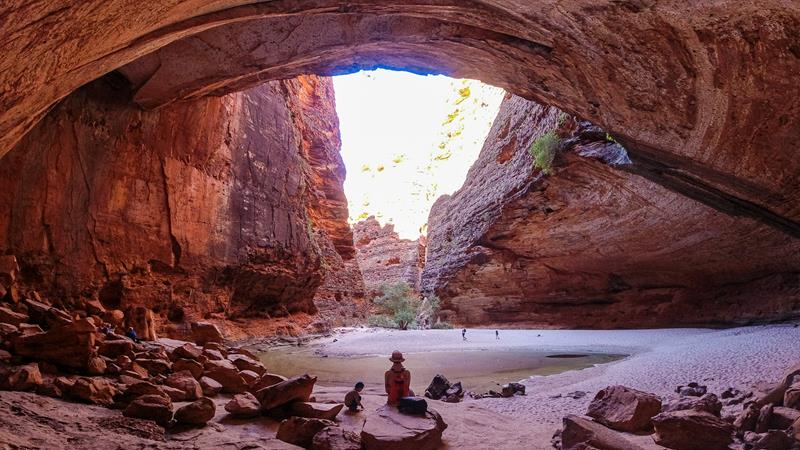
Part of the Bungle Bungle Range in Purnululu National Park is an incredible Cathedral Gorge. A moderate difficulty 2km return walk takes you through the domes, potholes, cliffs and honeycomb rocks to a natural amphitheatre which amplifies every sound and is such a delightful place to be, especially during warm sunny day, as it is very cooling inside.
Cathedral Gorge
Northern walks
Kungkalanayi Lookout
Kungkalanayi Lookout is an impressive lookout with 360-degree views of the surrounding land, including parts of the Bungle Bungle range. It is only a short (500 meters) walk from the carpark and a great stop on the way to see the gorges in the northern part of Purnululu National Park.
Echidna Chasm
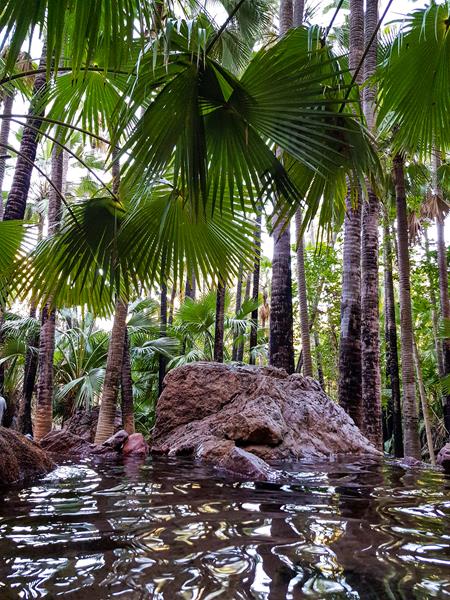
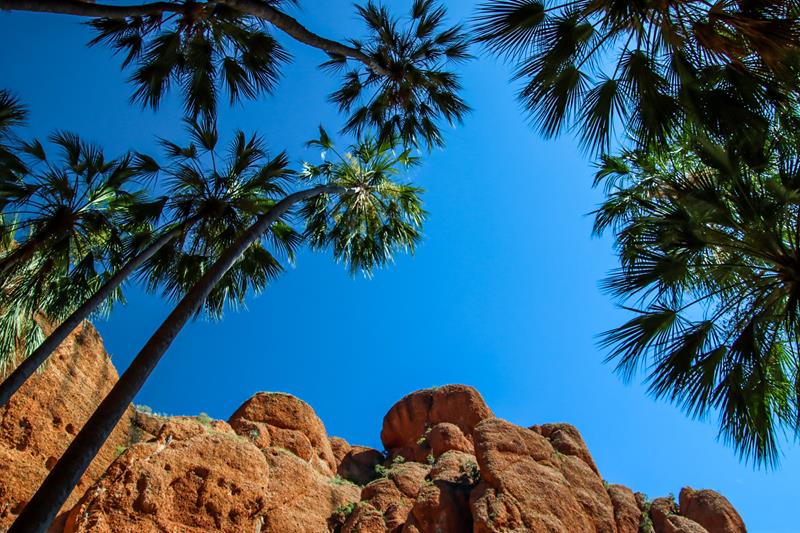
While the domes are the highlight and one reason for Purnululu’s World Heritage Site listing, Echidna Chasm gorge is the highlight of the northern part of Purnululu park and the second reason for its World Heritage listing. Starting as an easy walk through the gorge, lined with lush green Livistona palms against the striking orange colours of the sandstone, this beautiful trail takes you into 180-meter-deep chasm, cut knife-like into the sandstone.
The best time to be inside Echidna Chasm is between 11 and 12 o’clock when the sun is directly overhead and casts a ray of light deep inside the chasm. The sunlight reflected from the sandstone glows in the striking orange colour in a narrow chasm creating incredible visual effect of lava like pouring through the sky.
Staying at Purnululu National Park
There are many accomodation options at Purnululu NP, ranging from caravan park at the entrance for those who are not able or willing to take a challenging 53km long 4WD road to the park, to tour operated luxury tents, to DPAW managed bush camps within the park.
We stayed at Walardi campground, which is 12km drive from the visitor centre in the southern park of the park (The northern park has its own similar campground). Both campgrounds need to be booked online. There are toilets and non-drinking water at the campground.
The nights in July there were very cold.
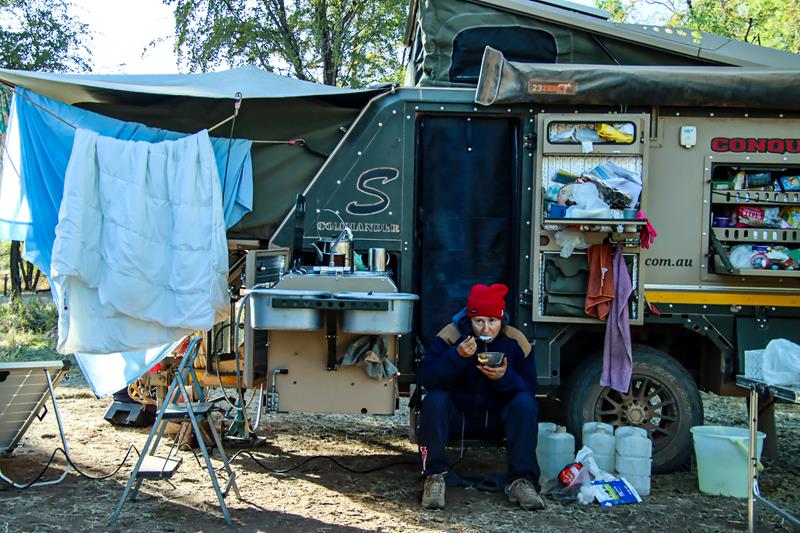
Breakfast in Walardi campground, Purnululu National Park.
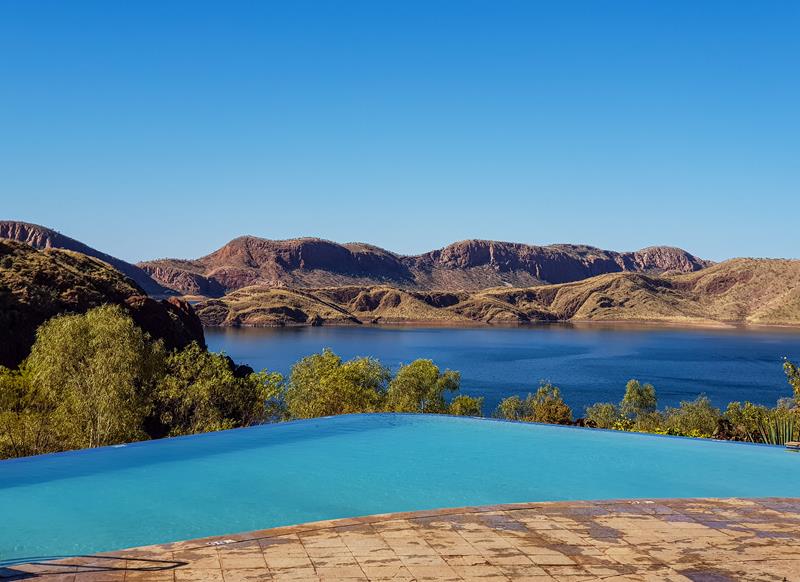
Lake Argyle, located 70km south of Kununurra in the Kimberley region in the north east is Western Australia’s largest and Australia’s second largest fresh water man-made lake. Holding as much water as 19 Sydney harbours, it has a surface of over 100 square km and more than 70 islands. The lake was created in 1973 by construction of a dam to direct the Ord River (once the fastest flowing river in Australia) which enabled development of the agricultural industry in the Ord Valley.
Famous 35-meter Infinity Pool at Lake Argyle Caravan Park, where we stayed
Wildlife and the speed boat cruise
Lake Argyle is home to an estimated 30,000 fresh water crocodiles (and yes, you can still swim there – we did!), 150,000 waterbirds, 26 species of fish and some unique animals, like rock wallabies.
Rock Wallabies
Fresh water crocodiles
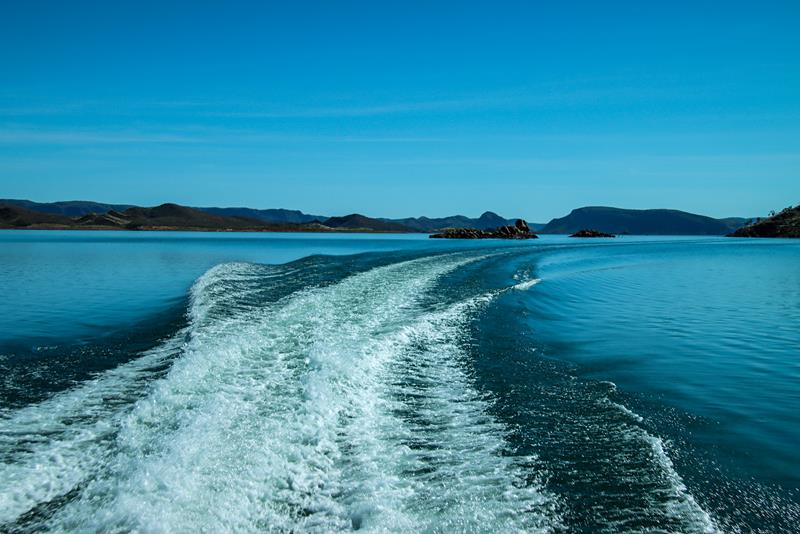
One of the best ways to see all these animals, birds and fishes is to take a cruise. During our 2-hour morning cruise on a speed boat we only covered 25% of the lake, which gave us an idea of just how vast the lake is.
Hikes and walks
Lake Argyle has some amazing walks, hikes and drives around it. Dead Horse Springs and Spillway Creek (4 and 10km respectively from the Caravan Park) were nice spots for watching birdlife.
Dead Horse Springs (below)
Great Egret (above left). Pied Heron (above right)
Spillway Creek (above)
Pannikin Bay Sunset Lookout (via a short but quite rocky 4WD only track) offered magnificent views of the lake. The changing colours of the lake and bushes were mesmerizing to watch.
If you are looking for a place to view Australian native wildflowers in Perth, Kings Park wildflowers will surely delight you. Kings Park is one of the world’s largest and most beautiful inner city parks. Two thirds of the 400 hectar park is a bushland with many easy walking trails to admire native flora and fauna. Kings Park is also home to the Western Australian Botanic Garden with over 3000 unique plant species on display. If you are looking for a place to see the wildflowers in Perth, Kings Park should definitely be the first on the list!
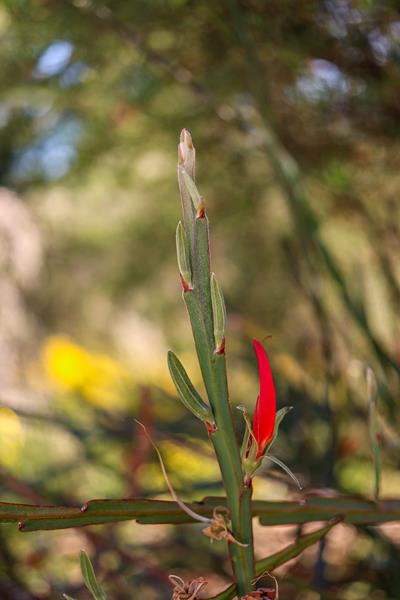
Kangaroo Paw
Kangaroo paws (Anigozanthos) are unique and distinct wildflowers. There are 11 species within the group. Red and green kangaroo paw is considered as floral emblem of Western Australian, because it is found naturally only in this state.
Red and green kangaroo paw (Anigozanthos manglesii) – left. Dwarf Green kangaroo paw – top right. Black kangaroo paw – bottom right.
Eucalyptus
Eucalyptus is a genus of more than 700 species of flowering trees and shrubs in the myrtle family, Myrtaceae.
Bookleaf Mallee Eucalyptus kruseana (above) is an attractive looking eucalyptus with highly decorative grey foliage, often used by florists due to unusual interesting shape of leaves. Bookleaf Mallee has small yellow flowers, appearing in winter and early spring.
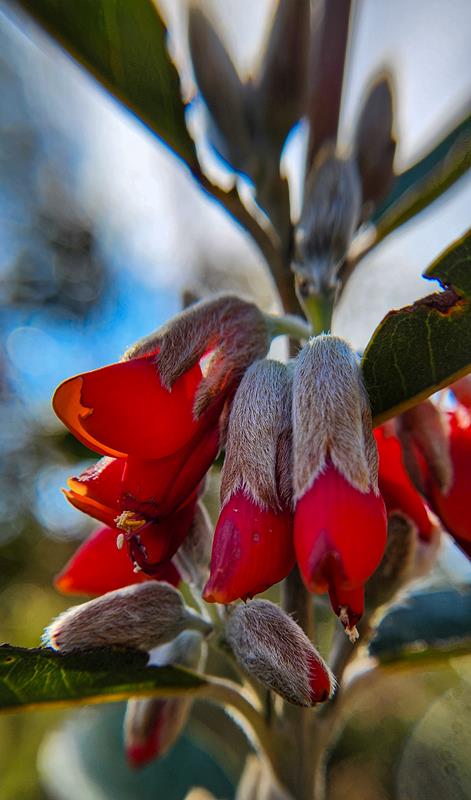
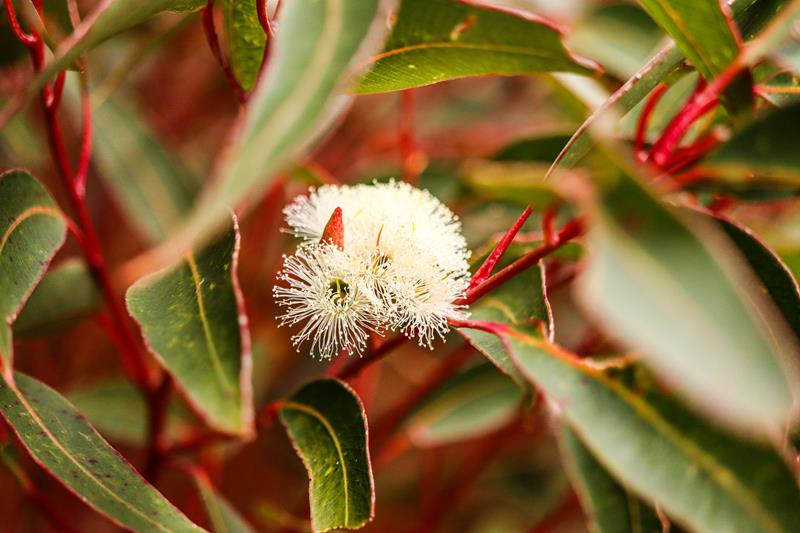
Eucalyptus macrocarpa (above) is one of the most fascinating and spectacular eucalyptuses due to its silvery leaves contrasting bright red and very big flowers. In fact, macrocarpa’s flowers are the largest flowers among all eucalyptuses and can reach up to 10cm in diameter. The buds are particularly interesting in different stages of opening. Flowering from late August to early summer.
Large-fruited Mallee Eucalyptus youngiana (above) has large flowers in red, yellow or cream colour. The gumnuts that the follow the flowers are quite interesting looking. This tree flowers July to December.
Eucalyptus rhodantha Rose Mallee (above) has large flowers up to 7cm in diameter, ranging from pink to brigh red colour, with some rare ones in cream colour. It generally flowers from July to January.
Kingsmill’s Mallee Eucalyptus kingsmillii (above) is another interesting eucalyptus. Its buds are quite distinct and they always occur in groups of 3. The flowers are mostly pinkish but can vary from red to pale yellow. Kingsmill’s Mallee flowers from April to September.
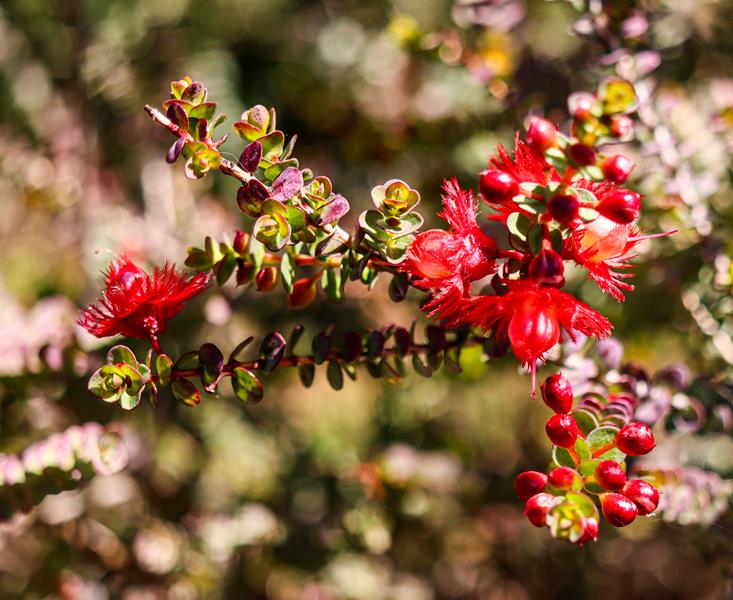
Square-fruited Mallet Eucalyptus brandiana (above) has extraordinarily large green leaves and very large fruits and flowers up to 5 cm across. Red colour four-winged pendulous buds (hence the name Square-Fruited) look particurlaly interesting. Square-fruited Mallet mainly flowers from August to December.
Banksia
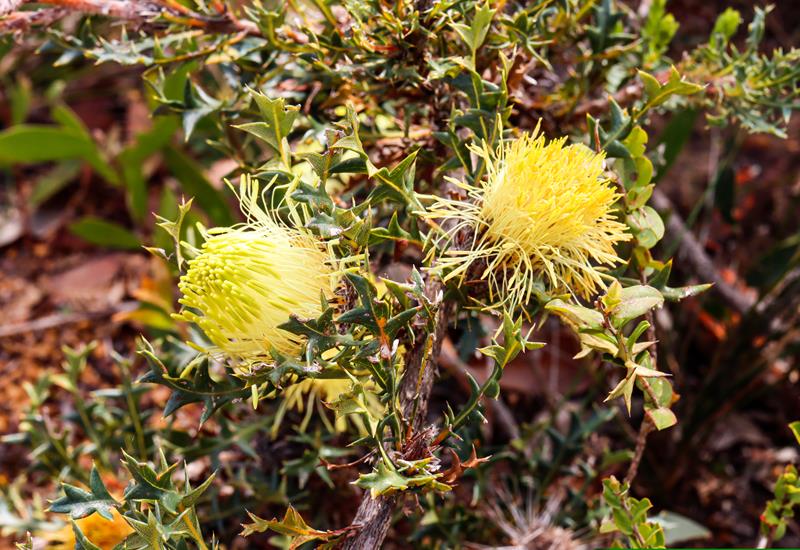
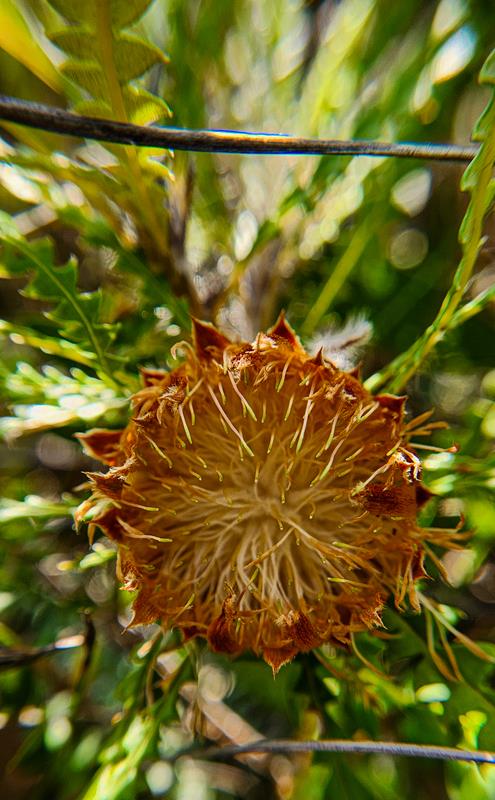
Banksia is a genus of around 170 species in the plant family Proteaceae. These Australian wildflowers have characteristic cone like flower heads.
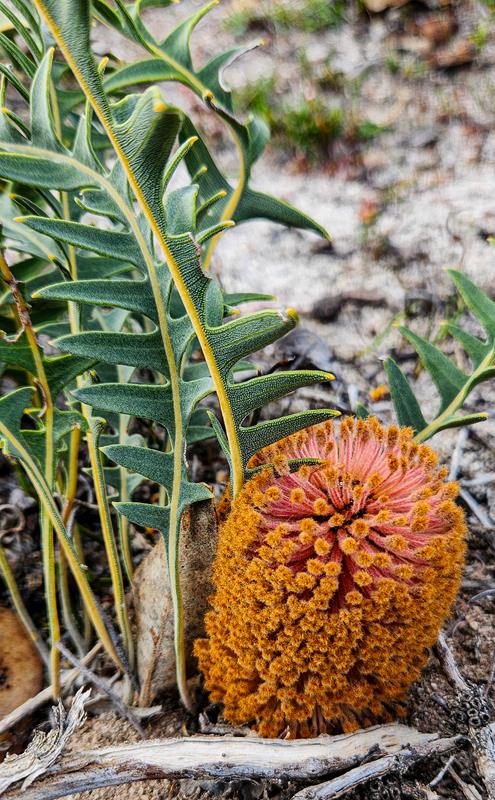
Banksia ashbyi (top left) has a long flowering period – from February to December. A different type of banksia – Banksia blechnifolia (top right) flowers from September to November.
Banksia pilostylis (top left) blooms from October to January. Honeypot Dryandra Banksia nivea (top right) flowers from August till November. The colours of the flowers include cream, yellow, orange, pink, red and brown.
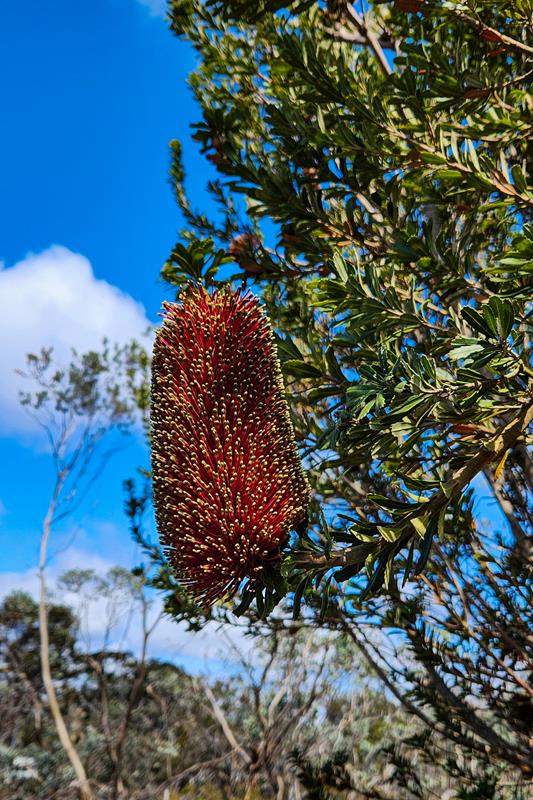
Scarlet banksia Banksia coccinea (above) is one of the most attractive banksias. It has large bright scarlet flowers, appearing between May and January.
Hooker’s Banksia Banksia hookeriana (above) flowers from April to October.
Grevillea
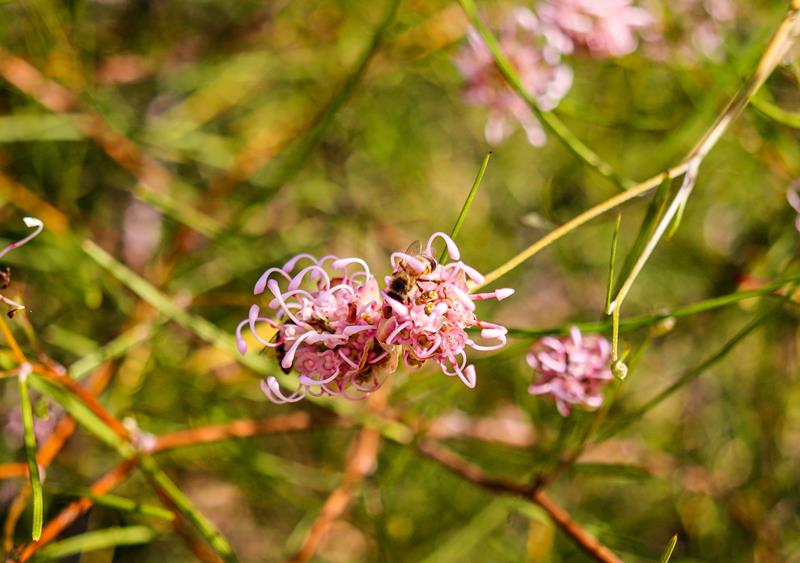
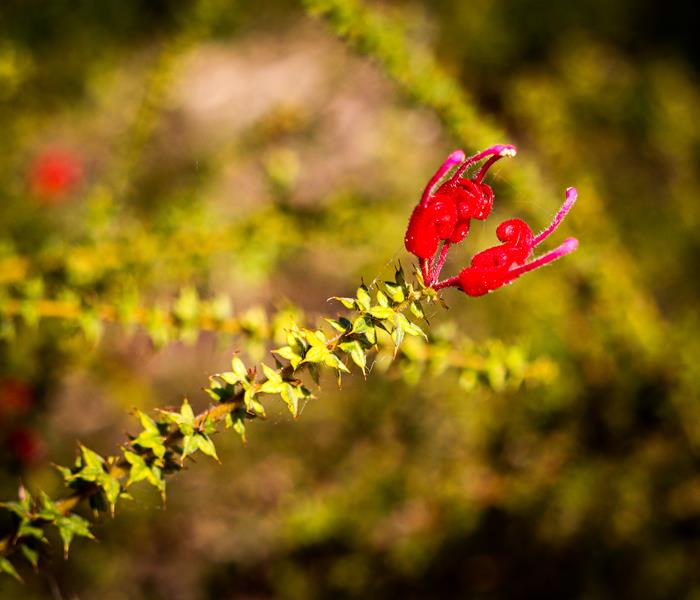
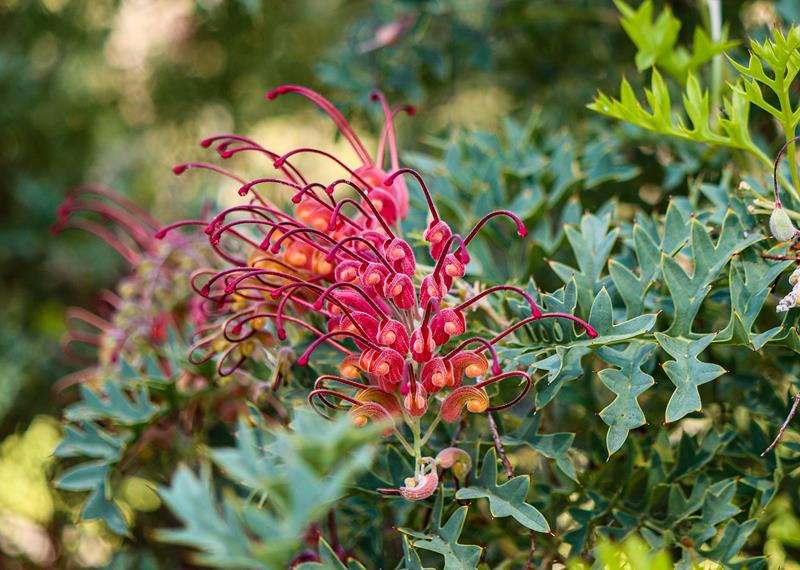
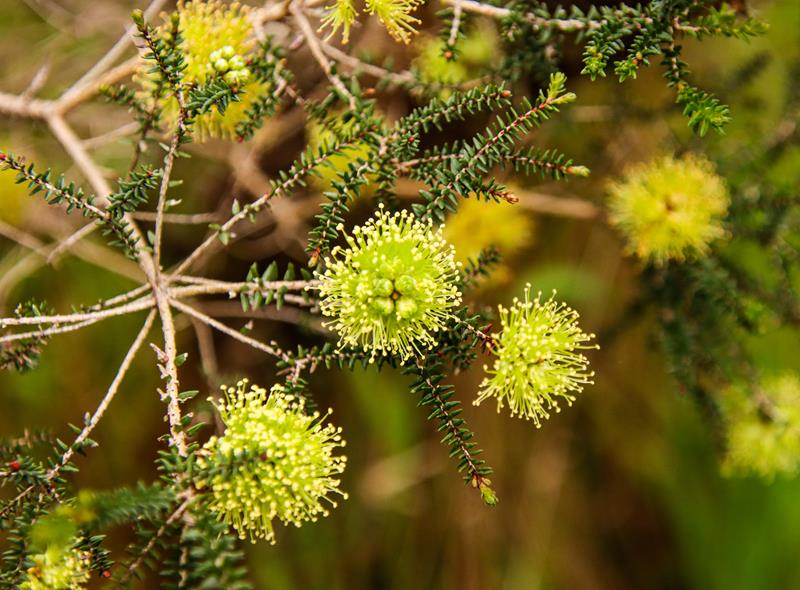
Grevillea, also known as spider flowers, is a genus of about 360 species of evergreen flowering plants in the family Proteaceae. Grevilleas are mostly shrubs, with the leaves arranged alternately along the branches.
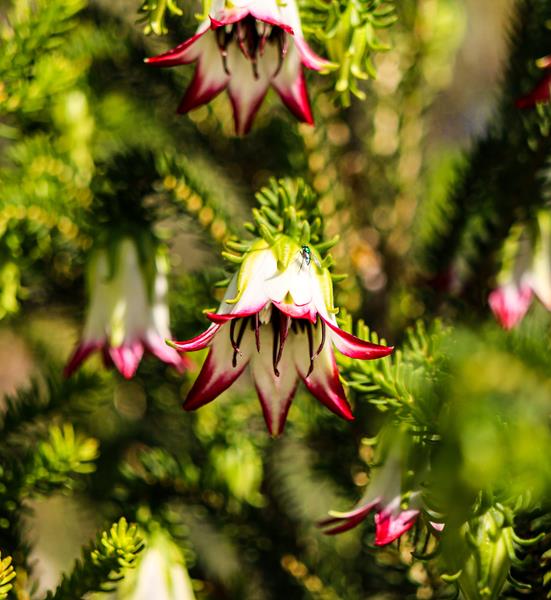
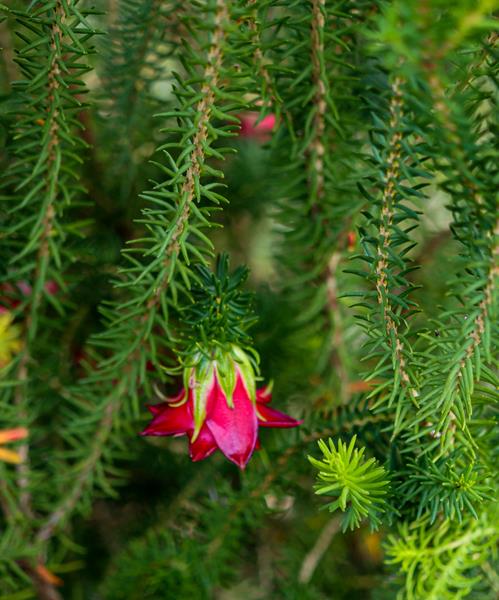
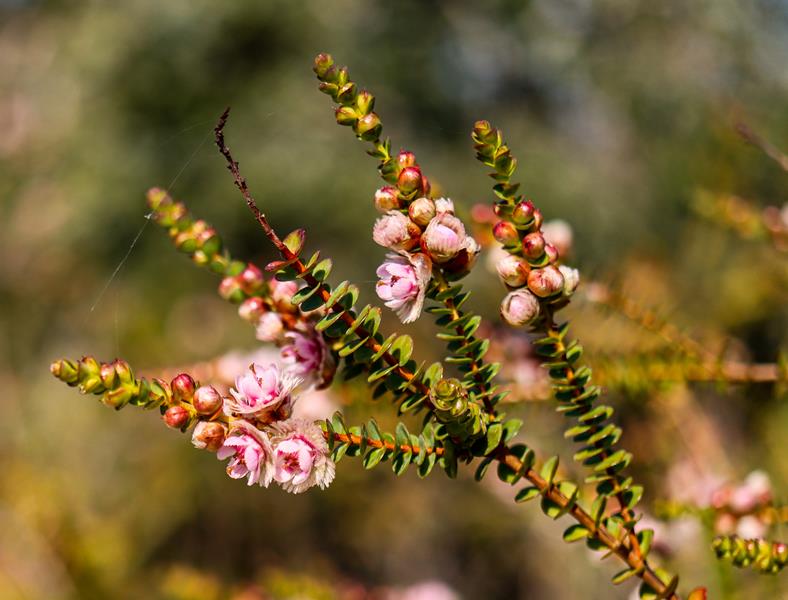
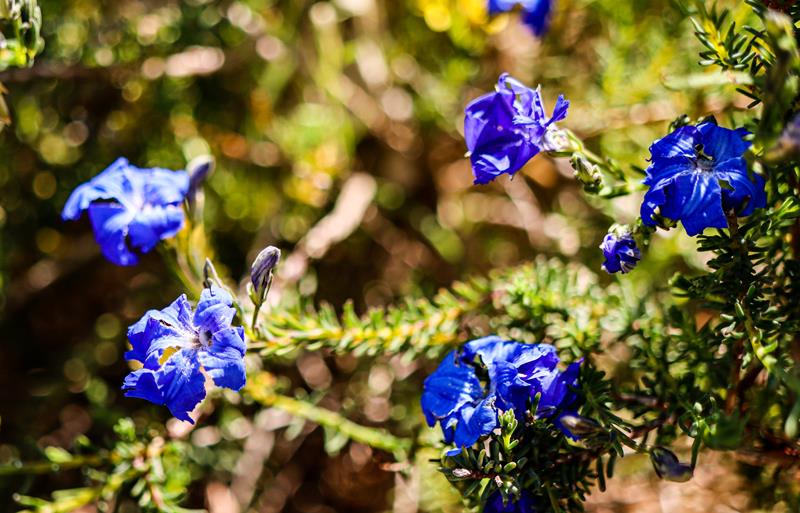
Darwinia, also known as mountain bells, is a genus of about 70 species of evergreen shrubs in the family Myrtaceae. As the common name suggests, Darwinia flowers are in the shape of a bell.
Cranbrook Bell (Darwinia meeboldii) – top left. Darwinia oxylepis (Gillam’s Bell) – top right.
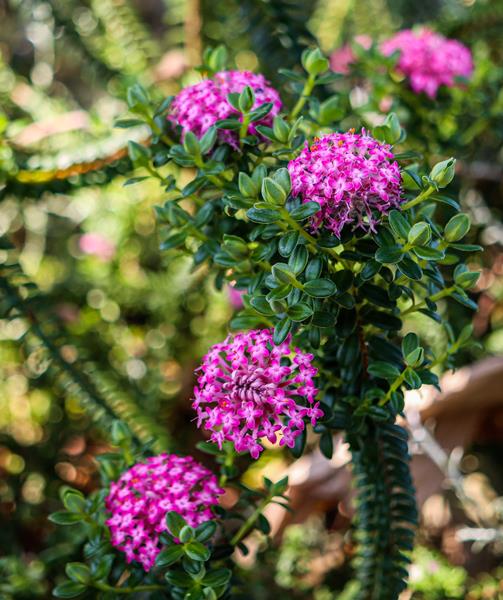
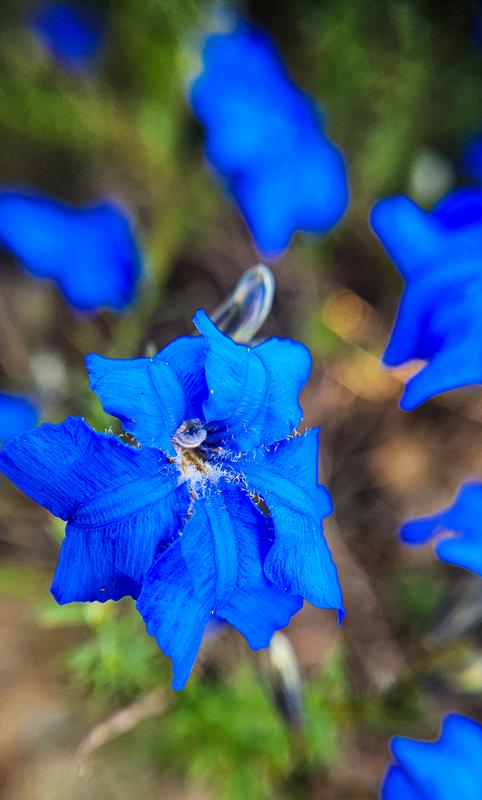
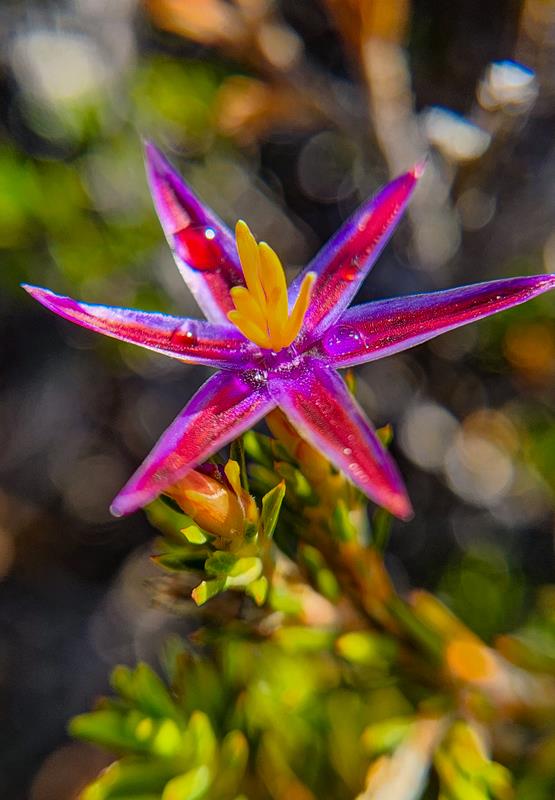
Mogumber Bell Darwinia Carnea – top left. Qualup Bell Pimelea physodes – top right.
Eremophila
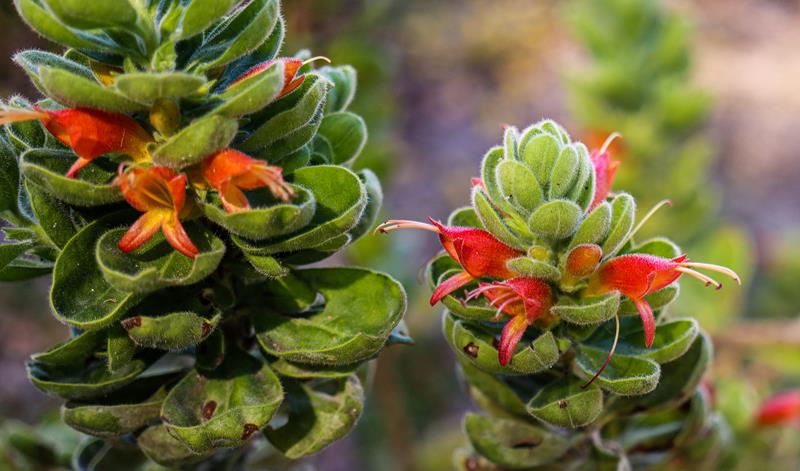
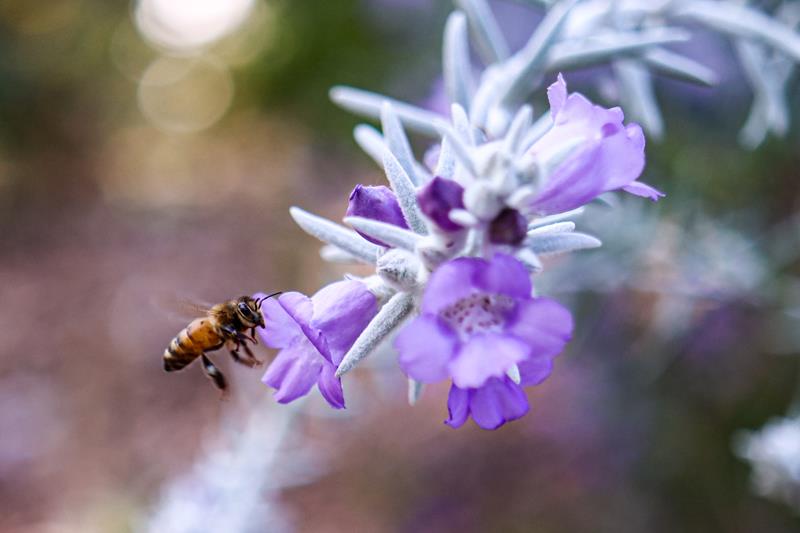
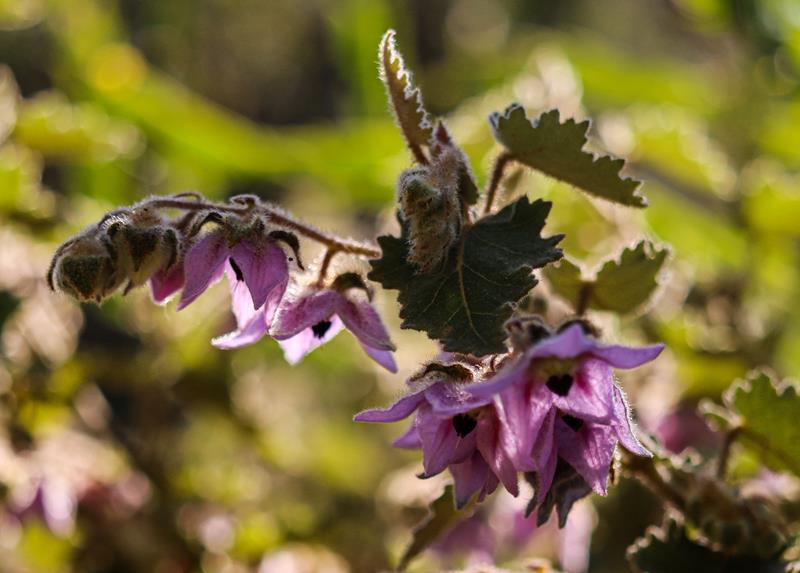
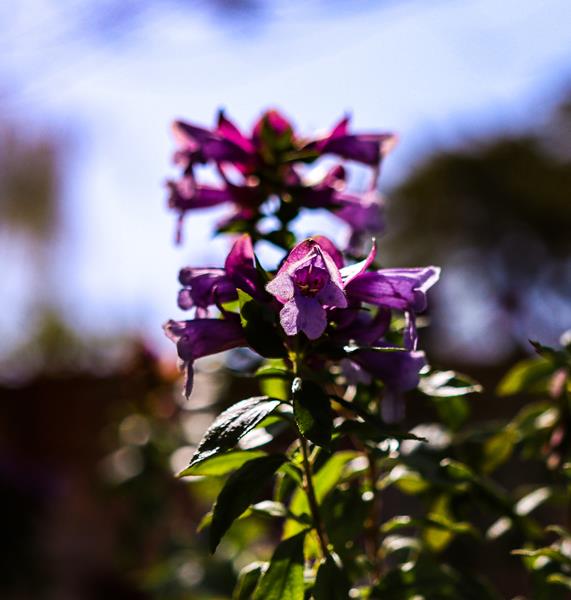
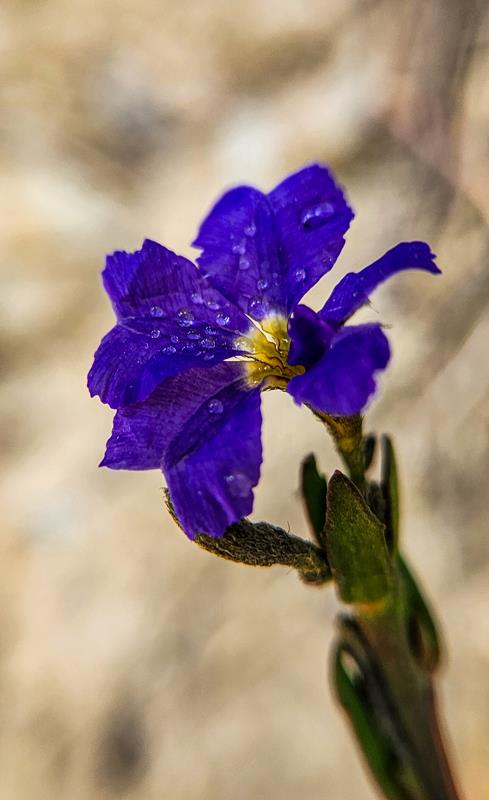
Eremophila is a genus of more than 260 species of plants in the figwort family, Scrophulariaceae. Eremophilas are widespread in the arid areas of Australia. Eremophila has unique tube like flowers with the bottom petals larger than the top petals.
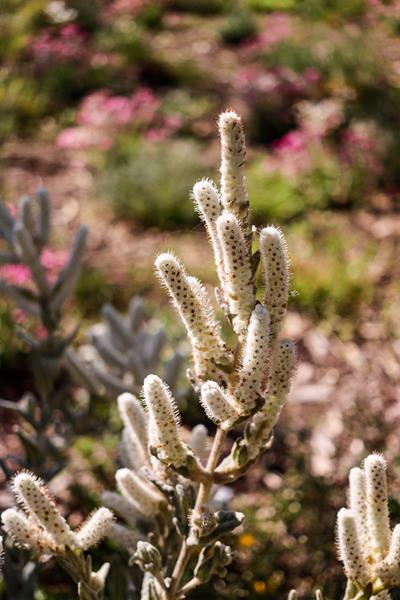
EremophilaSilky eremophila (Eremophila nivea)
Boronia
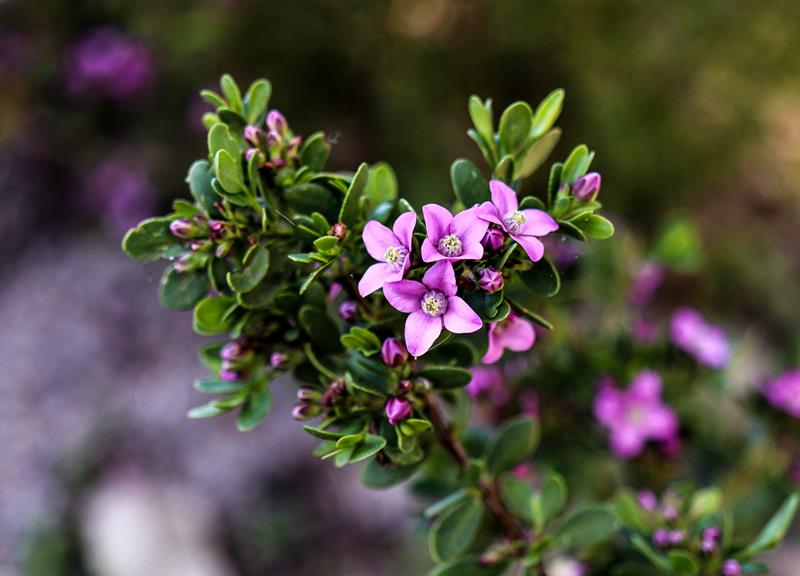
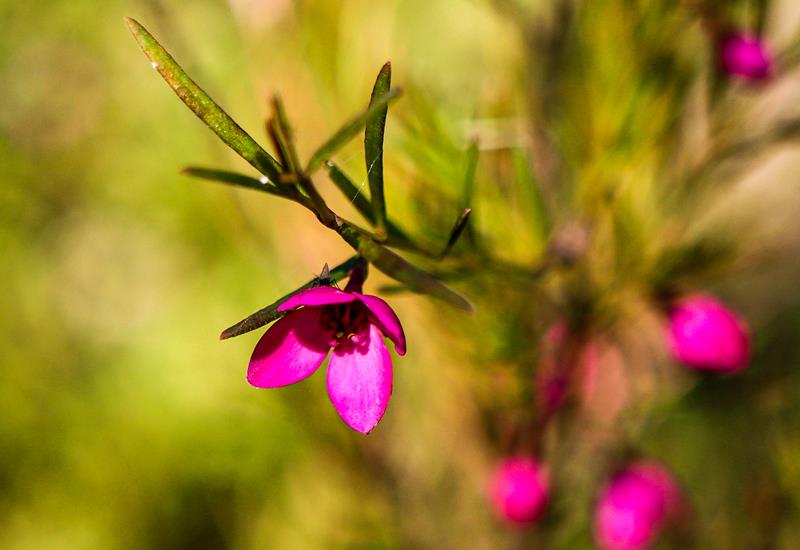
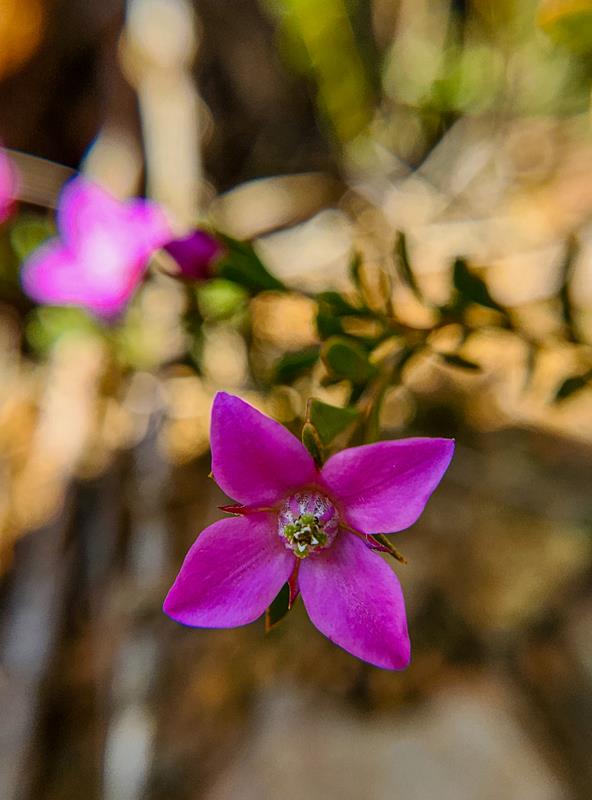
Boronia is a genus of about 160 species of flowering plants in the citrus family Rutaceae.
Aniseed boronia (Boronia crenulata) – top left. Boronia heterophylla (Lipstick) – top right.
Verticordia
Verticordia is a genus of more than 100 species of plants, also known as featherflowers, in the myrtle family, Myrtaceae. They range in form from small shrubs to trees. Verticordia has unique feather like flowers (hence the name) that appear to be in groups, in various colours, except blue.
Plumed feather flower (Verticordia plumosa) – top left. Verticordia fragrans – top middle. Verticordia etheliana – top right.
Daisy
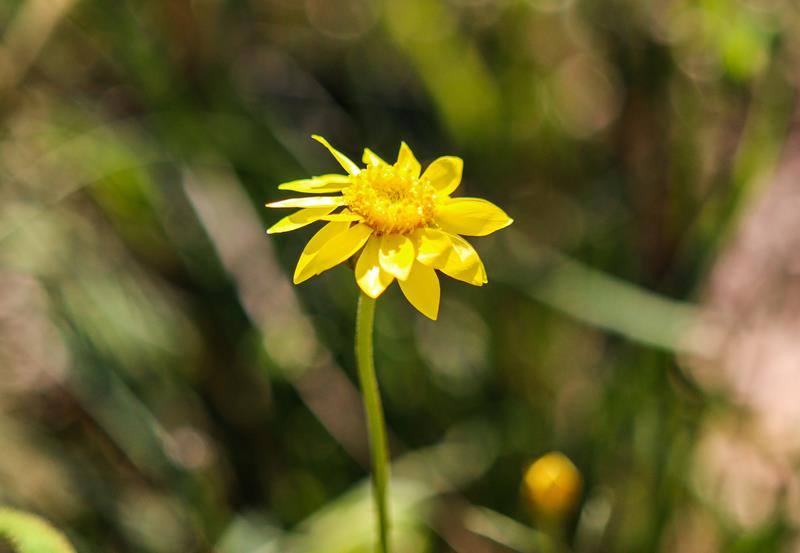
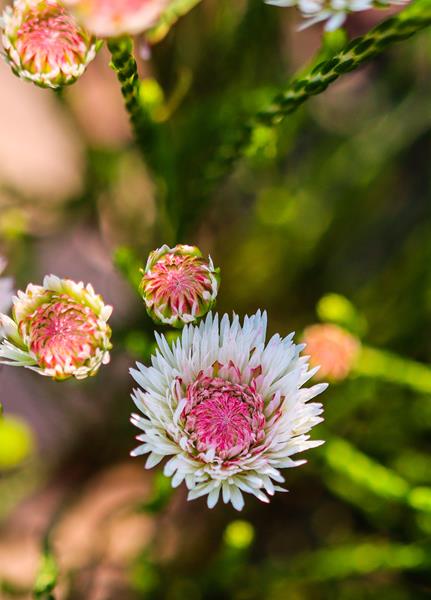
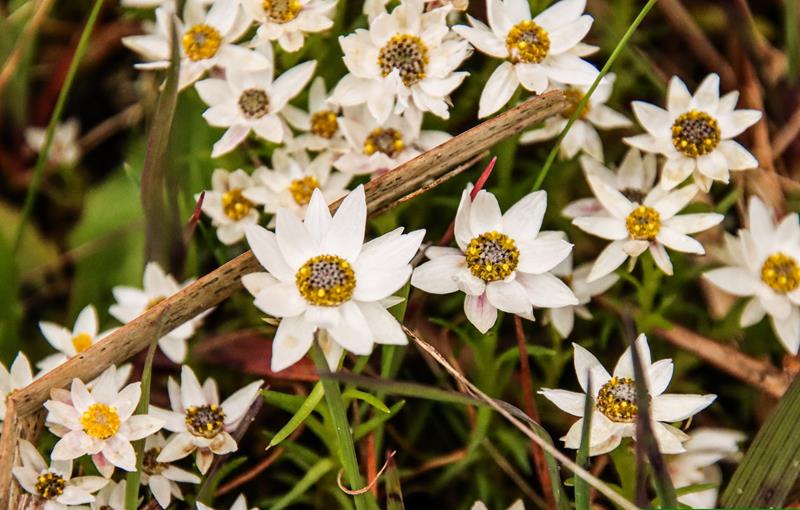
Daisy (the Asteraceae) is a family of more than 32,000 species, many of which are very bright and colourful.
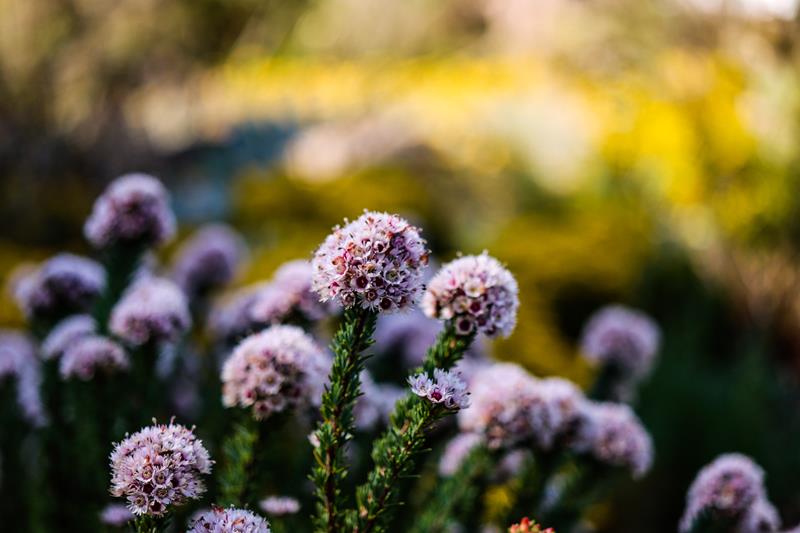
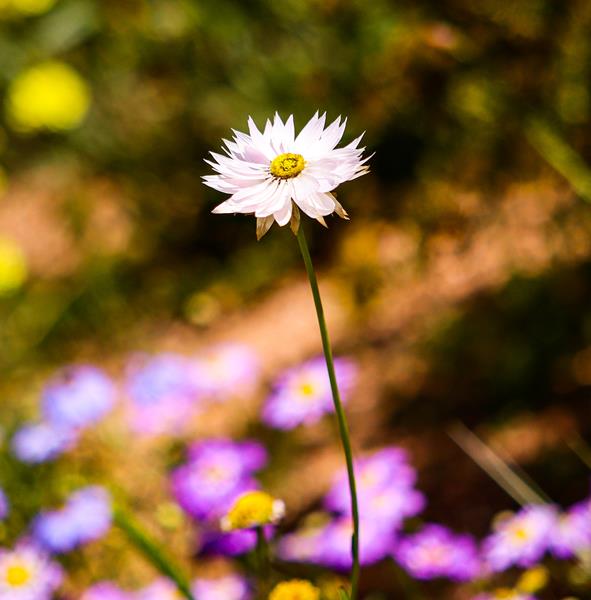
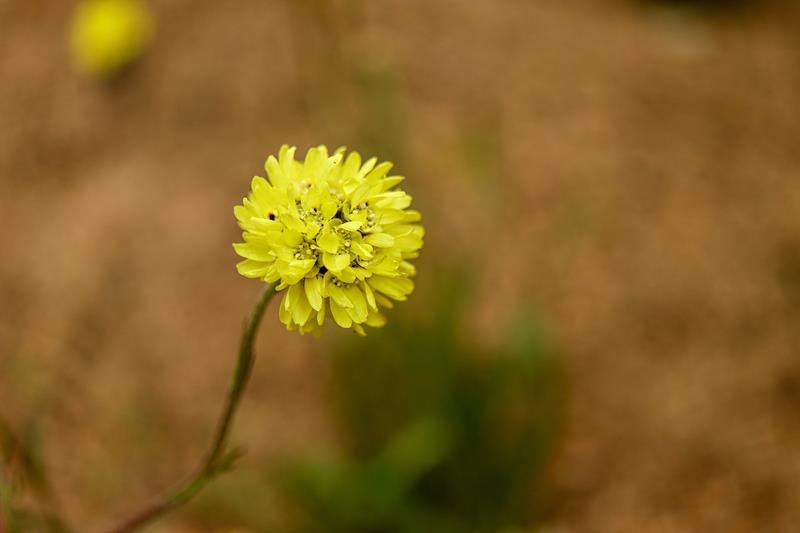
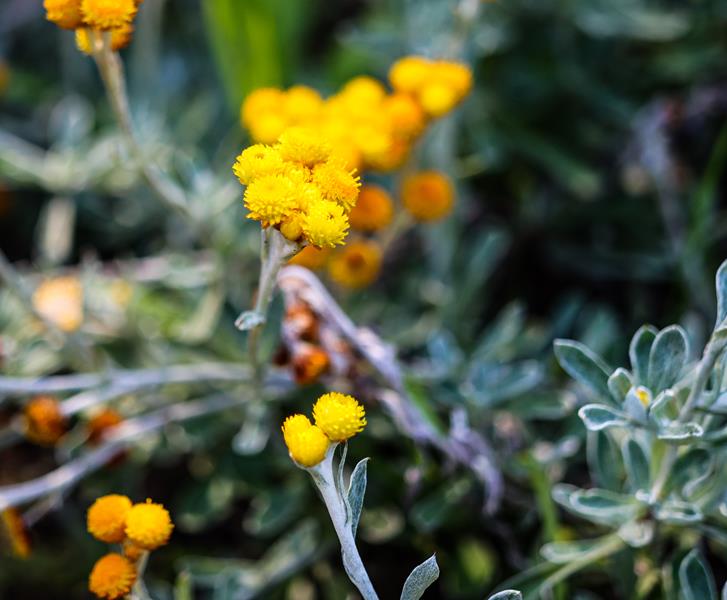
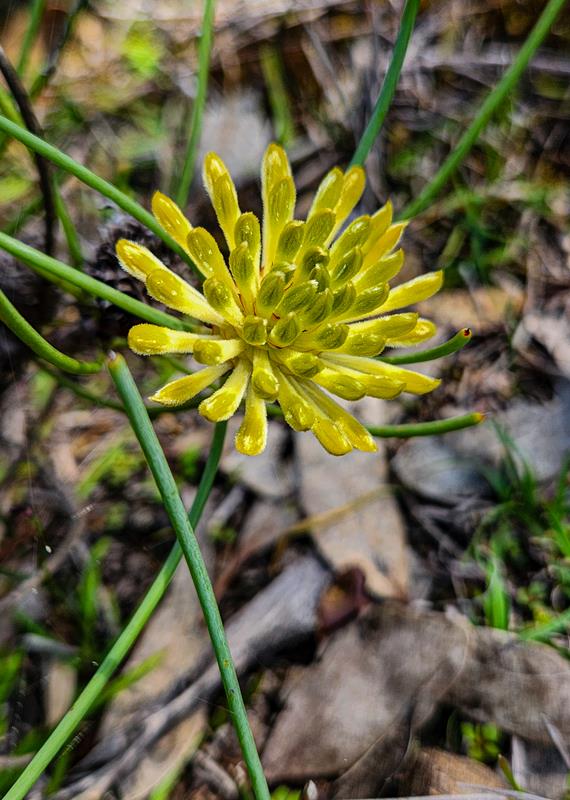
Above: Schoenia filifolia – first tow left. Albany Daisy (Actinodium cunninghamii) – first tow middle. Pink paper daisy (rhodanthe chlorocephala rosea) – first row right. Native daisy (roebuckiella ciliocarpa) – second row left. Native daisy (roebuckiella ciliocarpa) – second row middle. Pompom Head Cephalipterum – second row right.
and many more…
other flowers (which I couldn’t put into specific groups due to my limited knowledge).
To sum up, if you are a wildflower lover, Kings Park widlflowers will not disappoint you. While end of winter and spring are the prime times to visit, there is always something blooming throughout the whole year. With so much more to see and experience in Kings Park, it is a also a popular picnic and meeting place for locals and tourists alike. More information here.
Disclaimer:
As I am not a wildflower professional and only learning about plants, there are might be errors related to the names. Feel free to comment with any corrections.
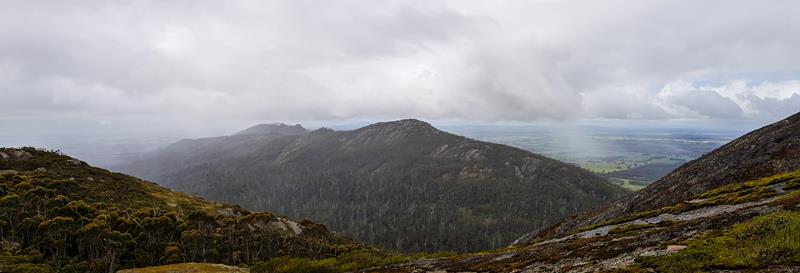
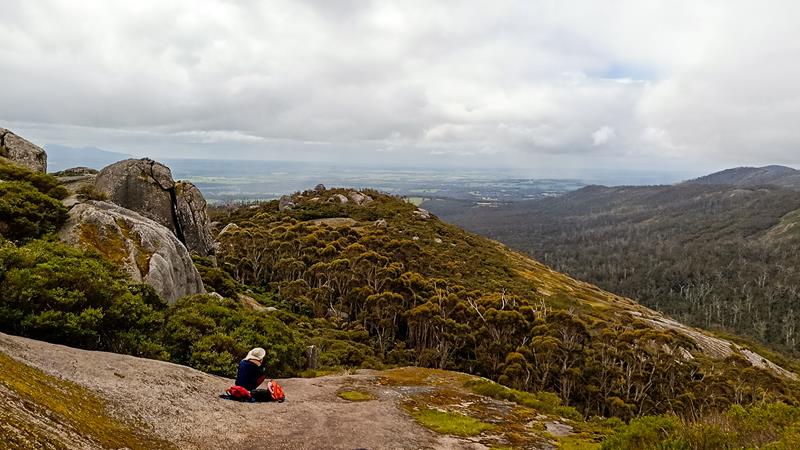
Bluff Knoll is the third highest mountain peak in Western Australia and is the highest in Stirling Range
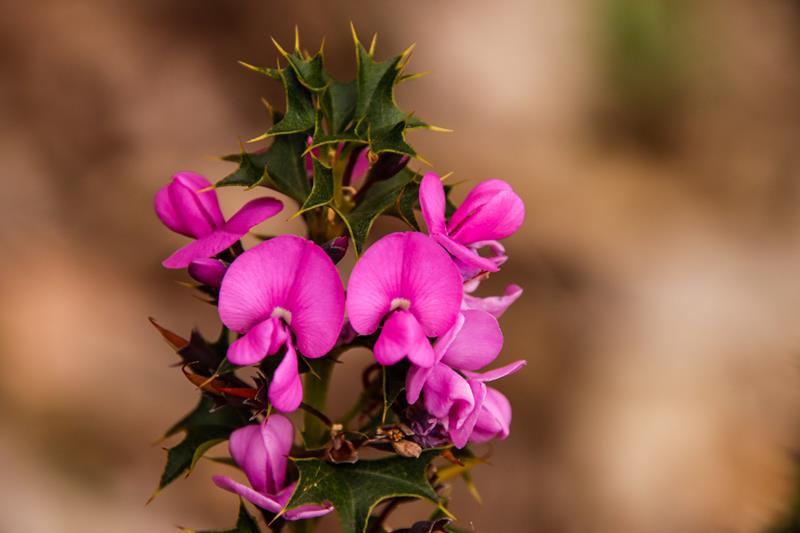
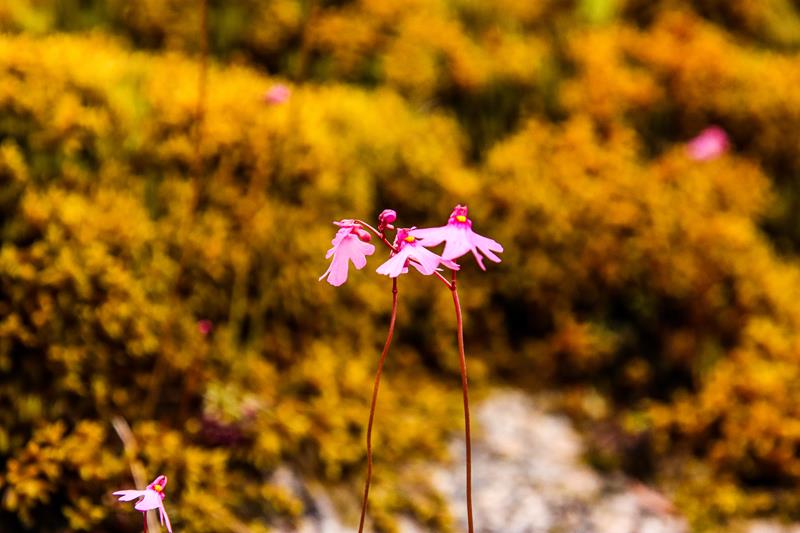
Stirling Range NP is one of the best places in Western Australia for hiking, as well as to view wildflowers. Over 1500 species of plants grow there, with some plants not existing anywhere else in the world. Some plants are easy to spot and they are quite abundant. Others are rare and threatened flora and very hard to find, as it is protected. Certain types of wildflowers, like mountain bells, only grow in altitudes higher than 300 meters above sea level.
Bluff Knoll flora
The plants below were all photographed while climbing Bluff Knoll hiking trail.
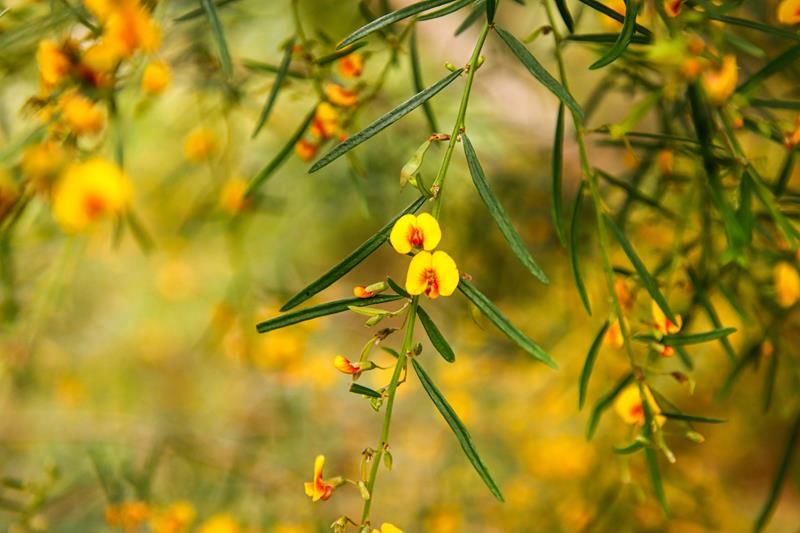
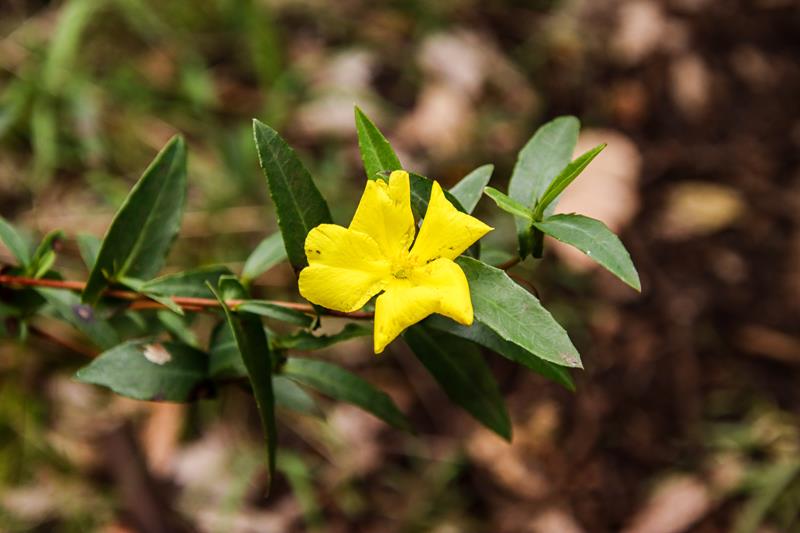
I found these wildflowers in Stirling Range National Park in places, other than Bluff Knoll. We stayed at Stirling Range Retreat, where a lot of orchids, as well as other plants grow.
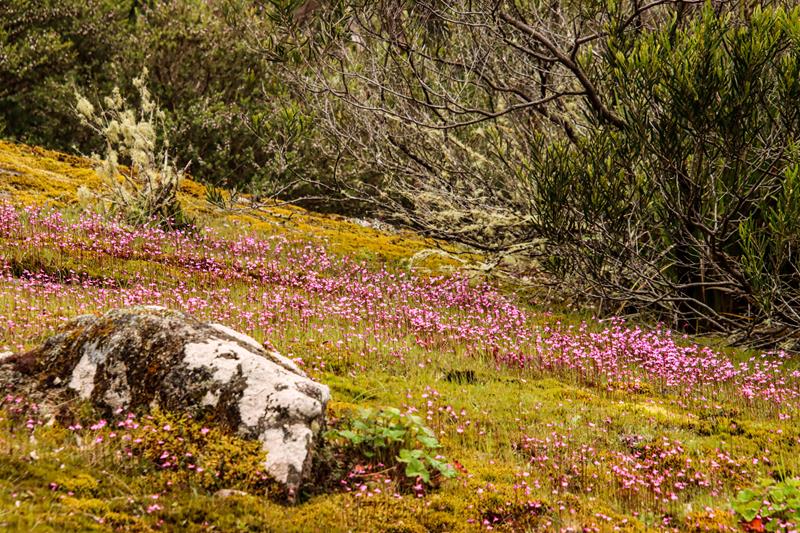
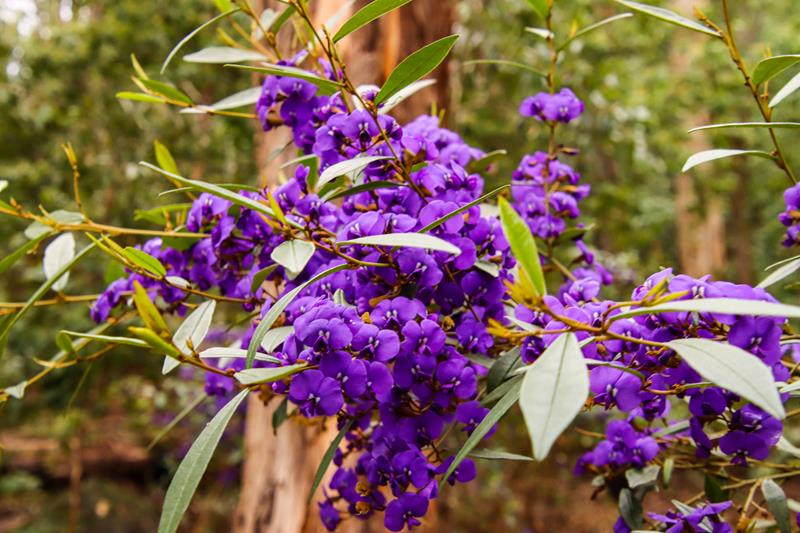
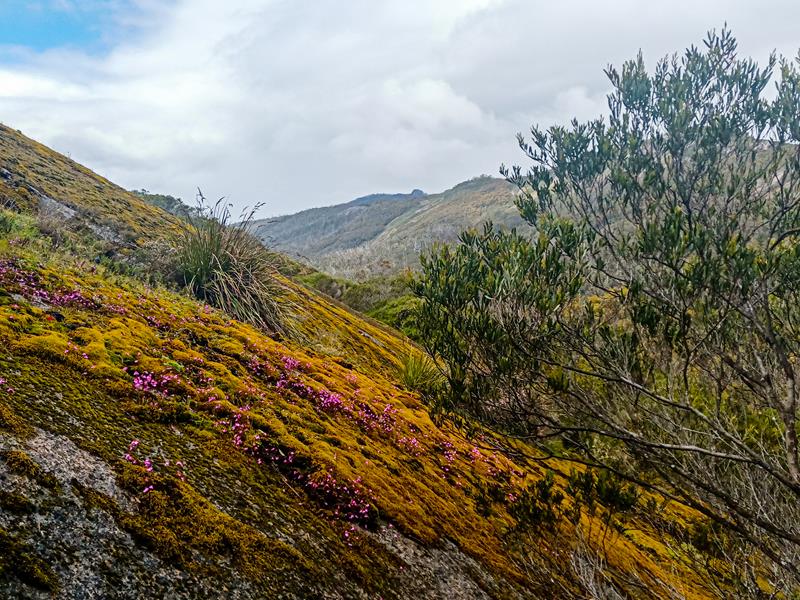
Porongurup Range wildflowers are a real treat for nature and photography enthusiasts. Porongurup Range is considered the oldest mountain range in the world and is internationally recognised as “biodiversity hotspot” in the South West region of Western Australia. More than 700 native species of wildflowers are growing within tall karri and open jarrah forests in Porongurup Range National Park.
These are just some of the wildflowers we spotted during our hikes there.
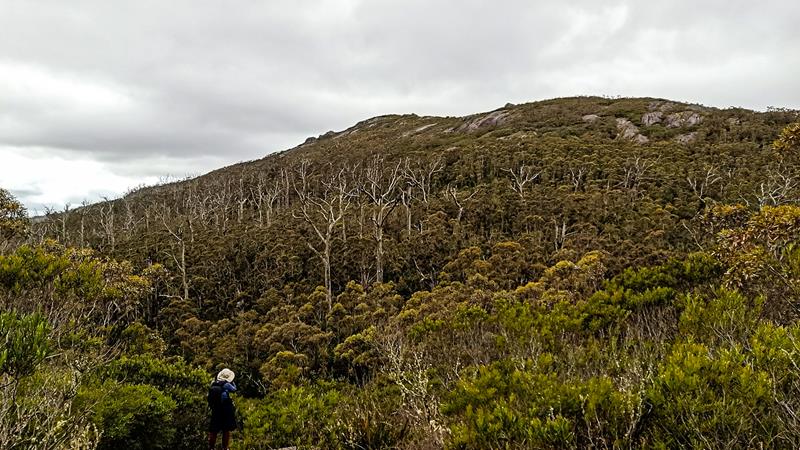
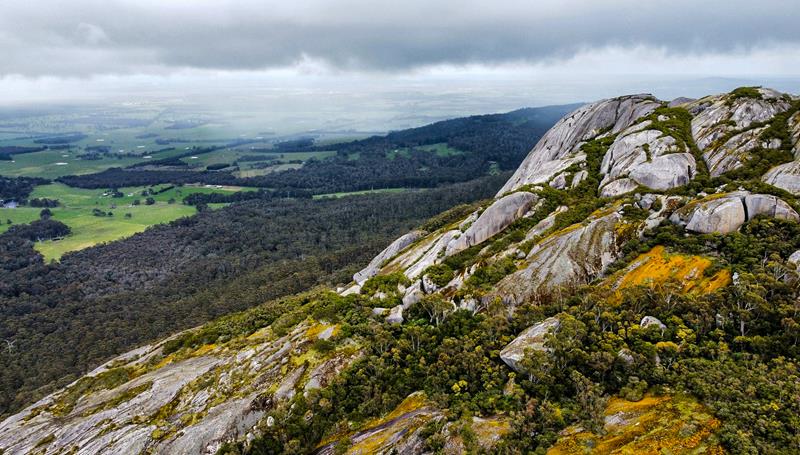
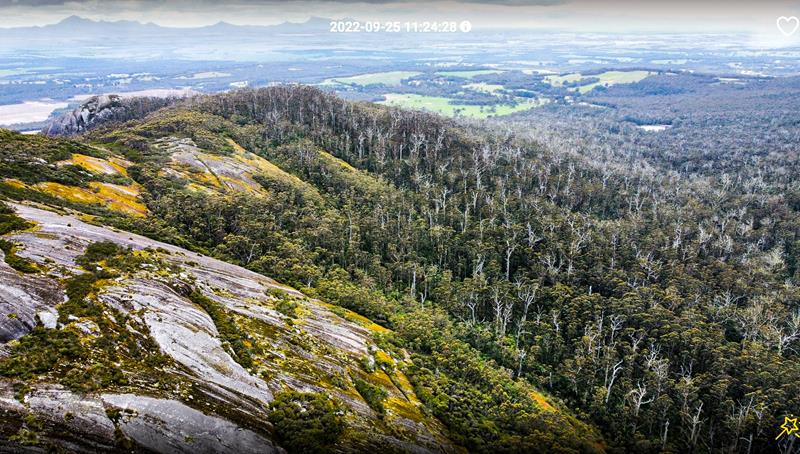
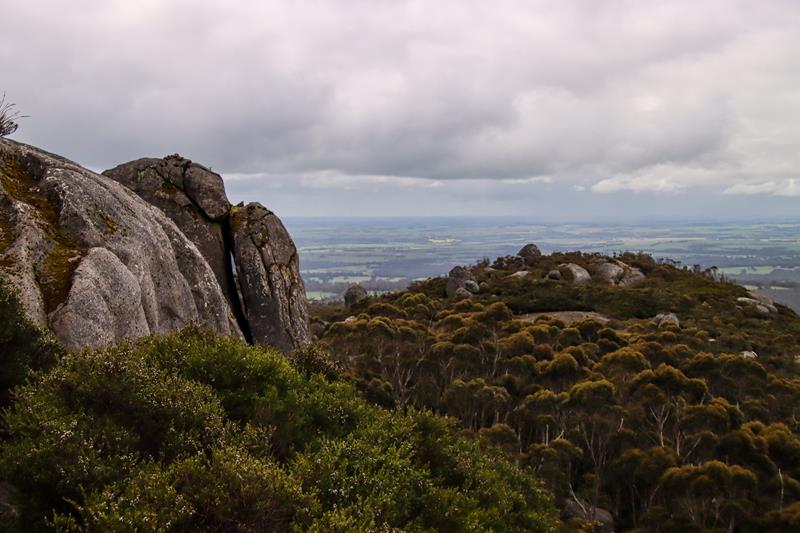
Porongurup Range National Park was a pleasant surprise despite unfriendly weather over the long weekend in September (2022). Considered as the oldest mountain range in Australia, Porongurup is over 1 billion years old. It is located 15km east of Mount Barker in the South West region of WA. Staying for only 2 days there was definitely not enough to see and experience everything this beautiful place has to offer. So we missed on the famous Granite Skywalk (due to some mishaps and unfavorable weather). But we did climb Devils Slide, which is the highest peak in Porongurup (670 meters).
Devils Slide
The view over the range from Devils Slide
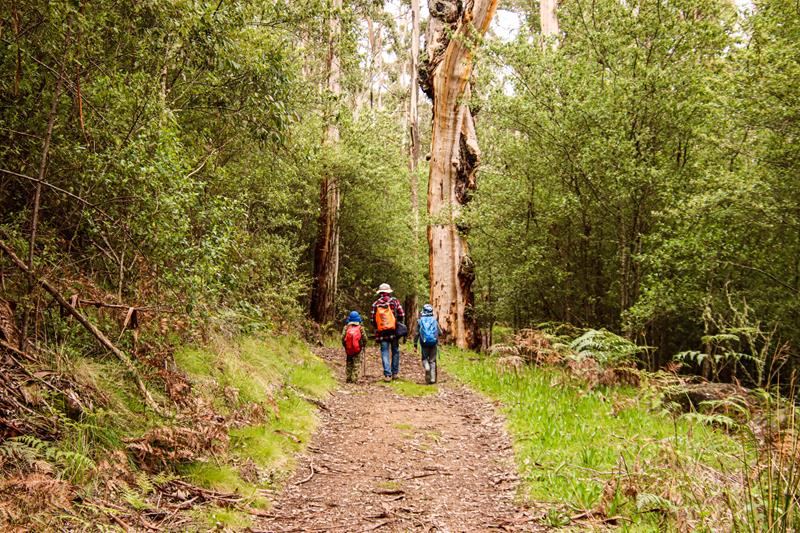
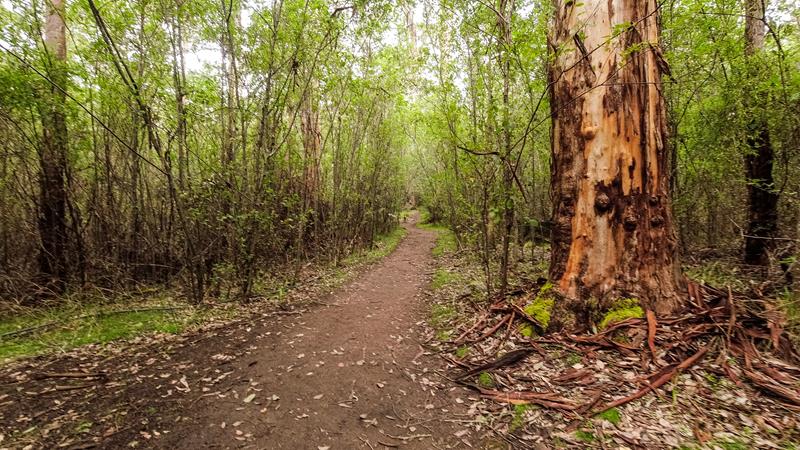
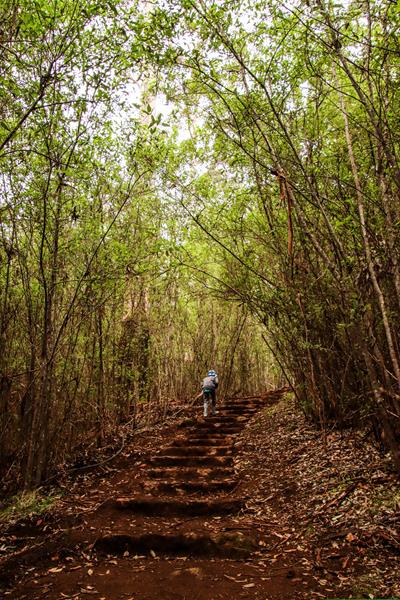
It was a challenging and lengthy hike for someone of just average level of fitness. The trail starts from the Tree-in-the-Rock carpark. The first part of the trail (Wansbrough walk) is a relatively easy uphill path. It is 1600 meters in length and goes through majestic karri forest.
Easy Wansbrough walk
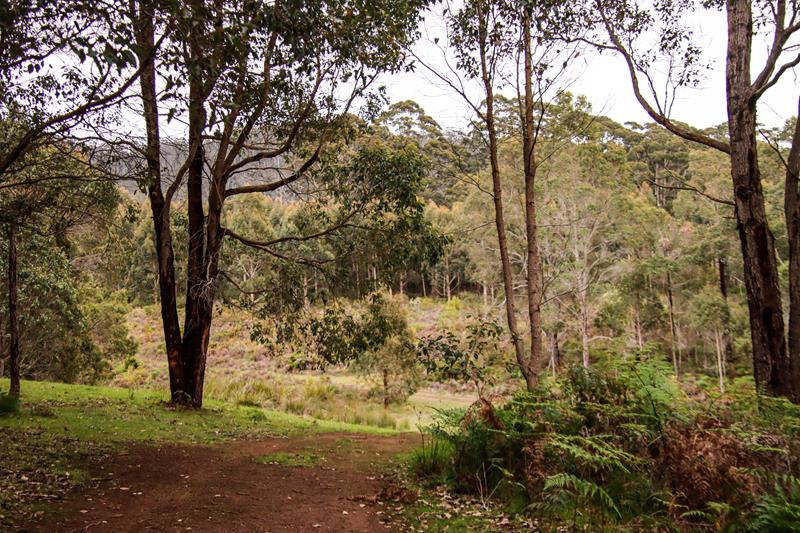
It is a beautiful trail with towering trees, lush vegetation, rich in colours, patterns, shapes and textures. The forest is full of sounds of the birds and scent of the plants.
Colours, patterns, shapes and textures of Porongurup Range karri forest
Arriving at the intersection (at the end of Wansbrough walk) we turned right to follow 2,5km one way steep and slippery (due to wet weather) Devils Slide trail to the summit.
Climbing up Devils Slide trail
The views on the way up were magnificent.
On the way upDevils Slide before rain came
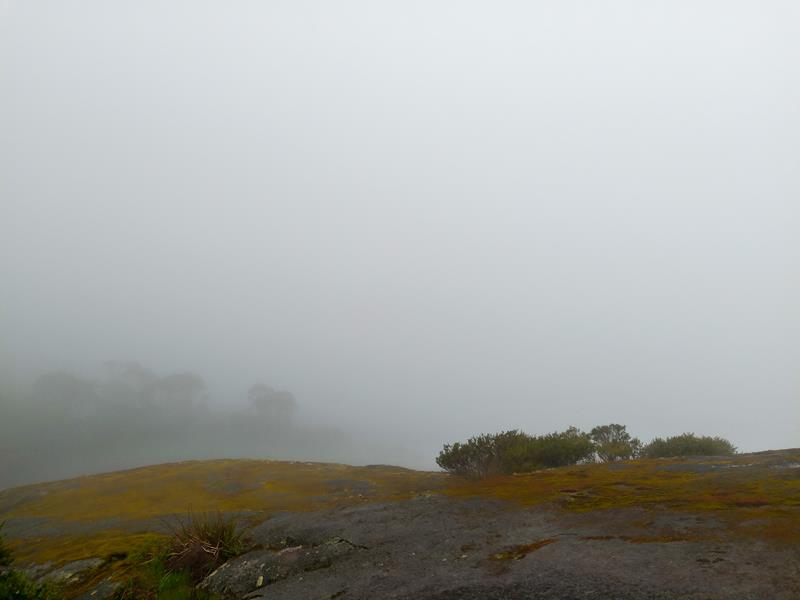
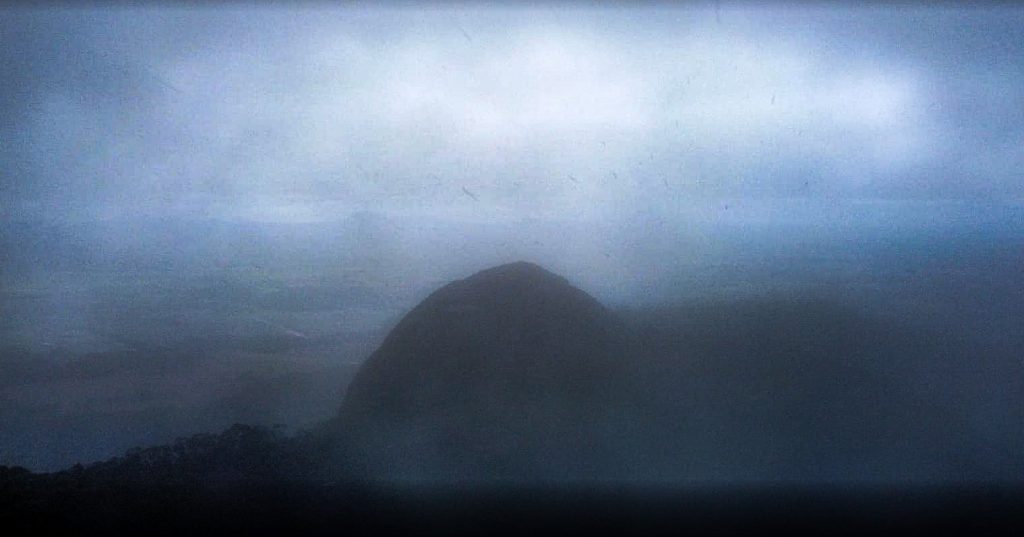
As we reached the summit, the weather changed from sunny to a thick cloud enveloping us with nearly zero visibility This was followed by rain – all within a few minutes. It was quite an experience 😊.
Thick fog and clouds as we reached Devils Slide
Tree in the rock
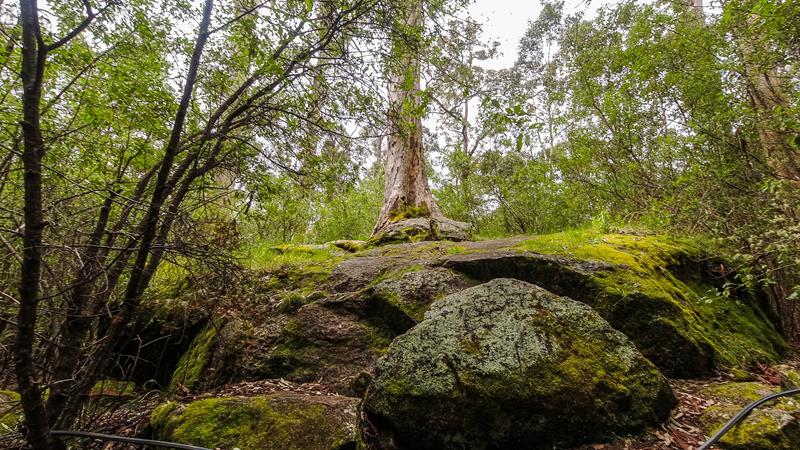
Tree in the rock is a unique tree growing through the crack in a rock in Porongurup National Park. It does not stand out as an attraction by itself, but a short walk from the carpark towards it through the forest is nice.
Tree in the rockTree in the rock walk
Walitj Meil walk
Walitj Meil trail in Porongurup Range National Park is a short and pleasant hiking trail (only 1km return). It is a great alternative for those who are not fit enough to climb nearby Castle Rock or don’t have enough time for it. Walitj is an Aboriginal name for a wedge-tailed eagle, which is a Noongar totem. Eagles mostly seen flying high in the sky, above the mountain peaks where they nestle.
Walitj Meil
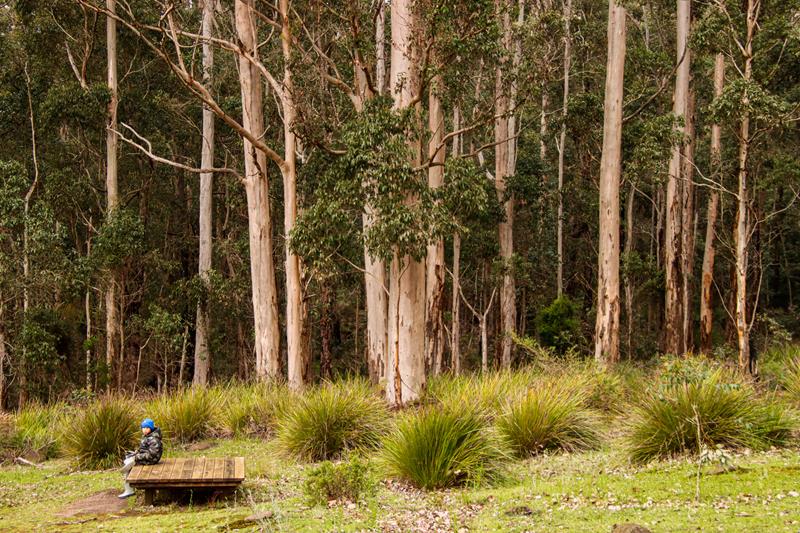
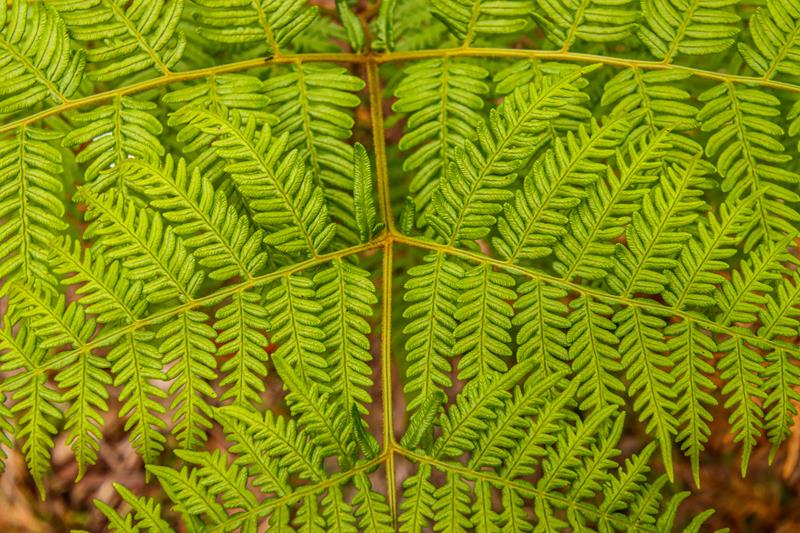
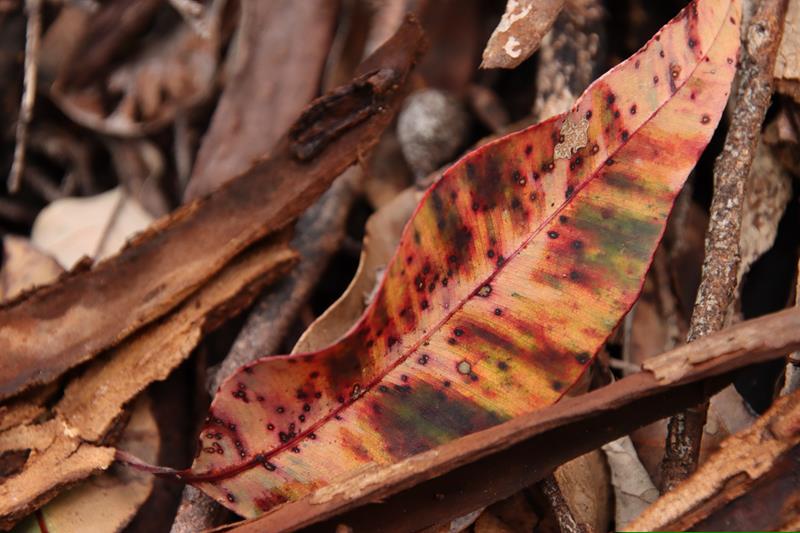
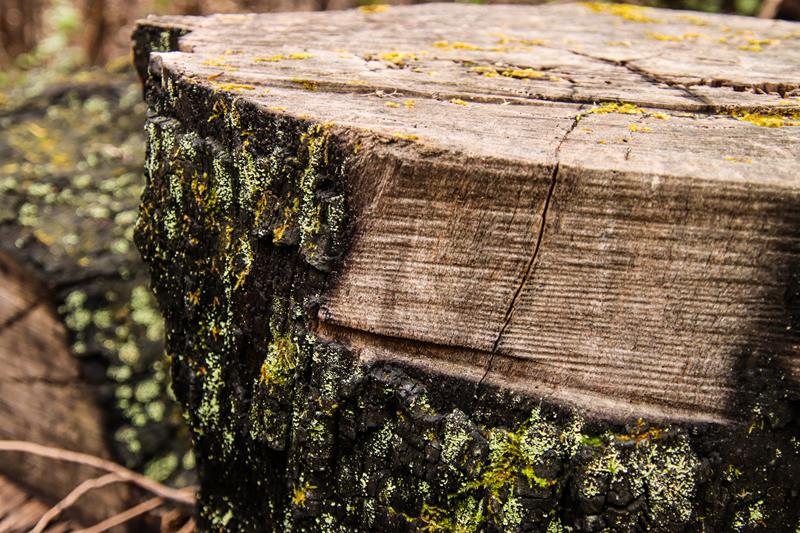
Walitj Meil trail is best enjoyed if you like to take your time and enjoy noticing little (as well as big) things around you. First, it is the textures of the trunks of the trees. Second, it is the patterns of the leaves. Third, it is the colours of the flowers. And lastly, it is the shapes of the plants. The majestic karri forest through which the trail goes, is full of sounds – birds’ song, rustling of the leaves and grass, squeaking of the tree branches, howling of the wind. Forest in Porongurup Range is very much alive and rich, waiting to be discovered and appreciated in its natural beauty.
Before you embark on the Gibb River trip, it is good to know what to expect. Here, we share our experience.
The experience
We completed our Gibb River Road journey on 19 of July 2022. It was definitely the most challenging trip, we’ve done so far, resulting in a few damages to the 4WD. At the same time, it was a very rewarding, interesting and fulfilling experience. We’ve met many wonderful fellow travelers on the road (hope we meet again!). We have encountered quite a lot of fresh water crocodiles. Not to mention, that we’ve seen a number of beautiful gorges, many rivers and creeks.
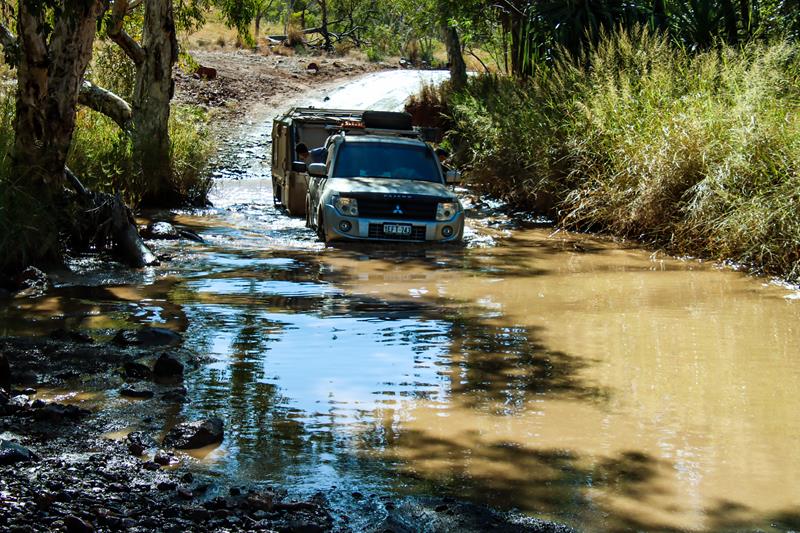
Pentecost River crossing near at El Questro
Quick summary
Our caravan has survived, travelling at mostly 20-40km/h on worst sections of the road (between Mt Barnett and Ellenbrae stations) at 26psi. Still more adventures to come with Lake Argyle and Bungles Bungles ahead of us!
Total 11 nights. Overnight stops:Windjana Gorge, Silent Grove, Mt Barnett and 3 nights free camping at Hann River, Durack river and Pentecost river plus 3 nights at El Questro. Damages: punched rear airbags on the 4WD, broken car key, main car battery holder broke, rear view mirror came off, UHF radio antenna broken, compressor pump hose leaked. And lots of dirt and dust in the car and van.
At the end
The end of Gibb River Road trip looked like this: red dust that is absorbed into your skin and won’t come off. Your palms will look 10 years older but your soul will feel 20 years younger after doing the Gibb – no manicure services required 😊.
It is an adventure of a lifetime, but we feel that we’ve only scratched the surface of what this beautiful part of the world can offer. We’ll definitely be back to explore what we’ve missed, going further into unknown, growing and evolving as we challenge ourselves to new experiences while exploring this world.
Hann River and Durack River crossings were some of the most memorable river crossings for us along the Gibb River Road (apart from the famous Pentecost River). We even camped there!
Hann River
Hann River free camp ground is 60km from Manning Gorge (going east). It is close to the road, along Hann River (as the name suggests). We camped on the right side, just after the river (travelling from west to east). As we arrived late, there was just one place for us with at least 7 campers already there.
However, we discovered later that just after the turning, there was another track on the right with a big clearing enough for many more vehicles. So if you arrive late and are looking for a spot to rest for the night, there is definitely space for everyone.
The Gibb River Road crossing the Hann River
No doubt, if you are closer to the river, you get nicer views. But you can also go for a walk and enjoy those same views which are really amazing. Trees lining the river create a beautiful reflection in the water. They are also home to a lot of birds. Some people even go for a swim (or at least a waddle) in the river. If you are not keen on swimming, simply spending a bit of time near the river in that beautiful place, be it overnight or a few days, is really worth it. Just make sure you keep the place clean when you leave, so the next traveller can enjoy too 😊.
Places like this offer a wonderful opportunity to meet other travellers and share experiences. We still have fond memories of the Turner family (with your 4 bright children) we met at Hann River in July😊.
Durack River
Durack River is one of the major rivers in Kimberley. Like many other rivers, it crosses the Gibb River Road. Rising below the Durack Range and flowing north in East Kimberley, it is another picturesque place to discover, explore and rest by. While the river was flowing when we visited in July, the crossing on the Gibb was dry.
It is worth remembering that much of the land along the Gibb River Road is privately owned. Consequently, it is important to respect the land, so that it can be enjoyed by many generations to come. Leaving the place clean and in a better condition than you find it, is something we all can do. It is a way of paying for the privilege of stepping on the ancient land and enjoying one of the world’s last remaining wilderness areas.
No trip along the Gibb River Road is complete without crossing the iconic Pentecost River. While it can be deep and very wide during wet season, it is relatively easy to cross during dry season. It is the place where every traveller would stop to take pictures. We’ve seen hundreds of vehicles crossing the river in one day. Many of them were dropping passengers on one side of the river and made round trips to take that ideal photograph. We also saw quite a few tow trucks passing by, pulling broken vehicles in both directions. Salt water crocodiles inhibit the river (although we did not see any), thus swimming or waddling through can be dangerous.
Pentecost river is an excellent place for catching barramundi. Although, we did not catch anything when we visited in July. We heard that it was too cold and not the season for barramundi.
It is also a popular camping spot for many travellers and a happy meet up place with other fellow travellers whom you’ve made acquaintances earlier the trip along the Gibb River Road (hello to Jason and Anthony from eastern states and their families 😊. We will always remember you and your cheering us on crossing the river).
Camping along Pentecost River
The sunsets at the Pentecost river are amazing with the purple, pink and orange colours of the sky being reflected in the river.
Sunset at Pentecost River
Manage Cookie Consent
To provide the best experiences, we use technologies like cookies to store and/or access device information. Consenting to these technologies will allow us to process data such as browsing behavior or unique IDs on this site. Not consenting or withdrawing consent, may adversely affect certain features and functions.
Functional Always active
The technical storage or access is strictly necessary for the legitimate purpose of enabling the use of a specific service explicitly requested by the subscriber or user, or for the sole purpose of carrying out the transmission of a communication over an electronic communications network.
Preferences
The technical storage or access is necessary for the legitimate purpose of storing preferences that are not requested by the subscriber or user.
Statistics
The technical storage or access that is used exclusively for statistical purposes.The technical storage or access that is used exclusively for anonymous statistical purposes. Without a subpoena, voluntary compliance on the part of your Internet Service Provider, or additional records from a third party, information stored or retrieved for this purpose alone cannot usually be used to identify you.
Marketing
The technical storage or access is required to create user profiles to send advertising, or to track the user on a website or across several websites for similar marketing purposes.