Beringbooding Rock

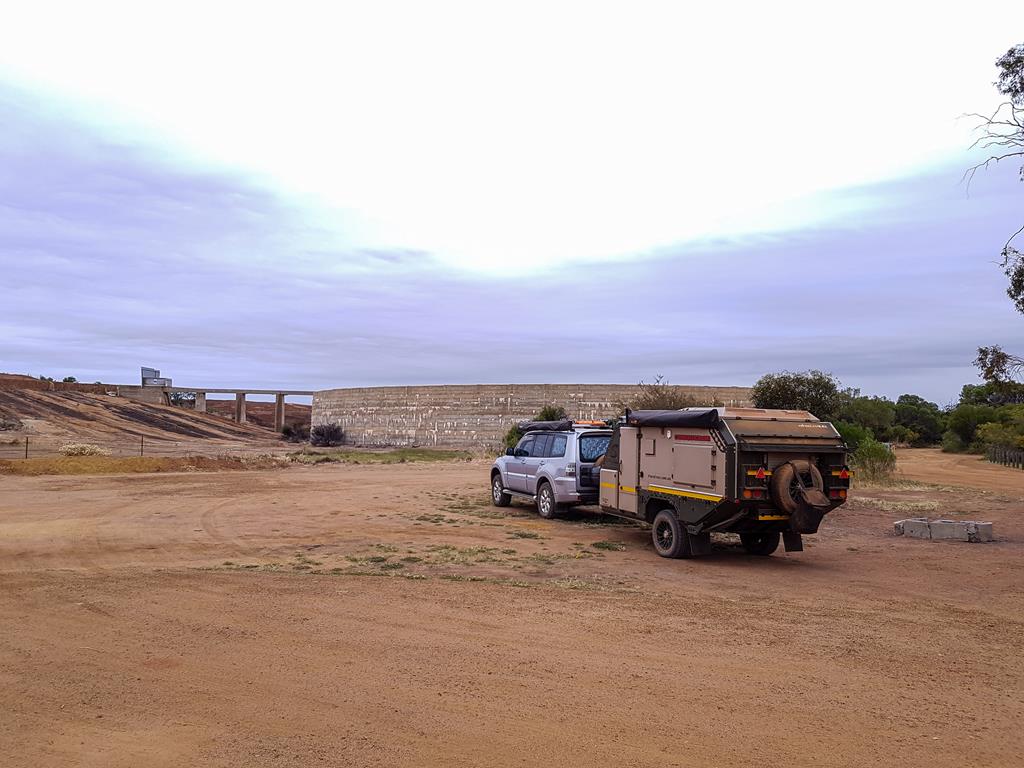
A vehicle and caravan parked in front of Beringbooding Rock in the Wheatbelt

Beringbooding Rock, 65km north east of Mukinbudin in the Eastern Wheatbelt is an interesting place to visit. It is known for having the largest rock water catchment tank in Australia. Built in 1937, the water tank holds over two million gallons of water. There is a low wall around the perimeter of mostly flat rock that catches rain water and directs it to the tank.
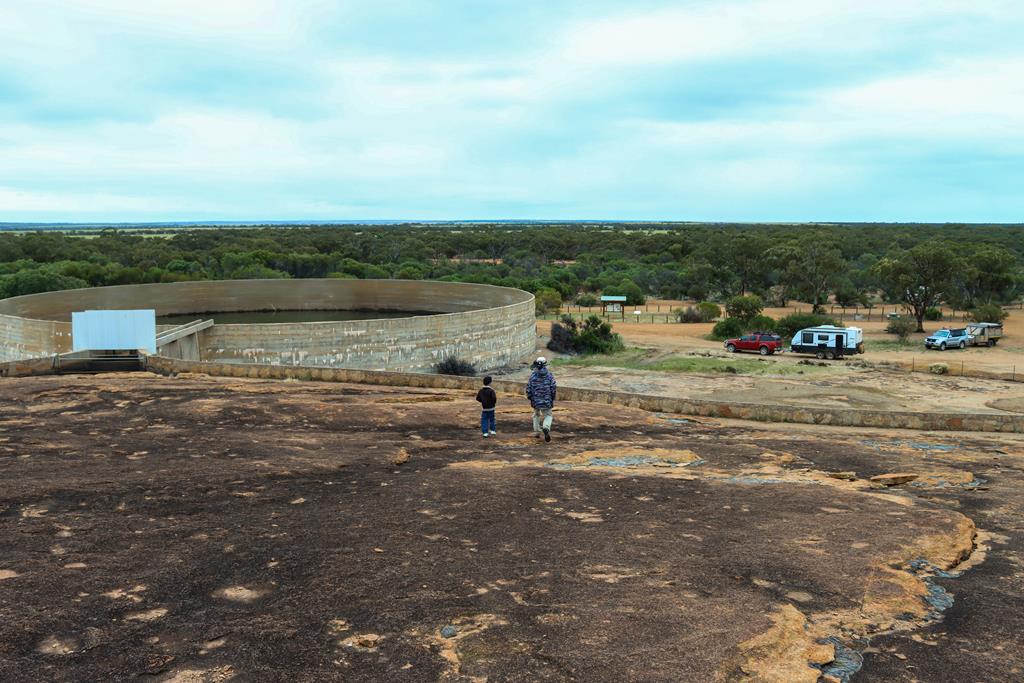
People walking on top of Beringbooding Rock in the Wheatbelt
The largest water catchment tank in Australia

Apart from this water tank, there are other interesting things to see along 2.3km circuit route around and over the rock. I found the sight of an enormous balancing boulder very fascinating.
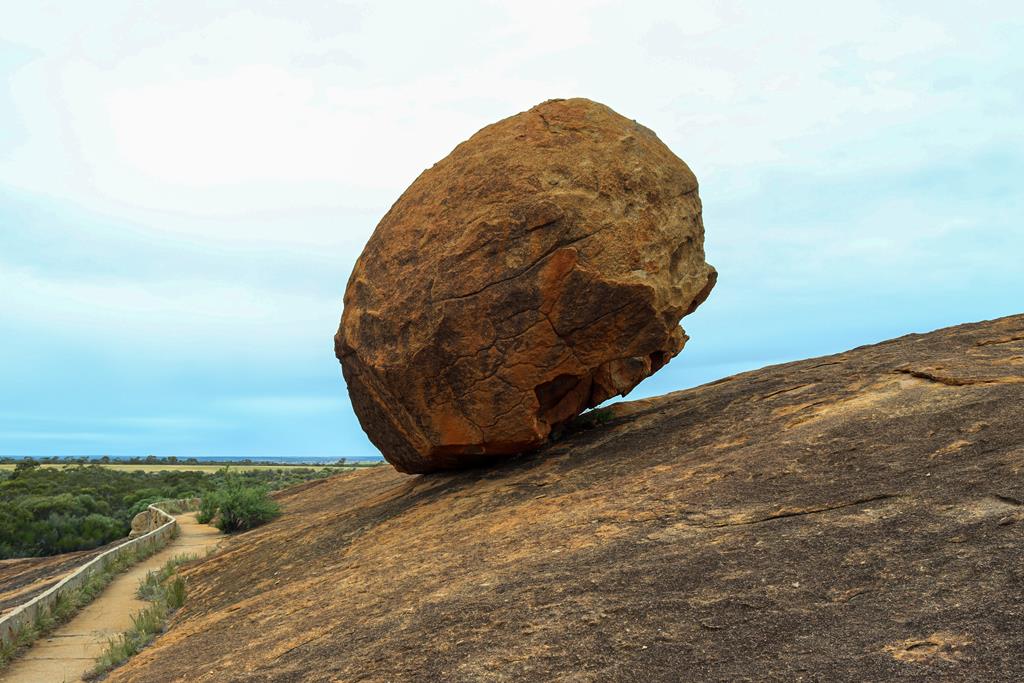
Balancing Boulder at Beringbooding Rock

While I was busy taking pictures of the boulder, our kids spent time near the tall cairn. The youngest, Ilusha said that everyone who passed by, put a small rock to add to this tower. Logical thinking!
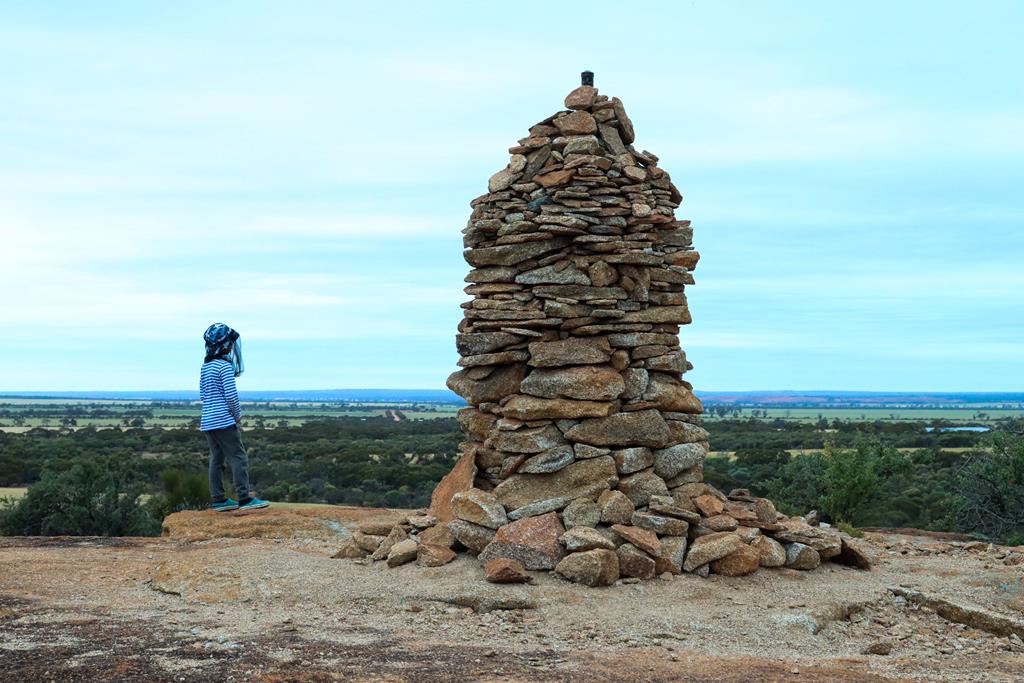
Cairn

Among other attractions, there are some smaller rocky outcrops, a cave, a gnamma hole (natural water hole) and beautiful views of the surrounding country from the top of the rock. The walk over the rock is relatively easy. Shire of Mukinbudin has also provided picnic and free camping facilities with tables and flushing (!) toilet at the base of the rock.  
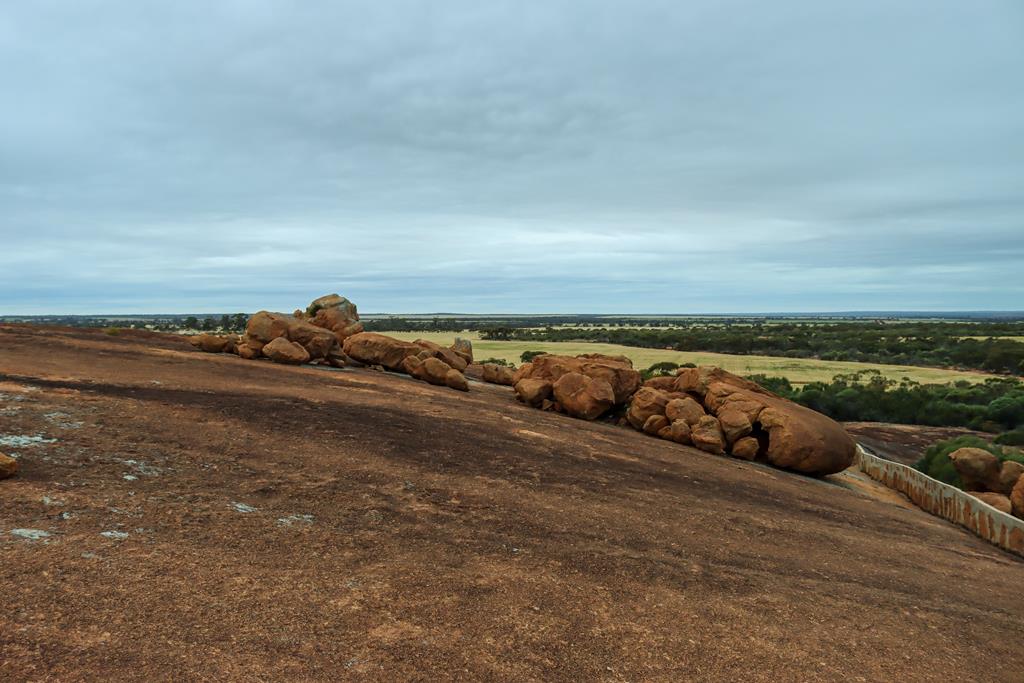
The views from Beringbooding Rock

Billiburning Rock

Billiburning Rock was our favourite out of the 4 rocks in Wheatbelt area that we visited during our 9 day holiday through the Wildflower Country and Wheatbelt. Being 35km north of Beacon (the closest town), it is a bit out of the way and thus less popular than other rocks. We were happy to have a lot of space for ourselves with fantastic views.

Camping

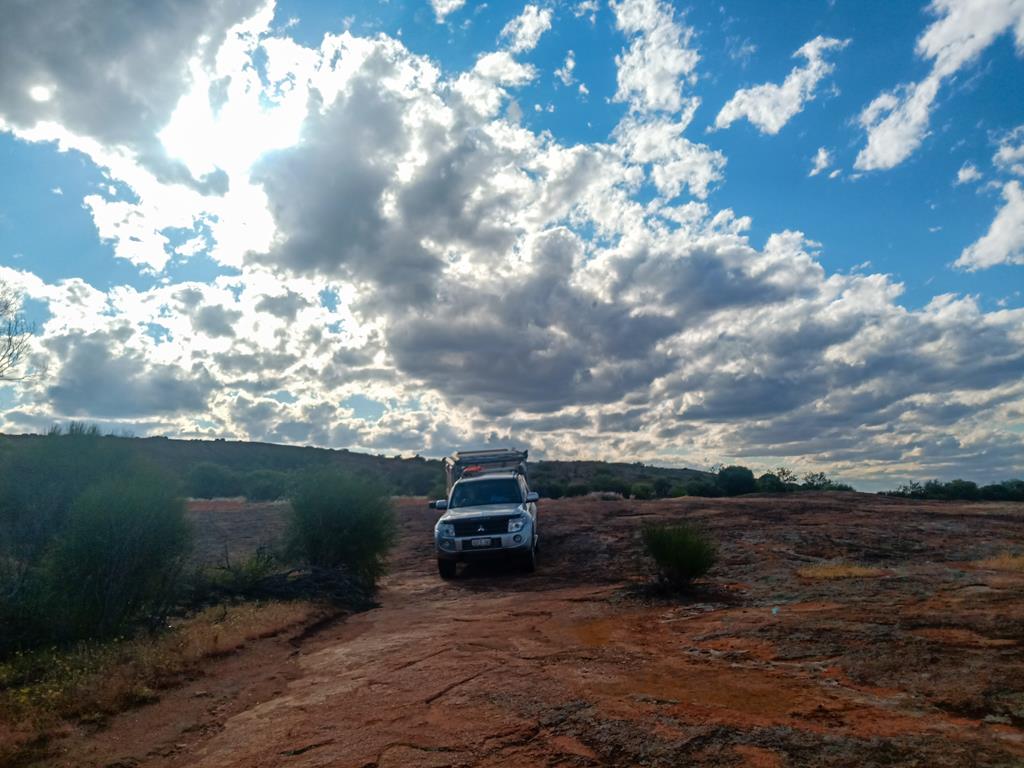
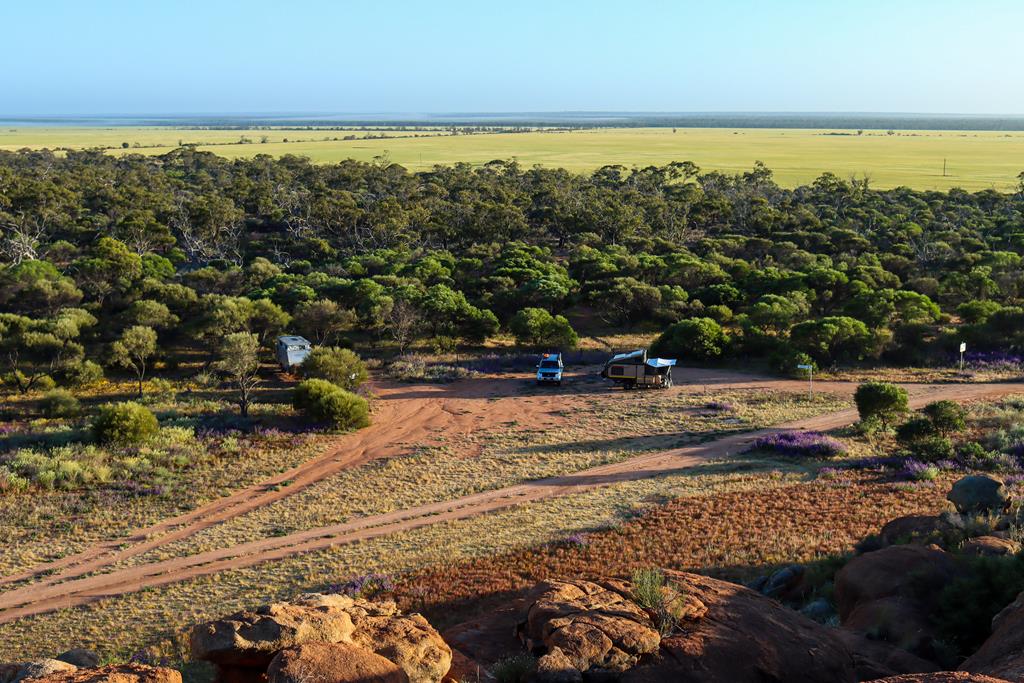
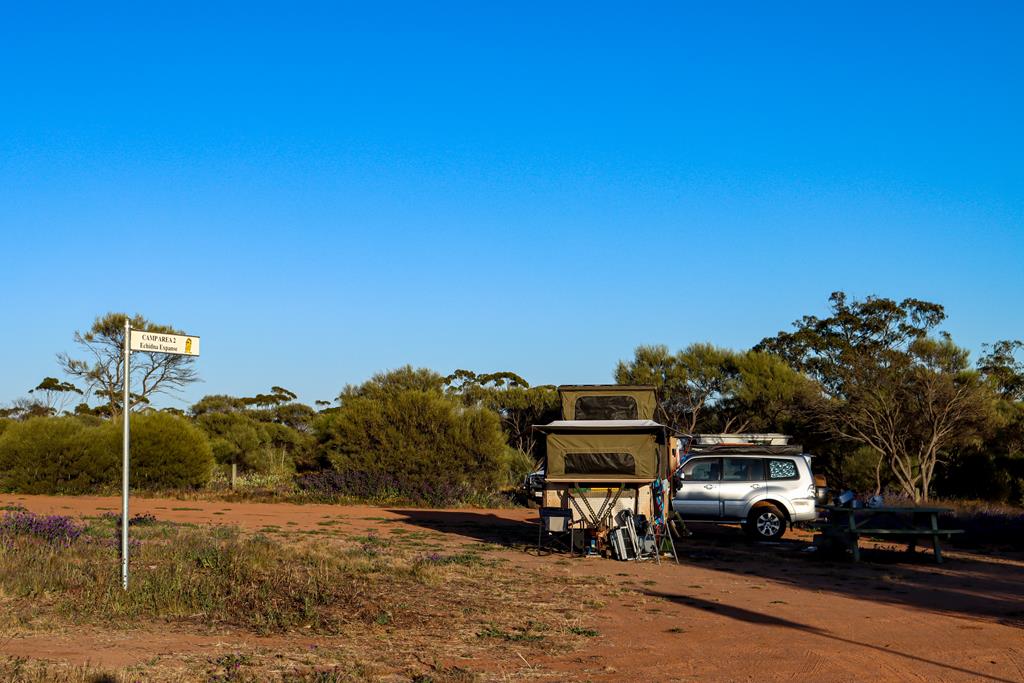
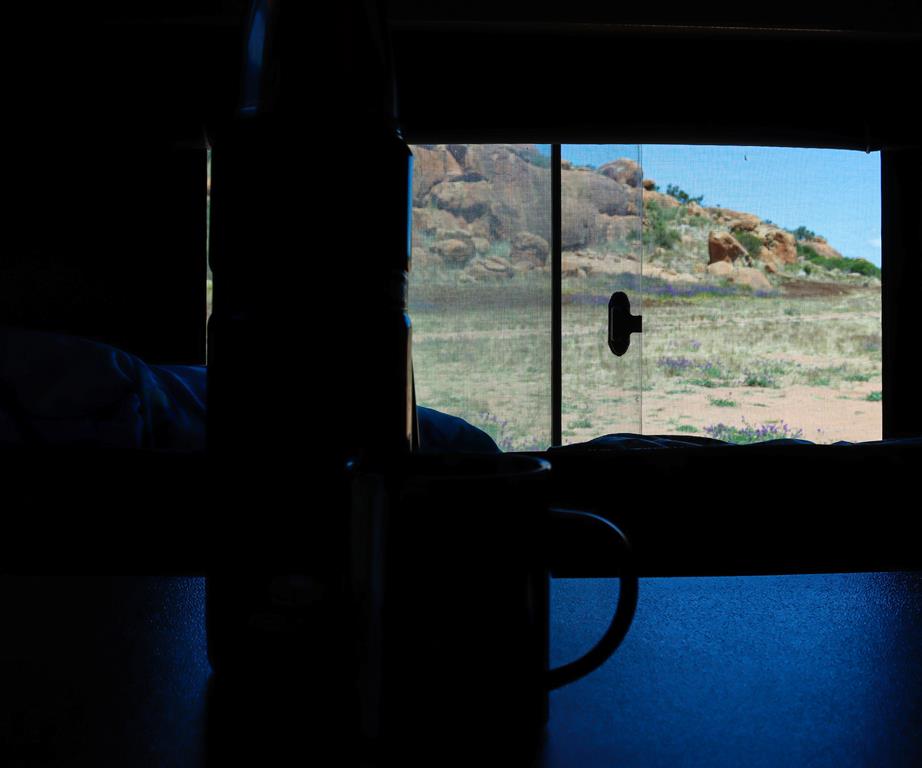
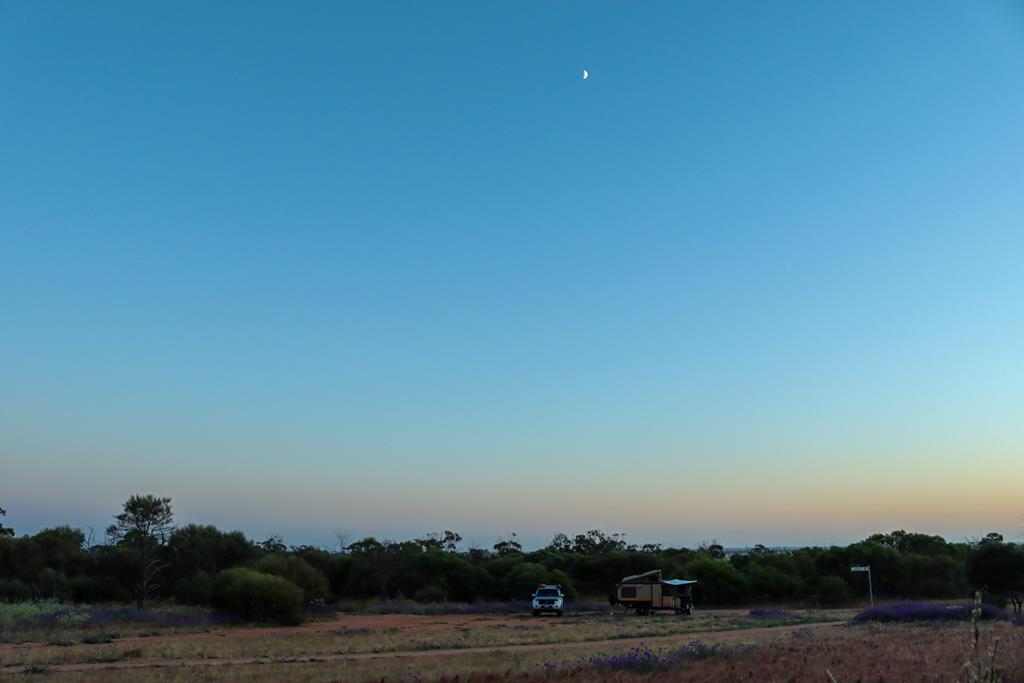
Billiburning Reserve has 3 camping sites, located at the base of the Billiburning Rock. The first one (Gecko Grounds) is an open space, suitable for large vans and caravans. To get to the second (Echidna Expanse) and third ones (Kangaroo Corner), you would need to drive around the rock, crossing a small section of the rock (10 meter section).

Driving to our camping spot

Each of the other two sites are rather small, enough for 4-5 campers each, offering the views of the rock on the left and the views of the bush with abundant wildflowers on the right. There is a drop toilet and a water tank next to it with non-drinking water between sites 2 and 3.

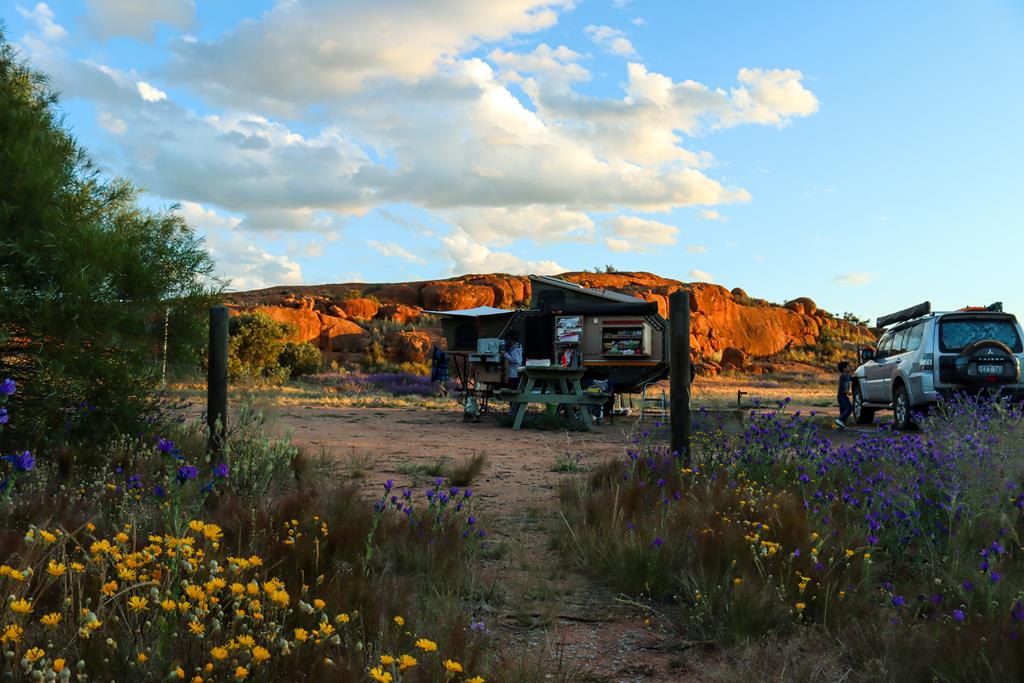
We stopped at Echindna Expanse site (number 2) which we shared with another camper for the first night and had it all to ourselves for the second night. The place being so serene, pristine and inviting that we did stay 2 nights there.

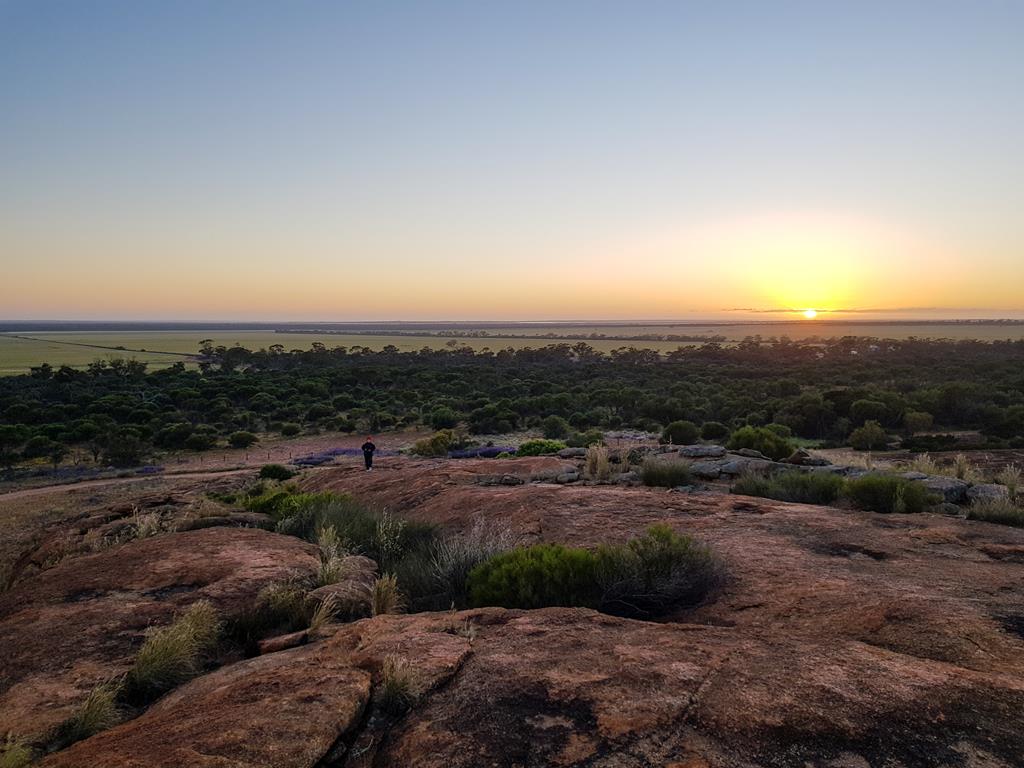
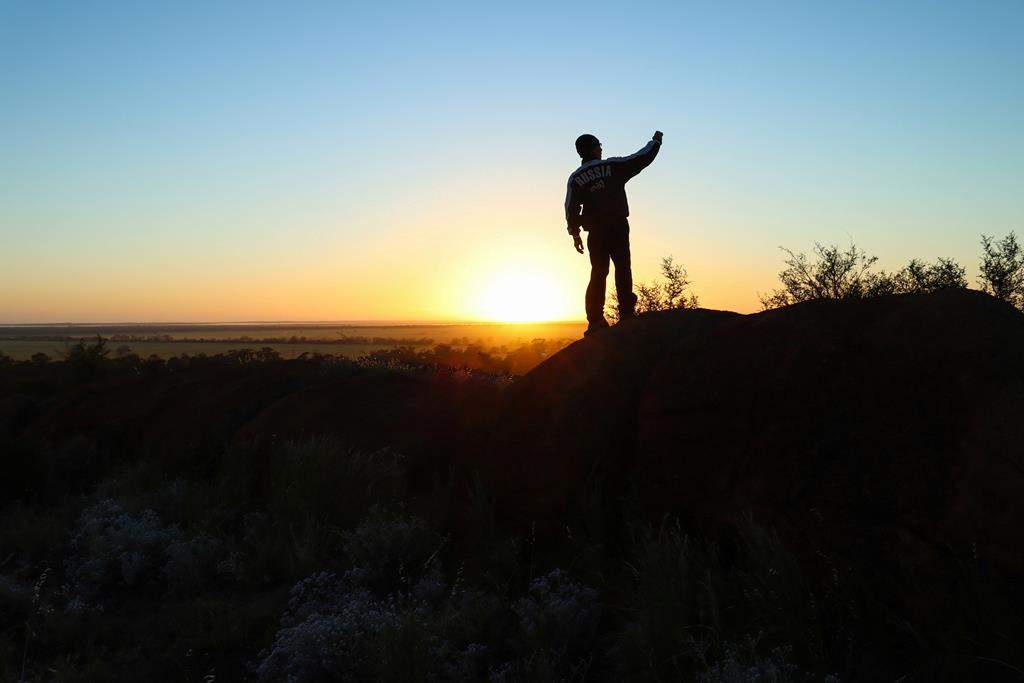
We climbed over the rock to take the pictures of the sunrise.

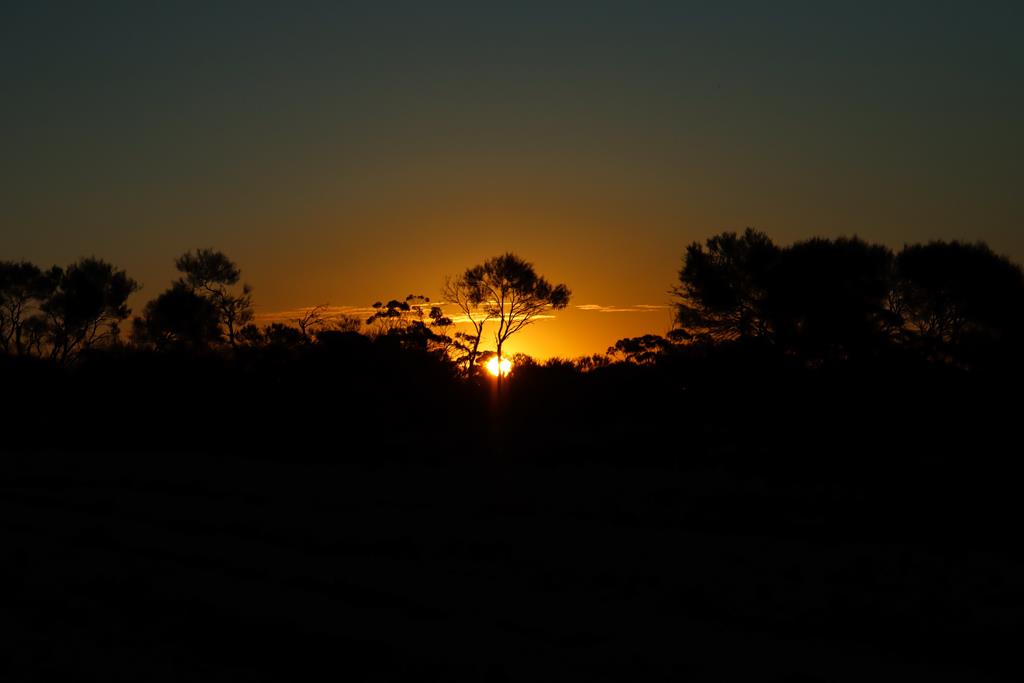
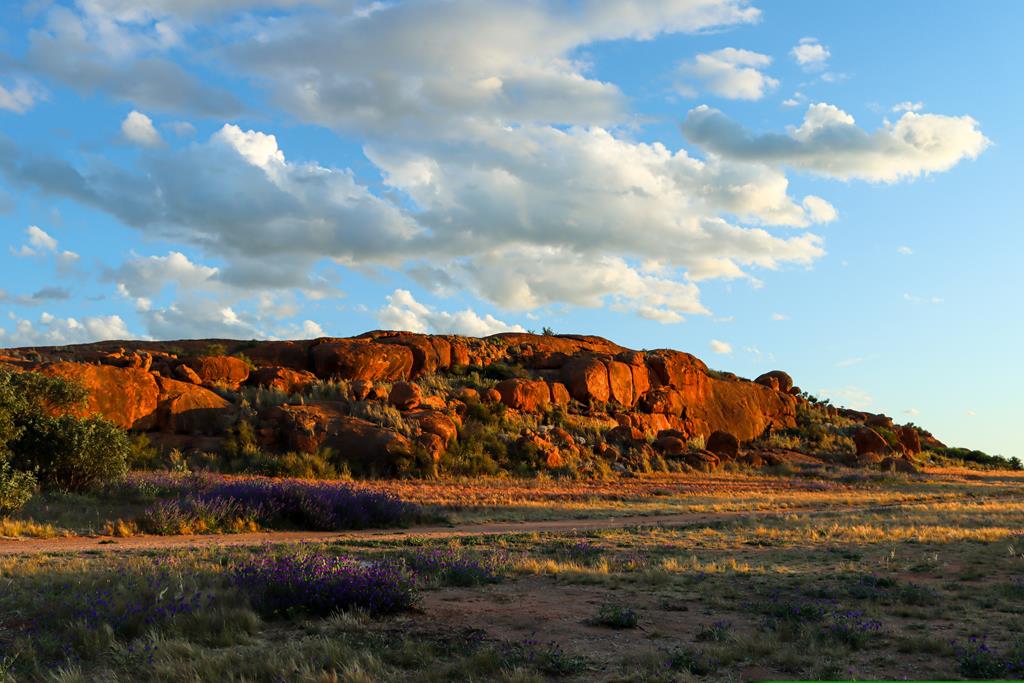
Then we climbed it again during the day. Later we marvelled at the way the rock looked when the setting sun was casting its last rays onto it, making the colours of the rock look warm and orange. When the sun set, the colours turned cold and blue.

Flora and fauna

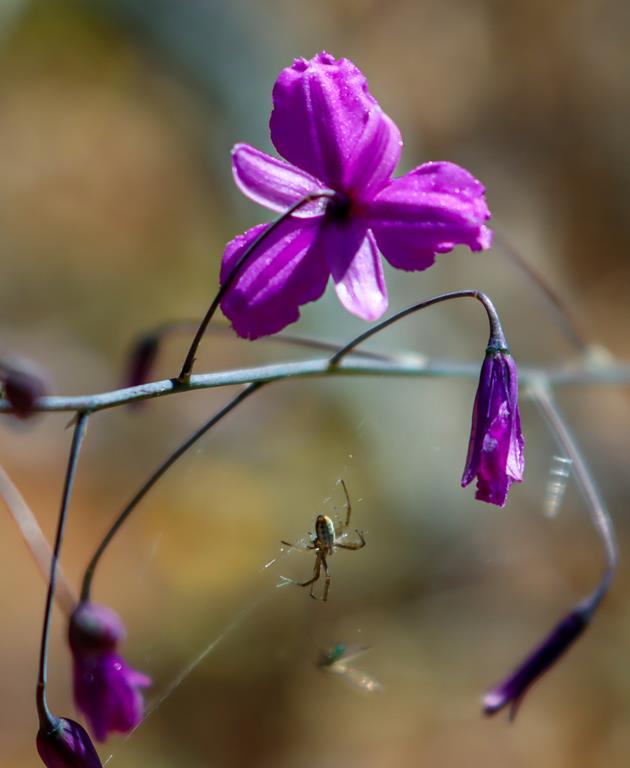
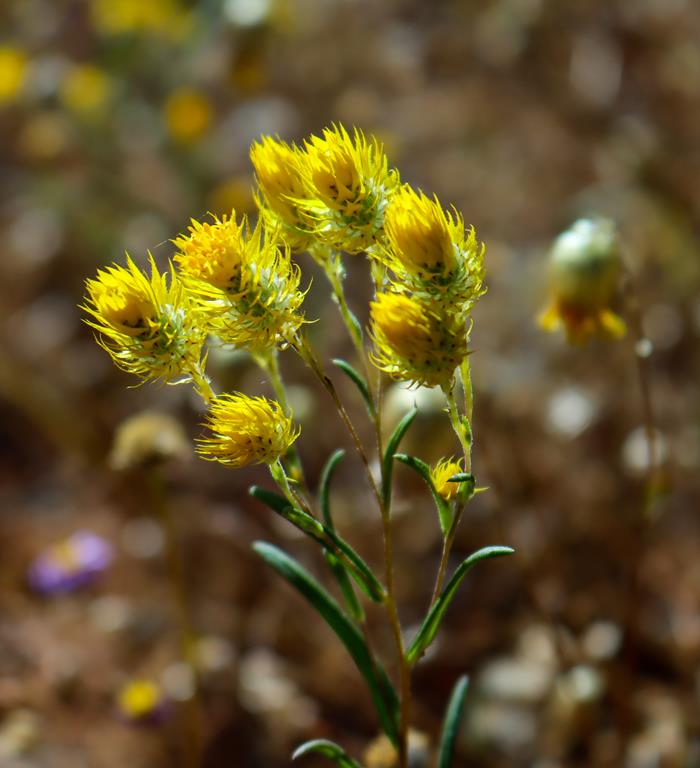
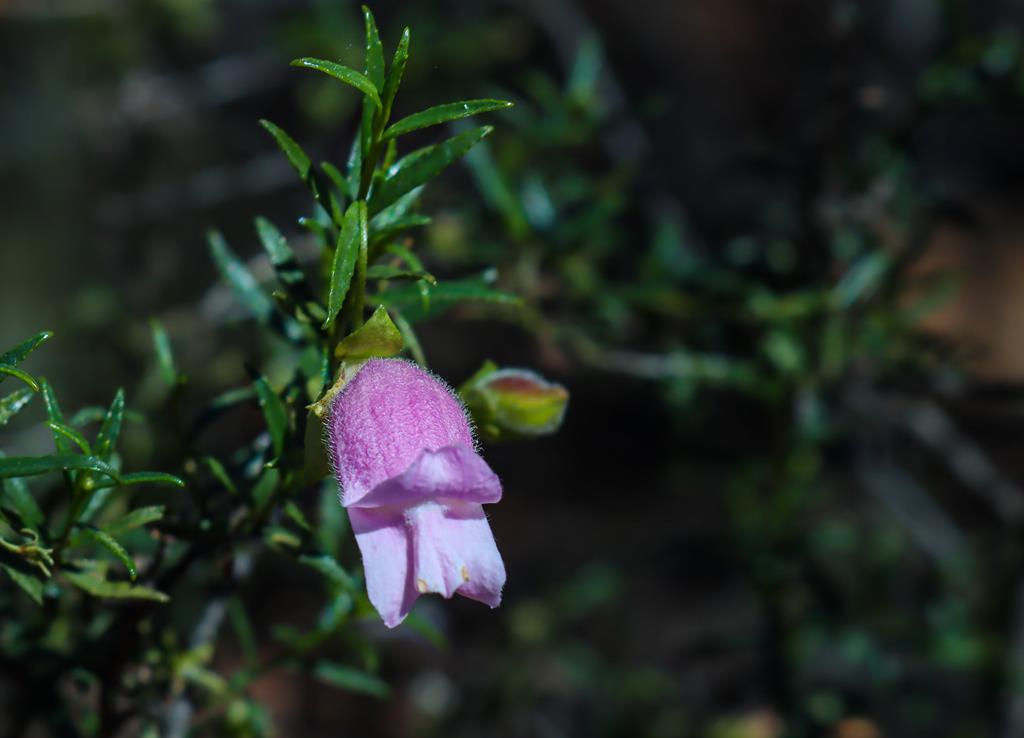
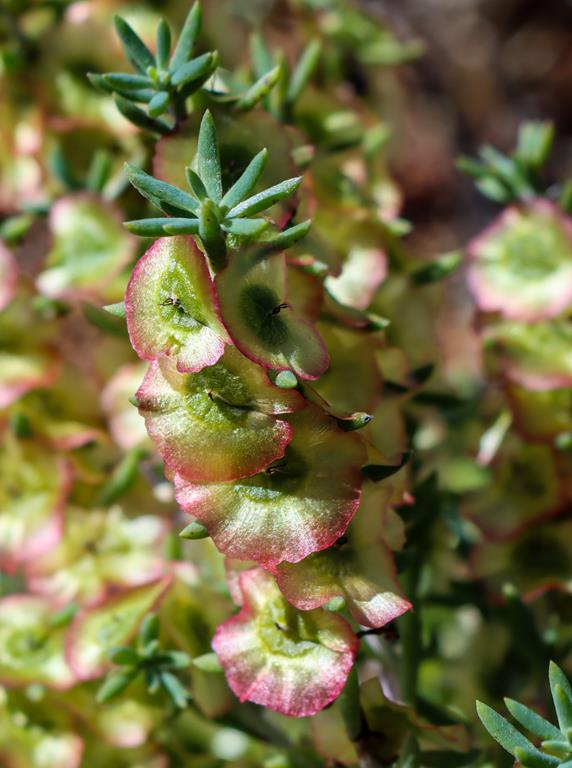
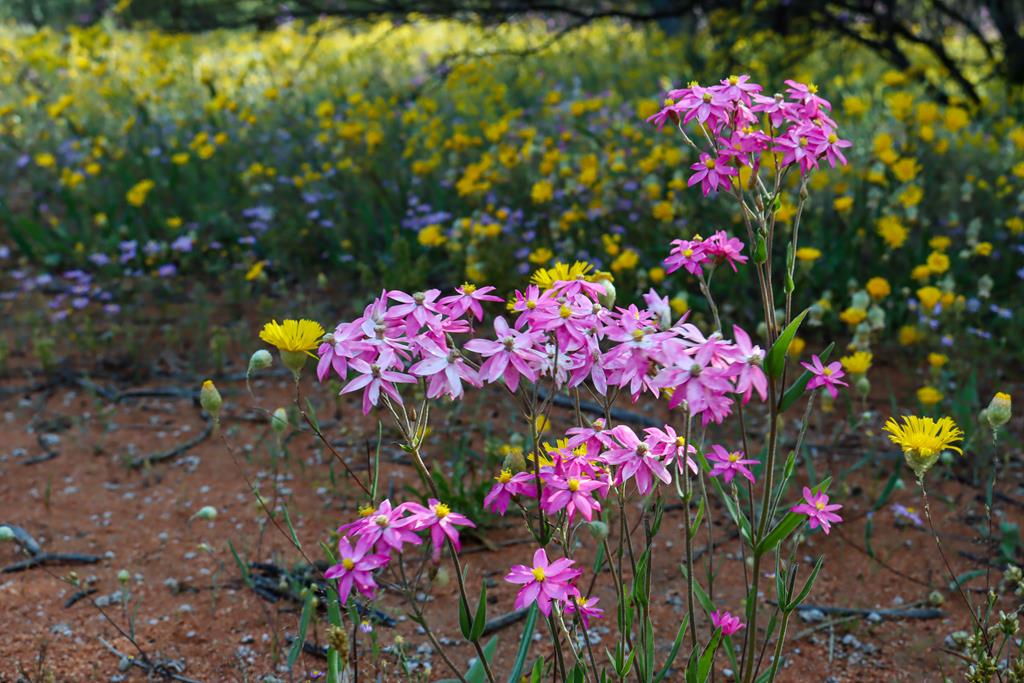
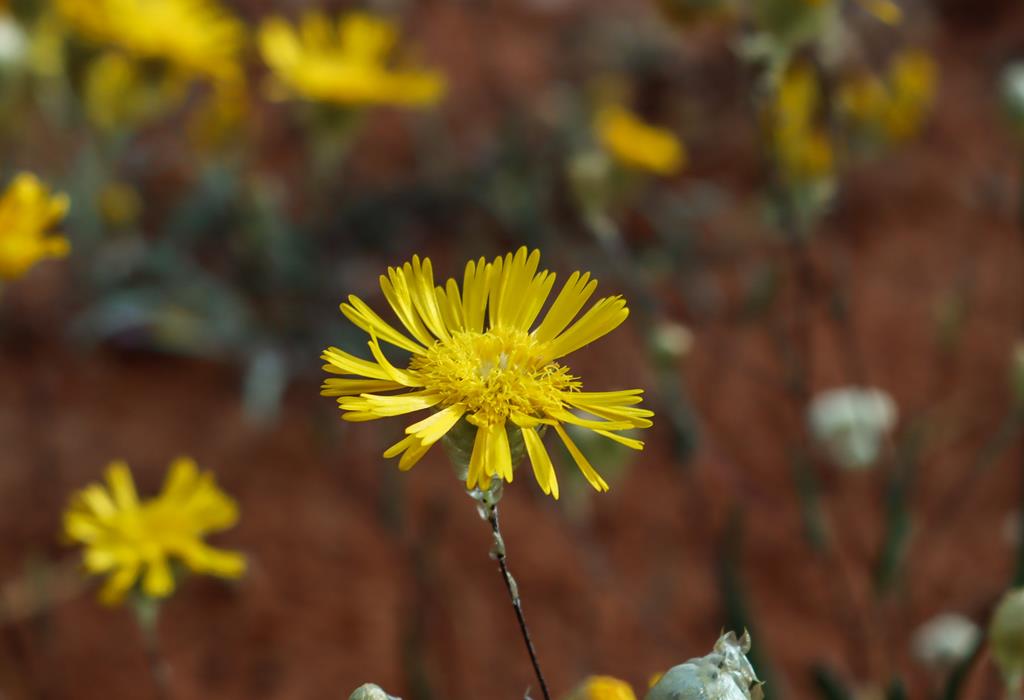
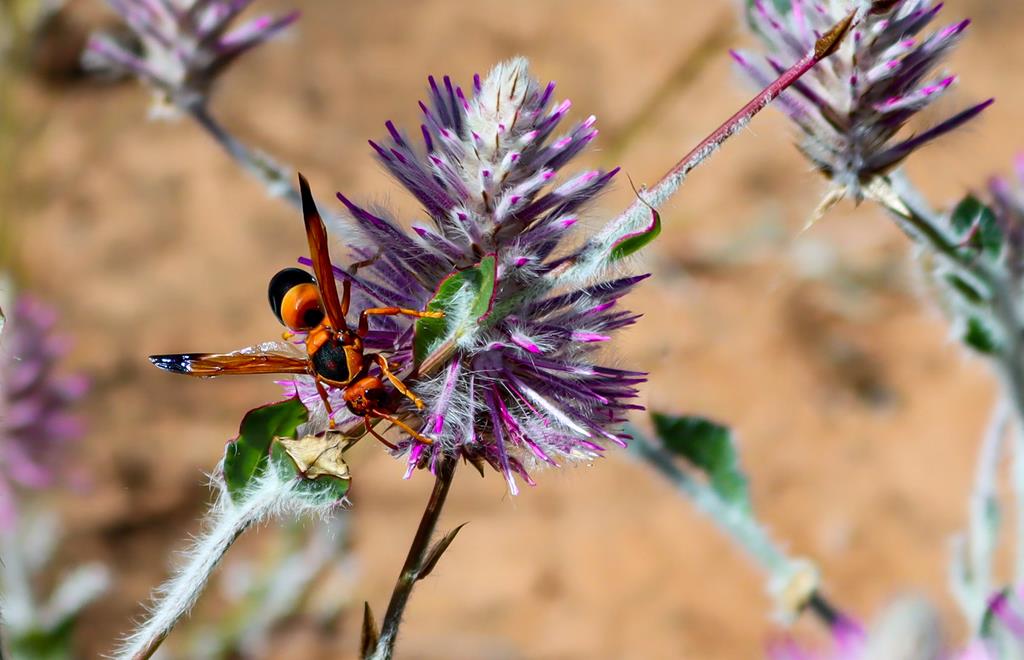
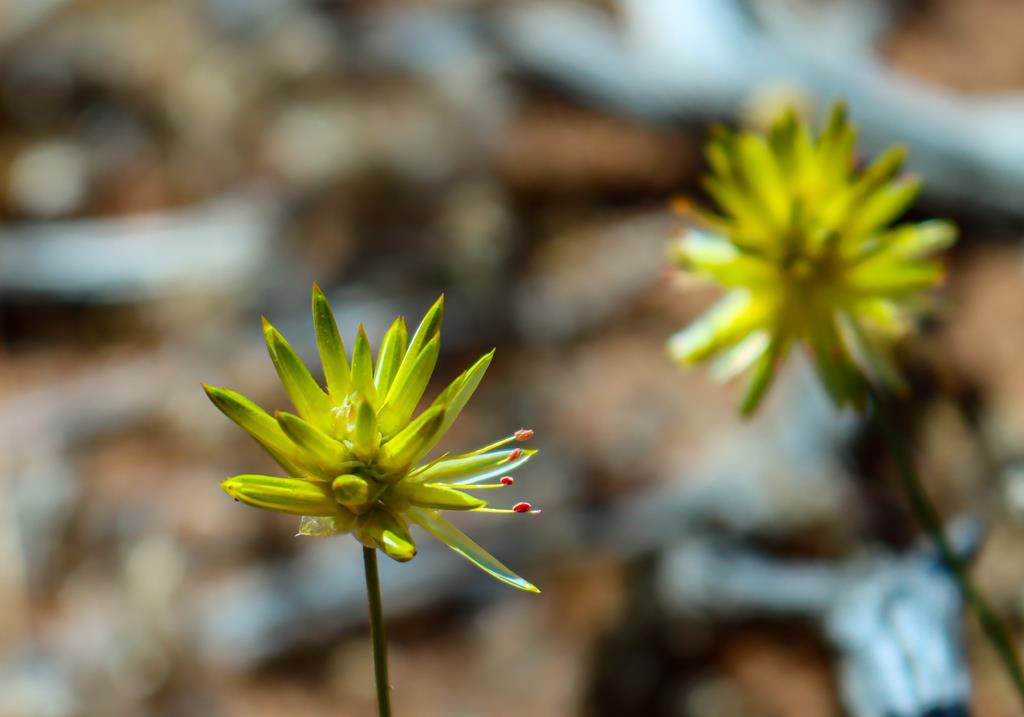
Billiburning Reserve is home to many wildflowers.

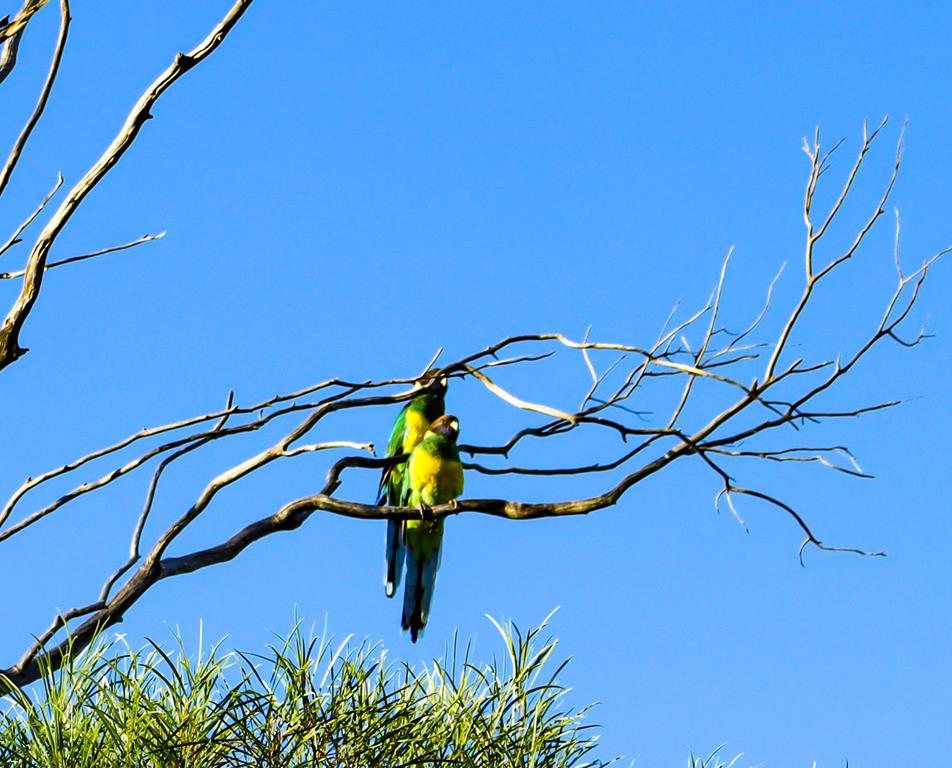
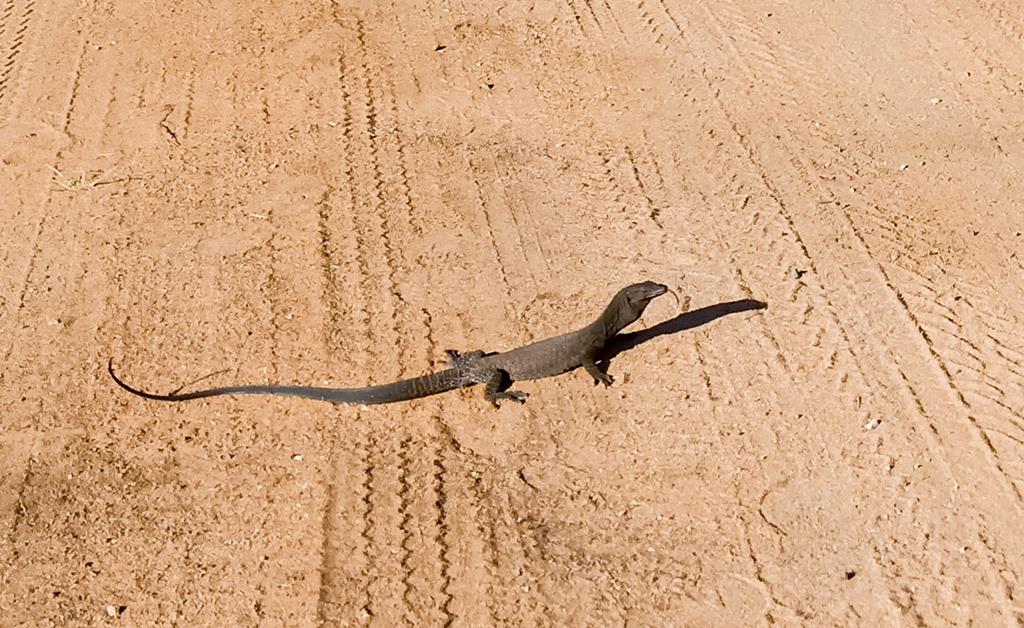
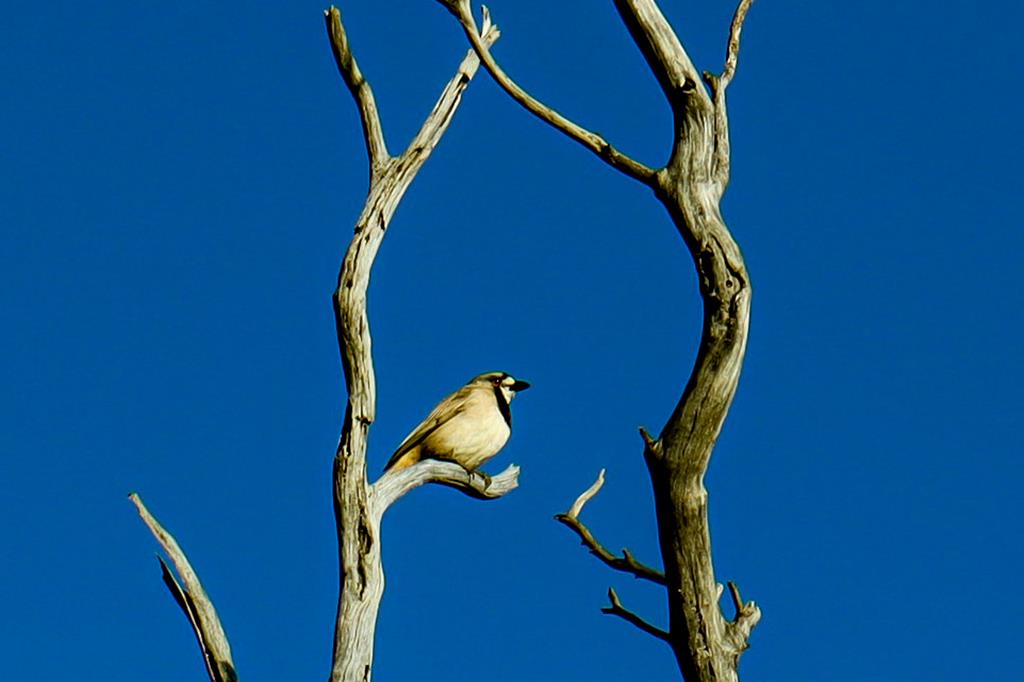
It is a great spot to observe wildlife.

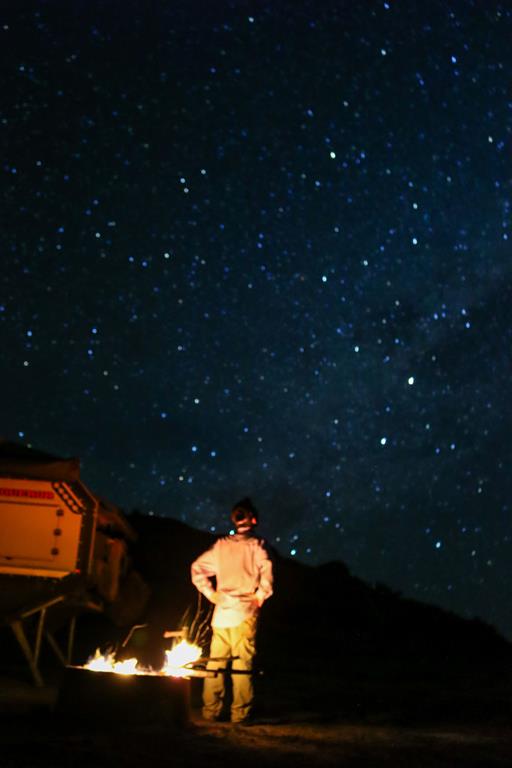
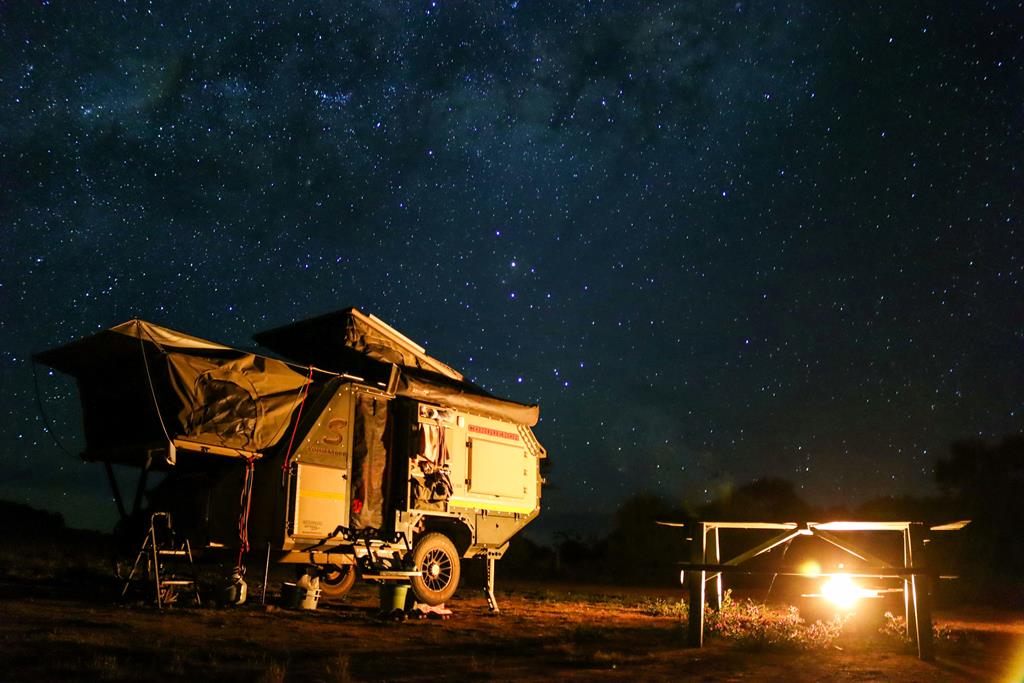
And of course, no camping experience is complete without a campfire under the stars!

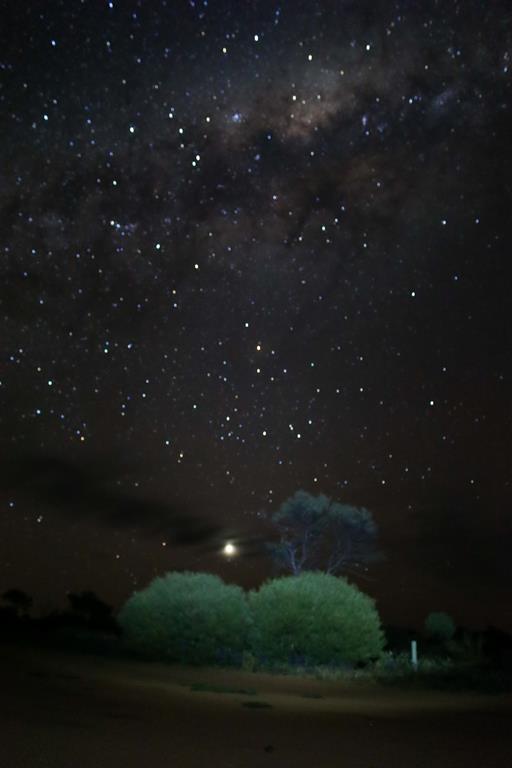
Millions of stars and the Milky Way is what you see in the outback at night.